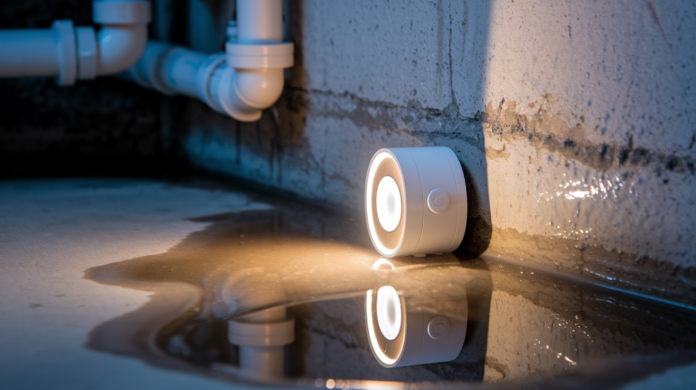

Your leak detector just went off. Again. You check the area. Nothing wet. No puddle. No dripping. This is the third time this week, and you’re starting to wonder if the system actually works or if you wasted money on equipment that cries wolf. Here’s the truth: false positive leak detection happens for specific, fixable reasons. Understanding what triggers fake alerts and how to eliminate them protects you from both ignored real leaks and pointless middle-of-the-night inspections that waste time and erode trust in your system.
Common Triggers Behind False Positive Leak Detection Alerts
A false positive happens when your leak detection system alerts you to a problem that doesn’t exist. Or when it flags moisture or gas levels that aren’t actually actionable leaks. The sensor might pick up normal condensation in a basement, a mop bucket left under a sink, or trace gases that naturally occur in your testing environment. These alerts look urgent, but they don’t represent the kind of leak that requires immediate action.
False positive triggers vary depending on what type of detection you’re using. Water sensors, gas detectors, pressure testing systems, and acoustic leak monitors each have their own quirks. But they share common root issues. Calibration drift, environmental conditions that interfere with readings, outside sources of electrical or radio noise, installation mistakes, and testing methods that can’t distinguish between normal background conditions and genuine leaks.
Here’s what typically causes false positive alerts across residential, commercial, and industrial leak detection systems:
Sensor drift and aging slowly reduce accuracy over time as components degrade and calibration shifts from original settings. Incorrect initial calibration or improper baseline establishment means the system never learned what “normal” looks like in your space. Detection sensitivity thresholds set too aggressively for ambient conditions trigger alerts at moisture or gas levels that don’t indicate actual leaks. Environmental moisture and condensation from normal humidity levels, especially in basements, crawl spaces, water heater closets, and bathrooms. Temperature fluctuations causing thermal expansion in pipes and test materials that pressure sensors misread as leaks.
Humidity interference from seasonal atmospheric changes affecting sensor readings and material behavior. Electrical or radio frequency interference from motors, HVAC systems, Wi-Fi routers, and wireless devices causing sensor malfunctions. Vibration and acoustic noise from machinery, elevators, and air handlers mimicking the sound signatures of water leaks in acoustic detection systems.
Improper sensor installation or positioning in areas prone to normal condensation like cold water pipes, AC condensate lines, or poorly ventilated closets. Component outgassing from porous materials, elastomers, adhesives, and plastic fixtures releasing trapped gases during testing. Residual gases or cross-contamination in testing chambers between product runs, especially in shared facilities running multiple product lines.
Binary detection thresholds that register “water present” or “gas present” without accounting for normal background moisture or trace gas levels that don’t constitute leaks. Pressure decay testing misreading thermal stabilization as leaks when temperature changes affect gas volume inside sealed components. Inadequate purge cycles allowing tracer gas accumulation in high-throughput testing environments with insufficient ventilation between tests. Dust or debris contact triggering rope sensors and surface detection systems even when no actual water is present.
False positives aren’t just annoying. They create alert fatigue, where your maintenance team or household starts ignoring warnings because most turn out to be nothing. Every false alarm wastes inspection time. Out-of-hours callouts for facilities staff are expensive and demoralizing. You might spend money on unnecessary repairs, tearing into walls or replacing components that weren’t actually failing.
Worst of all? When false positives erode trust in your detection system, teams start deprioritizing alerts. That’s when genuine leaks slip through and escalate into flooding, structural damage, mold growth, or contaminated product batches that could have been caught early.
Step-by-Step Diagnostic Process for Suspected False Positive Leak Detection

Systematic diagnostics help you figure out whether an alert represents a real leak or a false alarm before you waste time and money on unnecessary repairs or emergency callouts.
Follow these steps to verify what you’re actually dealing with:
Document the alert details. Write down the exact time, location, current environmental conditions (temperature, humidity, weather), and any recent activities in the area like cleaning, maintenance work, or equipment changes.
Conduct a visual inspection of the alerted area. Look for obvious signs of water, moisture stains, puddling, wet materials, musty smells, or physical damage to pipes, fixtures, or walls.
Check for environmental factors. Consider whether there’s been a recent temperature drop causing condensation, humidity spike from weather changes, steam from showers or cooking, or moisture-producing activities like mopping floors nearby.
Verify sensor functionality. Check that the sensor has power, connections are secure, the physical device isn’t damaged or corroded, and it’s positioned correctly (not sitting in a natural condensation zone or too close to a drain).
Isolate the detection zone. If it’s safe, shut off the water supply or gas line to that specific area and monitor whether the alert continues even without an active supply feeding the location.
Retest using alternate detection methods. Try a different sensor type, manual pressure testing, moisture meter readings, or visual dye testing for water systems to see if multiple methods agree on the presence of a leak.
Compare current readings to historical baseline data if your system logs it. Look for abnormal patterns versus normal fluctuations that happen daily or seasonally in that location.
Consistent alerts in the same location under varying conditions usually mean you’ve got a genuine issue that needs fixing. Intermittent alerts that only happen when humidity spikes or when certain equipment runs nearby point toward false positives triggered by environmental changes.
When your diagnostic results leave you uncertain, especially in critical areas like gas lines or behind finished walls, professional assessment with calibrated equipment gives you a definitive answer. It prevents guessing games that could lead to either unnecessary repairs or missed real problems.
Prevention Strategies to Minimize False Positive Leak Detection

Proactive prevention costs less than responding to frequent false alarms and the wasted inspections they create. A little upfront effort in system setup and maintenance keeps your detection reliable.
Customizable detection thresholds matched to specific locations and use cases make the biggest difference in reducing false positives. Modern systems let you set different sensitivity levels for different areas. A data center might alert when a single sensor segment detects moisture because even minor water contact risks expensive equipment damage. An elevator shaft or mechanical room where small amounts of water naturally collect can be set to alert only when moisture reaches levels that indicate an actual plumbing failure rather than normal condensation.
Use these strategies to keep false positive rates low:
Establish regular calibration schedules based on manufacturer recommendations and how heavily the equipment gets used, not just when you start seeing weird readings. Customize detection thresholds for each sensor location based on what’s normal for that spot and what moisture or gas levels actually require action. Implement routine sensor cleaning and maintenance to prevent dust, debris, and contamination buildup that interferes with accurate readings.
Optimize your testing environment with proper ventilation between tests and contamination barriers that prevent stray gases from drifting into detection zones. Use appropriate sensor types and materials for specific applications like non-porous fixtures and gaskets for gas testing that won’t absorb and slowly release test gases. Establish baseline measurements under normal conditions so the system knows what typical background readings look like for comparison.
Document environmental factors and alert patterns to spot recurring false positive triggers tied to weather, time of day, or nearby equipment operation. Train operators and maintenance staff on proper testing protocols, equipment handling, and what conditions typically cause false readings. Install detection systems away from known condensation sources like cold water pipes, AC units, and poorly ventilated areas where normal moisture doesn’t indicate leaks.
Modern detection systems with adjustable sensitivity, continuous data logging, and historical tracking let you fine-tune performance for your specific environment. You get fewer false alarms while maintaining full protection against genuine leaks. The system learns what’s normal for your facility or home and only alerts when conditions exceed those thresholds.
When to Call a Professional for Leak Detection Verification

Knowing when to stop troubleshooting on your own and bring in expert help prevents both costly damage from missed leaks and wasted time chasing false alarms that keep coming back.
Call a professional when alerts keep happening despite your basic troubleshooting steps. When you’re getting alerts in critical areas like water heaters or gas lines where safety matters more than saving a service call fee. When different detection methods give you conflicting results that leave you uncertain. When you see signs of water damage like ceiling stains or warped flooring but can’t locate the actual source.
When the suspected leak location is behind finished walls or under concrete floors you can’t easily access. When you’re managing commercial or industrial facilities where false positives disrupt operations and cost serious money. Or when alert fatigue has already set in and your team has started ignoring warnings because so many have been false.
Professional leak detection services bring calibrated testing equipment that’s verified accurate within tight tolerances. They use multiple detection methods to cross-check findings including thermal imaging that shows temperature differences from moisture, moisture mapping that tracks water migration through materials, pressure testing of isolated system sections to pinpoint exactly where pressure drops, gas concentration measurement with precision instruments that distinguish trace contamination from genuine leaks.
And years of field experience recognizing patterns that separate real problems from false positive signatures. They’ve seen the same scenarios play out hundreds of times and know what genuine leaks look like versus what sensor glitches, environmental factors, or installation issues produce.
Professional assessment gives you certainty instead of guesswork. It prevents small water problems from growing into major structural damage, mold remediation projects, or insurance claims. It also catches issues that home detection systems miss entirely or misinterpret as false positives when they’re actually early signs of deteriorating pipes, failing seals, or developing leaks that haven’t reached obvious flooding stages yet.
Final Words
False positives happen for specific, fixable reasons. Sensor drift, environmental moisture, improper calibration, and residual gases all trigger alerts when no real leak exists.
Understanding what causes false positive leak detection helps you respond smarter and waste less time chasing phantom problems.
The right diagnostic steps, proper sensor placement, and customized detection thresholds cut down false alarms without missing genuine issues. When alerts keep coming back or you’re not sure what you’re dealing with, a professional confirmation clears it up fast and protects your home from the damage that happens when real leaks get ignored.
FAQ
How accurate is leak detection?
Leak detection accuracy varies significantly based on the detection method, equipment quality, and environmental conditions, with professional systems typically achieving 90-95% accuracy when properly calibrated. Accuracy decreases when sensors experience drift, improper installation, or environmental interference. Regular calibration and customized threshold settings matched to specific locations improve detection reliability and reduce false alerts.
What are some reasons for false positives?
False positives in leak detection happen when sensors trigger alerts for non-genuine or non-actionable events like condensation, humidity fluctuations, temperature changes, or dust contact. Binary detection systems that only recognize “water present or not present” without accounting for normal background moisture cause most false alarms. Sensor drift, electrical interference, and residual tracer gases in testing chambers also create false positive readings.
How much does a plumber charge to diagnose a leak?
A plumber typically charges between $150 and $350 to diagnose a leak, depending on location, complexity, and detection methods required. This diagnostic fee usually includes visual inspection, basic testing, and identification of the leak source. Some plumbers apply the diagnostic fee toward repair costs if you proceed with the fix, making professional assessment cost-effective when DIY troubleshooting proves inconclusive.
Can a water leak detector cause a false alarm?
Water leak detectors can cause false alarms when condensation, humidity, temperature changes, or dust trigger sensors designed to detect moisture presence. Improper sensor placement in condensation-prone areas, incorrect calibration, and binary detection thresholds that don’t account for normal ambient moisture create frequent false alerts. Modern detectors with adjustable sensitivity and data logging reduce false alarms by distinguishing genuine leaks from normal environmental moisture.