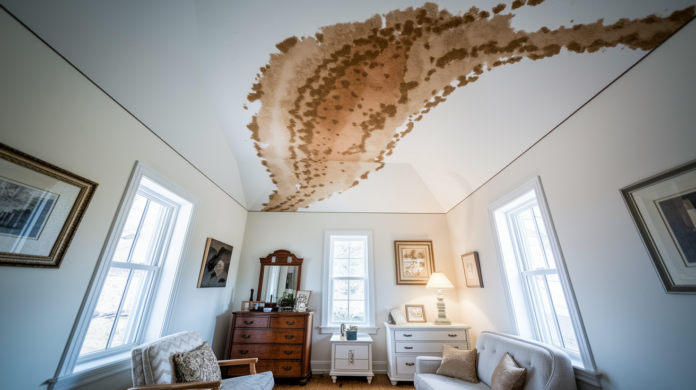

Most homeowners think wet drywall from a leak is automatically covered by insurance, until they file a claim and find out it’s not. Coverage depends entirely on what caused the water damage, not just that it happened. If a pipe burst suddenly, you’re probably covered. If that same pipe leaked slowly for three months while you ignored it, you’re paying out of pocket. The difference between a check and a denial letter comes down to proving your leak was sudden and accidental, not something that developed over time from skipped maintenance.
Insurance Coverage for Wet Drywall from Leaks

Yes, homeowners insurance covers wet drywall from leaks, but only when it’s caused by sudden and accidental events. Not gradual seepage or maintenance problems you should’ve handled yourself. The moment you discover water staining your ceiling or walls, the critical question isn’t whether you have damage. It’s whether the cause fits what your policy defines as a covered peril.
Both the leak source and the resulting drywall damage typically fall under your dwelling coverage as a single claim with one deductible. That means if a burst pipe soaks your bathroom walls and the kitchen ceiling below, you’re not paying two separate deductibles. The insurance company treats the entire water event as one incident, covering repairs to plumbing, drywall, insulation, paint, and any other structural components damaged by the same water intrusion.
Covered perils generally include sudden plumbing failures, storm damage that breaches your roof, and appliance malfunctions that dump water where it doesn’t belong. Excluded causes include wear and tear, deferred maintenance, flood water from outside sources, and any leak that developed slowly over time. If your pipes corroded gradually and finally gave way, or your roof’s been seeping for months, coverage gets denied.
The distinction between sudden versus gradual damage is the single most important factor in claim approval. Adjusters investigate timelines, look for evidence of prior leaks, and assess whether reasonable maintenance could’ve prevented the problem. Understanding which scenarios qualify helps you know when to file and when to pay out of pocket.
The following section breaks down specific covered leak types so you can identify whether your situation qualifies for an insurance payout.
Covered Leak Types That Trigger Drywall Insurance Payouts

Sudden, unexpected leaks from various sources qualify for coverage when they happen without warning and cause immediate damage. The key is that the water intrusion was accidental and couldn’t have been prevented through normal home maintenance. Insurance companies distinguish between “something broke” and “something wore out.” The first gets covered. The second doesn’t.
Identifying the leak source matters because adjusters verify that damage originated from a covered peril. A ceiling stain alone doesn’t tell the story. The claim hinges on proving what caused the water to reach your drywall and when it started.
Here are specific covered leak scenarios that typically trigger drywall insurance payouts:
Burst pipes from freezing temperatures. When outside temperatures drop and uninsulated pipes freeze, the expanding ice can rupture plumbing, flooding walls and ceilings when the ice melts or the pipe splits.
Sudden plumbing failures. Supply lines that rupture without warning, joints that separate during normal use, or fittings that crack and release water into wall cavities all qualify as covered perils.
Roof damage from storms or fallen trees. Wind driven rain that enters through storm damaged shingles, or tree limbs that puncture your roof and allow water intrusion, are covered when the weather event is documented.
Water heater rupture. Tank failures that flood surrounding areas, including water soaking through floors to ceilings below, are covered when the unit fails suddenly rather than leaking slowly over time.
Appliance supply line breaks. Washing machine hoses that burst, dishwasher connections that fail, or refrigerator ice maker lines that rupture and spray water into walls qualify as sudden accidental damage.
HVAC condensation line failures. When drain lines clog suddenly and overflow, or drain pans crack and release water into ceilings below air handlers, the resulting drywall damage is typically covered.
Ice dam water intrusion. Winter ice dams that force melting water under shingles and into attic spaces, staining ceilings and walls, are covered as storm related damage.
Accidental fixture overflows. Toilets that overflow due to sudden clogs (not repeated neglect), sinks left running accidentally, or bathtub overflows that soak through floors to rooms below qualify when truly accidental.
Policy Exclusions and Common Claim Denial Reasons
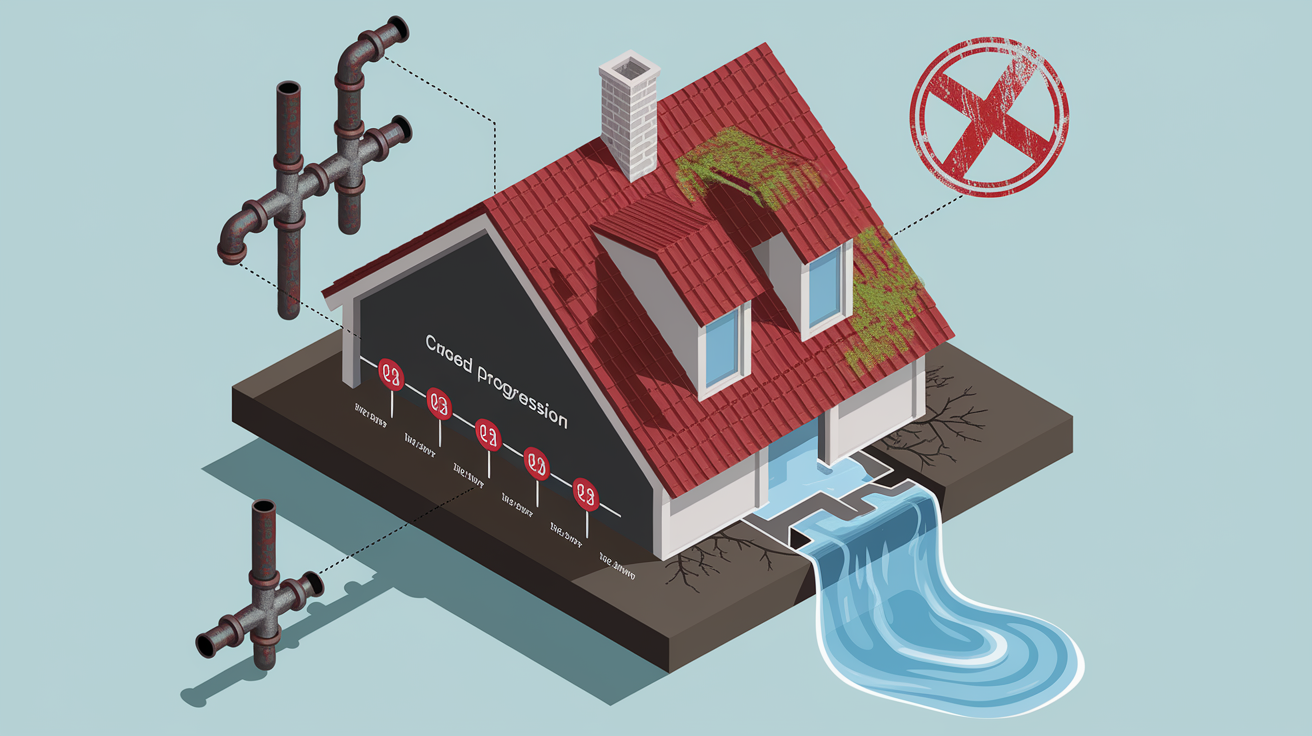
Understanding both policy exclusions and common denial triggers prevents wasted time filing claims that won’t pay and helps you determine when repairs should come from your own pocket.
Insurance companies deny wet drywall claims for two main reasons: the damage falls under a standard policy exclusion, or the claim fails to prove the damage was sudden rather than gradual. Both categories protect insurers from paying for home maintenance that owners should’ve handled. Here’s what typically doesn’t qualify:
Gradual seepage and long term leaks. Water damage that developed slowly over weeks or months, including rust stains around old pipes, repeated ceiling discoloration, or progressive wall deterioration from unrepaired plumbing issues.
Deferred maintenance and neglected repairs. Damage resulting from known problems that weren’t fixed, like ignoring a small roof leak until it destroys drywall, or postponing plumbing repairs until pipes fail catastrophically.
Wear and tear from aging systems and materials. Deterioration from normal use over time, including corroded pipes that finally leak, old water heaters that develop slow drips, or roofing that fails at the end of its expected lifespan.
Flood water from external sources. Any water that enters from ground level or below, including heavy rain that seeps through foundation walls, storm surge, overflowing rivers, or standing water that infiltrates your home. Requires separate flood policy.
Foundation settling and structural movement. Cracks from normal house settling that allow water entry, soil shifting that damages plumbing connections, or foundation issues that create water intrusion points.
Pest and animal caused damage. Squirrels chewing through roof materials that later leak, rodents damaging pipes, or any water intrusion resulting from animal activity.
Insufficient evidence that damage was sudden versus gradual. Claims where timeline documentation is weak, no clear triggering event exists, or damage patterns suggest long term seepage rather than acute failure.
Missed notification deadlines. Waiting weeks or months after discovering damage before contacting your insurer, which raises questions about when the damage actually occurred.
Inadequate documentation of damage scope. Failing to photograph wet areas before cleanup, disposing of damaged materials before adjuster inspection, or lacking proof connecting visible damage to a covered peril.
Pre-existing damage that wasn’t reported previously. Water stains or drywall deterioration that existed before the current claim, especially when adjusters find evidence of old repairs or prior water intrusion.
Regular maintenance documentation provides powerful evidence proving sudden occurrence rather than neglect. Keep dated photos showing your home’s condition, receipts from plumbing inspections, roof maintenance records, and notes from seasonal system checks. When damage happens, you can demonstrate the walls were dry last month and the failure was truly sudden.
The professional assessment phase within 48 to 72 hours often determines whether claims are approved or denied. Adjusters look for physical evidence of sudden failure, evaluate whether reasonable maintenance could’ve prevented the problem, and decide if your claim meets policy definitions of covered perils. Strong documentation during this window makes the difference between approval and a denial letter.
Filing Your Insurance Claim for Wet Drywall Damage

Contact your insurance company within 24 hours of discovering water damage. Most insurers accept claims through online portals, phone calls, or mobile apps. Use whichever method creates the clearest record of when you reported the problem.
Quick action both protects coverage eligibility and prevents additional damage. Policies require timely notification, and delays raise questions about when damage actually occurred. More importantly, water spreads fast. What starts as a ceiling drip can become widespread mold growth within 48 hours if you wait.
Follow this step by step process for filing your wet drywall claim:
-
Stop the water source immediately and ensure safety. Shut off water supply lines if dealing with plumbing failures, turn off electricity in affected areas if water’s near outlets or fixtures, and verify no one is at risk from electrical hazards or structural instability. If you need help finding and stopping the leak source before filing, see our Leak Detection and Repair Services for professional assistance.
-
Contact insurance company within 24 hours through preferred channel. Call the claims number on your policy, use the insurer’s mobile app, or file online, making sure to note the date, time, and claim number you receive.
-
Document all damage with photos and videos before cleanup. Capture wide shots showing room context, close ups of wet drywall, visible water sources, standing water, affected belongings, and any building materials showing saturation or deterioration.
-
Begin emergency mitigation to prevent further damage. Extract standing water with wet vacuums, place fans to start drying, remove wet belongings from affected areas, and place tarps or buckets to catch active drips.
-
Schedule adjuster inspection typically within 48 to 72 hours. Confirm appointment time, prepare access to all damaged areas, have documentation ready, and don’t complete any repairs beyond emergency mitigation until after inspection.
-
Obtain contractor estimates for repair costs. Get written bids from licensed professionals detailing drywall replacement, water damage restoration, and all related repairs to compare with adjuster’s assessment.
-
Keep all receipts for emergency repairs and mitigation expenses. Save invoices for fans rented, wet vacuums purchased, tarps bought, or any temporary repairs made to prevent additional damage. These costs are typically reimbursable.
-
Submit final invoices after repairs to recover depreciation holdback. Once restoration is complete, provide itemized receipts showing actual repair costs to receive the replacement cost value portion initially withheld.
Claim timelines vary depending on damage complexity and adjuster availability, but cooperation and thorough documentation speed the process. Most straightforward wet drywall claims reach settlement within two to four weeks when homeowners provide complete information and respond promptly to requests.
Documentation Requirements for Wet Drywall Insurance Claims

Thorough documentation is the difference between claim approval and denial. Adjusters need proof that damage occurred, evidence of what caused it, and verification that the triggering event was sudden rather than gradual.
| Documentation Type | What to Include | Why It Matters |
|---|---|---|
| Visual Evidence | Timestamped photos and videos showing wet drywall, water source, damage progression, affected rooms, and condition before cleanup begins | Proves damage scope and establishes timeline showing sudden event rather than long term deterioration |
| Professional Assessments | Licensed contractor written estimates, professional moisture meter readings, thermal imaging reports if available, and leak source identification from qualified plumbers or roofers | Establishes scientific proof of water penetration depth and connects visible drywall damage to covered peril through expert analysis |
| Written Records | Maintenance logs with dates showing regular upkeep, receipts from recent plumbing or roof inspections, prior insurance claims history, and notes documenting when damage was first discovered | Demonstrates responsible home maintenance and proves damage was sudden rather than result of neglect or deferred repairs |
| Cost Estimates | Multiple contractor bids itemizing drywall removal, water extraction, drying time, insulation replacement, structural repairs, painting, and restoration to pre-loss condition | Provides basis for negotiating settlement amount and ensures adjuster assessment matches actual repair market costs in your area |
| Mitigation Proof | Receipts for emergency equipment rental, photos showing mitigation steps taken, invoices for temporary repairs, and timeline showing how quickly you acted after discovery | Fulfills policy requirement to prevent additional damage and qualifies emergency expenses for reimbursement as part of claim settlement |
Preserve all damaged materials until the adjuster inspection is complete. Don’t throw out saturated drywall sections, cut away wet insulation, or dispose of damaged belongings until the insurance company has documented everything. Adjusters need to see physical evidence, not just photos, to verify your claim matches the damage described.
Use careful language when describing the event to your insurer. Avoid phrases like “my roof has been leaking for a while” or “this pipe has been dripping.” Instead, use language that emphasizes sudden discovery: “sudden water intrusion following storm damage” or “pipe failure discovered this morning with immediate wall saturation.” The words you choose frame whether damage appears gradual or sudden.
Emergency Mitigation and Your Insurance Coverage Obligations
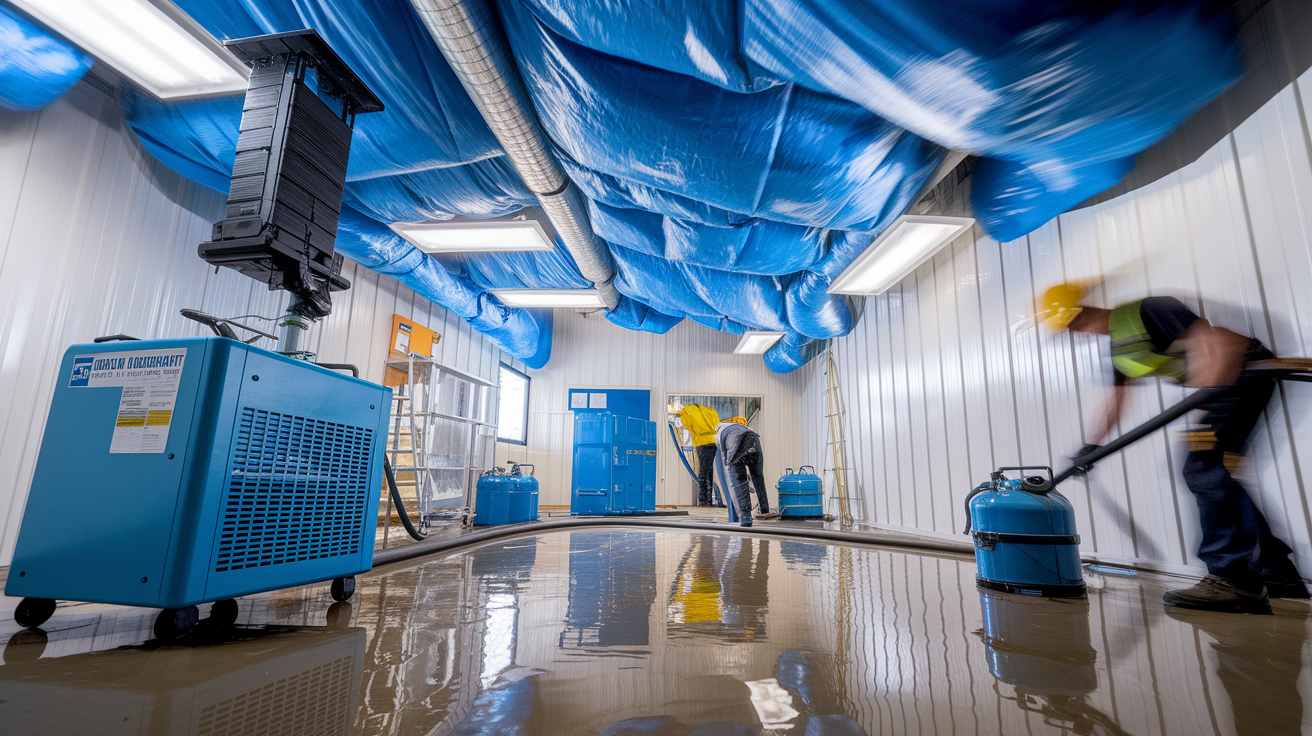
Your policy requires that you take reasonable steps to prevent additional damage once you discover wet drywall. This duty to mitigate isn’t optional. It’s a condition of coverage. Failing to act quickly can result in denied claims for secondary damage that could’ve been prevented, even if the original leak was covered.
Immediate safety measures come first. If you’re dealing with burst pipes, shut off the main water supply or individual fixture shutoff valves to stop the flow. With serious water damage near outlets, light fixtures, or electrical panels, shut off electricity to affected areas to avoid electrocution risk. Don’t wade through standing water if you suspect electrical hazards, and don’t enter rooms with sagging ceilings that could collapse.
Basic mitigation steps include extracting standing water with wet vacuums or pumps, placing fans to promote drying, removing wet materials that trap moisture (like soaked carpet padding), and opening wall cavities if water has clearly penetrated behind drywall. The goal is preventing mold growth, which can begin within 24 to 48 hours of water exposure. Mitigation costs are typically reimbursable when you keep receipts, so document everything you spend on tarps, fans, dehumidifiers, or wet vacuum rentals. Your quick action protects both your home and your insurance coverage, turning what could become a denied claim into a straightforward covered loss.
Financial Aspects: Deductibles, Depreciation, and Repair Costs

Your deductible is the out of pocket amount you pay before insurance covers the rest. If your policy has a $1,000 deductible and repairs total $4,500, you pay $1,000 and insurance pays $3,500.
One deductible applies even when the same leak damages multiple areas. A burst pipe that soaks bathroom walls, the bedroom below, and hallway drywall still counts as a single claim event, so you’re not paying multiple deductibles for damage from the same water source.
Insurance pays wet drywall claims in two stages. The initial payment uses Actual Cash Value (ACV), which is replacement cost minus depreciation based on age and wear. If your damaged drywall is 15 years old, the insurer calculates what new drywall costs, then deducts for age and use before issuing the first check. Once you complete repairs and submit final invoices, you receive Replacement Cost Value (RCV). The full amount needed to restore your home to pre-loss condition without depreciation deduction. This two payment structure ensures repairs actually happen and prevents homeowners from pocketing claim money without fixing damage.
Depreciation examples for common wet drywall scenarios:
0 to 5 years old. Minimal depreciation, often receiving 90 to 100 percent of replacement cost in initial ACV payment.
5 to 10 years old. Light depreciation of 10 to 20 percent based on condition and quality of original materials.
10 to 15 years old. Moderate depreciation of 20 to 35 percent reflecting normal aging and minor deterioration.
15+ years old. Significant depreciation of 35 to 50 percent or more, with older homes seeing larger deductions before RCV payment.
Repair costs vary based on damage extent, location, and complications. Small patches where plumbers accessed pipes run $200 to $400 including materials and paint matching. Larger sections involving full wall replacement, insulation removal, and multi coat finishing can reach $1,000 to $2,500 per room. Ceiling damage costs more than walls because working overhead increases labor time, and texture matching is harder on ceilings. When water damages insulation inside walls, costs jump because contractors must open larger sections, remove wet material, dry the cavity thoroughly, and install new insulation before closing walls.
Typical repair timelines run from water extraction through final paint. Minor damage in a single room might complete in 1 to 2 weeks once you get contractor scheduling. Moderate damage affecting multiple rooms usually takes 2 to 3 weeks, with most time spent on drying rather than repairs. Extensive damage requiring significant drywall replacement, mold remediation, or structural drying can extend to 4 to 6 weeks, especially if you need to assess and address the impact of water damage throughout your home. See our Water Damage Triage and Prevention service for comprehensive damage assessment and determining what needs replacement versus what can be salvaged.
| Damage Scope | Estimated Cost Range | Typical Timeline |
|---|---|---|
| Small patch repair | $200 to $500 | 3 to 5 days |
| Single wall section | $800 to $1,500 | 1 to 2 weeks |
| Multiple walls | $2,000 to $4,000 | 2 to 3 weeks |
| Ceiling damage | $1,500 to $3,500 | 2 to 3 weeks |
| Full room restoration | $4,000 to $8,000+ | 3 to 6 weeks |
File claims only when damage significantly exceeds your deductible. The common threshold is $5,000 or more. Smaller claims might not be worth the potential premium increase that can follow. If repairs cost $2,000 and your deductible is $1,000, you’re only getting $1,000 from insurance, and that claim goes on your record for years. You have the right to choose your own contractor and shouldn’t feel pressured to use your insurer’s preferred network. Get multiple estimates, verify licenses and insurance, and select contractors based on quality and reputation rather than insurer recommendations.
Mold Remediation Coverage from Wet Drywall Leaks

Mold coverage depends on whether it resulted from a covered peril. If a sudden pipe burst soaks your walls and mold grows within days, that’s typically covered. If a slow leak you ignored for months finally creates mold, coverage gets denied.
Standard policy mold limits range from $1,000 to $25,000 when the mold results from covered water damage. These limits apply to testing, containment, removal, and disposal of contaminated materials. Basic surface mold on drywall might cost $500 to $2,000 to remediate and stays well within standard limits. Extensive mold growth requiring wall cavity cleaning, HEPA filtration, and antimicrobial treatment can exceed $10,000, potentially hitting your policy cap.
The 24 to 48 hour window is critical for preventing mold growth. Water soaked drywall and insulation create perfect conditions for spores to multiply. Every hour you wait increases the chance that minor water damage becomes a mold problem that complicates your claim and extends your timeline.
Enhanced mold endorsements increase coverage limits from standard $1,000 to $10,000 to $25,000 to $100,000, which matters when dealing with toxic black mold requiring professional remediation. Surface mold can often be cleaned with basic antimicrobial solutions and drying. Black mold (Stachybotrys chartarum) requires containment barriers, negative air pressure, protective equipment, and careful disposal procedures that quickly reach five figure costs. If you live in a humid climate or have had prior moisture issues, the enhanced mold endorsement costs $50 to $150 annually and can save you tens of thousands if wet drywall triggers extensive growth.
Additional Coverage Options and Policy Enhancements for Water Damage

Standard policies have limitations, and optional endorsements provide expanded protection for modest additional premiums. Most homeowners discover coverage gaps only after filing a claim and learning certain damage types aren’t included.
The value proposition is straightforward: pay $100 to $300 extra per year to avoid $10,000 to $50,000 in uncovered damage. Enhanced coverage makes sense when your home has aging plumbing, you live in areas with heavy storms, or you’ve experienced water damage previously.
Valuable endorsements to consider:
Water backup and sump pump overflow coverage. Protects against water that backs up through drains, toilets, or sump pumps, covering damage that standard policies exclude, typically adding $40 to $100 annually to premiums.
Enhanced mold remediation limits. Increases mold coverage from standard $1,000 to $10,000 to $25,000 to $100,000, essential for homes in humid climates or with prior moisture issues.
Replacement cost (no depreciation) endorsements. Eliminates depreciation calculations on roofs and other components regardless of age, meaning you receive full replacement cost immediately rather than waiting to submit final invoices.
Ordinance and law upgrade coverage. Pays additional costs to bring repairs up to current building codes when local requirements have changed since your home was built, covering expenses standard policies exclude.
Additional living expenses extensions. Expands coverage for hotel stays, restaurant meals, and storage costs if water damage forces you out temporarily, increasing both dollar limits and time periods beyond standard policy terms.
Review your policy annually to ensure coverage keeps pace with home improvements, aging systems, and changing risk factors. The roof that was new when you bought the house is 15 years older now and faces higher depreciation. The finished basement you added creates new water damage exposure. Regular policy reviews with your agent identify gaps before you discover them during a claim.
Working with Insurance Adjusters and Professional Restoration Companies

Multiple professionals get involved in wet drywall claims, and understanding each role protects your interests and ensures damage gets properly repaired.
Insurance Company Adjusters
Company adjusters work for your insurance carrier, not for you. Their job is assessing damage scope, determining what’s covered under policy terms, and calculating appropriate payout amounts. They’re not adversaries, but they do represent the company’s financial interests. Adjusters inspect damage, take photos and moisture readings, review your documentation, and prepare reports recommending claim approval or denial. Good adjusters are fair and thorough. Others may underestimate damage or overlook hidden moisture that will cause problems later. Always get your own contractor estimates to compare with adjuster assessments.
Public Adjusters and Independent Representation
Public adjusters work for you, not the insurance company, and they can be valuable when dealing with large claims, disputes over coverage, or outright denials. They typically charge 5 to 15 percent of your final settlement, earning money only when you get paid. That fee structure aligns their interests with yours. They want to maximize your payout. Consider hiring a public adjuster when damage exceeds $10,000, when your initial settlement offer seems unreasonably low, when the insurance company denies a claim you believe should be covered, or when damage is complex and you lack time to manage the process yourself. They handle documentation, negotiate with adjusters, and ensure nothing gets missed during damage assessment.
Professional water restoration companies with proper equipment are essential for thorough drying and preventing secondary damage. Don’t attempt major water extraction and drying yourself. Restoration professionals use industrial pumps, commercial dehumidifiers, thermal imaging to find hidden moisture, and moisture meters to verify drywall is actually dry, not just surface dry. They place air movers strategically to create airflow behind walls and under flooring. They monitor humidity levels and adjust equipment daily. Restoration quality affects both claim approval and long term home protection. Shortcuts during drying lead to mold, warped framing, and recurring problems that cost more than professional service would’ve.
Preventive Maintenance to Protect Both Your Home and Insurance Coverage
Documented maintenance protects coverage by proving sudden damage versus neglect. When adjusters investigate claims, they look for evidence that you maintained your home responsibly. A maintenance log with dated photos showing regular upkeep becomes powerful evidence that this week’s burst pipe was truly sudden, not the result of ignored warning signs.
The ROI of preventive maintenance is significant. An annual $200 roof inspection can identify small issues before they become $8,000 wet drywall claims. A $150 plumbing check can catch corroding pipes before they fail and flood your home. Regular HVAC service prevents condensation line clogs that drip onto ceilings for months before you notice damage. Every dollar spent on prevention potentially saves ten dollars in repairs, and documented prevention protects your coverage when unexpected failures do occur.
Seasonal maintenance priorities organized by timing:
Spring
Schedule professional roof inspection after winter weather. Clean gutters and downspouts, ensuring water flows away from foundation. Trim overhanging branches that could damage roof during storms. Check attic for signs of roof leaks or ice dam damage from winter.
Summer
Verify attic ventilation is working properly to prevent heat and moisture buildup. Inspect roof flashing around chimneys, vents, and skylights for gaps or deterioration. Test sump pump operation before summer storm season. Check washing machine and dishwasher supply lines for wear or bulging.
Fall
Clear gutters of leaves before winter precipitation. Inspect and secure any loose or damaged shingles. Check caulking around windows and doors for gaps where water could enter. Drain and winterize outdoor faucets and irrigation systems.
Winter
Monitor attic insulation to confirm it’s adequate for preventing ice dams. Check for ice dam formation and address ventilation or insulation issues promptly. Keep emergency gear accessible including tarps, rope, buckets, and fans for immediate leak response. Maintain heat in all areas of home to prevent pipe freezing in exterior walls or unheated spaces.
Final Words
Wet drywall from leak insurance coverage hinges on one critical factor: sudden and accidental damage gets covered, gradual deterioration doesn’t.
Your job is to stop the water fast, document everything thoroughly, and notify your insurer within 24 hours.
The distinction between a covered peril and excluded maintenance neglect determines whether you’re filing a claim or paying out of pocket. Keep maintenance logs with dated photos. They’re your best evidence that damage was sudden, not something you ignored.
Most claims get approved or denied during that first adjuster visit within 48 to 72 hours. Be prepared, be thorough, and don’t hesitate to ask questions if something doesn’t make sense.
FAQ
Does insurance cover wet walls?
Insurance covers wet walls when the water damage results from a sudden and accidental event like a burst pipe or storm damage. Coverage does not apply to gradual leaks, wear and tear, poor maintenance, or flood water, which require separate policies.
How long after water damage can you claim on insurance?
You should file a water damage claim within 24 hours of discovering the problem to protect your coverage eligibility and prevent additional damage. Most policies require prompt notification, and delays can lead to denial or coverage questions about when damage actually occurred.
How do I make a successful water leak insurance claim?
A successful water leak insurance claim requires immediate notification within 24 hours, thorough photo and video documentation before cleanup, professional contractor estimates, and proof that damage resulted from a sudden covered event rather than gradual neglect. Keep all receipts for emergency mitigation expenses and preserve damaged materials until the adjuster inspects them.
What is the most common damage to your home that insurance does not cover?
Flood damage from external water sources is the most common exclusion from standard homeowners insurance and requires a separate flood insurance policy. Gradual damage from deferred maintenance, wear and tear, foundation settling, and pest damage are also routinely excluded from coverage.
What types of plumbing leaks does homeowners insurance cover for wet drywall?
Homeowners insurance covers wet drywall from sudden plumbing failures like burst pipes from freezing, water heater ruptures, appliance supply line breaks, and accidental fixture overflows. Coverage applies only to unexpected events, not gradual seepage or maintenance-related failures.
How does depreciation affect my wet drywall insurance payout?
Depreciation reduces your initial insurance payout based on the age of damaged materials, with older systems receiving lower Actual Cash Value payments. You receive the full Replacement Cost Value after completing repairs and submitting final invoices to recover the depreciation holdback amount.
When does insurance cover mold from wet drywall?
Insurance covers mold remediation from wet drywall when the mold resulted from a covered sudden water event and you acted quickly to mitigate damage. Standard policies typically limit mold coverage to $1,000-$25,000, though enhanced endorsements can increase limits to $25,000-$100,000 for additional premium costs.
Do I need to use my insurance company’s preferred contractor for drywall repairs?
You have the right to choose your own contractor for drywall repairs and cannot be forced to use your insurer’s preferred network. Wait for insurer authorization before beginning restoration work to ensure repairs are factored into your total claim value.
What emergency steps am I required to take after wet drywall damage?
You must immediately stop the water source, shut off electricity if needed, remove standing water, and begin drying to prevent additional damage per standard policy terms. Keep all receipts from these mitigation efforts as they are typically reimbursable through your insurance claim.
How much does wet drywall repair typically cost?
Wet drywall repair costs range from $200-$500 for small patches to $5,000-$15,000 for full room restoration depending on damage extent, wall versus ceiling location, insulation involvement, and paint matching requirements. File insurance claims only when damage significantly exceeds your deductible, typically around $5,000 or more.
What documentation do I need for a wet drywall insurance claim?
You need timestamped photos and videos of all damage, professional moisture meter readings, licensed contractor written assessments connecting the covered event to drywall damage, repair cost estimates, and receipts for emergency mitigation expenses. Preserve all damaged materials until the adjuster completes their inspection.
Does insurance pay for additional living expenses if wet drywall forces me out of my home?
Insurance pays for additional living expenses like temporary housing and meal costs if water damage makes your home uninhabitable during repairs under your policy’s Additional Living Expenses clause. Coverage duration and limits depend on your specific policy terms and the time needed for restoration.