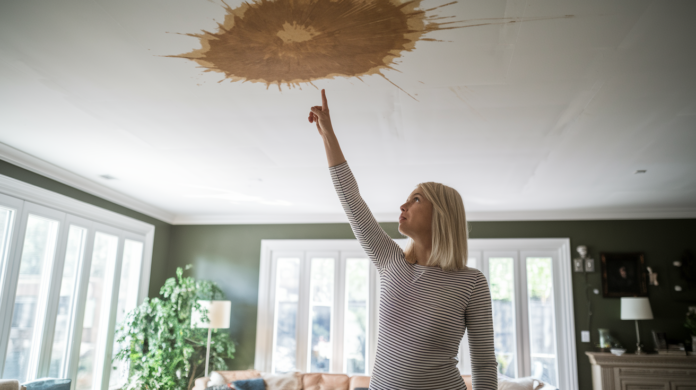

Your water bill doesn’t lie. A sudden spike with no change in how much you’re actually using? That’s not a billing error. That’s water escaping somewhere you can’t see, and it’s been happening longer than you think. Most hidden leaks drip quietly for weeks before you notice a stain, a smell, or a soft spot under your feet. By then, you’re not just fixing a leak. You’re repairing damage that spread while the problem stayed hidden. Catching the early signs means you stop the leak before it costs you thousands in repairs, ruined materials, and mold cleanup.
The Most Common Hidden Water Leak Indicators Every Homeowner Should Know

The three biggest signs of a hidden water leak? An unexplained spike in your water bill, musty smells in rooms that should be dry, and yellow or brown stains showing up on your walls or ceilings. Notice any of these and you’ve probably got water hiding somewhere it shouldn’t be.
Hidden leaks are tricky because they happen behind walls, under floors, or inside your plumbing where you can’t see them. By the time something looks wrong, the leak might’ve been active for weeks. Maybe months. That’s why catching early signs matters. You can save yourself thousands in water damage, structural repairs, and mold cleanup.
Watch for:
Unexplained jump in your water bill. Your usage hasn’t changed, but suddenly you’re paying way more.
Musty or stale smells in dry rooms. Odors that stick around in living rooms, bedrooms, or closets that should stay dry.
Water stains or discoloration. Yellow, brown, or copper colored rings on ceilings, walls, or floors.
Warped, buckled, or spongy flooring. Hardwood swelling, laminate lifting, or carpet feeling damp and soft when you walk on it.
Sound of running water when nothing’s on. Trickling, hissing, or gurgling behind walls when all fixtures are off.
Reduced water pressure. Showers or faucets that suddenly deliver less water than normal.
Peeling or bubbling paint and wallpaper. Surface finishes that blister, peel, or feel damp when you touch them.
Soft or sagging drywall. Walls or ceilings that feel spongy or show bulging areas.
New or widening foundation cracks. Especially in basements, where water weakens soil and causes structural shifts.
Wet spots with no obvious source. Puddles in basements, soggy patches in carpet, or damp areas under sinks.
Visible mold growth. Black, green, or white patches on walls, ceilings, or floors in areas that should be dry.
Water meter keeps running. Even when you’ve shut off every fixture in the house.
When you see multiple signs showing up together, don’t wait. The longer a leak goes undetected, the more damage it causes. What starts as a small drip turns into ruined drywall, soaked insulation, damaged flooring, compromised supports, and serious mold. Waiting just makes the repair more expensive and more invasive.
How Your Water Bill Reveals Hidden Plumbing Leaks

Your water bill’s often the first clue that something’s leaking. If your bill jumps without any change in how much water you’re using, you’re probably losing water somewhere. No extra guests. No new appliances. Same daily routine. But the bill keeps climbing.
An “unexplained” increase means your usage patterns haven’t changed, but your water consumption has. Maybe you’re using the same amount in the kitchen, bathrooms, and laundry room, but suddenly you’re paying 20 or 30 percent more. That extra water’s going somewhere. Even a small leak wastes thousands of gallons over time. A toilet with a faulty flapper wastes 200 gallons per day without making a sound. A pinhole leak in a supply line drips steadily for months before you see visible damage.
One in every 10 homes has a leak right now. Some of those leaks waste 90 gallons or more every single day. That adds up fast on your bill and puts unnecessary stress on your plumbing.
Here’s how to use your water bill to detect a hidden leak:
Compare your current bill to the same month last year. Look for usage increases that don’t match seasonal changes or household activity.
Calculate the percentage increase. A jump of 15 percent or more without explanation deserves investigation.
Rule out seasonal variations. Summer lawn watering and winter holiday guests can increase usage legitimately, but if your patterns haven’t changed, neither should your bill.
Establish your baseline usage. Track your water usage for a few months to understand what’s normal for your household, then watch for deviations.
Physical Damage Indicators: Walls, Floors, Ceilings, and Foundations

Physical damage to your home’s surfaces is some of the most visible proof that water’s leaking somewhere hidden. When moisture builds up behind walls, under floors, or above ceilings, it eventually shows itself through discoloration, warping, and material breakdown.
Wall and Ceiling Damage Indicators
Water stains on walls and ceilings are telltale signs. You’ll see yellow, brown, or copper colored rings that spread slowly outward. Sometimes the stain’s just a faint discoloration at first. Other times it’s dark and obvious. If the leak continues, paint and wallpaper start to fail. You’ll notice peeling, bubbling, or blistering as moisture seeps into the materials. The surface may feel damp or soft.
Drywall texture changes too. Press gently on a stained area. If it feels soft, spongy, or gives under light pressure, water’s saturated the material. Ceilings can sag or bulge when drywall gets waterlogged. What starts as minor discoloration can progress to serious structural compromise if the framing behind the drywall stays wet long enough.
Flooring Problems Across All Material Types
Hardwood and laminate flooring react quickly to moisture. Boards warp, buckle, or cup. You’ll see swelling along the edges or gaps opening up between planks. Discoloration and dark spots appear where water’s soaked in. Walk across the floor. If it feels uneven or the boards move under your weight, there’s moisture underneath.
Tile and grout give different clues. Tiles come loose when the adhesive fails from moisture exposure. Grout cracks or crumbles. Walk on the tile. If you hear a hollow sound or feel tiles shift slightly, water may have compromised the underlayment. White, chalky deposits (efflorescence) on tile or grout mean water’s moving through the material and bringing minerals to the surface.
Carpet hides damage until it’s advanced. Damp spots, musty smells, staining, and a spongy feeling underfoot all point to water leaking from below. If you have carpet over a concrete slab, soggy areas often mean a slab leak’s pushing water up through the foundation and into your flooring and padding.
Foundation and Basement Warning Signs
Water leaking beneath your home erodes the soil around and under your foundation. That causes the ground to shift, and your foundation moves with it. You’ll see cracks form or existing cracks widen. Horizontal cracks, stair step cracks in block foundations, and widening gaps all indicate water’s compromising the structure.
Basements show specific signs. Pooling water on the floor. Efflorescence (white mineral stains) on concrete walls. Damp concrete that never fully dries. If your basement smells musty or you see moisture creeping up from the floor, water’s getting in from somewhere.
Crawl Space Moisture Problems
Crawl spaces are easy to forget, but they’re common sites for hidden leaks. Standing water, dampness, and condensation on pipes all indicate moisture problems. If you have access to your crawl space, check it regularly. Wet insulation, damp soil, or mold growth on floor joists mean water’s accumulating.
Flooring damage means you need to act now. Slab leaks and supply line problems under floors require professional attention before they cause major structural issues. Foundation cracks represent serious threats that need a professional assessment. The longer you wait, the more unstable your home becomes.
Sounds and Sensory Clues That Indicate a Water Leak

Your ears and nose can detect leaks your eyes can’t see. Running water sounds and musty odors often reveal hidden moisture problems before visible damage appears.
Listen for the sound of running water when all your fixtures are off. Trickling, hissing, gurgling, or dripping behind walls or under floors means water’s moving where it shouldn’t. These sounds can be faint, so you’ll need a quiet house to hear them.
Turn off every faucet, shower, toilet, washing machine, and dishwasher. Walk through your home and listen near walls, floors, and ceilings. Check bathrooms, kitchens, laundry rooms, and utility areas. Pay attention at night when background noise is minimal. If you hear water moving, you’ve found your leak area.
Musty odors smell damp, stale, and earthy. Some people describe it as a wet towel that’s been sitting too long or the smell of old books. You’ll notice these odors most in basements, bathrooms, behind appliances, and in closets. The smell comes from mold and mildew growing in hidden moisture. Where there’s mold, there’s water. Where there’s water, there’s likely a leak.
Persistent odors in normally dry areas are especially concerning. If your living room, bedroom, or hallway smells musty, water’s hiding behind walls or floors. Mold needs moisture to grow, and a hidden leak provides steady water to feed it.
Not all leaks make noise. Many hidden leaks are completely silent. They drip slowly inside walls or under slabs without any sound you can detect. But if you do hear running water or smell mustiness, you’ve got strong confirmation that moisture’s accumulating somewhere it shouldn’t be. Those clues give you a starting point to investigate further.
Water Pressure and Plumbing System Performance Changes
Reduced water pressure is a clear sign that something’s wrong with your plumbing. When a pipe leaks, it diverts water away from your fixtures. Instead of all the water reaching your showerhead or faucet, some of it escapes through the leak. The result? Weaker flow at the fixture.
If a single fixture suddenly loses pressure, the problem’s likely isolated to that fixture’s supply line or connection. But if your whole house experiences reduced pressure, you’re probably dealing with a leak in a main supply line somewhere between the meter and your home. That’s a bigger problem that needs professional attention.
Other performance changes can signal hidden leaks too. Discolored water, especially rust colored or murky water, can indicate pipe corrosion. Faucets that sputter or deliver inconsistent flow may be getting air in the lines from a leak. Water temperature that fluctuates or won’t stay consistent can point to a leak in a hot water supply line.
| Symptom | Likely Leak Location | Urgency Level |
|---|---|---|
| Sudden, significant pressure drop throughout house | Main water line between meter and house | High, needs immediate professional inspection |
| Gradual pressure decline over weeks or months | Aging pipes with multiple small leaks or corrosion buildup | Moderate, schedule inspection soon |
| Single fixture affected (shower, sink, etc.) | Supply line or connection specific to that fixture | Low to moderate, can often be repaired quickly |
| Discolored or rusty water from multiple fixtures | Corroded pipes leaking internally or introducing sediment | Moderate, indicates pipe degradation |
| Inconsistent hot water temperature or pressure | Hot water supply line leak or water heater issue | Moderate, affects comfort and may indicate larger problem |
DIY Water Leak Detection Methods You Can Try Today
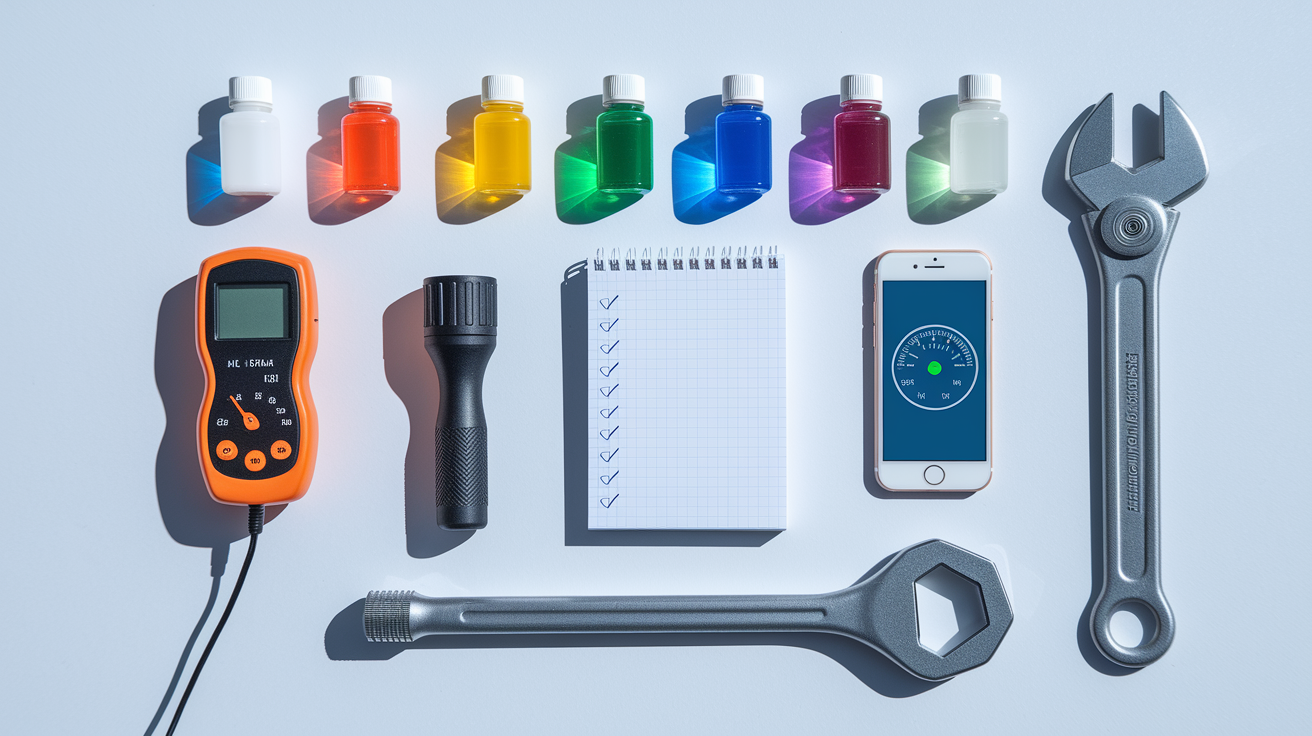
You can perform basic leak detection on your own before calling a plumber. These methods help confirm your suspicions and give you useful information to share with a professional if you need one.
Start with simple checks. You don’t need special equipment for most of these steps. What you learn will either give you peace of mind or confirmation that it’s time to call for help.
Here are the detection steps to try:
Water meter test. Shut off every fixture and appliance that uses water. Write down your meter reading. Don’t use any water for one to two hours. Check the meter again. If it moved, you have a leak somewhere.
Toilet dye test. Add a few drops of food coloring to the toilet tank. Wait 15 minutes without flushing. If color appears in the bowl, the flapper’s leaking.
Moisture meter checks. If you have a moisture meter (or can borrow one), use it on walls, ceilings, and floors in suspected areas. High readings confirm moisture’s present.
Inspect exposed pipes. Look under every sink, behind every toilet, and around your water heater. Check for drips, corrosion, water stains, or damp areas.
Check appliance connections. Examine the water supply lines and drain connections for your washing machine, dishwasher, and refrigerator ice maker. Look for dampness, rust, or mineral deposits.
Inspect bathroom fixtures. Check the toilet base seal (look for water on the floor around the toilet). Examine the shower pan, tub overflow drain, sink supply lines, and the area around behind wall shower valves.
Examine kitchen areas. Check under the kitchen sink for supply and drain leaks. Inspect the dishwasher supply line and drain connection. Look at the refrigerator ice maker line and the garbage disposal connections.
Inspect water heater and laundry room. Look for water pooling around the water heater tank. Check the pressure relief valve. Examine washing machine hoses for cracks, bulges, or leaks. Look at the drain standpipe for signs of overflow or backup.
Check walls, ceilings, and attic spaces. Look for stains, soft spots, or discoloration. In the attic, inspect supply line connections and HVAC condensate drain lines. Walk through your home and feel the floor. Warm spots on floors can indicate hot water supply line leaks in walls, ceilings, or under the foundation.
Monitor outdoor spigots and irrigation. Turn on outdoor faucets and watch for leaks at the spigot or connection point. If you have an irrigation system, run each zone and look for soggy spots, pooling water, or unusually green patches in the yard.
Bathroom Hidden Leak Points
Bathrooms have more leak prone connections than any other room. The toilet base seal can fail, allowing water to seep out every time you flush. Shower pans crack over time, especially in older homes. Tub overflow drains can leak if the gasket fails. Sink supply line connections loosen or corrode. Behind wall shower valves develop leaks that you won’t see until water damages the wall.
Kitchen Leak Prone Areas
Under the kitchen sink, check both supply connections and the drain assembly. The drain basket seal can fail, and P trap connections can loosen. Dishwashers have a supply line (usually connected to the hot water under the sink) and a drain line. Both can leak. Refrigerator ice maker lines are thin plastic or copper tubes that can crack or develop pinhole leaks. Garbage disposal connections sometimes loosen and drip.
Water Heater and Laundry Room Concerns
Water heaters develop tank leaks as they age. The pressure relief valve can drip or spray water. Washing machine supply hoses fail suddenly, sometimes catastrophically. The drain standpipe can overflow if the drain is slow. Check the floor around these appliances regularly.
Walls, Ceilings, and Attic Spaces
Supply line connections hidden inside walls can develop leaks at joints or from pinhole corrosion. HVAC systems produce condensation that drains through a dedicated line. If that line clogs or disconnects, water drips inside your walls or ceilings. Warm spots on floors, especially over unheated spaces like crawl spaces or garages, often reveal hot water supply line leaks. Also, make sure a ceiling stain’s actually a plumbing leak and not a roof leak. Check the attic after rain to rule out roof issues.
Underground and Outdoor Hidden Leaks
Slab leaks happen when pipes under your concrete foundation corrode or break. Main line breaks occur between the street and your home. Tree roots invade water lines, especially older clay or cast iron pipes. Service lines corrode over time. Irrigation systems develop leaks at valve connections, sprinkler heads, or underground pipes. Outdoor spigots can leak at the connection inside the wall. These leaks are harder to spot because they’re underground or hidden in landscaping.
DIY detection has limits. When a leak’s behind a wall, under a concrete slab, or buried underground, you need professional equipment to locate it. Infrared cameras, acoustic sensors, and pressure testing reveal problems you can’t see or reach. But understanding common leak locations helps you conduct better visual inspections and gives you a clearer picture of where to start looking.
When to Call a Professional Plumber for Hidden Leak Detection

Some situations require professional equipment and expertise. DIY methods only go so far when a leak’s completely hidden or buried deep in your home’s structure.
Call a licensed plumber when:
Multiple signs are present but you can’t find the leak. You’ve checked everywhere you can reach, but the source is still a mystery.
The leak’s suspected behind walls, under a concrete slab, or in inaccessible areas. These locations require specialized tools to confirm and locate leaks without demolition.
Your water meter test confirms a leak but no visible source exists. Something’s leaking, but you have no idea where.
Foundation or structural damage is present. Cracks, shifting, or compromised supports need professional assessment.
Mold growth is extensive or health symptoms have developed. Respiratory issues, allergies, or visible mold covering large areas require remediation and leak repair.
Water pressure problems affect the whole house. Whole home pressure loss suggests a main line issue.
The leak’s in the main water line between the meter and your house. This is utility side work that often requires excavation and specialized repair.
Previous DIY repairs have failed. If you’ve tried to fix it and the problem persists, it’s time to bring in a pro.
Professional plumbers use technology you don’t have access to. Infrared cameras detect temperature differences in walls and floors caused by water leaks. Acoustic listening devices pick up the sound of water escaping from pipes, even when it’s too faint for human ears. Thermal imaging shows moisture patterns hidden behind surfaces. Pressure testing isolates sections of your plumbing system to pinpoint exactly where the leak is.
The benefit of professional service goes beyond just finding the leak. A licensed plumber inspects your entire plumbing system, identifies other potential problems, and explains what’s happening in terms you can understand. You avoid unnecessary demolition. Instead of cutting open walls or floors to search for a leak, a professional locates it precisely before making any cuts. That saves you money, time, and a lot of mess. The repair’s done right the first time, and you get peace of mind knowing the problem’s actually solved.
What Causes Pipes to Leak Inside Walls and Under Floors
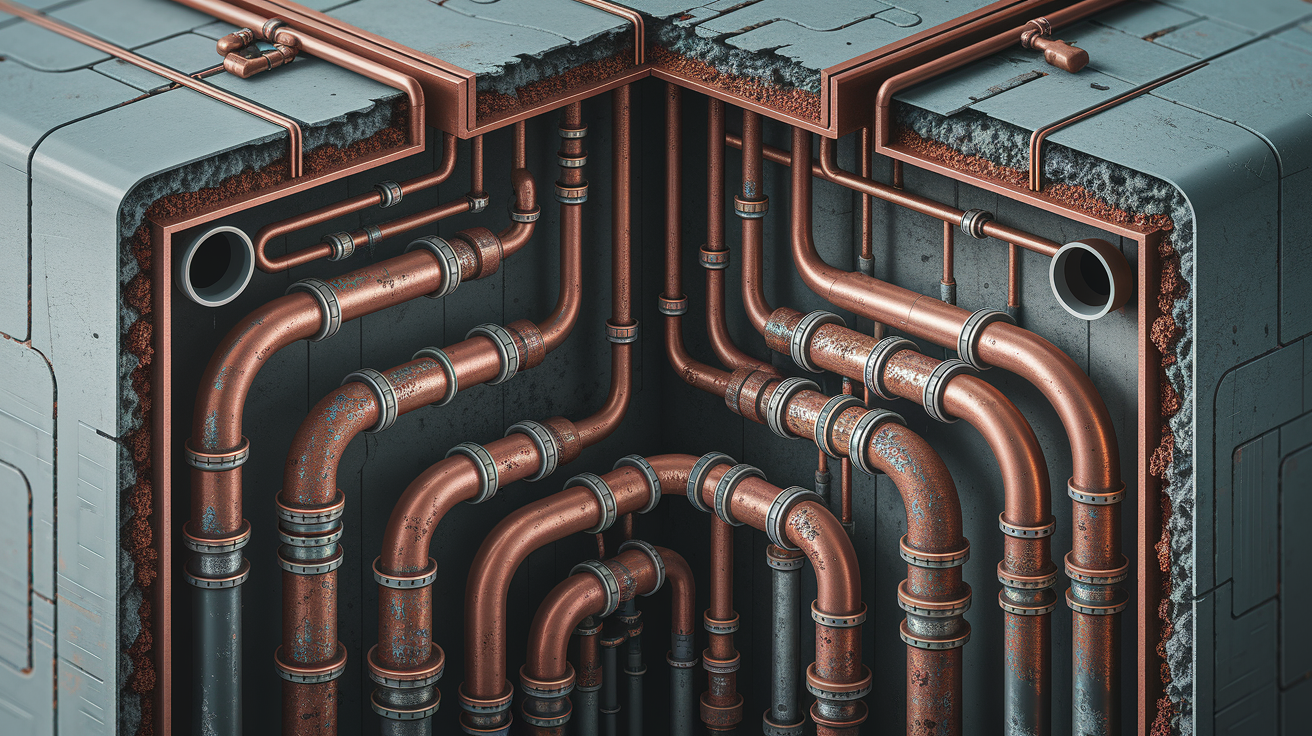
Understanding why pipes leak helps you prevent future problems and recognize risk factors in your own home. Leaks don’t just happen randomly. They have causes.
Pipe aging and material degradation are the most common reasons. Galvanized steel pipes corrode from the inside out. Over decades, rust and mineral buildup narrow the pipe opening and weaken the walls until they rupture. Copper pipes develop pinhole leaks from corrosion, especially when water chemistry is acidic. Joints and connections fail as solder weakens or compression fittings loosen. If your home was built before 1970 and still has original plumbing, your risk of hidden leaks is higher.
High water pressure puts stress on every pipe, joint, and fixture in your home. When pressure exceeds 80 PSI, it forces water through connections with more force than they’re designed to handle. Over time, that stress causes fittings to loosen, seals to fail, and weak spots in pipes to rupture. If you notice loud banging when you shut off faucets (called water hammer), your pressure’s likely too high.
Temperature swings cause pipes to expand and contract. In cold climates, frozen pipes burst when water inside them freezes and expands. But even in moderate climates, repeated heating and cooling cycles stress pipe joints. Hot water pipes expand when water flows through them and contract when the water cools. That constant movement can loosen connections and create leaks at joints over time.
Poor installation or shoddy workmanship leads to leaks that show up months or years later. Improper connections, inadequate pipe support, wrong materials for the application, and over tightened fittings all cause premature failure. If a previous owner or an unlicensed handyman did plumbing work, it’s worth having a professional inspect it.
Chemical corrosion from water chemistry and soil conditions affects buried pipes. Acidic water eats away at copper. Alkaline water deposits minerals that clog pipes and create pressure points. Soil with high clay content or high moisture holds water against buried pipes and accelerates corrosion. Tree roots seek out moisture and invade any crack or joint they find in underground pipes.
The Real Cost of Ignoring Hidden Water Leaks
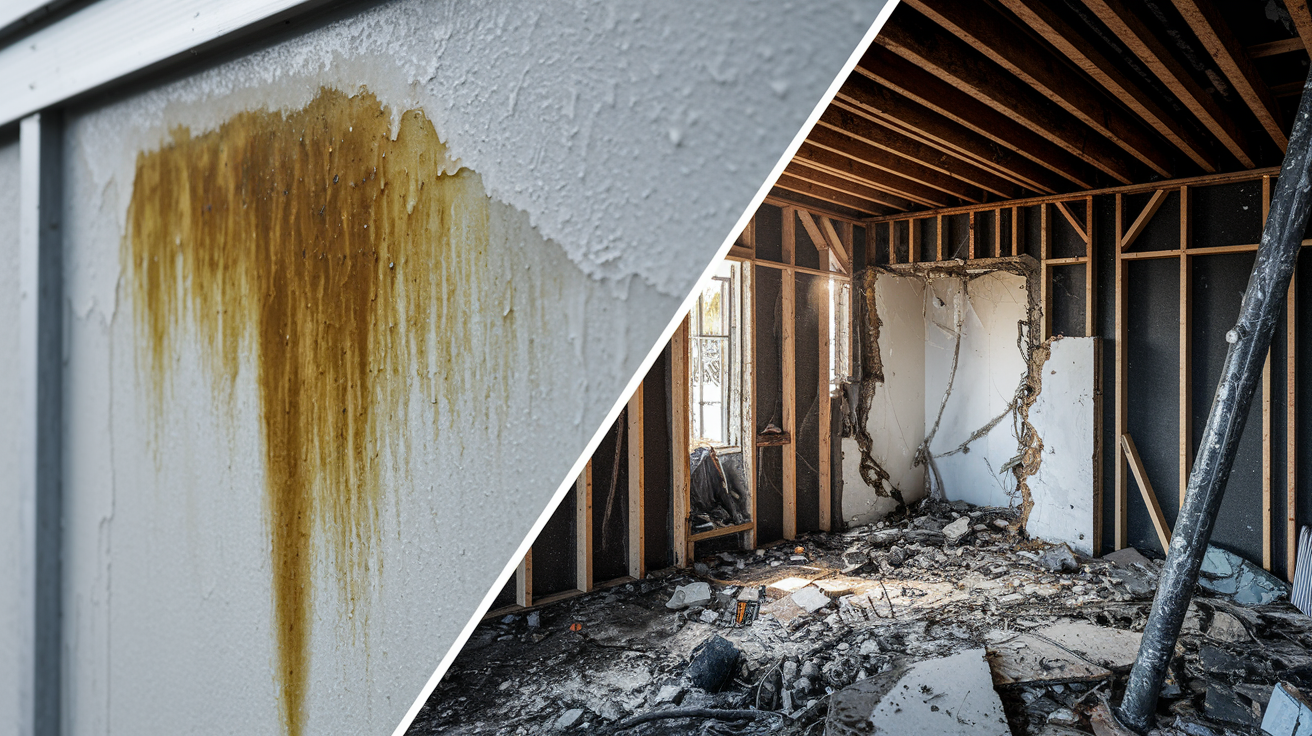
A small leak turns into a big problem fast. What starts as a minor drip escalates into serious damage when you ignore it. The timeline matters.
In the first few days or weeks, you’re losing water and paying for it on your bill. The leak may cause minor staining or dampness. At this stage, fixing it’s straightforward and relatively inexpensive. But if you don’t catch it, the damage progresses. Drywall absorbs moisture and weakens. Insulation gets soaked and loses its effectiveness. Wood framing stays wet and invites mold growth. Within a few months, you’re looking at significant secondary damage that costs far more to repair than the leak itself.
Property value takes a hit when water damage or mold is present. Buyers notice stains, smells, and soft spots. Even after repairs, a history of water damage can make it harder to sell your home or lower the price you can ask. Insurance companies may deny claims if they determine the damage resulted from long term neglect rather than a sudden failure. If you knew about the leak and didn’t fix it, your policy might not cover the repairs.
Health costs and quality of life impacts add up too. Mold exposure causes respiratory issues, allergies, headaches, and fatigue. Kids and people with compromised immune systems are especially vulnerable. Living in a home that smells musty, feels damp, or shows visible mold affects your daily comfort and peace of mind.
| Damage Type | Timeline | Estimated Cost Range |
|---|---|---|
| Immediate leak repair (pipe, fitting, or fixture replacement) | Same day or within a few days | $150 to $500 |
| Drywall replacement (cutting out damaged sections, patching, repainting) | After a few weeks of undetected leak | $300 to $1,200 |
| Flooring damage (replacing hardwood, laminate, tile, or carpet) | After several weeks to months | $1,000 to $5,000+ |
| Mold remediation (removing contaminated materials, treating surfaces) | After several weeks of moisture exposure | $500 to $6,000+ |
| Structural repairs (replacing rotted framing, joists, or supports) | After months of prolonged moisture | $2,000 to $10,000+ |
| Total cost with secondary damage (leak repair plus all related damage) | Several months of neglect | $4,000 to $20,000+ |
Preventing Hidden Water Leaks: Maintenance and Monitoring
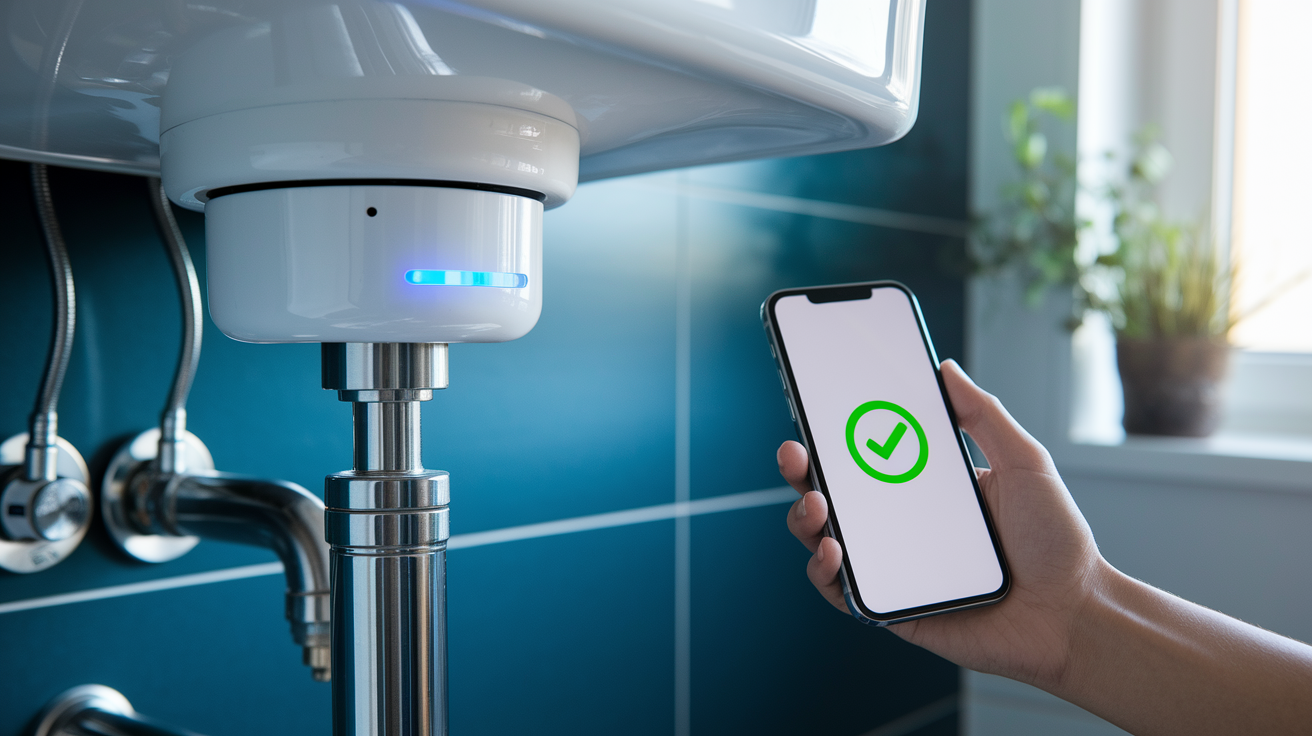
Prevention costs a fraction of what repair does. A proactive maintenance plan keeps small issues from turning into hidden leaks. It’s about combining regular inspections, smart technology, and good habits.
Catching problems early is easier and cheaper than dealing with damage after it’s already happened. Most leaks give warning signs before they become serious. If you’re checking regularly, you’ll see those signs and act before water causes major harm. For more comprehensive strategies, check out how to prevent water damage in your home.
Here’s your prevention checklist:
Schedule annual professional plumbing inspections. A licensed plumber spots problems you miss, checks hidden connections, and tests your system under pressure.
Perform seasonal visual checks. Walk through your home every few months and inspect exposed pipes, fixtures, and appliances for signs of wear, corrosion, or dampness.
Monitor water bills monthly. Track your usage and investigate any unexplained increases immediately.
Install water leak detection sensors. Place battery powered sensors under sinks, behind toilets, near water heaters, and in basements or crawl spaces. They’ll alert you to moisture before damage spreads.
Replace washing machine hoses every five years. Rubber hoses degrade over time and can burst without warning. Braided stainless steel hoses are more durable.
Test water pressure and install a regulator if needed. Buy a pressure gauge at any hardware store and test your pressure at an outdoor spigot. If it’s above 80 PSI, install a pressure reducing valve.
Know the age and material of your home’s pipes. If you have galvanized steel pipes over 40 years old, consider repiping before they fail.
Insulate pipes in unheated areas. Pipes in attics, crawl spaces, garages, and exterior walls need insulation to prevent freezing in cold weather.
Maintain proper home humidity levels. Keep indoor humidity between 30 and 50 percent to reduce condensation and moisture buildup that can hide plumbing problems.
Keep trees and shrubs away from water and sewer lines. Plant trees at least 10 feet away from underground pipes. Roots seek moisture and will invade any crack or joint they find.
For more on these and other issues, see common plumbing problems homeowners face to understand what regular maintenance can prevent. Smart home leak detection systems and automatic shut off valves offer advanced protection. These systems monitor water flow in real time, detect unusual patterns, and shut off your main water supply automatically when they sense a leak. They connect to your phone and send alerts immediately. While they’re an investment, they provide 24/7 protection and peace of mind, especially if you travel frequently or own a second home.
Final Words
Hidden leaks rarely fix themselves, and the longer they go unnoticed, the worse the damage gets. That’s just how it is.
If you’re seeing multiple signs of hidden water leak in house scenarios, unusual water bills, musty smells, ceiling stains, or sounds you can’t explain, start with the simple checks. Test your meter. Look under sinks. Check the soft spots.
When you can’t locate the source or things feel out of your depth, call someone who can. We’ll find it, stop it, and make sure it doesn’t come back.
Your home’s worth protecting.
FAQ
How can you check for hidden water leaks in your home?
You can check for hidden water leaks in your home by performing a water meter test (shut off all fixtures, record the meter reading, wait two hours without using water, then check if the meter moved), conducting visual inspections of exposed pipes under sinks and around appliances, using a moisture meter on walls and floors in suspected areas, performing toilet dye tests, and listening for running water sounds when all fixtures are off.
How long can a water leak go unnoticed?
A water leak can go unnoticed for weeks or even months before visible signs appear, especially when the leak occurs behind walls, under floors, or within the plumbing system where homeowners cannot see it. The longer a leak remains undetected, the worse the damage becomes to drywall, insulation, flooring, and foundation, leading to costly repairs and potential mold growth.
How can you tell if you have an underground water leak?
You can tell if you have an underground water leak by noticing soggy spots in your yard, unusually green patches of grass, pooling water on the ground surface, a sudden drop in water pressure throughout the house, or the water meter continuing to run when all fixtures are turned off. Underground leaks are harder to detect and typically require professional knowledge and specialized equipment to locate accurately.
How do plumbers detect leaks in walls?
Plumbers detect leaks in walls using specialized equipment including infrared cameras that reveal temperature differences caused by moisture, acoustic listening devices that pick up the sound of water escaping from pipes, and thermal imaging technology that identifies wet areas behind surfaces. These professional tools allow plumbers to locate hidden leaks accurately without unnecessary cutting or demolition of walls.