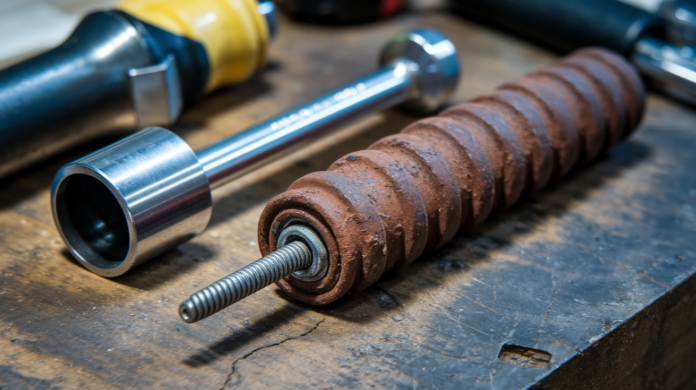

Most water heater tanks fail not because they’re old, but because one small part stopped doing its job and nobody noticed. That part is your anode rod, and ignoring it can turn a fifty dollar fix into a two thousand dollar emergency. The good news is your water heater gives clear warning signs before the tank corrodes through. Rust colored water, rotten egg smells, and popping sounds all point to a failing anode rod. Here’s how to spot the symptoms, check the rod yourself, and decide when replacement can’t wait.
What to Look For During an Anode Rod Inspection
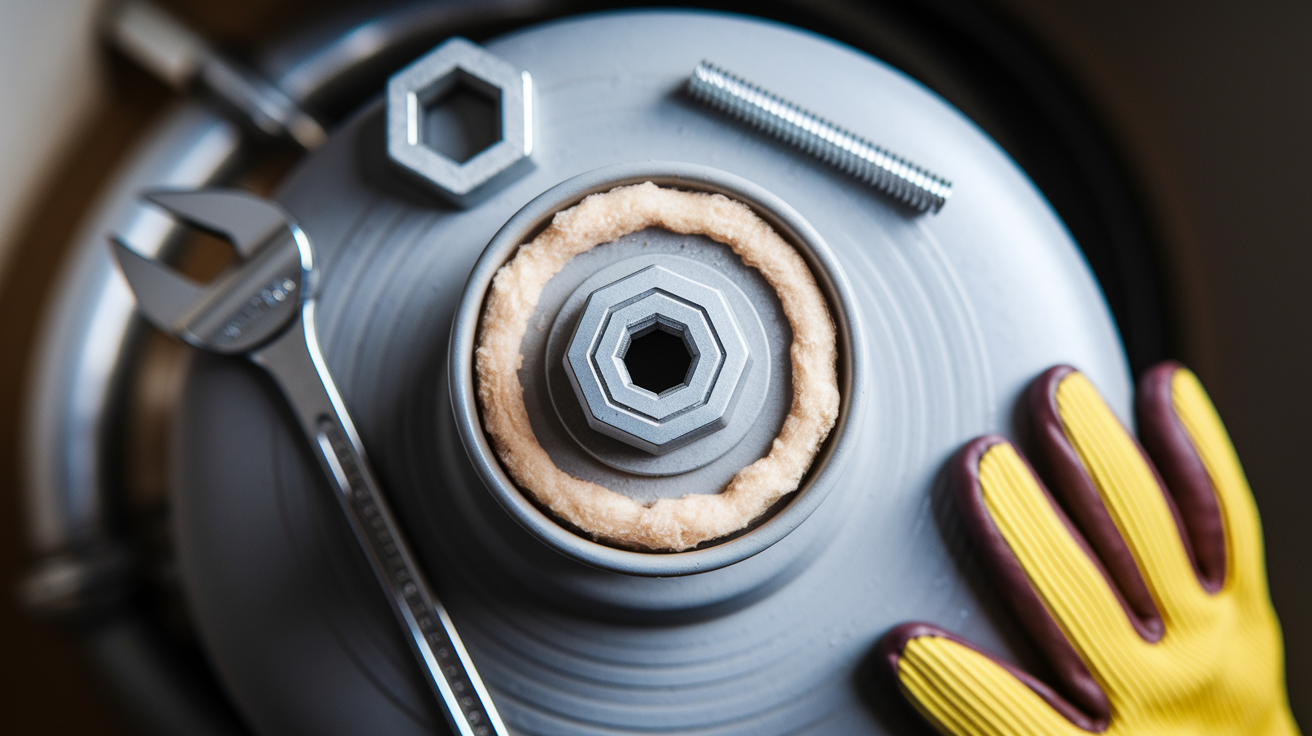
Before you start, shut off the power at the breaker if it’s electric, or turn the gas control to Pilot (or off completely) for gas heaters. Let the tank cool for at least two hours. Don’t skip this. You also need to shut off the water supply valve to keep everything safe and prevent burns.
Here’s how to inspect your anode rod:
-
Locate the anode rod. Most sit on top of the water heater under a hex head bolt. Sometimes it’s hidden under a plastic cap or insulation. Check your owner’s manual if you’re not sure.
-
Release tank pressure. Open a hot water faucet somewhere in your house for a few seconds. This lets air into the system and makes removal safer.
-
Remove the anode rod. Use a 1 1/16 inch socket wrench to loosen the hex head bolt. That first turn might take some real force. Pull the rod straight up and out. If you don’t have enough overhead clearance, you might need a flexible or segmented replacement rod.
-
Check the rod’s condition. Look at the entire length. A healthy rod should still have a thick coating of magnesium or aluminum around the steel core wire.
-
Measure exposed core wire. If you can see more than six inches of the steel wire running through the center, the rod is done. That’s your replacement point.
-
Reinstall if acceptable. If the rod still has good thickness and less than six inches of exposed wire, wrap the threads with fresh Teflon tape and screw it back in. You’ll check it again in a year or two.
When you pull that rod out, look for heavy corrosion, chunks missing, or significant thinning. Replace it when more than six inches of core wire is visible or when corrosion has eaten away most of the protective metal.
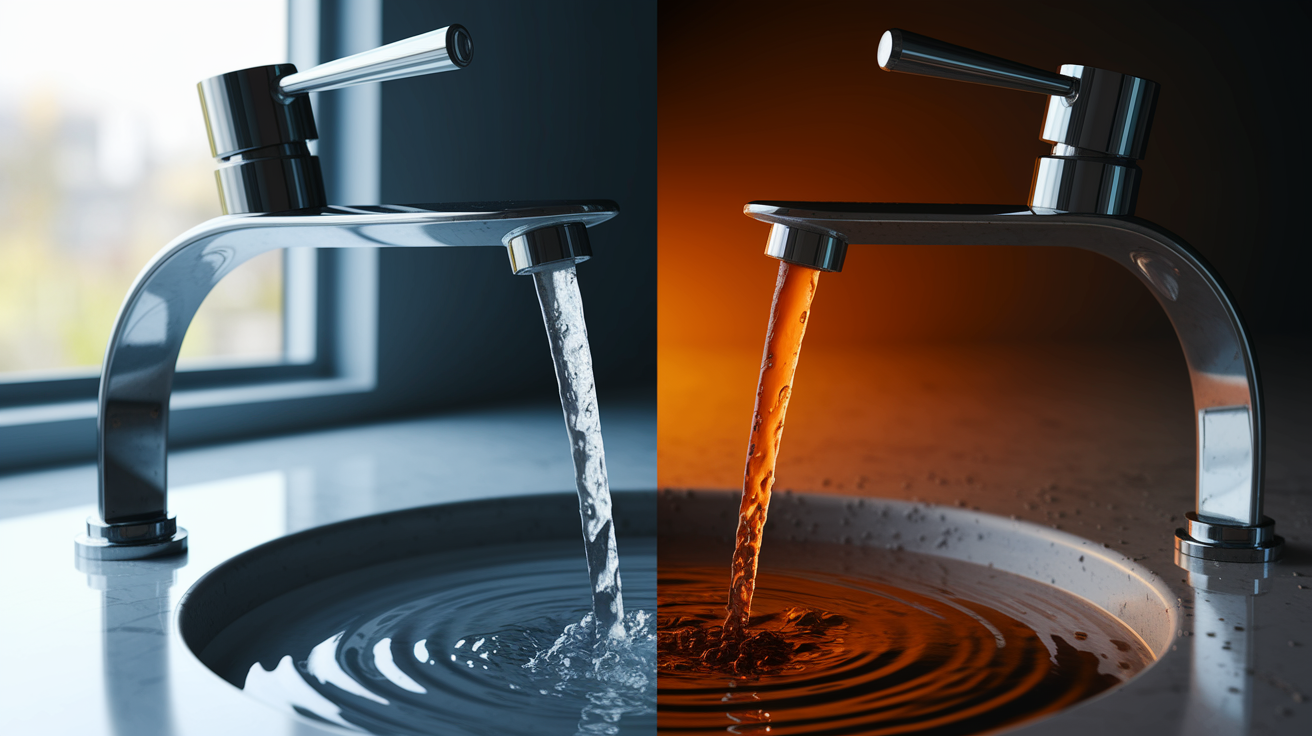
Beyond the rod itself, pay attention to your water quality. Rust colored or discolored hot water means the anode rod is spent and your tank has already started corroding on the inside. A rotten egg or sulfur smell from your hot water taps signals hydrogen sulfide from bacteria that thrive when the anode rod fails. If your drinking water has a metallic taste, that’s another urgent sign. You might also notice black slime or a gelatinous substance in your faucet aerators when you unscrew them. That’s bacterial growth from decaying anode material, and it means replacement can’t wait.
Complete Warning Signs Checklist: Visual and Audible Indicators
When an anode rod starts to fail, you’ll usually see more than one symptom at the same time. Catching these signs early prevents expensive tank replacement. A new anode rod costs under fifty dollars. A new water heater runs into the thousands.
Visual Signs:
- Visible rust stains or leaks around the tank exterior, especially near fittings or seams
- Six inches or more of exposed steel core wire when you pull the rod out for inspection
- Heavy corrosion on a removed anode rod with large sections of the protective metal completely eaten away
Water Quality Signs:
- Rust colored or discolored hot water that looks brownish or reddish brown when you run the tap
- Rotten egg or sulfur odor from hot water taps that smells like a struck match or decay
- Metallic taste in your drinking water, shower water, or anything using hot water from the tank
Audible Signs:
- Popping or crackling sounds during the water heating cycle, like Rice Krispies in the tank
- Pinging or knocking sounds from inside the tank when the burner or heating element kicks on
- Banging sounds that indicate chunks of sediment or pieces of the deteriorating rod hitting the tank walls
These sounds happen because sediment and mineral deposits pile up at the bottom of the tank as the anode rod deteriorates. When water heats up, it moves through that sediment layer and creates the popping or cracking noise. Those deposits don’t just make noise. They reduce your heater’s efficiency and can eventually damage the tank itself.
Rust stains or leaks on the outside of your tank mean the anode rod is exhausted and active corrosion is already happening. That’s the most urgent visual warning. At that point, you’re in a race. Replace the anode rod immediately and you might save the tank. Wait too long and the tank fails, which means water damage, emergency replacement costs, and a much bigger mess to clean up.
Optimal Replacement Timing Based on Water Conditions and Tank Age
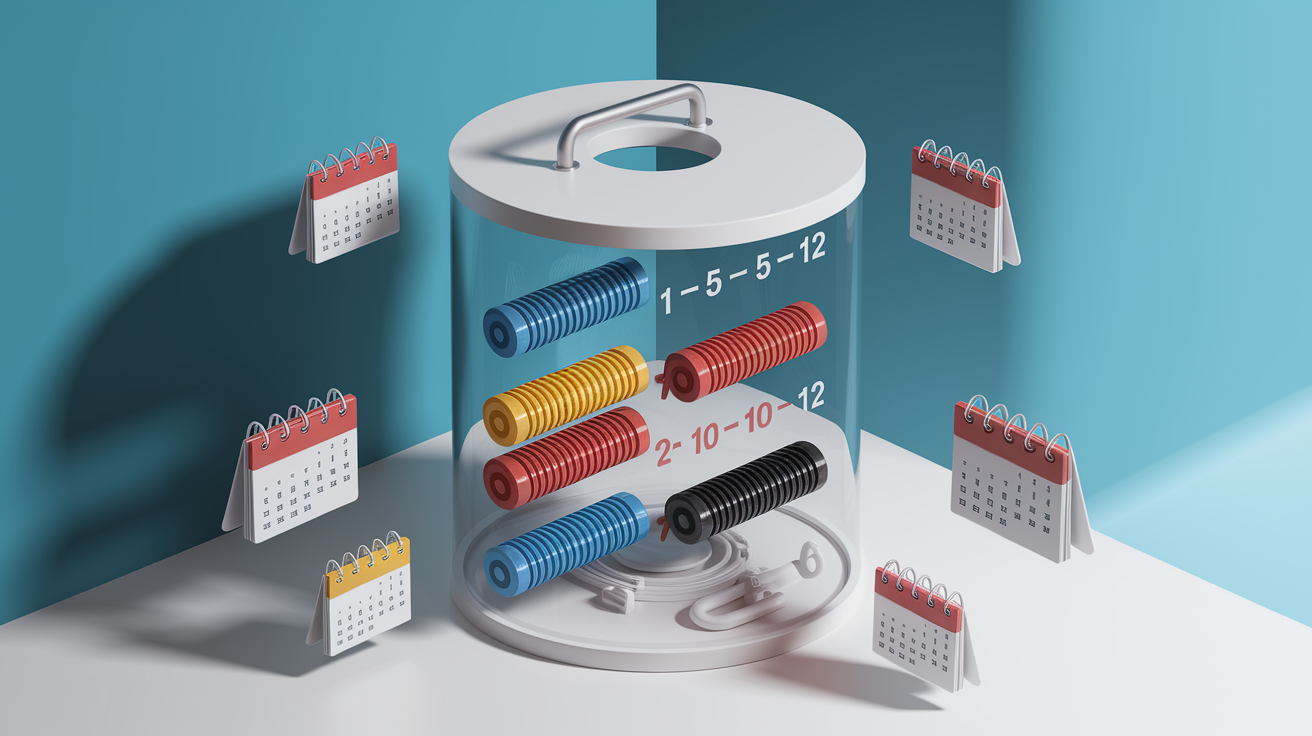
Most anode rods last three to five years depending on your water quality and how much hot water you use. Scheduled maintenance and regular inspections help you catch problems before they turn into expensive repairs or replacements. Think of anode rod inspection like checking your car’s oil. You don’t wait until the engine seizes.
| Water Condition | Inspection Frequency | Expected Lifespan | Replacement Timing |
|---|---|---|---|
| Standard water conditions | Every 2 to 3 years | 3 to 5 years | Replace at first sign of heavy corrosion or 6 inches exposed wire |
| Hard water areas | Annually | 2 to 4 years | Replace when rod shows moderate corrosion or at 3 year mark |
| Homes with water softeners | Annually | 1 to 3 years | Replace annually or when first signs of deterioration appear |
| Acidic or high mineral water | Every 2 to 3 years | 2 to 4 years | Replace at first inspection showing significant wear |
| Water heaters 8 to 12 years old | Annually | Rod likely near end of life | Replace immediately if not replaced in past 3 years |
| Water heaters over 12 years old | Immediately, then annually | Rod is likely exhausted | Replace now and assess tank condition for possible replacement |
Your water heater’s age determines how aggressive your maintenance schedule should be. Here’s what to do at each stage:
-
First year after installation. Perform a baseline inspection around the one year mark to see how your specific water conditions affect the rod. Document what you find and take a photo if possible.
-
Years 1 to 3. Inspect every two to three years in standard conditions, annually in hard water areas. Keep notes on rod condition so you can track the deterioration rate.
-
Years 3 to 5. This is the critical window when most rods need replacement. Inspect annually regardless of water conditions. Watch for the six inch exposed wire threshold and any heavy corrosion.
-
Years 5 to 10. If your rod hasn’t been replaced yet, do it now. Inspect annually after replacement. Most standard anode rods don’t last longer than five to eight years even in ideal conditions.
-
Beyond 10 years. If your water heater is over twelve years old, assume the anode rod needs immediate replacement unless you have records showing recent service. At this age, you’re also approaching the typical tank lifespan, so assess whether replacement makes sense or if a new heater is the better investment.
Proactive monitoring saves you money. An anode rod replacement costs under fifty dollars if you do it yourself, maybe a couple hundred with a plumber. A full tank replacement runs two thousand dollars or more when you factor in the unit, installation, permits, and any related work.
Rod replacement can extend your tank’s lifespan by years. Keep maintenance logs. Write down inspection dates, what you found, and when you replaced the rod. If you’re not confident handling the inspection yourself, WaterFixCentral preventive maintenance services can establish a regular maintenance routine and keep your records organized. That documentation helps the next homeowner too, and it can be a selling point if you ever move.
DIY Anode Rod Replacement: Tools and Step by Step Process
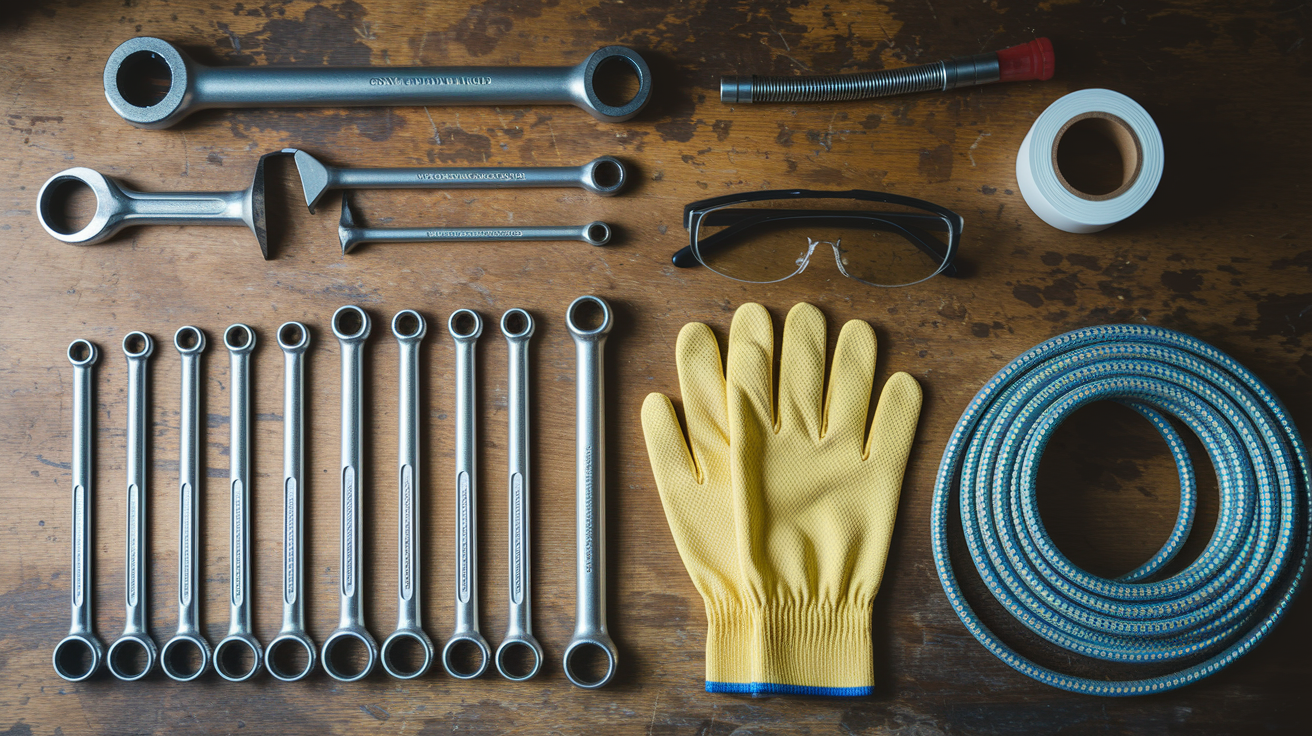
Replacing an anode rod is straightforward for most homeowners who are comfortable with basic tools. If you’ve never worked on your water heater before, or if the rod won’t budge when you try to loosen it, calling a professional is the smart move. Forced removal can damage tank threads, and that turns a simple fix into a complicated problem.
Here’s what you need before you start:
- 1 1/16 inch socket wrench or a large adjustable wrench
- New anode rod compatible with your water heater model
- Teflon tape or pipe thread sealant
- Garden hose
- Protective gloves
- Eye protection
- Towel or rags for cleanup
- Bucket to catch any water
Follow these steps to replace the anode rod:
-
Shut off the power or gas. Turn off the circuit breaker for electric heaters. For gas units, turn the gas control to Pilot or completely off. This step is not optional.
-
Allow cooling time. Let the tank cool completely, at least two hours. Hot water causes burns. Don’t rush this.
-
Close the water supply. Turn the cold water supply valve at the top of the tank to the off position.
-
Relieve tank pressure. Open a hot water faucet anywhere in the house and let it run for ten to fifteen seconds. Leave the faucet open during the rest of the process.
-
Drain some water. Attach a garden hose to the drain valve at the bottom of the tank. Run the hose to a floor drain or outside. Open the drain valve and drain two to three gallons. This prevents overflow when you remove the rod. Close the valve when done.
-
Locate and remove the old rod. Find the hex head bolt on top of the heater. Use your 1 1/16 inch socket wrench to loosen it. The first turn might take real force. If it won’t budge after moderate effort, stop and call a professional. Once loose, unscrew it by hand and pull the rod straight up and out.
-
Inspect the rod. Check the old rod for the six inch exposed wire rule and overall corrosion. This confirms whether replacement was necessary and helps you understand your water conditions.
-
Prepare the new rod. Wrap the threads of the new anode rod with three to four layers of Teflon tape, wrapping in the direction you’ll be screwing it in (clockwise when looking down at the threads).
-
Install the new rod. Insert the new rod into the opening and hand tighten it as far as it will go. Then use the wrench to snug it down. Don’t overtighten. You’re working with a thin walled tank, and cross threading or stripping can cause leaks.
-
Refill and restore power. Close the drain valve if you haven’t already. Open the cold water supply valve fully. Wait until water flows steadily from the hot water faucet you opened earlier, then close that faucet. Check around the new anode rod for leaks. If everything’s dry, restore power or turn the gas back on.
Turn on a hot water tap after about thirty minutes and let it run to clear any air from the lines. Check the anode rod area one more time for moisture. If you see any drips, snug the rod down another quarter turn and check again.
Replacement Cost Analysis: DIY Versus Professional Installation

Understanding the cost breakdown helps you decide whether to handle anode rod replacement yourself or hire a professional. Both options are reasonable depending on your comfort level and the condition of your water heater.
| Service Type | Cost Range (2025) | Time Required | Skill Level |
|---|---|---|---|
| DIY replacement (parts only) | $20 to $50 | 30 to 60 minutes | Beginner to intermediate |
| DIY replacement (including tools) | $40 to $80 | 30 to 60 minutes | Beginner to intermediate |
| Professional plumber service | $100 to $300 | 45 to 90 minutes | Not applicable |
The long term savings make anode rod replacement one of the best maintenance investments you can make. A water heater tank that fails from internal corrosion means buying and installing a new unit. That runs anywhere from fifteen hundred to three thousand dollars depending on the tank size, type, and any necessary upgrades to meet current codes. Replacing the anode rod every few years extends your tank’s lifespan by five to ten years or more in many cases. That’s thousands of dollars in avoided replacement costs for a few hours of maintenance over the life of the heater.
Professional service makes sense when the rod is seized and won’t loosen, when you don’t have the overhead clearance to remove a standard rod, or when you’re not confident working on pressurized systems. The cost difference between DIY and professional service is around a hundred to two hundred and fifty dollars. If that buys you peace of mind and ensures the job is done right, it’s worth it. Damaged tank threads from improper removal technique can mean replacing the entire tank, so know your limits.
Different Anode Rod Types and Compatibility Options
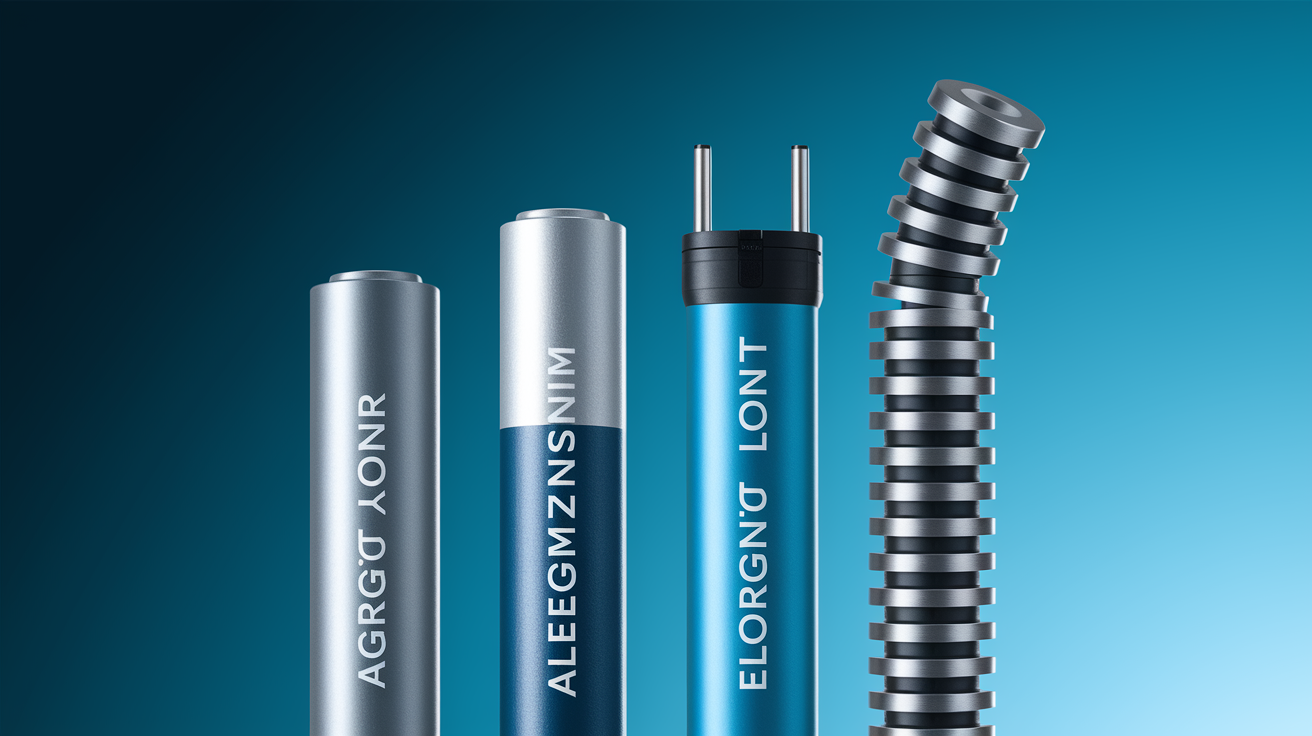
Choosing the right anode rod for your water heater and water conditions makes a difference in how long the rod lasts and how well it protects your tank. Not all rods are the same.
Magnesium Anode Rods
Magnesium rods provide superior corrosion protection because they’re more chemically active than aluminum. They attract corrosion more aggressively, which keeps your tank safer. The tradeoff is that magnesium rods wear out faster than other types, especially in standard municipal water or well water with normal mineral content. If you have typical water conditions and you’re willing to inspect and replace your rod every three to four years, magnesium is the best choice for maximum tank protection. These rods work through galvanic corrosion, meaning they sacrifice themselves so your tank doesn’t corrode.
Aluminum and Zinc Combination Rods
Aluminum rods last longer than magnesium, sometimes up to five to eight years depending on conditions. Combination rods that include zinc help control the rotten egg smell that sulfur bacteria can cause. If you have a water softener, aluminum zinc rods are the better option. Softened water accelerates magnesium corrosion dramatically, sometimes cutting the rod’s life to just one or two years. The aluminum zinc combination holds up better in softened water and reduces odor issues that commonly happen when bacteria interact with failing anode material.
Powered Electronic Anode Rods
Powered or non sacrificial anode rods like Corro Protec use a low voltage electrical current to prevent tank corrosion instead of relying on a metal rod that deteriorates over time. These rods essentially last forever because they don’t wear out. They also reduce limescale buildup and eliminate the rotten egg odor completely in most cases. The upfront cost is higher, usually between a hundred and two hundred dollars compared to twenty to fifty dollars for a standard rod. If you’re tired of replacing rods every few years, or if you have conditions that eat through standard rods quickly, a powered anode rod is a permanent solution that pays for itself over time.
Flexible and Segmented Rods
If your water heater sits in a space with limited overhead clearance, like a basement with low joists or an attic installation, you might not be able to pull out a standard forty plus inch anode rod. Flexible rods bend during removal and installation, which solves the clearance problem. Segmented rods come in sections that connect together, allowing removal even when there’s only a few inches of space above the tank. These specialty rods cost slightly more but they’re the only option for tight installations. They’re made from the same magnesium or aluminum materials as standard rods.
When you’re selecting a replacement rod, check your water heater’s manual or the manufacturer’s website for compatibility. Most standard tanks use a three quarter inch NPT threaded rod, but some models have different thread sizes or require specific rod lengths. Match your water conditions to the rod type. Magnesium for standard water, aluminum zinc for softened water or odor issues, powered for long term convenience, and flexible or segmented for space limited installations.
How Hard Water and Water Softeners Affect Anode Rod Longevity

Water chemistry plays a huge role in how fast your anode rod deteriorates. Hard water and softened water create very different conditions inside your tank, and both affect the anode rod’s lifespan in specific ways.
Hard water contains high levels of dissolved minerals, primarily calcium and magnesium. When your heater warms that water, some of those minerals precipitate out and settle as sediment at the bottom of the tank. That sediment buildup doesn’t directly attack the anode rod, but it creates an environment where the rod has to work harder. The minerals also interact with the rod material during the corrosion process. In hard water conditions, you should inspect your anode rod every two to three years because acidic or high mineral water wears down rods faster than soft or neutral water. Sediment accumulation from hard water also means you need to flush your tank every six to twelve months to prevent that layer from insulating the bottom of the tank and reducing heating efficiency.
Water softeners remove calcium and magnesium by replacing them with sodium ions. That sounds like it would help your anode rod, but it actually does the opposite. Softened water is more conductive because of the sodium content, and that accelerates the galvanic corrosion process. Your anode rod deteriorates much faster in softened water. If you have a water softener, you need to inspect your anode rod annually. Many homeowners with softeners find their magnesium rods are completely spent in two years or less. That’s why aluminum zinc combination rods are the better choice for homes with water softening systems. They hold up longer under the accelerated corrosion, and the zinc helps control bacterial odor that’s more common in softened water environments.
Here’s what helps if you have hard water or a softener. First, match your anode rod type to your water conditions right from the start. Use aluminum zinc rods if you have a softener. Second, stay on top of sediment flushing. Drain two to three gallons from the tank every six months, or more often if you notice sediment in the water. That reduces the mineral load at the bottom of the tank. Third, keep a maintenance log so you know exactly when you last inspected or replaced the rod. It’s easy to forget, and in harsh water conditions, a year or two of neglect can mean the difference between a simple rod replacement and a corroded tank that needs full replacement.
When to Call a Professional for Anode Rod Service
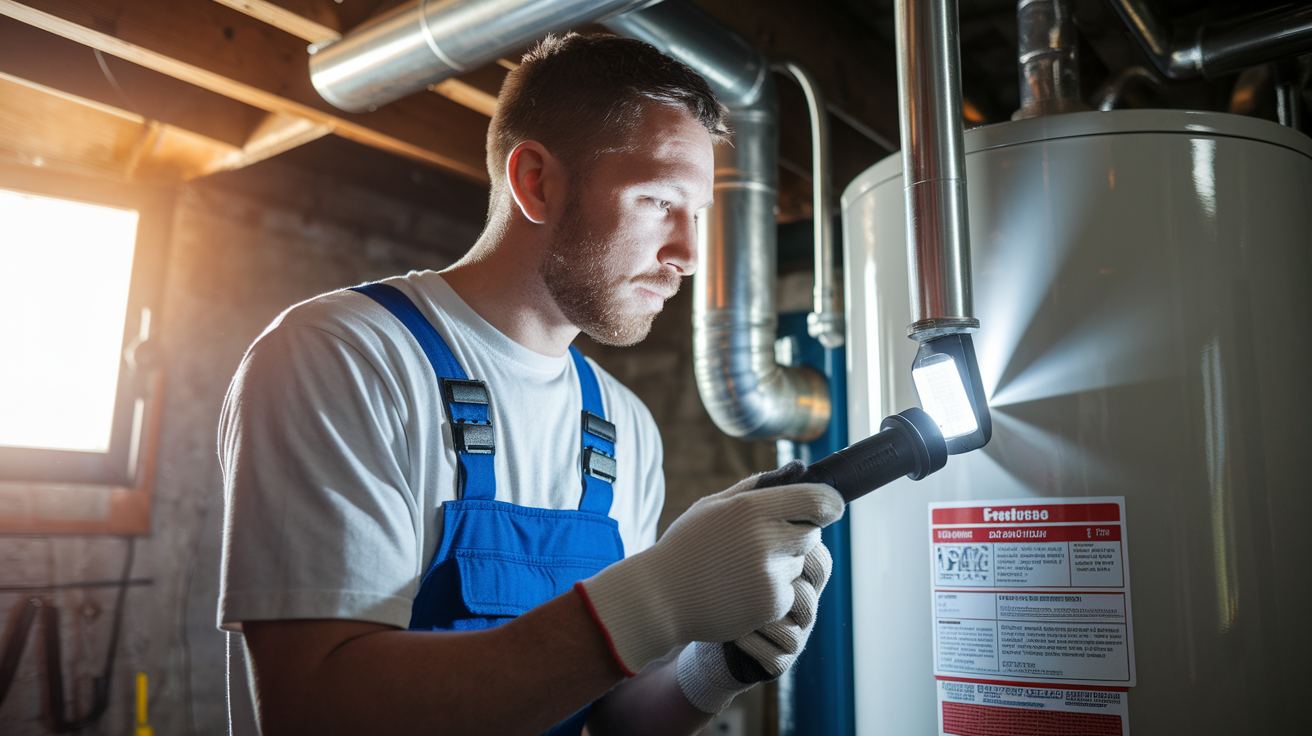
Most anode rod replacements are manageable for homeowners with basic tool skills, but some situations require professional help. Knowing when to call someone prevents damage to your water heater and keeps you safe.
If the anode rod won’t loosen after applying reasonable force, stop. A seized rod that’s been in place for ten or more years can be nearly welded to the tank threads from corrosion. Forcing it with excessive torque can strip the threads inside the tank, and that essentially destroys the heater because you can’t seal a new rod into damaged threads. Professionals have techniques and tools like impact wrenches and penetrating lubricants that can free stuck rods without damaging the tank. Attempting to muscle through it yourself rarely works and often makes things worse.
Call a professional when you see these situations:
- A seized or frozen anode rod that won’t budge even with proper tools and technique
- Visible tank leaks, rust stains, or active dripping around fittings or seams
- Limited overhead clearance that prevents standard rod removal and you’re not confident installing a flexible or segmented rod
- Uncertainty about your water heater’s age, service history, or overall condition
- Multiple simultaneous problems like strange noises, discolored water, and visible corrosion
- You want a comprehensive tank inspection to assess whether replacement makes more sense than ongoing repairs
A professional assessment gives you a complete picture of your water heater’s health. If your tank is twelve years old or older, and the anode rod is spent, a plumber can help you decide whether replacing the rod extends the tank’s life enough to justify the repair or whether you’re better off replacing the entire unit. That decision depends on the tank’s overall condition, local water chemistry, and whether any other components are showing wear. If you’re seeing rust stains or leaks in addition to anode rod failure, the tank has likely already started corroding on the inside. At that point, a new anode rod might buy you a year or two, but it won’t reverse the damage.
For hidden issues like slow leaks or internal corrosion that isn’t visible from the outside, WaterFixCentral leak detection services can identify problems before they cause major water damage. Professional inspection and service typically costs between one hundred and three hundred dollars in 2025, which is a reasonable investment when you consider the cost and disruption of an unexpected water heater failure and the water damage that can come with it.
Final Words
Catching the signs anode rod needs replacing early makes all the difference between a simple fix and an expensive tank replacement.
Rust-colored water, that rotten egg smell, popping sounds, or six inches of exposed core wire all point to the same thing—your anode rod is spent and your tank needs protection fast.
Check your rod every two to three years, or annually if you have hard water or a softener. If you’re seeing multiple warning signs, don’t wait.
Replace that rod now and you’ll add years to your water heater’s life.
FAQ
How do you know if an anode rod needs replacing?
You know an anode rod needs replacing when more than six inches of the steel core wire is exposed during inspection or the rod shows heavy corrosion. Other critical signs include rust-colored hot water, rotten egg odor from hot taps, metallic taste in drinking water, or popping sounds during heating cycles.
How much does a plumber charge to change an anode rod?
A plumber typically charges between $100 and $300 to change an anode rod in 2025. This professional service includes removal of the old rod, installation of the compatible replacement, and verification testing. DIY replacement costs $20 to $50 for parts only, excluding tools.
Is it worth fixing a 10 year old water heater?
Fixing a 10-year-old water heater by replacing the anode rod is worth it if the tank shows no visible rust or leaks. Anode rod replacement costs $20 to $300 depending on approach, while tank replacement costs significantly more. Water heaters over 10 years need immediate anode assessment.
Do you have to drain a water heater to replace an anode rod?
You have to partially drain a water heater to replace an anode rod, typically removing a few gallons from the top of the tank. Attach a garden hose to the drain valve and release enough water to drop the level below the anode rod opening, which prevents spillage during removal.
What does a corroded anode rod look like?
A corroded anode rod looks heavily pitted with significant calcium buildup and shows six or more inches of exposed steel core wire. The protective sacrificial metal appears eaten away, the rod diameter is noticeably thinner than original, and heavy rust or white mineral deposits cover the surface.
Can a bad anode rod cause hot water to smell?
A bad anode rod can cause hot water to smell like rotten eggs or sulfur, which indicates hydrogen sulfide from sulfur bacteria fostered by the failing rod. This foul odor occurs when the deteriorated anode no longer controls bacterial growth inside the tank, creating distinct unpleasant smells.
How long does an anode rod typically last?
An anode rod typically lasts three to five years depending on water quality and usage patterns. Hard water areas or homes with water softeners require inspection every one to two years since accelerated corrosion shortens lifespan. Acidic or high-mineral water reduces rod life significantly.
What happens if you never replace the anode rod?
If you never replace the anode rod, the tank interior begins corroding once the sacrificial metal is completely consumed. This leads to rust-colored water, eventual tank leaks, sediment buildup, reduced heating efficiency, and premature water heater failure requiring complete unit replacement instead of simple rod maintenance.
Can I replace an anode rod myself?
You can replace an anode rod yourself if you have basic tools including a 1-1/16 inch socket wrench, can safely shut off power or gas, and have adequate overhead clearance for removal. The DIY process takes one to two hours and requires following safety precautions including cooling the tank completely.
What type of anode rod is best for hard water?
Aluminum-zinc combination rods are best for hard water conditions since they provide longer lifespan and better odor control than standard magnesium rods. Water softener users should also choose aluminum-zinc rods and inspect annually, as softened water accelerates magnesium anode corrosion significantly faster than standard water.