
Your meter might be spinning right now and you don’t even know it. Underground leaks are sneaky because they happen where you can’t see them, and by the time you notice a soggy patch in your yard or a weird spike in your water bill, you could be losing hundreds of gallons a day. The good news is you don’t need expensive equipment to start tracking down the problem. With a few simple tools and some patience, you can confirm whether water’s escaping underground and narrow down where it’s coming from before you call in help.
Methods to Locate Underground Water Leaks in Your Property

You can detect underground water leaks through a combination of simple tests and careful observation before committing to professional help.
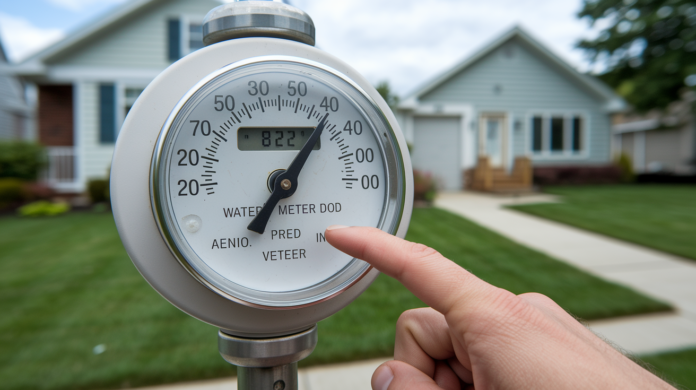
Start with the water meter test. It’s your most reliable first step. Turn off all water fixtures in your home. That includes dishwashers, washing machines, ice makers, and irrigation systems. Locate your water meter, usually near the street or in a basement utility area. Write down the exact numbers showing on the meter. Wait 2 to 3 hours without using any water at all. Check the meter again. If the numbers changed, you’ve confirmed a leak exists somewhere in your system. A homeowner in Portland watched their meter spin forward 8 gallons during a 3 hour test with everything shut off, confirming what their rising bills had already suggested.
Use pressure testing as a confirmation method. Turn off your main shut-off valve completely. If you have a water pressure gauge installed anywhere in your system, note the current reading. Wait 30 to 60 minutes. Check the gauge again. If pressure dropped, water’s escaping somewhere in your line. Professional plumbers use specialized pressure testing equipment that isolates sections of the plumbing system and measures exact pressure loss over time. This helps determine not just that a leak exists but also its severity and approximate location in the pipe network.
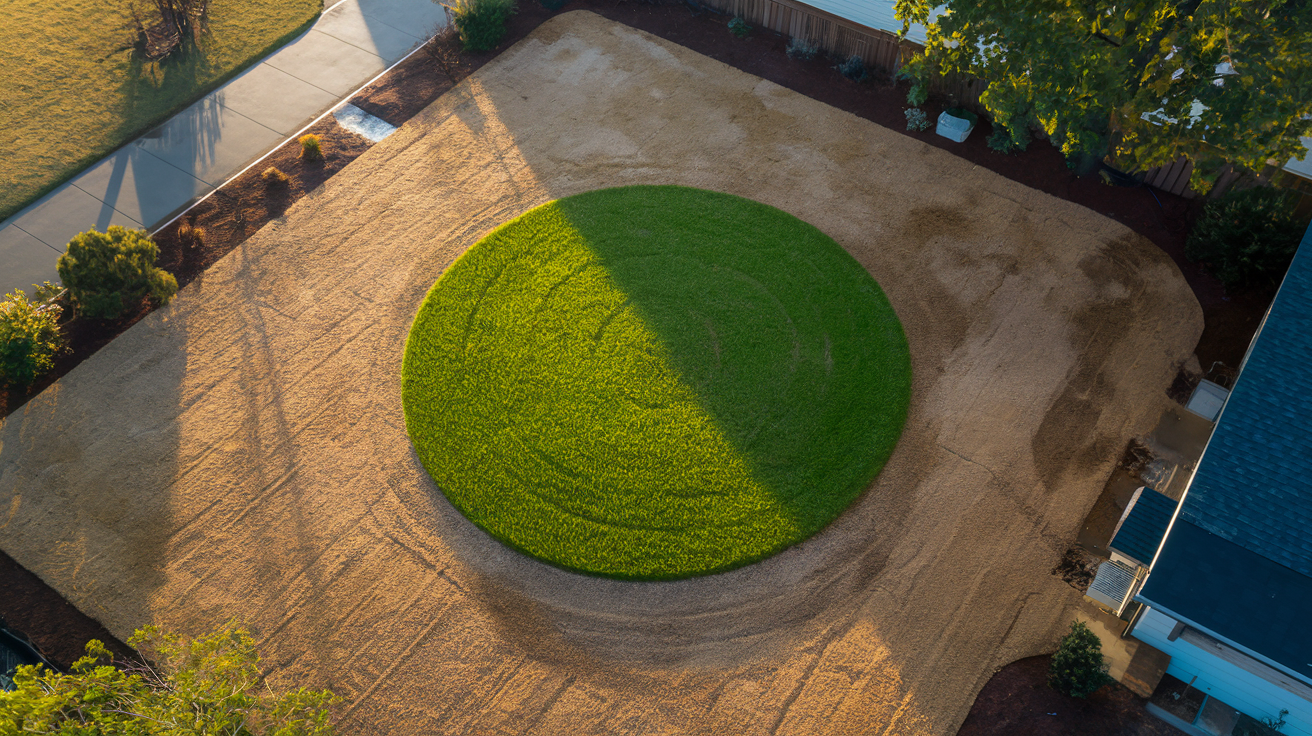
Walk your entire property doing a visual inspection. Look for wet spots in your yard, grass patches that are unusually green compared to surrounding areas, soft spots in the lawn where soil feels spongy underfoot. Look for areas of pooling water that appear without rain, small sinkholes or depressions forming in grass or soil, and cracks appearing in your foundation or exterior walls. Pay attention to areas near where you know water lines run. Along the path from your meter to your house, around outdoor hose connections, and near irrigation system lines.
Listen for the sound of running water when all your fixtures are off. Stand quietly in different areas of your home and yard. Sometimes you’ll hear a faint hissing, trickling, or rushing sound coming from underground or through walls, indicating water moving through a crack in a pressurized pipe.
Recognizing the Warning Signs of Underground Water Leaks
Early detection through warning signs prevents costly water damage and gives you time to address problems before they create structural issues.
Common warning signs of underground water leaks:
- Unexplained water bill increases of 20 to 30% or higher without any changes in your household usage patterns or rate increases from your utility
- Consistent wet spots appearing in your yard during dry weather when there’s been no rain or irrigation
- Unusually green or lush grass patches where vegetation suddenly thrives compared to surrounding areas
- Low water pressure at multiple fixtures simultaneously throughout your house, not just a single sink or shower
- Sounds of running water when nothing is on. No toilets running, no faucets dripping, no appliances operating
- Pooling water or puddles appearing in your yard without any obvious source like rain or a running hose
- Soft or sinking spots in your lawn where the ground feels unstable or spongy when you walk on it
- Foundation cracks spreading beyond normal settling, particularly hairline cracks that seem to be widening
- Musty odors indoors without an obvious source, sometimes indicating moisture building up under floors or in crawl spaces
- Discolored water from taps appearing cloudy, reddish, or brown when you run water from multiple fixtures, suggesting pipe corrosion
When multiple signs appear together, like a sudden bill increase paired with wet spots in the yard and low pressure, you’re looking at strong evidence of an underground leak that warrants immediate investigation.
Detection Equipment: From DIY Tools to Professional Technology

Detection equipment ranges from simple DIY tools costing under $100 to sophisticated professional systems worth thousands. Each serves different detection scenarios and accuracy requirements.
DIY Detection Tools for Homeowners
Several affordable tools help homeowners conduct their own preliminary leak investigations. Basic moisture meters cost $20 to $50 and measure water content in soil and drywall by inserting metal probes into the ground. Readings above 15 to 20% indicate excessive moisture. Simple acoustic leak detectors priced $50 to $150 amplify underground sounds when you place the sensor on the ground above suspected leak areas. Soil probes or metal rods test ground saturation by pushing them into the earth to feel resistance changes where water has softened soil. Water pressure gauges install on outdoor hose connections to monitor system pressure over time. Smartphone apps help track water consumption patterns by logging meter readings and calculating daily usage. Food-grade dye tablets work for toilet testing and other visible pipe testing where you can watch for colored water appearing.
DIY tools help confirm that a leak exists and narrow down the general area to within maybe 10 to 20 feet. But they rarely provide the pinpoint accuracy that professional equipment delivers. And that precision matters when you’re deciding where to dig.
Professional Acoustic and Thermal Detection Systems
Acoustic listening devices and correlators amplify the distinct sound of water escaping from pressurized pipes buried underground. These tools are non-invasive and highly precise because water under pressure creates a specific frequency pattern when it breaks through pipe walls. Leak detection correlators use two or more sensors placed at pipeline access points like valves or meter locations. The system detects the leak noise at both sensors and calculates the exact leak position based on the time delay of sound waves traveling through the pipe material. Sound moves at known speeds through different pipe materials, making this mathematical location extremely accurate.
Infrared thermal imaging cameras detect temperature variations in soil and concrete surfaces caused by leaking water. Cold water leaking from a pipe cools the surrounding soil slightly, while hot water from a water heater line creates warm spots. These temperature differences show up clearly on thermal imaging screens, particularly effective for slab leaks under concrete floors and heated water lines running through walls or under foundations.
Advanced Specialized Detection Methods
Ground penetrating radar (GPR) technology uses radar pulses sent into the ground to identify buried pipe locations and water-caused cavities forming around leaks. GPR works especially well for PVC pipes and other non-metallic materials that metal detectors can’t locate. The radar returns create images showing underground structures, voids, and moisture concentrations.
Tracer gas detection involves pumping a safe nitrogen-hydrogen gas mixture or helium into emptied water lines after shutting off supply and draining the system. The lighter-than-air gas escapes through any leak points, rises through soil layers, and emerges at ground level where sensitive sensors detect its presence. This method works effectively for deep leaks, leaks under pavement or driveways, and situations where other methods struggle because the gas will find its way up through almost any soil type or surface material.
Video pipe inspection uses waterproof cameras mounted on flexible cables that professionals feed into pipes through cleanouts or access points, providing visual assessment of pipe interior condition. Electromagnetic pipeline locators trace metallic water pipes buried underground to confirm pipe routing before digging. Fluorescent dye testing works for suspected sewer line or irrigation system leaks where UV-reactive dye gets introduced into the system and traced visually where it emerges.
Specialized methods typically cost $300 to $900 for the service visit. That investment allows pinpoint location accuracy without unnecessary excavation that damages landscaping, driveways, and other property features.
Common Causes of Underground Water Leaks in Residential Properties
Understanding why underground leaks develop helps you assess risk factors on your own property and recognize when preventive action makes sense.
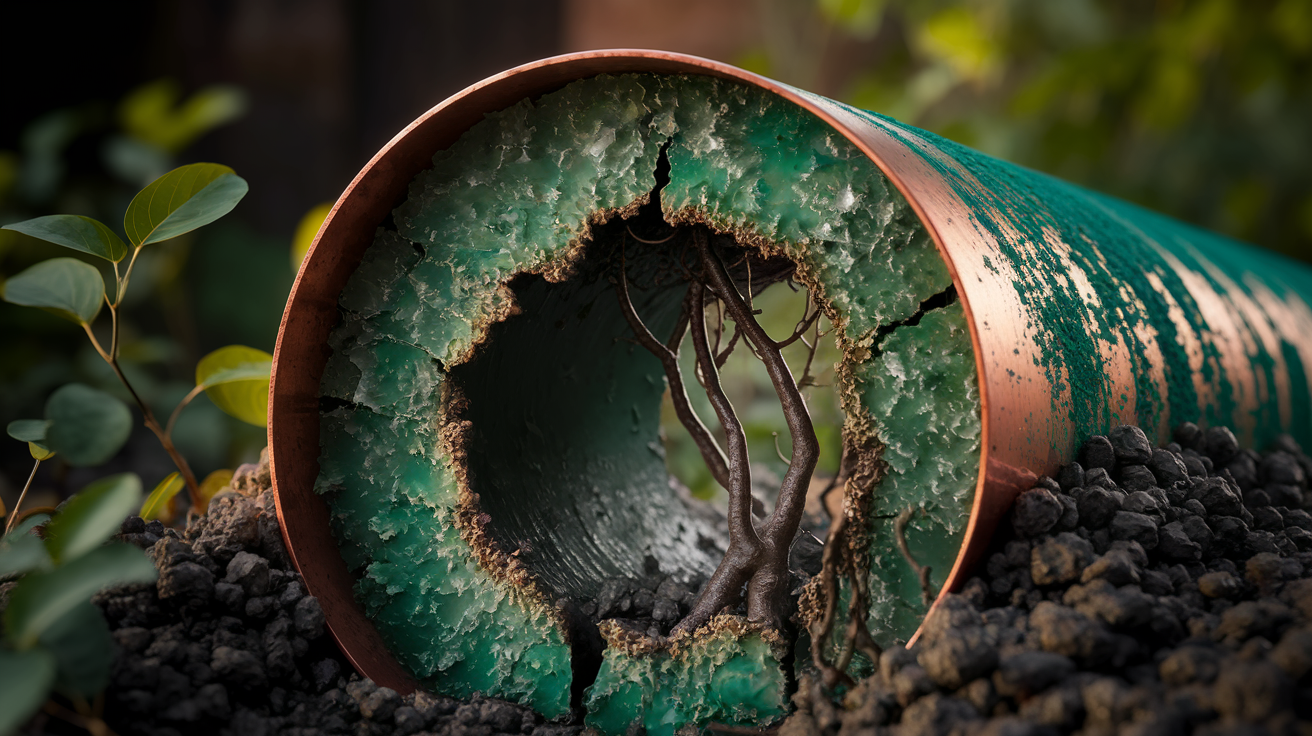
Pipe corrosion affects older copper pipes, galvanized pipes, and metal pipe connections over time. Minerals in your water supply and the chemical composition of surrounding soil gradually degrade pipe walls and joints. Copper pipes typically last 40 to 50 years, but corrosive water or acidic soil can shorten that to 20 to 30 years. Galvanized pipes fare worse, often developing significant corrosion and interior scale buildup after just 20 to 30 years. Even modern pipes develop corrosion at joints and connection points where dissimilar metals meet, creating galvanic corrosion that eats through the weaker metal.
Ground movement and soil shifting stress pipes from multiple directions. Freezing and thawing cycles in cold climates cause soil to expand and contract, flexing pipes repeatedly until joints crack or seams split. Heavy rainfall saturates soil causing it to swell and press against pipes. Extended dry periods cause soil to shrink and settle, leaving pipes suspended across gaps without support. Earthquakes, even minor tremors, shift ground layers at different rates. Construction vibration from nearby projects or heavy equipment operation travels through soil and rattles pipe connections loose.
Tree root intrusion happens because roots naturally seek moisture sources. A tiny crack or loose joint in a buried pipe releases water vapor that roots detect from surprising distances. Roots work their way into the opening, then expand as they absorb water, gradually widening the crack. Some aggressive tree species like willows, poplars, and certain oaks can break through intact pipes once roots reach sufficient size.
Other contributing factors include improper installation where pipes weren’t bedded correctly in gravel or sand, excessive water pressure above 80 PSI that stresses joints and weakens pipe walls over time, and freeze damage in cold climates when pipes weren’t buried below frost line or insulated properly.
When to Contact a Professional Plumber for Leak Detection
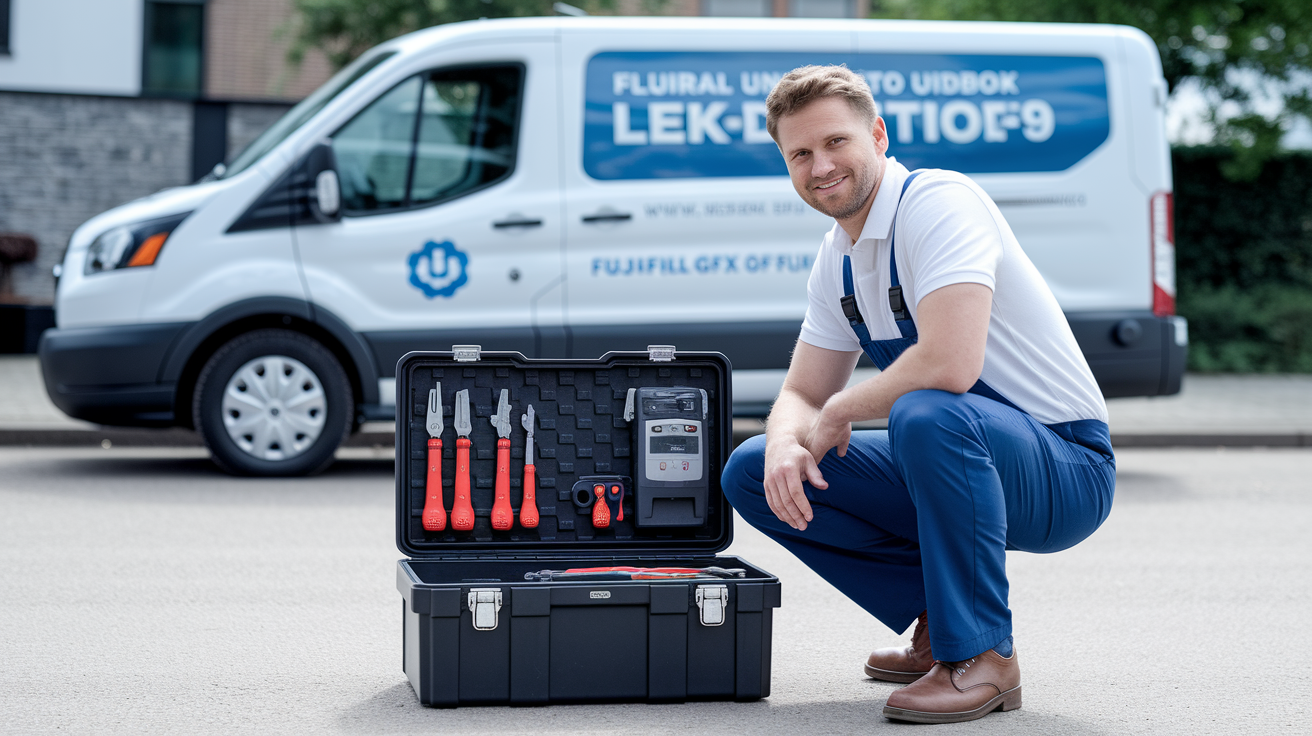
While basic tests like the water meter check help confirm leaks exist, locating the exact position usually requires professional equipment and expertise.
Call professionals when your water meter test confirms a leak but no visible signs appear anywhere on your property. Reach out when you suspect a leak under your concrete slab or foundation where pipes run inaccessible beneath the structure. Contact a plumber when your water bill increased significantly, 30% or more over a few months, but you can’t find any obvious source for the extra consumption. Get help when multiple warning signs appear simultaneously, like wet spots in the yard combined with low pressure and higher bills, indicating a serious leak that needs immediate location and repair. Bring in professionals when you’ve attempted initial repairs like replacing a visible pipe section but the problem continues, suggesting the real leak is elsewhere in the system.
Professionals can locate leaks without destructive excavation that tears up your yard randomly looking for the problem. Their detection equipment identifies leak position within 1 to 2 feet of accuracy, meaning they dig one targeted hole instead of trenching along entire pipe runs. This precision saves money on unnecessary excavation, landscape restoration, and property damage repair that would result from guessing at leak locations.
Response time matters because underground leaks worsen over time. Water erosion undermines foundations, creates voids under driveways and walkways, saturates soil causing slope instability, and creates conditions for mold growth in crawl spaces and basements. Calling quickly prevents damage escalation that multiplies repair costs.
Understanding Slab Leaks and Concrete Foundation Detection Challenges

Slab leaks occur when water pipes running beneath concrete foundations develop leaks, making them particularly difficult to detect and repair since the pipes are completely encased and inaccessible.
Warning signs specific to slab leaks include warm spots on floors where hot water pipes leak and heat transfers through the concrete. You’ll notice certain floor areas feel unexpectedly warm compared to surrounding sections. Cracks appear in concrete floors or tile flooring as underlying soil erodes and settles unevenly beneath the slab. Moisture or mildew smell indoors without any obvious visible source indicates water accumulating under flooring. You might hear sounds of running water under floors, a faint rushing or trickling that seems to come from beneath your feet. Foundation cracks that spread over time, particularly around the perimeter where foundation meets walls, signal ongoing water damage affecting structural integrity.
Detection methods for slab leaks rely on non-invasive technology since you can’t access pipes directly. Infrared thermal imaging detects temperature variations through concrete surfaces by scanning floors with thermal cameras that show warm or cool spots indicating water presence. Acoustic listening devices amplify water escape sounds through the slab. Professionals use sensitive electronic equipment and headphones to listen systematically across floor surfaces until they isolate the loudest point directly above the leak. Pressure testing confirms pressure loss in under-slab lines by isolating those specific pipes from the rest of your plumbing system and monitoring whether pressure holds steady or drops over 30 to 60 minutes.
Slab leak repair often requires breaking through concrete flooring to reach the damaged pipe, making early detection critical to minimizing repair scope and cost. Finding the leak quickly means cutting a smaller access hole rather than breaking up large floor sections searching for the problem.
Estimated Costs and Timeline for Underground Leak Detection Services

Detection costs vary based on your property size, leak complexity, and the specific equipment required to locate the problem accurately.
Typical detection service costs break down as follows: basic leak detection service using visual inspection, pressure testing, and simple acoustic methods runs $150 to $400 for residential properties. Acoustic detection using professional-grade listening equipment and correlators costs $200 to $500. Thermal imaging detection employing infrared cameras ranges $300 to $600. Comprehensive detection using multiple methods like acoustic equipment combined with thermal imaging or tracer gas runs $400 to $800. These are detection-only costs and don’t include any repair work.
Repair expenses depend on leak location and access difficulty. Simple pipe section replacement in accessible areas runs $500 to $1,500 for parts and labor. Slab leak repair requiring concrete cutting and restoration costs $1,000 to $4,000 depending on access difficulty and floor material. Main water line replacement between meter and house ranges $1,500 to $3,000 for typical residential installations.
Timeline expectations help you plan around the disruption. Detection visits typically take 1 to 3 hours for professionals to locate most leaks using their equipment. Simple repairs requiring limited excavation take 2 to 6 hours to complete in a single service call. Complex repairs requiring significant excavation, concrete cutting, or pipe rerouting take 1 to 3 days including restoration work.
Check your homeowner’s insurance policy since many policies cover sudden leak damage and sometimes detection costs as part of water damage claims. Document everything with photos, save all receipts, and get written estimates before major work begins. Your insurance adjuster will need this information to process any claims.
The Role of Water Consumption Patterns in Identifying Hidden Leaks

Monitoring your water usage provides early warning of hidden leaks before they create visible damage or emergency situations.
Establish your baseline consumption by tracking monthly water bills over 6 to 12 months to understand normal usage patterns for your household. Note seasonal variations like summer increases when you’re running irrigation systems or filling pools, and winter decreases when outdoor water use stops. Calculate average daily or weekly consumption per household member by dividing monthly totals by days and people. Typical residential use runs 80 to 100 gallons per person per day including all indoor and outdoor consumption.
Red flags in consumption patterns include sudden 20 to 30% bill increases occurring over one or two billing cycles without any changes in your household size or habits. Bills that keep climbing month-over-month in a steady upward trend suggest an ongoing leak that’s worsening as pipe damage expands. Consumption that doesn’t drop during vacations or periods when your home sits empty indicates water flowing somewhere continuously even when no one’s using fixtures. Usage that seems high when you compare it to similar-sized households in your area or ask neighbors about their typical bills.
Smart water monitors and automated alert systems track real-time consumption throughout the day and notify homeowners immediately when unusual patterns appear. Like water flowing at 3 AM when everyone’s asleep, or consumption that never drops to zero even for short periods. These devices cost $50 to $300 for basic models up to $500 for whole-house monitors, and they connect to smartphone apps for continuous monitoring even when you’re away from home.
Preventing Future Underground Water Leaks Through Maintenance

Prevention costs less than emergency repairs and extends the useful life of your entire plumbing system by addressing small problems before they become failures.
Prevention measures that reduce leak risk:
- Schedule annual plumbing inspections by a licensed plumber to check visible pipe condition, test joints and connections, and identify early signs of corrosion or stress
- Maintain water pressure between 40 to 70 PSI using a pressure regulator if your municipal supply exceeds this range, since high pressure accelerates wear on pipes and joints
- Install proper drainage systems directing water away from your foundation using gutters, downspouts, and yard grading that slopes away from the house
- Plant trees at least 10 feet from known water lines to prevent root intrusion, and avoid fast-growing species with aggressive root systems near utilities
- Winterize outdoor pipes in cold climates by draining irrigation systems, disconnecting hoses, and insulating exposed pipes to prevent freeze damage
- Replace aging pipes proactively based on material lifespan. Galvanized pipes after 20 to 30 years, copper pipes after 40 to 50 years, particularly if you notice recurring leaks
- Monitor water quality since corrosive water (low pH, high mineral content) accelerates pipe degradation and consider water treatment if testing shows problematic chemistry
Modern prevention technology includes smart leak detectors that sit near potential leak sources like water heaters and washing machines, automatic shut-off valves that close water supply when sensors detect leaks, and whole-house water monitors that track flow continuously and alert you to patterns suggesting hidden leaks.
Preventive maintenance typically costs $100 to $300 annually for inspections and minor adjustments, but this investment prevents thousands in emergency repair expenses, water damage restoration, and property loss from undetected leaks.
What to Expect During Professional Underground Leak Repair
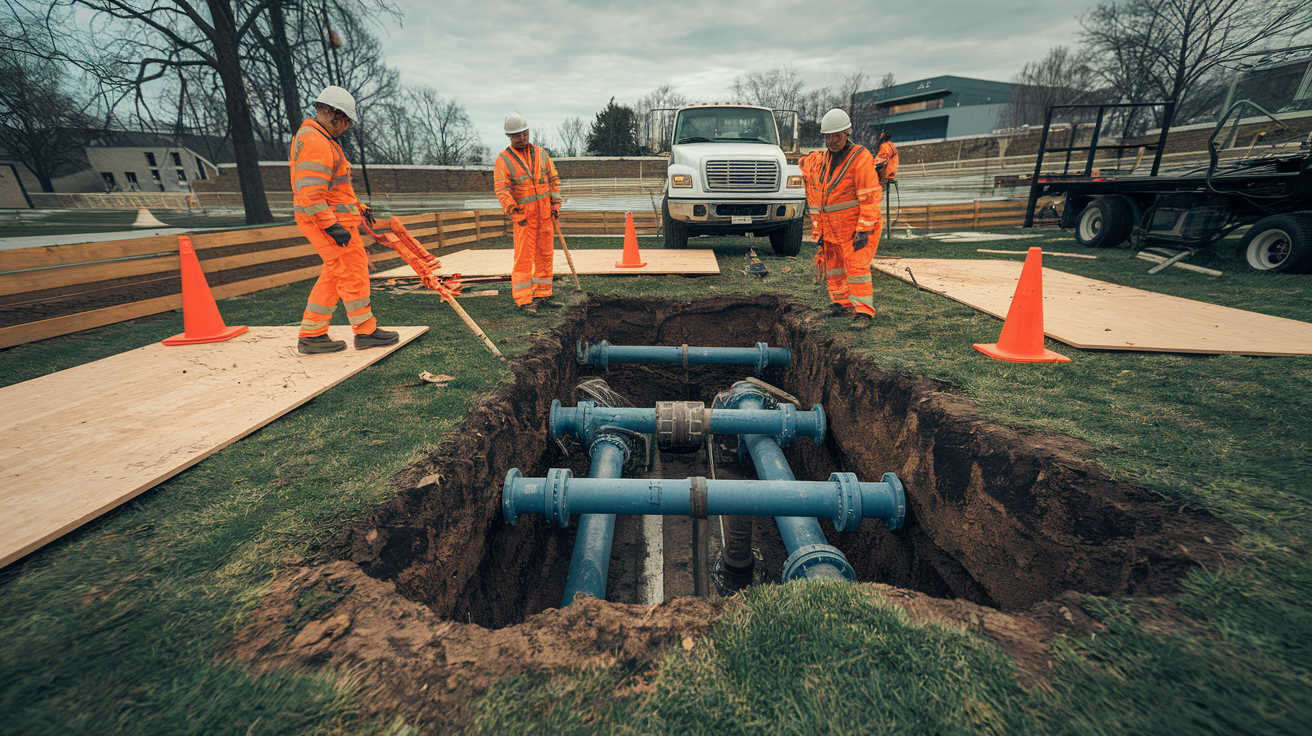
Understanding the repair process reduces anxiety about the work being done and helps you prepare your property appropriately for the professionals’ arrival.
The typical repair sequence follows a systematic approach. Professionals arrive and confirm leak location using detection equipment even if you’ve already done preliminary testing. They verify the exact position before any digging starts. They mark the excavation area with flags or spray paint showing where they’ll need to dig. They protect landscape and hardscape around the work zone with plywood or tarps to minimize damage. They excavate carefully to expose the damaged pipe section, usually digging by hand near the pipe to avoid damaging it further with machinery. They assess the extent of damage and inspect surrounding pipe condition to determine whether nearby sections also need attention. They cut out the damaged section or apply the chosen repair method. They install replacement pipe sections or couplings to join the new section to existing lines. They pressure test the repair before backfilling to confirm water flows correctly and pressure holds steady. Finally, they restore the excavation area and landscape by replacing soil in layers, compacting it properly to prevent future settling.
Repair methods depend on damage severity and pipe accessibility. Full pipe section replacement works for significant damage or widespread corrosion where a 2 to 6 foot section gets removed and replaced with new pipe of the same or upgraded material. Epoxy pipe lining repairs accessible pipes without excavation by coating the interior with epoxy resin that hardens into a new pipe surface inside the old pipe. This works for sewer lines and some water lines. Compression couplings fix small leaks by clamping a stainless steel collar around the damaged area without cutting the pipe.
Timeline expectations vary by repair complexity. Simple repairs in accessible locations get completed the same day in 3 to 6 hours total. Complex repairs requiring extensive excavation, multiple damaged sections, or concrete cutting take 2 to 3 days including cure time for any concrete or epoxy. Slab leak repairs potentially require 3 to 5 days since they involve cutting concrete, repairing pipes, pressure testing, and restoring flooring with proper cure time.
Reputable plumbers perform follow-up procedures including pressure testing after the repair to confirm the system holds proper pressure and flow. They check for proper water flow restoration at all fixtures to ensure no air trapped in lines and full pressure returns throughout your home. They monitor for 24 to 48 hours when possible on major repairs, sometimes leaving pressure gauges installed temporarily. They provide warranty coverage on work performed, typically 1 to 2 years on parts and labor. They offer guidance on monitoring the repair area for signs of recurring issues like settling soil, new soft spots, or pressure changes that might indicate the problem wasn’t fully resolved.
Final Words
Underground leaks don’t announce themselves with obvious flooding. They hide, drip slowly, and cause damage you won’t see until it’s expensive.
But now you know how to detect water leak underground before it gets that far. The water meter test, pressure checks, and watching your yard for wet spots give you a real starting point.
If those tests confirm something’s wrong, calling a pro with the right equipment saves you from guessing where to dig. They’ll pinpoint it, fix it correctly, and test it so you’re not dealing with the same leak six months later.
Catch it early. Fix it right. Keep your home dry.
FAQ
What is the easiest way to find an underground water leak?
The easiest way to find an underground water leak is to perform a simple water meter test by turning off all water fixtures and appliances, noting your meter reading, waiting 2-3 hours without using any water, then checking the meter again—if the numbers changed, you have a leak somewhere in your system.
Can I use my phone to detect underground water?
You can use your phone to detect underground water indirectly by downloading apps that track water consumption patterns and alert you to unusual usage spikes that suggest hidden leaks. However, smartphones can’t physically detect underground water on their own—they work best as monitoring tools rather than detection devices for pinpointing exact leak locations.
How to detect a water leak underground at home?
To detect a water leak underground at home, start with a water meter test, then walk your property looking for wet spots, unusually green grass patches, soft ground, or pooling water during dry weather. Listen for sounds of running water when all fixtures are off, and watch for signs like dropping water pressure, higher water bills, or foundation cracks that suggest underground leakage.
How to find a water leak that isn’t visible?
To find a water leak that isn’t visible, perform a water meter test to confirm a leak exists, then check for indirect signs like unexplained water bill increases, low pressure at multiple fixtures, musty odors indoors, or sounds of running water behind walls. If these methods don’t pinpoint the location, contact a professional plumber who uses acoustic listening devices, thermal imaging cameras, or tracer gas detection to locate hidden leaks without excavation.
When should I call a professional plumber for leak detection?
You should call a professional plumber for leak detection when your water meter test confirms a leak but you can’t find visible signs, when you suspect a leak under your concrete slab or foundation, or when your water bill increased significantly without an obvious source. Professionals locate leaks without destructive excavation, saving money on unnecessary digging and preventing water damage from getting worse.
What equipment do professionals use to detect underground leaks?
Professionals use equipment to detect underground leaks including acoustic listening devices that amplify water escape sounds, thermal imaging cameras that visualize temperature differences from pooling water, leak detection correlators that calculate leak position using sound wave timing, and ground penetrating radar that identifies pipe locations and water-caused cavities. Tracer gas detection and video pipe inspection cameras provide additional methods for pinpointing hidden leaks with high accuracy.
How much does professional leak detection cost?
Professional leak detection costs typically range from $150-400 for basic service, $200-500 for acoustic detection, $300-600 for thermal imaging, and $400-800 for comprehensive detection using multiple methods. These are detection-only costs that don’t include repair expenses, but they prevent extensive water damage and minimize excavation scope by pinpointing exact leak locations before digging begins.
What are the common causes of underground water leaks?
The common causes of underground water leaks include pipe corrosion in older copper and galvanized pipes, ground movement from freezing/thawing cycles or heavy rainfall that stresses pipe joints, and tree root intrusion where roots seek moisture and break through pipe connections. Other factors include improper installation, excessive water pressure, and pipes reaching the end of their service life after 20-50 years depending on material.
How do I know if I have a slab leak?
You know if you have a slab leak when you notice warm spots on floors, cracks in concrete or tile flooring, moisture or mildew smell indoors without an obvious source, sounds of running water under floors, or foundation cracks that spread over time. Slab leaks require professional detection using infrared thermal imaging or acoustic listening devices since pipes beneath concrete foundations are completely inaccessible for visual inspection.
How long does underground leak repair take?
Underground leak repair takes anywhere from same-day completion for simple pipe section replacements to 2-3 days for complex repairs requiring extensive excavation, and 3-5 days for slab leak repairs that involve breaking through concrete. The timeline depends on leak location, accessibility, damage extent, and whether additional pipe sections need replacement beyond the immediate leak area.
What signs indicate I have an underground water leak?
Signs that indicate you have an underground water leak include unexplained water bill increases of 20-30% or more, consistent wet spots in your yard during dry weather, unusually green or lush grass patches, low water pressure at multiple fixtures simultaneously, and sounds of running water when nothing is on. Additional signs include pooling water without rain, soft or sinking spots in your lawn, spreading foundation cracks, musty odors indoors, and discolored water from taps.
Can tree roots cause underground water leaks?
Tree roots can cause underground water leaks by infiltrating pipe joints and small cracks while seeking moisture, eventually breaking through or collapsing pipes as roots expand and grow. Planting trees at least 10 feet from water lines helps prevent root intrusion, and annual plumbing inspections can detect early signs of root damage before major leaks develop.
How can I prevent underground water leaks?
You can prevent underground water leaks by scheduling annual plumbing inspections, maintaining water pressure between 40-70 PSI, installing proper drainage systems directing water away from your foundation, and planting trees at least 10 feet from water lines. Replace aging pipes proactively, winterize outdoor pipes in cold climates, and consider smart leak detectors that provide continuous system monitoring and alert you to unusual consumption patterns.
What happens during professional leak repair?
During professional leak repair, the plumber confirms leak location using detection equipment, marks and protects the work area, excavates carefully to expose the damaged pipe, assesses damage extent, cuts out the damaged section or applies the appropriate repair method, installs replacement pipe or coupling, and pressure tests the repair before backfilling. Reputable plumbers restore the excavation area, check for proper water flow, and provide warranty on work performed—typically 1-2 years.
Does homeowners insurance cover underground leak detection?
Homeowners insurance typically covers underground leak detection and sudden leak damage depending on your policy terms, though coverage varies between insurers and specific situations. Check your policy details and document everything including photos, detection costs, and repair estimates, since many policies cover both the damage caused by sudden leaks and sometimes the detection costs needed to locate them.