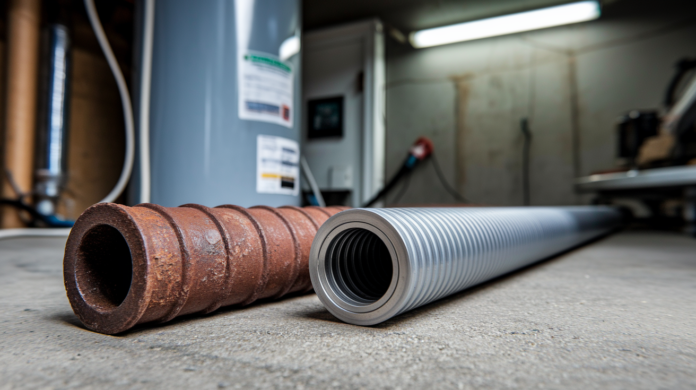

Most homeowners never think about their water heater’s anode rod until it’s too late. This small metal component, tucked inside your tank, is the only thing standing between normal operation and a flooded basement. Replace it every 3 to 5 years and your water heater can last 15 years or more. Skip this simple maintenance and you’re looking at premature tank failure, often years before the unit should quit. Here’s how to know when your anode rod needs replacement and what happens if you wait too long.
Standard Anode Rod Replacement Timeline and Key Factors

The industry standard for anode rod replacement sits at every 3 to 5 years. This timeline reflects typical residential water conditions and usage patterns, and most manufacturers align their maintenance guidelines with this range. A properly maintained anode rod can push your water heater to its full lifespan of around 15 years. Neglect this simple component and you’re looking at premature tank failure, often years before that mark.
Several factors compress or stretch this baseline. Households with high water usage, think large families running multiple showers daily and constant laundry loads, burn through anode rods faster. More water volume flowing through the tank means more corrosive contact. Hard water areas speed up deterioration significantly. Water with high mineral content, low pH levels, or elevated chlorine goes after the sacrificial rod more aggressively. Sometimes you’re looking at replacement every 2 to 3 years instead of the standard window.
Annual professional inspection is the most reliable way to nail down actual replacement timing for your specific situation. Rather than sticking to a rigid calendar schedule, yearly checks let you see exactly how your water conditions and usage patterns are affecting the rod. If inspection shows the rod’s still holding up at year four, you can wait. If it’s heavily corroded at year two, you’ll catch it before tank damage starts.
Warning Signs Your Anode Rod Needs Replacement Now
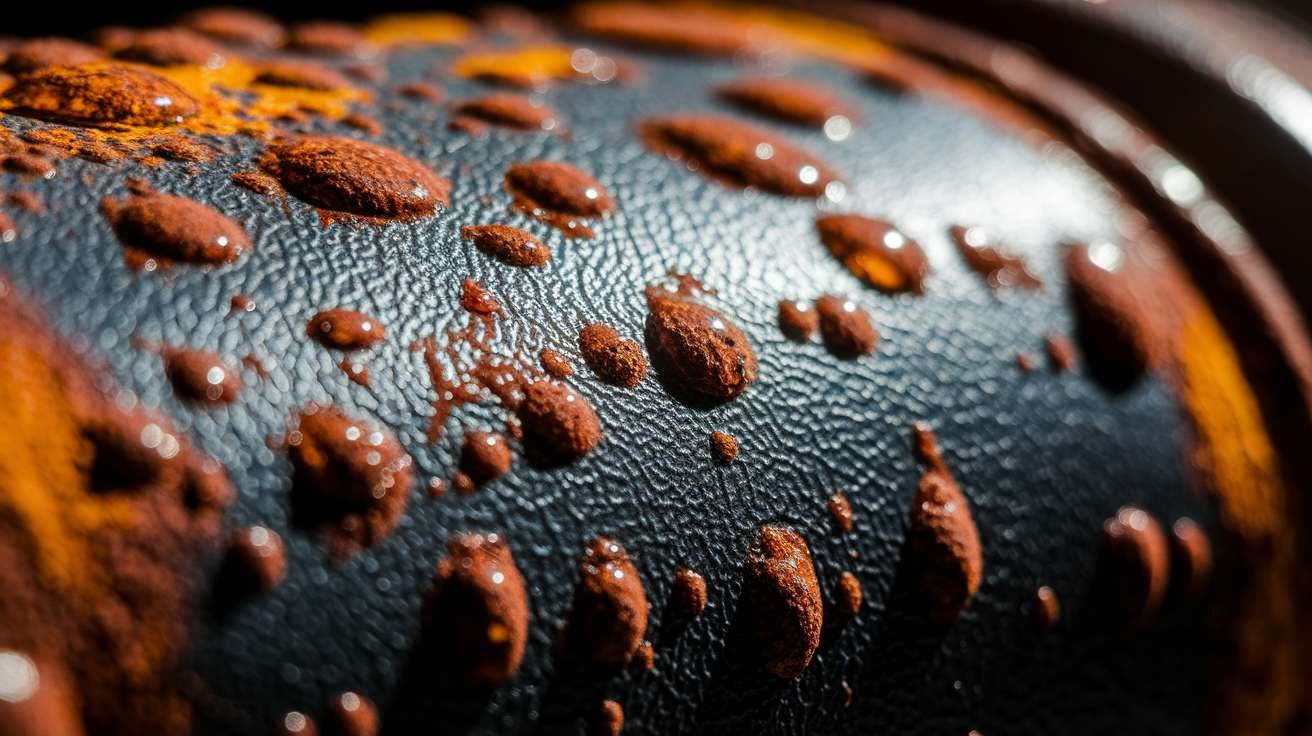
Certain symptoms tell you the anode rod has failed or is close to it, giving you a narrow window to act before the tank itself starts corroding.
Sulfur or rotten egg smell from hot water taps. This distinctive odor comes from hydrogen sulfide gas produced when bacteria react with a depleted anode rod.
Rust-colored or discolored hot water. Brown, red, or murky water signals that corrosion has moved beyond the rod and into the tank walls.
Sediment or rust particles in water. Visible flakes or grit in hot water indicate advanced corrosion and material breaking down inside the tank.
Metallic taste or odor in hot water. A distinct metal flavor or smell means corroded material is dissolving into your water supply.
Visible heavy corrosion or rod diameter less than half original size. During inspection, a rod worn down to less than 50% thickness or showing exposed core wire needs immediate replacement.
Water heater age exceeding 10 years. Any unit over a decade old should have its anode rod replaced regardless of visible condition, as metal fatigue and accumulated stress compromise protection.
These warning signs mean the rod’s protective capacity is exhausted. Once the sacrificial metal is consumed, corrosive forces turn their full attention to the steel tank walls. Rust and deterioration can advance quickly at this stage, sometimes causing leaks within months of the first symptoms appearing. If you’re seeing any of these indicators, replacement isn’t just recommended. It’s urgent.
What an Anode Rod Does and Why Replacement Matters

An anode rod is a metal component, typically 44 to 53 inches long, made of magnesium, aluminum, zinc, or a combination of these metals. It runs vertically inside your water heater tank.
The rod functions through a process called cathodic protection. Through electrolysis, the anode rod’s metal is more electrically active than the steel tank walls, so it attracts corrosive elements in the water. Minerals, sediment, and dissolved oxygen that would normally attack and rust the steel tank lining instead corrode the sacrificial rod. The rod literally dissolves itself to protect the tank, wearing away over years until it’s consumed. Think of it like a shield that takes all the hits so the tank stays safe behind it.
Once the anode rod fully corrodes, the protective barrier is gone. At that point, the steel tank becomes the next target. Water and minerals begin attacking the tank walls directly, causing rust spots, weakening the structure, and eventually creating pinhole leaks or larger failures. Corrosion is the number one cause of water heater failure. A depleted anode rod doesn’t just mean you need a small part replaced. It means your entire water heater is now on a countdown to failure.
Annual Inspection and Replacement Criteria
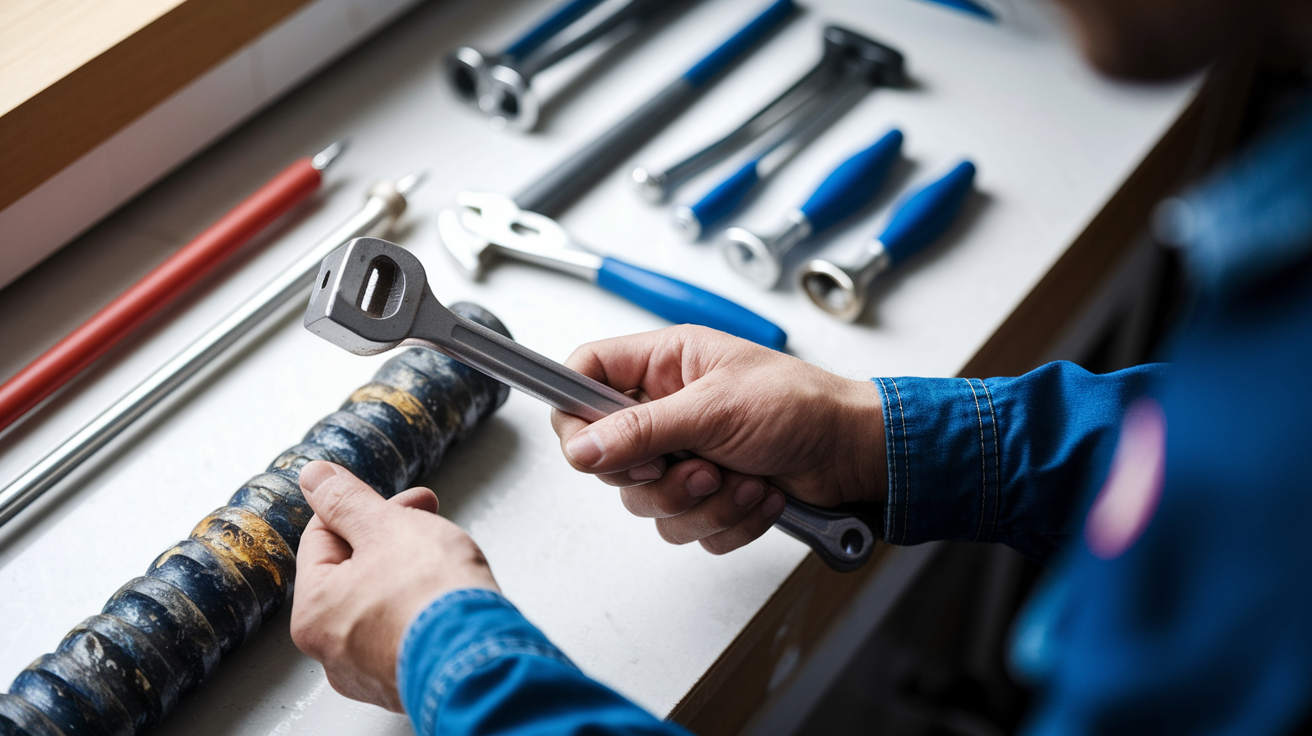
Schedule a professional inspection of your anode rod once per year as part of routine water heater maintenance. This yearly check is the most reliable method for determining actual replacement timing based on your specific water conditions and usage patterns.
The inspection process involves locating the anode rod’s access port, typically positioned on top of the water heater tank. Some models have a dedicated hex head access point, while others integrate the rod into the hot water outlet connection. A plumber uses a socket wrench, usually 1 1/16 inch, to loosen and remove the rod for visual assessment. The rod’s condition tells the full story of how your water is affecting the tank and whether replacement is needed now or can wait another year.
Rod diameter reduced by 50% or more compared to original thickness. Significant material loss means the protective capacity is nearly exhausted.
Heavy corrosion with exposed core wire visible. When the outer metal is gone and you can see the steel core wire, the rod can no longer protect the tank.
Calcium or mineral coating covering more than 6 inches of rod length. Excessive buildup prevents the rod from functioning properly and signals aggressive water conditions.
Any visible cracks, breaks, or structural damage to the rod. Physical damage compromises the rod’s ability to attract corrosive elements away from tank walls.
Rod age exceeding 10 years regardless of visible condition. Time and thermal cycling weaken the metal structure even if surface appearance seems acceptable.
Annual inspection catches deterioration early, giving you time to plan replacement before emergency failure occurs. Professional maintenance visits typically include comprehensive system assessment alongside anode rod inspection. Your plumber will drain and flush sediment from the tank, test the pressure relief valve and drain valve, verify electrical connections are secure, check gas line connections on gas units, confirm thermostat settings, inspect burners for proper operation, and examine tank insulation for damage. This complete service approach extends water heater life and prevents the cascade of failures that often follow a depleted anode rod.
Water Quality Factors That Affect Replacement Frequency

Local water conditions and household usage patterns are the primary determinants of how long an anode rod will last. Understanding your water chemistry helps predict whether you’ll need replacement on the shorter or longer end of the standard timeline.
| Factor | Impact on Anode Rod Lifespan |
|---|---|
| Hard Water (High Mineral Content) | Significantly shortens lifespan, often requiring replacement every 2 to 3 years instead of 3 to 5 years |
| Acidic Water (Low pH) | Accelerates corrosion rate, particularly damaging to magnesium rods |
| Water Softener Systems | Softened water can accelerate certain types of corrosion, aluminum rods perform better in these conditions |
| High Chlorine Content | Increases oxidation rate and speeds rod deterioration |
| Household Water Usage Volume | Large families with high hot water demand wear rods faster due to increased water flow through tank |
| Tank Temperature Settings | Higher temperature settings (above 140°F) accelerate all corrosion processes |
| Water Heater Age | Older tanks with existing corrosion require more frequent rod replacement to maintain protection |
| Rod Material Type | Magnesium corrodes faster but provides stronger protection, aluminum lasts longer in soft or acidic water |
Hard water and high usage volume are the two most common accelerators homeowners encounter. If your area has mineral heavy water and you’re running a household of four or more people, expect to replace the anode rod on the shorter end of the timeline. Aluminum rods typically perform better than magnesium in soft water or acidic conditions, while magnesium rods suit most standard municipal water supplies with neutral to slightly alkaline pH.
Annual water testing or reviewing your local water quality reports helps you understand which conditions you’re dealing with. Many municipalities publish water hardness levels and pH measurements online. If your water shows high mineral content, low pH, or elevated chlorine, plan for inspection and potential replacement more frequently than the standard 3 to 5 year interval.
Professional assessment during service visits evaluates your water conditions and recommends appropriate rod types and replacement schedules. A plumber familiar with local water characteristics can predict wear patterns and suggest whether magnesium, aluminum, or combination rods will provide the longest protection for your specific situation.
Types of Anode Rods and Which to Choose
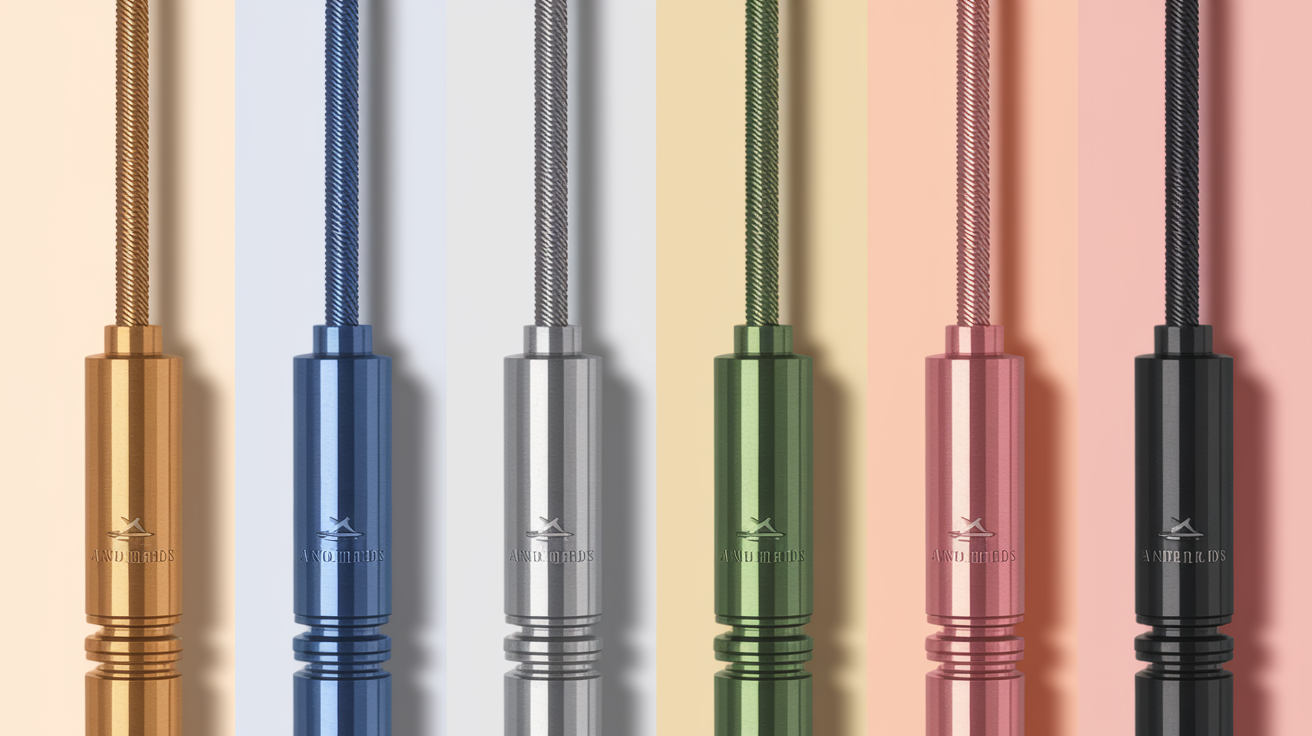
Choosing the right rod type for your water conditions improves longevity and ensures the tank receives proper protection throughout the replacement cycle.
Magnesium Anode Rods
Magnesium is the standard choice for most residential water heater tanks. These rods work best in neutral to slightly alkaline water and provide excellent protection in typical municipal water supplies. Magnesium is highly reactive, meaning it sacrifices itself quickly to protect the tank, making it the most effective option when water chemistry doesn’t create special challenges.
Aluminum Anode Rods
Aluminum rods are ideal for soft water, low pH (acidic) conditions, and homes with water softener systems. They’re less reactive than magnesium, which means they corrode more slowly in these specific environments. If you have naturally soft water or acidic well water, aluminum will outlast magnesium and provide better long term value.
Zinc Anode Rods and Combination Rods
Zinc combination rods, typically zinc aluminum or zinc magnesium blends, address recurring sulfur smell issues. If your hot water occasionally develops that rotten egg odor even after replacing a standard rod, a zinc combination rod helps control the bacterial reaction that produces hydrogen sulfide gas. These rods are specifically recommended when odor is a persistent problem.
Powered (Electric) Anode Rods
Powered anodes offer a permanent solution that eliminates replacement need entirely. Instead of sacrificial metal, these rods use a small electrical current to provide cathodic protection continuously. The upfront cost is higher, typically $100 to $200 versus $20 to $50 for standard rods, and they require continuous power supply. For homeowners who want to eliminate the replacement cycle, powered rods deliver lifetime protection.
Rod length and diameter must match your tank’s specifications. Standard residential tanks use 44 inch rods, but some taller commercial units require 53 inch versions. If your water heater is installed in a location with limited overhead clearance, flexible segmented rods are available that bend during installation and then straighten inside the tank.
Step by Step Anode Rod Replacement Procedure
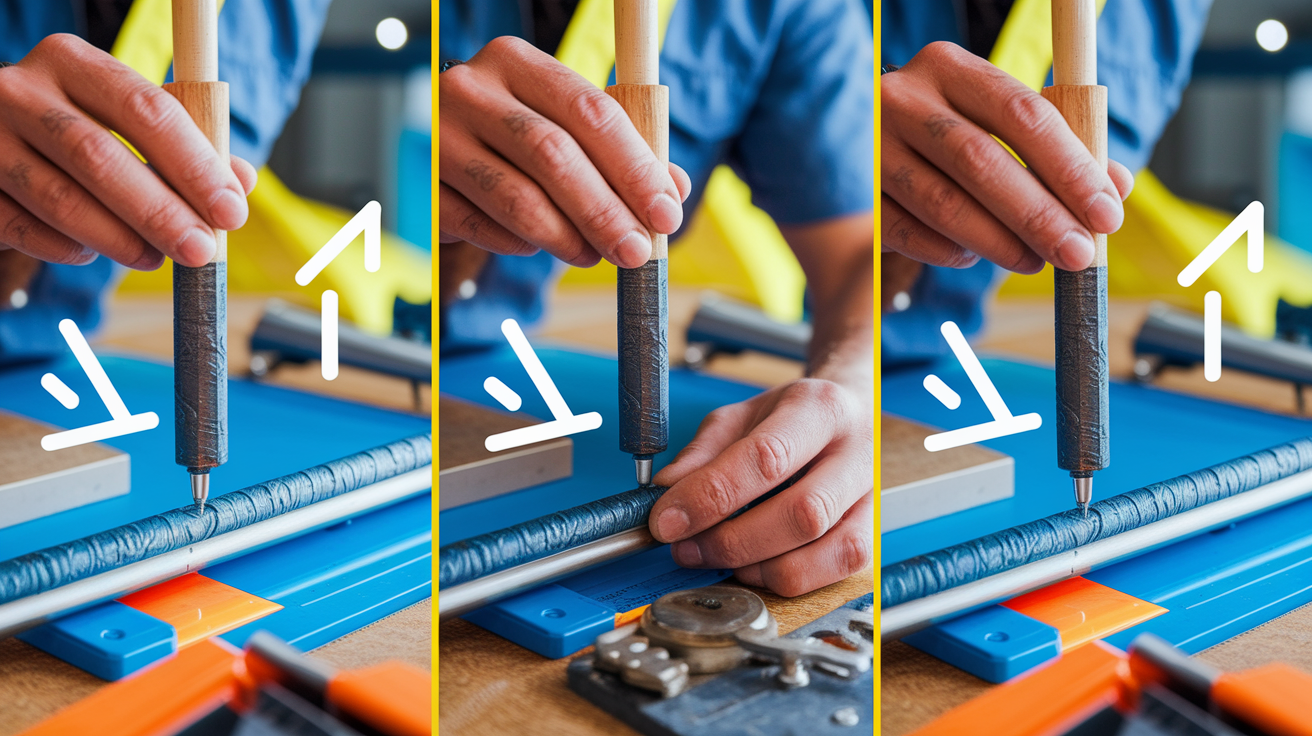
This is a manageable DIY project for homeowners with basic tool skills and confidence working with home systems. If you’re uncomfortable with any part of the process or the rod won’t budge, professional help is available. For those attempting DIY replacement, check out DIY home repair tips for additional guidance on home maintenance projects.
- Turn off power supply. Flip the circuit breaker for electric water heaters or turn the gas valve to pilot or vacation mode for gas units.
- Shut off cold water supply valve to the tank. This valve is located on the cold water pipe leading into the top of the water heater.
- Attach a garden hose to the drain valve and drain 2 to 3 gallons. This reduces tank pressure and lowers the water level below the anode rod location.
- Locate the anode rod hex head on top of the tank. Some models have a dedicated access point under a plastic cap, others integrate the rod into the hot water outlet fitting.
- Use a 1 1/16 inch socket wrench or impact wrench to loosen and remove the old rod. The initial break may require significant force if the threads are corroded in place. You may need a breaker bar or helper for leverage.
- Inspect the removed rod for condition. If it’s heavily corroded, less than half the original diameter, or shows exposed core wire, replacement is confirmed necessary.
- Apply Teflon tape or pipe thread sealant to the threads of the new anode rod. Wrap the tape clockwise around the threads three to four times for a proper seal.
- Insert and hand tighten the new rod, then finish with the socket wrench. Tighten firmly but avoid over tightening, which can damage threads or crack the tank fitting.
- Refill the tank, open a hot water faucet to bleed trapped air, restore power, and check for leaks. Let water run from the faucet until it flows smoothly without sputtering, then verify no water is dripping from the rod connection point.
You’ll need a few basic tools for this job. A 1 1/16 inch socket wrench or adjustable wrench fits most anode rod hex heads. A breaker bar or impact wrench helps with stuck rods that won’t turn with normal force. Teflon tape seals the threads on the new rod. A standard garden hose connects to the drain valve for water removal. Having a second person available can make a big difference when dealing with a corroded rod that requires extra leverage to break free.
Safety Precautions During Anode Rod Replacement
Water heaters contain hot water under pressure and have electrical or gas connections that must be properly disabled before you start working.
Turn off electrical power at the breaker or set the gas valve to pilot or off. Never work on a water heater with active power or gas flow.
Shut off the cold water supply valve. This prevents fresh water from entering while you’re working and reduces pressure in the system.
Allow the tank to cool for at least 2 hours if recently used. Hot water can cause serious burns. Let the tank temperature drop to safe levels before starting.
Open a hot water faucet to relieve pressure before starting. This releases built up pressure and prevents spray or sudden water release when you loosen the anode rod.
Call a professional if the rod is severely stuck or safety concerns arise. Forcing a stuck rod can crack the tank fitting or cause injury.
If you’re uncomfortable with any safety step, or if the anode rod won’t loosen with reasonable force, professional service is the safer choice. A cracked tank fitting or damaged threads can turn a simple maintenance task into an emergency water heater replacement situation.
Cost of Anode Rod Replacement: DIY vs. Professional Service

Cost varies based on rod type and whether you handle the job yourself or hire professional service.
DIY material costs are relatively low. Standard magnesium or aluminum anode rods range from $20 to $50 at home improvement stores or online. Powered anode rods cost significantly more, typically $100 to $200, but eliminate future replacement needs. If you don’t already own the required tools, a 1 1/16 inch socket wrench costs $15 to $30. Total DIY expense usually stays under $75 for a standard replacement if you have basic tools on hand.
Professional service typically costs $150 to $300 for a service call that includes labor, the replacement rod, and often additional maintenance tasks. Many plumbers combine anode rod replacement with annual tank maintenance, which includes flushing sediment, testing the pressure relief valve and drain valve, checking electrical or gas connections, and performing a full system inspection. For professional water heater maintenance options and transparent pricing, visit Professional water heater maintenance.
Professional service costs more upfront but includes expertise, warranty on the work, and comprehensive inspection that catches other developing issues. Annual professional maintenance can extend water heater life by 5 or more years beyond typical lifespan, which means the service cost is offset many times over by avoiding premature water heater replacement.
When to Call a Professional Instead of DIY

While DIY anode rod replacement is possible for capable homeowners, certain conditions make professional service the safer or more practical choice.
Water heater still under manufacturer warranty. Many warranties require professional installation and service. DIY work may void your coverage.
Anode rod severely corroded and stuck in place. Rods that won’t break free with reasonable force need professional extraction to avoid damaging tank fittings.
Limited overhead clearance requiring flexible rod installation. Specialized flexible rods and installation techniques work best with professional experience.
Visible tank damage, rust, or active leaking. If the tank itself shows corrosion or leaks, replacement may be needed instead of just the anode rod.
No prior plumbing or water heater maintenance experience. First time attempts carry higher risk of mistakes that can damage the system.
Gas water heater service. Working around gas connections requires extra caution and knowledge of gas line safety.
Preference for full maintenance inspection with replacement. Comprehensive service visits provide peace of mind and catch multiple issues in one appointment.
For situations requiring professional intervention, visit When to call a water heater professional to schedule service. WaterFixCentral.com provides rapid response for anode rod replacement, complete tank inspection, and preventative maintenance designed to extend water heater life and prevent emergency failures. Professional service ensures correct installation, includes warranty protection on work performed, and gives you a full assessment of your water heater’s condition and remaining lifespan.
Consequences of Neglecting Anode Rod Replacement
A depleted anode rod leads directly to tank corrosion and premature water heater failure, turning a simple maintenance item into a major expense.
Once the sacrificial rod is fully consumed, corrosive elements in your water immediately begin attacking the steel tank walls. The progression moves quickly. Rust forms on the interior surfaces. Pinhole leaks develop as corrosion eats through the steel. Structural weakness spreads as more metal deteriorates. Eventually the tank fails catastrophically, often rupturing and flooding the surrounding area with 40 to 80 gallons of water. Corrosion is the number one cause of water heater failure, and a neglected anode rod is the direct path to that failure.
Secondary consequences compound the problem before the tank actually fails. Sediment and rust particles build up on the tank bottom, reducing heating efficiency and forcing the system to work harder. Energy costs climb as the struggling heater uses more gas or electricity to maintain temperature. Water quality deteriorates, producing discolored, metallic tasting water that stains fixtures and laundry. If the tank ruptures, water damage to flooring, walls, and belongings in the surrounding area can reach thousands of dollars, especially if the failure happens while you’re away from home.
Preventative replacement is dramatically cheaper than emergency response. A $20 to $50 replacement rod installed every 3 to 5 years prevents an $800 to $2,000+ water heater replacement. Factor in potential water damage repairs and the cost difference becomes even more extreme. Regular maintenance protects your investment and helps your water heater reach its full 15 year lifespan instead of failing at 7 or 8 years.
Anode Rod Maintenance for Different Water Heater Types
Most traditional tank style water heaters use sacrificial anode rods, but maintenance requirements vary across different configurations.
Standard residential tank water heaters, whether powered by gas or electricity, all require anode rods regardless of capacity. Units ranging from 30 to 80 gallon capacity follow the typical 3 to 5 year replacement interval. The heating method, gas flame versus electric elements, doesn’t change anode rod maintenance needs. Both types experience the same internal corrosion processes and need the same protective measures.
Tankless water heaters operate differently and do not use anode rods. Because tankless systems heat water on demand as it flows through the unit rather than storing heated water in a tank, there’s no steel tank requiring cathodic protection. Commercial tank units and large capacity residential models may have multiple anode rods installed at different locations in the tank. These systems require coordinated inspection and replacement to maintain complete protection across all interior surfaces.
Always consult your water heater’s owner’s manual or contact a professional to confirm anode rod access location and replacement specifications for your specific model. Some manufacturers use non standard rod sizes or integrate the anode into other fittings in ways that require special removal procedures.
Final Words
Your water heater’s anode rod quietly protects your tank from corrosion every single day. Checking it once a year and replacing it every 3 to 5 years stops expensive tank failures before they start.
If you notice rust-colored water, a sulfur smell, or your heater is over 10 years old, don’t wait. A worn-out rod means your tank is next in line for damage.
Regular anode rod maintenance is one of the easiest ways to stretch your water heater’s life to 15 years and avoid emergency replacements. A simple inspection now beats dealing with a flooded basement later.
FAQ
How do I know when my anode rod needs replacing?
You know your anode rod needs replacing when you notice a sulfur or rotten egg smell from hot water taps, rust-colored or discolored hot water, sediment particles in your water, or a metallic taste. During visual inspection, replace the rod if it’s reduced to less than half its original thickness, shows heavy corrosion with exposed core wire, has calcium coating covering more than six inches, or displays any cracks or breaks. Additionally, replace the rod if your water heater is over 10 years old regardless of visible condition, as age alone signals the protective capacity is likely exhausted.
How long does an anode rod last?
An anode rod lasts between three to five years under typical residential conditions, though actual lifespan varies significantly based on water quality and usage volume. Hard water areas and households with high hot water usage require more frequent replacement, sometimes as often as every two to three years. Soft water or low-usage homes may extend rod life beyond five years. Annual professional inspection provides the most accurate assessment of remaining rod life rather than relying solely on calendar intervals, since local water chemistry directly impacts how quickly the rod corrodes.
How much does a plumber charge to change an anode rod?
A plumber typically charges between $150 and $300 to change an anode rod, including labor, the replacement rod, and often a basic tank inspection. This professional service usually combines anode rod replacement with annual water heater maintenance tasks such as tank flushing, valve testing, and full system inspection. DIY replacement costs $20 to $50 for standard magnesium or aluminum rods plus minimal tool expenses if you don’t already own a socket wrench, though powered anode rods run $100 to $200 for the part alone.
What happens if you don’t replace an anode rod?
If you don’t replace an anode rod, the steel tank begins rusting and corroding once the sacrificial rod is fully consumed, since corrosive elements then attack the tank walls directly. This progression leads to pinhole leaks, structural tank weakness, eventual catastrophic tank failure with flooding, and premature water heater replacement. Additional consequences include reduced heating efficiency, increased energy costs, discolored and unsafe water quality, and potential water damage to surrounding areas. A neglected anode rod turns a $20 to $50 preventative replacement into an $800 to $2,000-plus emergency water heater replacement plus potential water damage repairs.