
You’d think finding a leak would be quick. Water’s visible, right? But the average leak detection appointment takes 1 to 3 hours because most leaks hide where you can’t see them. A dripping faucet gets confirmed in 20 minutes. A slab leak under your foundation takes half a day with acoustic sensors and pressure testing. Detection time depends on where the water’s escaping, how your home’s built, and whether the leak’s obvious or buried behind drywall. Here’s what actually happens during professional leak detection and how long each method takes.
Typical Time Frames for Leak Detection Services
Most residential leak detection appointments take 1 to 3 hours from start to finish. That’s what you’re looking at when a technician shows up to figure out where water’s escaping.
Here’s how detection time breaks down:
- Simple fixture inspections: 15 to 45 minutes for toilets, faucets, or visible connections
- Visible pipe leaks: 30 minutes to an hour when you can already see dripping or moisture
- Hidden wall or ceiling leaks: 1 to 2 hours using detection equipment to trace moisture behind surfaces
- Slab leak detection: 2 to 4 hours for leaks under concrete foundations requiring acoustic and pressure testing
- Comprehensive whole home inspection: 2 to 3 hours for systematic coverage of all plumbing zones
- Emergency urgent leaks: 30 minutes to 2 hours for response and detection of active flooding situations
Emergency calls for burst pipes or active flooding get faster response times than routine inspections for a slowly climbing water bill. But once the technician arrives, the actual detection work takes about the same amount of time. A hidden leak doesn’t reveal itself faster just because it’s causing an emergency.
The numbers above cover detection only. They don’t include repair work, which happens after the source is confirmed. If you’re scheduling an appointment rather than calling for same day emergency service, expect to wait anywhere from same day availability to 3 to 5 business days depending on the company’s schedule and your area.
Factors That Affect Leak Detection Duration
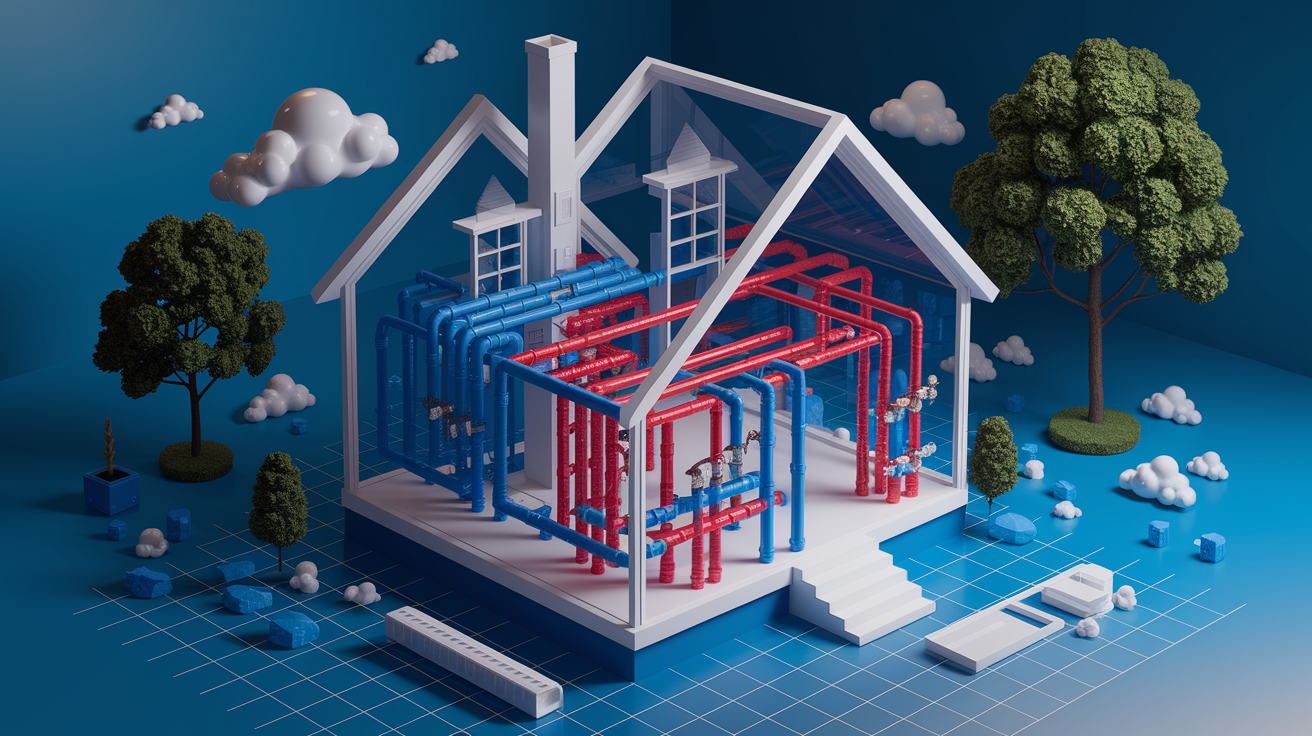
No two leak detection jobs take exactly the same amount of time. What looks like a simple drip under your kitchen sink might be easy to spot in 20 minutes, while a ceiling stain in your bedroom could take 90 minutes to trace back through attic plumbing.
Property characteristics make a big difference in how long detection takes. A 1,200 square foot single story home with newer plumbing goes faster than a 3,500 square foot two story with original 1970s galvanized pipes. Square footage matters because there’s more area to cover. Multiple floors add inspection zones. Older plumbing systems need more careful investigation because corrosion and outdated materials can hide problems or create multiple weak spots. Complex pipe layouts with additions and remodels take longer to trace than straightforward original construction.
Leak characteristics themselves affect timing. A toilet leaking at the base where you can see water pooling takes 15 minutes to confirm. A slow moisture problem behind a bathroom wall takes an hour or more with thermal imaging and moisture meters to pinpoint the exact source. Active flowing water makes noise and leaves obvious traces. Slow seepage that only shows up as a damp spot every few days requires patient testing. Sometimes what looks like one leak turns out to be two separate problems, which doubles detection time.
Accessibility issues add the most unpredictable time. Pipes running through finished walls need non-invasive detection equipment rather than quick visual checks. Slab leaks under concrete require acoustic sensors and pressure testing because you can’t just look at the pipes. Crawlspace access might mean 20 minutes of moving stored items and squeezing through tight spaces before detection even starts. Attic plumbing in a home without pull down stairs adds ladder setup time. Exterior pipes under landscaping or hardscaping need careful scanning without disturbing your yard more than necessary.
Detection scope determines the overall timeline. If you know you’ve got a leak somewhere around your guest bathroom, the technician focuses on that zone and associated supply lines. That’s faster than a whole home scan checking every fixture, appliance connection, and pipe run from the meter to the farthest bathroom. Pressure testing your entire system to find a mystery leak causing high water bills takes longer than checking a specific dripping faucet you’ve already identified.
Leak Detection Time by Location and Plumbing Issue
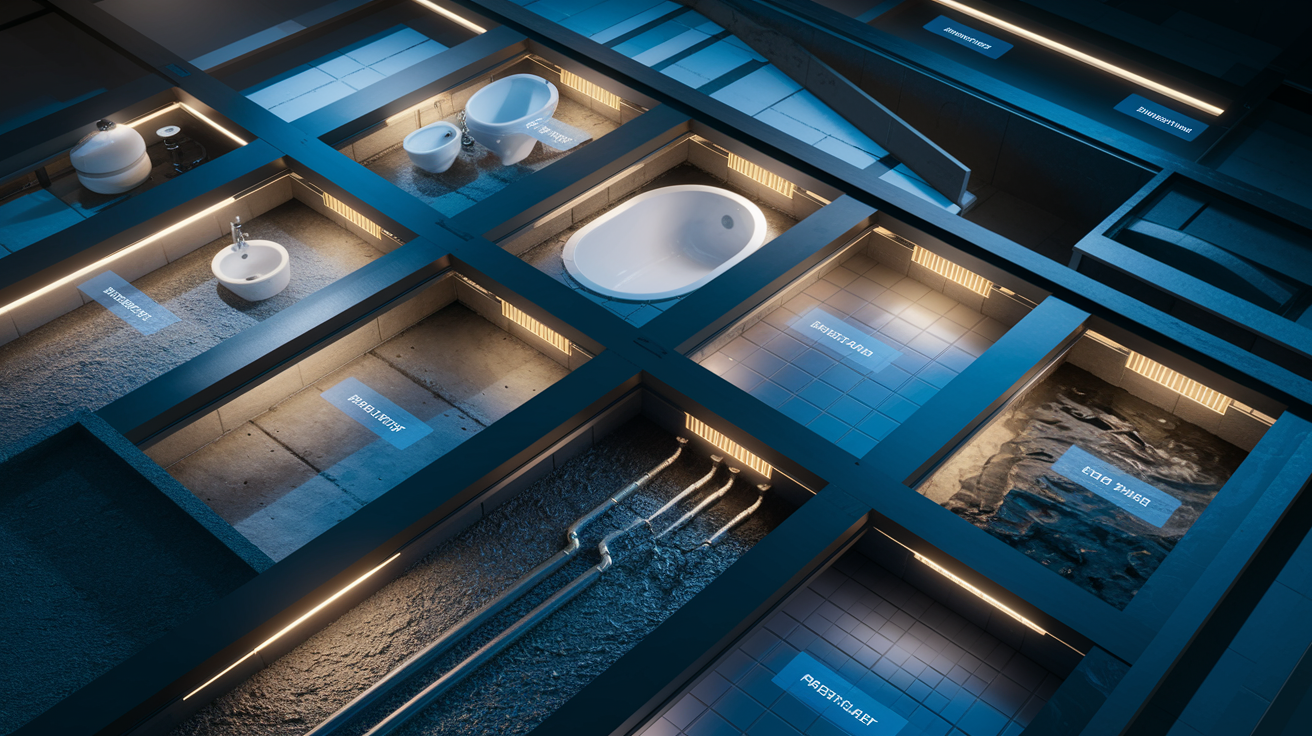
Where the leak is and what’s leaking determine how long detection takes. A dripping kitchen faucet is obvious in minutes. A slab leak under your family room floor is a half day investigation.
Accessible areas like bathrooms and kitchens are always faster to check than concealed plumbing. When technicians can see the pipes and connections, they can test them directly. When plumbing is hidden behind drywall, under concrete, or buried in your yard, detection requires specialized equipment and more systematic scanning.
| Location/Plumbing Issue | Typical Detection Time | Detection Method Used | Complexity Level |
|---|---|---|---|
| Toilet base or tank leak | 15 to 30 minutes | Visual inspection, dye test | Simple |
| Faucet or shower valve leak | 20 to 40 minutes | Visual inspection, fixture testing | Simple |
| Under sink supply line leak | 20 to 35 minutes | Visual inspection, pressure check | Simple |
| Water heater connections | 30 to 45 minutes | Visual inspection, connection testing | Simple to Moderate |
| Dishwasher or washing machine line | 20 to 35 minutes | Visual inspection, supply line check | Simple |
| Bathroom or kitchen plumbing | 45 minutes to 1.5 hours | Fixture testing, supply line inspection | Moderate |
| Ceiling leaks from above | 45 to 90 minutes | Attic access, moisture tracing, thermal imaging | Moderate |
| Interior wall leaks | 1 to 2 hours | Moisture meters, thermal imaging, acoustic detection | Moderate to Complex |
| Bathtub or shower pan leak | 1 to 2 hours | Flood testing, moisture detection, access panel inspection | Moderate to Complex |
| Floor and slab leaks | 2 to 4 hours | Acoustic sensors, pressure testing, thermal imaging | Complex |
| Main water line (underground) | 2 to 3 hours | Acoustic detection, pressure testing, ground scanning | Complex |
| Sewer or drain line leak | 1 to 2 hours | Camera inspection, pressure testing | Moderate to Complex |
| Outdoor irrigation systems | 1 to 3 hours | Zone pressure testing, visual inspection, acoustic detection | Moderate to Complex |
| Swimming pool leak | 2 to 3 hours | Dye testing, pressure testing, specialized pool equipment | Complex |
| Underground main line leaks | 2 to 4 hours | Acoustic sensors, pressure isolation, excavation planning | Complex |
Hidden leaks always require more time and specialized detection equipment than visible problems. That’s not a way to charge more. It’s the reality of finding water where you can’t see pipes. The time investment matters because accurate detection prevents misdiagnosed problems. Tearing into the wrong wall because you guessed at the leak location wastes money and doesn’t stop the water.
Early detection keeps water damage from spreading while the clock runs during detective work. Detection time doesn’t include repair work. Once the source is confirmed, the fix is a separate step. But knowing exactly where the problem is means repair estimates are accurate and the work gets done right the first time.
Common Detection Methods and What to Expect During Professional Appointments
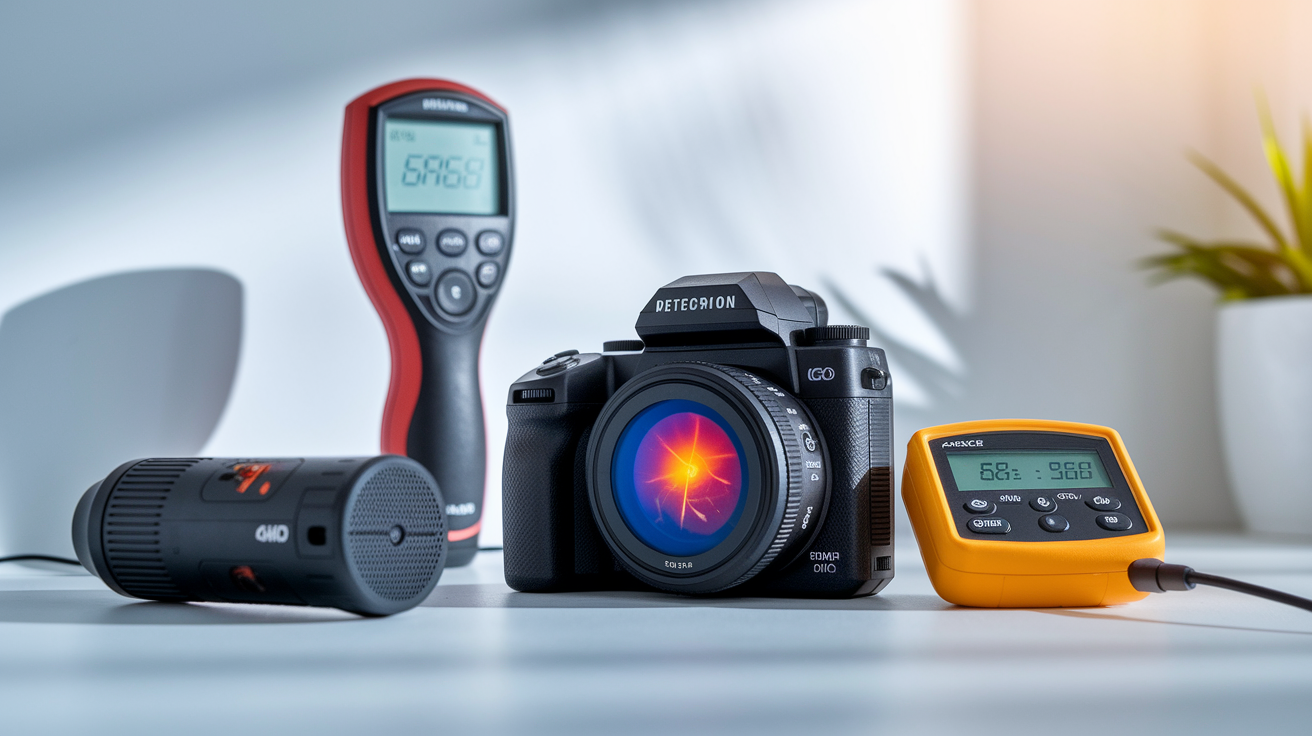
Professional leak detection follows a systematic process that combines multiple methods depending on what the situation requires. Technicians explain each step during the visit so you understand what’s happening and why. Leak detection and repair services use specialized equipment that most homeowners don’t have access to, which is why calling professionals with the right tools makes sense when you’re dealing with hidden leaks or when simple visual checks haven’t found the source.
The appointment starts with a consultation about symptoms, when you first noticed the problem, and any visible signs like stains, dampness, or unusually high water bills. This conversation takes 10 to 15 minutes and helps technicians focus their investigation. If you have recent water bills showing usage spikes or know when the meter seems to run even with everything turned off, that information gets mentioned here.
Visual assessment and basic testing come next. Technicians inspect likely problem areas and fixtures for 15 to 20 minutes, checking for obvious signs before deploying specialized equipment. This includes looking at exposed pipes, fixture connections, under sinks, around water heaters, and anywhere moisture stains or damage appear. They’ll also check your water meter to see if it’s registering usage when all water in the home should be off. This simple test confirms whether you have an active leak somewhere in the system.
Specialized equipment deployment is where detection gets precise. Acoustic sensors detect the sound of water escaping from pipes, typically requiring 45 to 90 minutes for thorough scanning of walls, floors, and ceilings. The sensors pick up frequencies that human ears miss. Thermal imaging cameras identify temperature differences caused by moisture, averaging 30 to 60 minutes per detection zone. Cold spots on walls or hot spots on floors show up clearly on the thermal display. Pressure testing isolates pipe sections and monitors for pressure drops over time, taking 1 to 2 hours for comprehensive system checks. Electronic detection using electromagnetic field changes or gas tracer methods can take 1 to 3 hours depending on how much area needs coverage. Moisture meters provide quick confirmation readings in 5 to 15 minutes per location once a suspected area is identified.
Verification and reporting wrap up the appointment. Technicians confirm the exact leak location through additional testing to make sure the source is correctly identified. Then they explain findings, what’s causing the leak, how severe it is, and what repair options you have. Most services provide a written report with photos of the detection process and the identified problem, plus a repair estimate for the necessary fix.
| Detection Method | Average Time | Best Used For |
|---|---|---|
| Visual inspection | 15 to 30 minutes | Obvious leaks, accessible fixtures, exposed pipes |
| Acoustic leak detection | 45 to 90 minutes | Hidden pipe leaks in walls, underground lines, slab leaks |
| Thermal imaging technology | 30 to 60 minutes per zone | Moisture behind walls, ceiling leaks, insulation issues |
| Pressure testing procedures | 1 to 2 hours | Whole system leak verification, isolating problem zones |
| Electronic and moisture detection | 1 to 3 hours | Pinpointing exact leak location, confirming moisture presence |
| Comprehensive multi-method scan | 2 to 3 hours | Unknown leak source, whole home inspection, complex systems |
What to prepare before the appointment:
- Clear access to suspected leak areas and plumbing fixtures so technicians can get to work immediately
- Know the location of your main water shutoff valve in case it needs to be used during testing
- Document any recent changes in water bills or pressure that might help identify when the problem started
- Remove items from under sinks and around fixtures if possible to save time during inspection
- Have information ready about home age and previous plumbing work if you know it
Emergency vs Routine Detection: Scheduling and Urgency Assessment
Recognizing how severe your leak situation is helps you get appropriate service timing and affects how quickly you can get scheduled. The difference between emergency and routine detection isn’t just about scheduling. It’s about preventing extensive water damage that gets worse every hour.
Acting quickly on serious leaks protects your home from structural damage, mold growth, and belongings getting ruined. But not every leak requires dropping everything for same day emergency service. Understanding the difference helps you make informed decisions about timing and saves money when routine scheduling works fine.
Signs requiring immediate or same day detection:
- Active water pooling or flooding anywhere in your home
- Sudden complete loss of water pressure throughout the house
- Sound of water running continuously when all fixtures and appliances are turned off
- Water meter spinning non-stop even with zero usage inside
- Ceiling sagging downward or walls bulging outward from water accumulation
- Hot spots on floors that indicate possible slab leak under the foundation
- Sewage smell suggesting a drain line or sewer line leak that’s a health hazard
Situations appropriate for routine scheduled detection:
- Water bill gradually increasing 10 to 20% over several months without explanation
- Minor faucet or toilet drips that aren’t getting worse day to day
- Occasional damp spot that dries out between appearances
- Musty smell in a specific area without visible moisture you can see
- Preventative inspection during home purchase or sale process
- Seasonal irrigation system performance check before or after winter
- Follow up detection after previous repair to confirm the problem is fully resolved
| Urgency Level | Response Time | Typical Detection Duration | Example Situations |
|---|---|---|---|
| Emergency | Same day or 2 to 4 hours | Similar to routine once technician arrives | Active flooding, burst pipes, sewage leaks, ceiling bulging |
| Urgent Priority | Next day or within 24 to 48 hours | Standard detection duration | Significant water damage developing, unexplained high water usage, major pressure loss |
| Routine Scheduled | 2 to 5 days out | Comprehensive service during business hours | Slow leaks, preventative inspections, minor fixture drips, seasonal checks |
The “wait and see” approach with symptoms that are getting progressively worse often turns into an emergency situation within weeks. What starts as a damp spot becomes a soaked wall. What begins as a small water bill increase becomes a monthly surprise that’s doubled.
Routine detection scheduled proactively takes less time overall and costs less than emergency response to a crisis that could have been prevented. Weekend and after hours emergency services may have faster response times to get a technician to your door, but the actual detection work takes about the same amount of time once they’re there. The urgency is about limiting damage, not rushing through detection. You want quick response, not hasty diagnosis. The balance is getting someone there fast when needed while allowing time for proper equipment setup and thorough investigation that finds the real source the first time.
Preparing Your Home to Speed Up Leak Detection Time
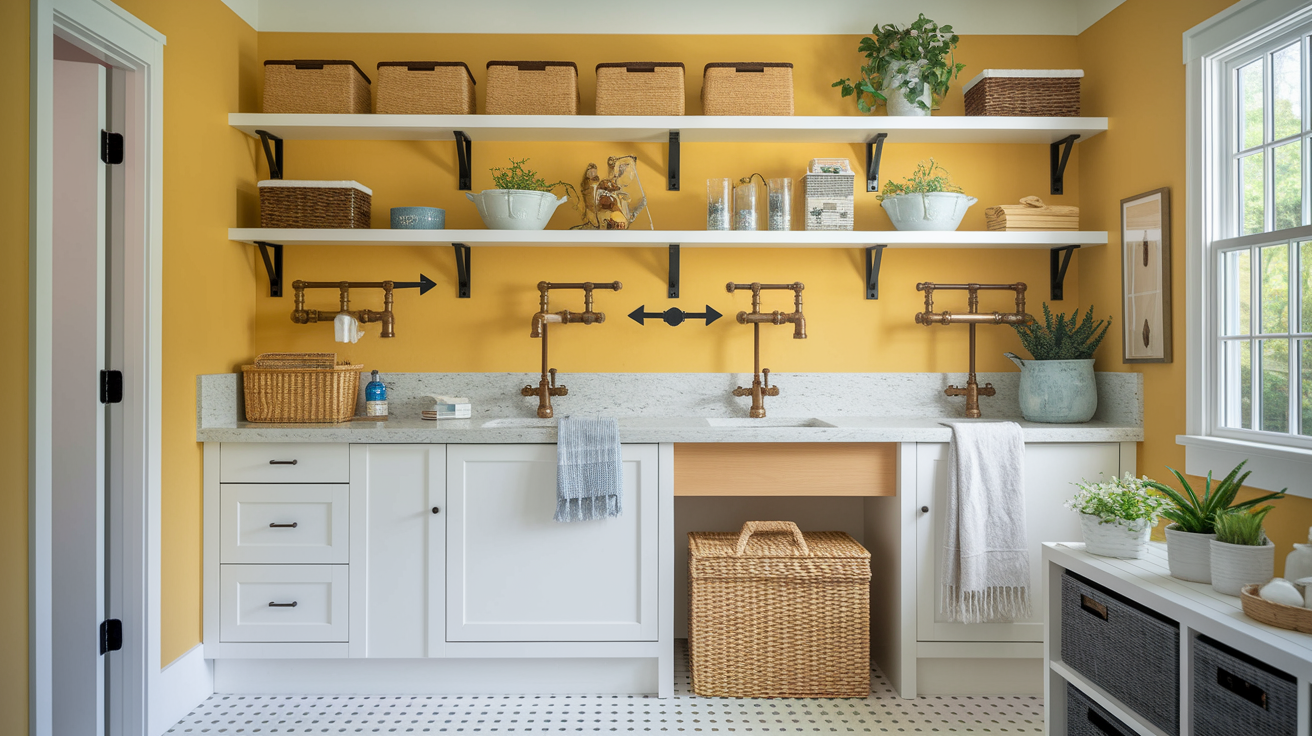
Simple preparation before the technician arrives can shorten detection time by 15 to 30 minutes. That might not sound like much, but it’s the difference between a 90 minute appointment and a two hour one when you’re taking time off work or rearranging your day.
Better access to plumbing areas means technicians spend their time actually detecting leaks instead of moving storage boxes, holiday decorations, or cleaning supplies out of the way. The clock starts when they arrive, so clearing paths to problem areas in advance makes the whole process more efficient.
Steps that help detection go faster:
- Clear items from under sinks, around the water heater, and near plumbing fixtures so inspection can start immediately
- Locate and test access to your main water shutoff valve before the appointment so you know where it is if needed
- Find your water meter location, which is usually near the street or along your property line for outside meters
- Document when you first noticed the problem and any patterns like time of day when sounds occur or when damp spots appear
- Take photos of visible water damage, ceiling or wall stains, or wet areas to show progression over time
- Note recent changes in water pressure, strange gurgling sounds, or running water noises when everything should be quiet
- Ensure clear access to crawlspace entrance, attic pull down stairs, or basement areas where pipes might run
- Turn off irrigation systems, refrigerator ice makers, and any automatic water using appliances 30 minutes before the scheduled appointment time
When you have organized information and clear access ready, technicians can work through their detection process systematically without interruptions or delays. Good preparation leads to more accurate detection because the focus stays on finding the leak rather than dealing with access obstacles.
Cost and Time Considerations for Leak Detection Services
Basic leak detection typically costs $150 to $400 for standard appointments lasting 1 to 2 hours. These appointments cover visual inspection, basic testing, and straightforward detection of accessible leaks in fixtures, supply lines, or visible plumbing. If the problem is a dripping faucet or a toilet leak at the base, this level of service finds it without extensive equipment deployment.
Comprehensive whole home scans using multiple detection methods range from $300 to $600 and take 2 to 4 hours of thorough investigation. This level of service makes sense when you know you have a leak somewhere causing high water bills or moisture problems, but you can’t pinpoint the source. Technicians systematically check the entire plumbing system using acoustic sensors, thermal imaging, pressure testing, and moisture detection equipment.
Slab leak and underground pipe detection using advanced acoustic equipment and pressure isolation testing costs $400 to $800 and requires 2 to 4 hours because of the complexity involved in pinpointing leaks under concrete or buried in your yard.
Emergency after hours detection may include rush fees adding $100 to $200 to the base cost, but the actual detection duration stays similar once the technician arrives. Some companies offer free detection if you commit to having them do the repair work, which can be a good deal if the repair estimate is fair and competitive.
Several factors affect detection costs beyond just the time required. Complexity of the leak location naturally takes more time and specialized equipment. A hidden wall leak requires thermal imaging and moisture meters. A slab leak needs acoustic sensors and pressure testing. Underground main line leaks might require electronic detection equipment.
Emergency or after hours service comes with premium pricing because you’re paying for immediate availability, not just the detection itself. Equipment requirements for different leak types drive costs too. Basic visual inspection uses eyes and experience. Finding a slab leak requires thousands of dollars worth of detection technology that took years to learn how to use effectively.
Faster detection isn’t always better. Thoroughness matters more than speed. A technician who rushes through detection and misses the real source hasn’t saved you anything. You end up calling someone else for a second opinion or discovering the problem wasn’t actually fixed after repair work is completed.
Experienced technicians work efficiently because they know where to look and how to interpret detection equipment readings accurately. Their speed comes from competence, not corner cutting. Accurate detection saves money on unnecessary repairs by preventing situations where walls get opened in the wrong location or pipes get replaced when the problem was actually a loose connection. The time investment in proper detection pays off in targeted repair work that solves the problem completely.
Water leak detection and repair services sometimes include detection as part of repair estimates, but understanding what’s included helps you compare options fairly. Some services offer free detection specifically with committed repair work, meaning if you agree to have them fix whatever they find, there’s no separate detection charge. That can be valuable if you trust the company and their repair pricing is reasonable.
Comprehensive paid detection is worth the investment when you want an independent diagnosis before committing to repairs, especially for expensive fixes like slab leaks or main line replacements. You’re paying for information and peace of mind that the diagnosis is accurate before major work begins. The detection cost is minor compared to thousands spent on repairs that might not be necessary or might not address the real problem.
DIY Leak Detection vs Professional Service Time
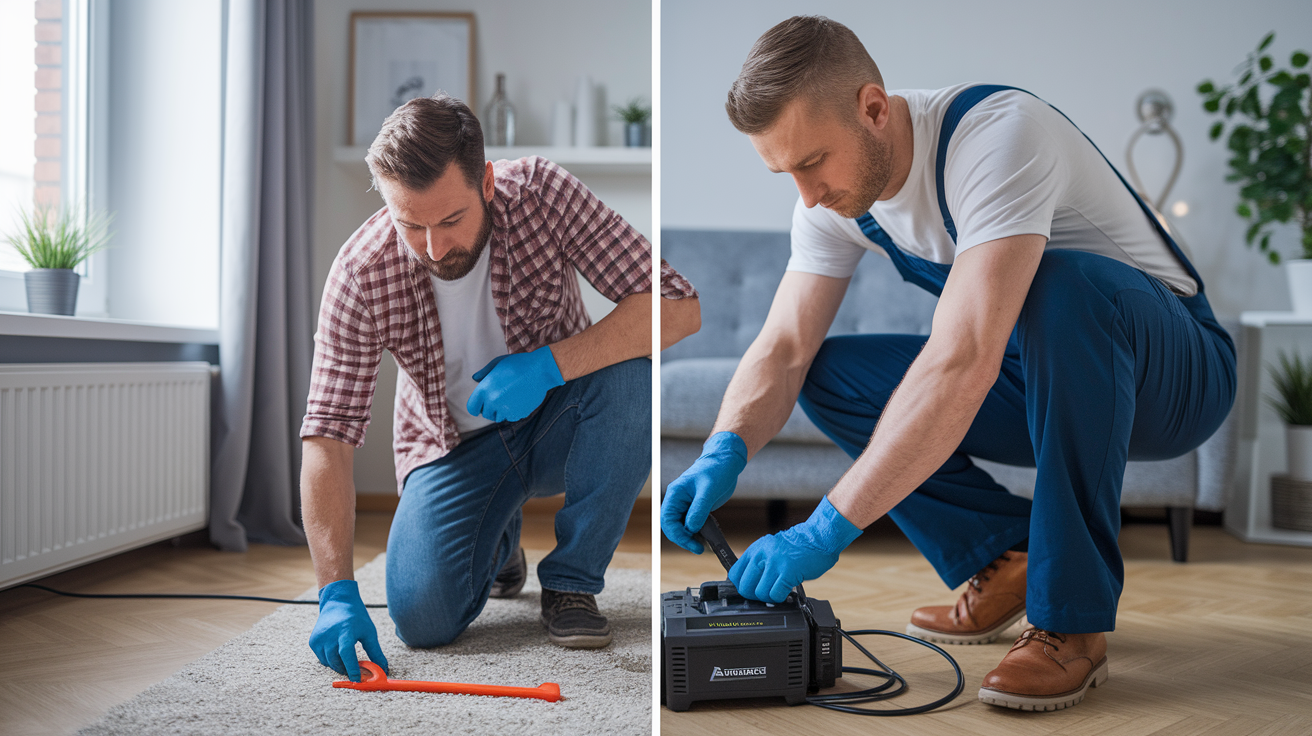
Many homeowners want to try finding leaks themselves before calling for professional help. That’s understandable. Detection services cost money, and if you can solve the problem with a quick look, why not try?
DIY approaches work well for visible, accessible leaks but have significant limitations when it comes to hidden problems. You can check exposed pipes, test fixtures with food coloring, and monitor your water meter. But you can’t see through walls or under concrete slabs without specialized equipment.
| Approach | Time Required | Success Rate | Best For | Limitations |
|---|---|---|---|---|
| DIY methods | 30 to 60 minutes per attempt, often multiple sessions over days | Finds obvious leaks, misses hidden problems 80%+ of the time | Visible fixture drips, exposed pipe connections, toilet tank leaks | No equipment for hidden leaks, moisture damage worsens during troubleshooting delays |
| Professional detection | 1 to 3 hours for comprehensive detection in single visit | Finds 95%+ of leaks including hidden sources | Unknown leak sources, high water bills, moisture with no visible cause, hidden pipe leaks | Costs $150 to $600 depending on complexity, requires scheduling appointment |
DIY detection makes sense for visible fixture leaks where you can see dripping or moisture at connection points. Simple toilet issues like flapper problems show up with a food coloring test in the tank. If the water turns color in the bowl after 15 minutes without flushing, you’ve confirmed the leak source.
Learning where your shutoff valves and water meter are located is valuable knowledge that helps whether you fix problems yourself or call professionals. Initial troubleshooting of obvious issues before calling for help can save you a service call fee if you discover it’s something simple like a loose connection you can tighten yourself.
Professional detection saves time overall when you’re dealing with hidden leaks causing unexplained water bills or moisture damage you can’t trace to a source. Situations requiring specialized equipment like acoustic sensors, thermal imaging, or pressure testing aren’t realistic DIY projects.
When you’ve spent 1 to 2 days trying to find a leak yourself without success, continuing to guess wastes more time while water damage potentially spreads. The detection service fee is minor compared to water damage costs that exceed it after just a few days of an undetected leak.
A hidden wall leak causing $50 of water waste weekly adds up to $200 monthly while you’re troubleshooting. Professional detection costing $300 pays for itself if it finds the leak in one visit instead of letting it run for weeks. Peace of mind from accurate diagnosis matters too. You know the source is correctly identified and the repair will actually solve the problem instead of being another guess.
How Property Type Affects Leak Detection Duration

Property type and age significantly influence how long leak detection takes. A 1,200 square foot ranch built in 2015 goes faster than a 3,000 square foot Victorian built in 1920 with three additions and a basement.
Single family residential homes typically require 1 to 3 hours for standard leak detection. The main factors are square footage and number of bathrooms or plumbing fixtures. A three bedroom, two bath home with one kitchen and a laundry room has a defined plumbing system that technicians can systematically check. Adding a half bath or a second floor adds 30 to 45 minutes because there are more fixtures to test and additional pipe runs to inspect.
Multi-unit properties like condos and apartments present different challenges. Detection in your unit might take 45 minutes to 2 hours, but isolating unit specific leaks from shared plumbing takes extra time. Water supply lines often run vertically through buildings, serving multiple units from common pipes. A leak in a shared wall between units requires coordination to determine whose side the problem is actually on. Building management coordination adds scheduling complexity even though the actual detection work might not take longer once access is confirmed.
Commercial buildings require extended timeframes, typically 3 to 8 hours for thorough leak detection. Complex plumbing systems with multiple zones, numerous fixtures, and larger area coverage all contribute to longer appointments. A retail space or office building might have bathrooms in multiple locations, break rooms with sinks, and water service for various equipment. Technicians work systematically through each zone to ensure nothing is missed. Many commercial detection appointments happen after hours to minimize business disruption, which affects scheduling but not the actual detection duration.
Property age makes a noticeable difference in detection time. Older homes built 50+ years ago typically add 30 to 45 minutes to detection appointments because of outdated pipe materials and corrosion issues that complicate the investigation. Galvanized pipes common in homes from the 1950s and 60s corrode from the inside out, creating multiple potential weak spots. Cast iron drain lines develop pinhole leaks that are harder to isolate. Technicians need to check more thoroughly because the entire system might be near the end of its useful life, not just one isolated problem.
New construction offers detection advantages with modern PEX or copper plumbing systems that are better documented and more accessible. Detection in homes built within the last 10 years typically takes 1 to 2 hours because pipe layouts follow modern code, materials are reliable, and as-built documentation might actually show where pipes run.
Multi-story and large properties add time for each floor level. A two story home adds 30 to 60 minutes compared to a single story of the same square footage. Three stories or more can add 60 to 90 minutes because pipe runs are longer, there are more potential leak points, and accessing different levels takes time.
Basement, crawlspace, and attic access requirements factor in heavily. A home with an unfinished basement where all plumbing is visible and accessible gets faster detection than one with finished space where pipes are behind drywall. Crawlspace access that requires squeezing through a small opening and navigating tight spaces adds time even before detection equipment is deployed. Attic access via pull down stairs is faster than attics requiring ladder setup and removal of stored items.
Final Words
Most leak detection jobs wrap up in 1-3 hours, but how long leak detection actually takes depends on your specific situation.
Simple fixture checks might only need 20 minutes, while slab leaks can require half a day.
The good news? Spending that time upfront prevents misdiagnosed problems and water damage that costs thousands to fix.
A thorough professional detection finds the real source, tests the findings, and gives you a clear repair plan. That’s time well spent protecting your home.
FAQ
How long does a leak detection take?
A leak detection typically takes 1-3 hours for standard residential appointments, though simple fixture checks can be completed in 15-45 minutes while complex slab leaks may require 2-4 hours for thorough investigation.
How accurate is leak detection?
Professional leak detection is 95% or more accurate when using specialized equipment like acoustic sensors and thermal imaging, successfully locating leaks in a single visit compared to multiple DIY attempts over days or weeks.
How much does it cost to have a leak detected?
Leak detection costs typically range from $150-$400 for basic appointments and $300-$600 for comprehensive whole-home scans, with specialized slab leak or underground detection costing $400-$800 depending on complexity and equipment requirements.
How urgent is a slab leak?
A slab leak requires immediate same-day or emergency detection because it occurs under your concrete foundation, causing progressive structural damage, worsening water damage costs, and requiring 2-4 hours for proper acoustic and pressure testing to locate accurately.
What factors make leak detection take longer?
Leak detection takes longer when dealing with hidden leaks behind walls or under slabs, larger multi-story properties, older plumbing systems with complex pipe layouts, and situations requiring multiple detection methods for accurate source identification.
Can I speed up the leak detection appointment?
You can speed up leak detection by 15-30 minutes by clearing access to plumbing areas, locating your water meter and main shutoff valve, documenting problem history with photos, and turning off appliances before the technician arrives.
What’s the difference between emergency and routine leak detection time?
Emergency leak detection offers same-day or 2-4 hour response for active flooding situations, while routine detection schedules 2-5 days out, though actual detection duration remains similar once the technician arrives and begins the inspection process.
How long does leak detection take for different areas of my home?
Leak detection time varies by location: toilet and faucet leaks take 15-45 minutes, ceiling and wall leaks require 45-90 minutes, and slab leaks under concrete foundations need 2-4 hours using specialized acoustic and pressure testing equipment.
Do I need to be home during the entire leak detection appointment?
You need to be home during leak detection so the technician can discuss symptoms, access all areas of your property, explain findings as they work, and provide immediate recommendations for repair based on the leak source and severity discovered.
What detection methods take the longest?
Pressure testing and electronic detection methods take the longest at 1-3 hours because they require isolating pipe sections, monitoring pressure drops, and systematically scanning larger coverage areas compared to quick visual inspections or moisture meter readings.
Is professional leak detection faster than DIY methods?
Professional leak detection is faster overall because trained technicians locate 95% of leaks in one 1-3 hour visit using specialized equipment, while DIY troubleshooting for hidden leaks can take days or weeks without finding the actual source.
Does property age affect leak detection time?
Property age affects leak detection time because older homes over 50 years require an additional 30-45 minutes for thorough investigation due to outdated pipe materials, corrosion issues, and less accessible plumbing layouts compared to newer construction.