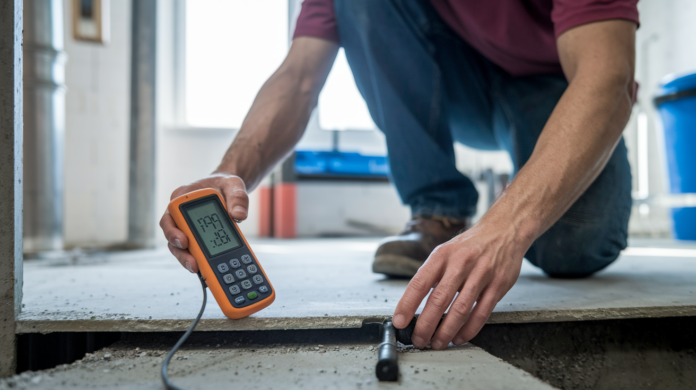

You’d think finding a hidden water leak would be guesswork in 2025, but modern detection methods hit 90% to 99% accuracy when done right. The difference between those numbers? The method used, who’s running the equipment, and whether they’re stacking multiple techniques to confirm what they’re seeing. Professional leak detection isn’t about tearing up your property and hoping for the best. It’s about pinpointing the source with precision so repairs stay focused, costs stay reasonable, and you’re not left wondering if they actually fixed the real problem.
Leak Detection Accuracy Rates and Reliability Overview
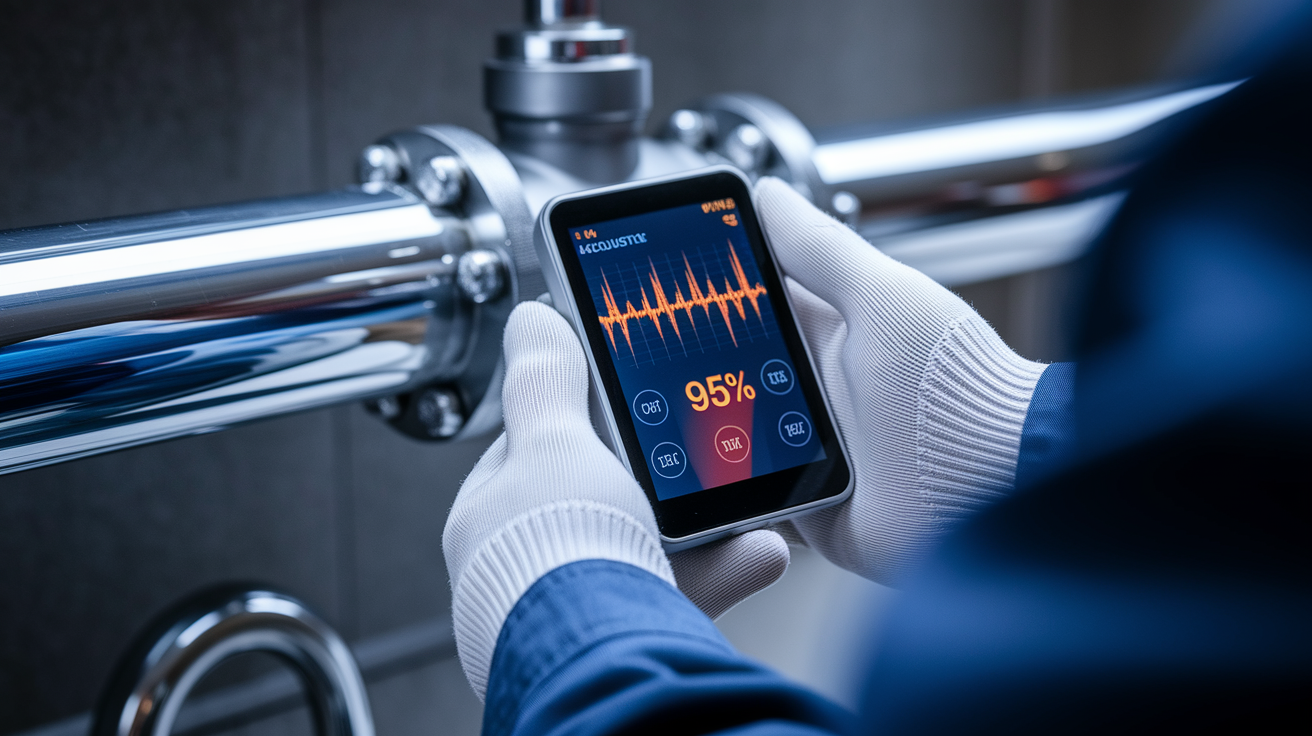
Modern digital leak detection hits over 90% accuracy. Combine that with professional expertise and backup equipment, and you’re looking at 99% or higher. A seasoned plumber can pinpoint leaks with roughly 90% accuracy just from experience, before they even grab their specialized tools.
What you get depends on three things: the method being used, who’s doing the work, and whether the equipment’s any good.
When you hire trained professionals instead of going the DIY route, you’re paying for their ability to make sense of signals that’d look like gibberish to you. They know how to tell the difference between real leaks and false alarms, how to filter out background noise, and when to switch methods.
Detection accuracy means pinpoint location capability. Less guessing, less tearing up your property during repairs.
Experienced technicians recognize subtle patterns. How water moves through building materials. Where pipes usually fail. That ceiling stain in your bathroom might trace back to a shower pan leak three feet away. Or your damp basement wall could point to an exterior foundation crack instead of a plumbing problem. Their expertise matters just as much as the tools they’re holding.
Primary Leak Detection Methods and Their Accuracy Levels
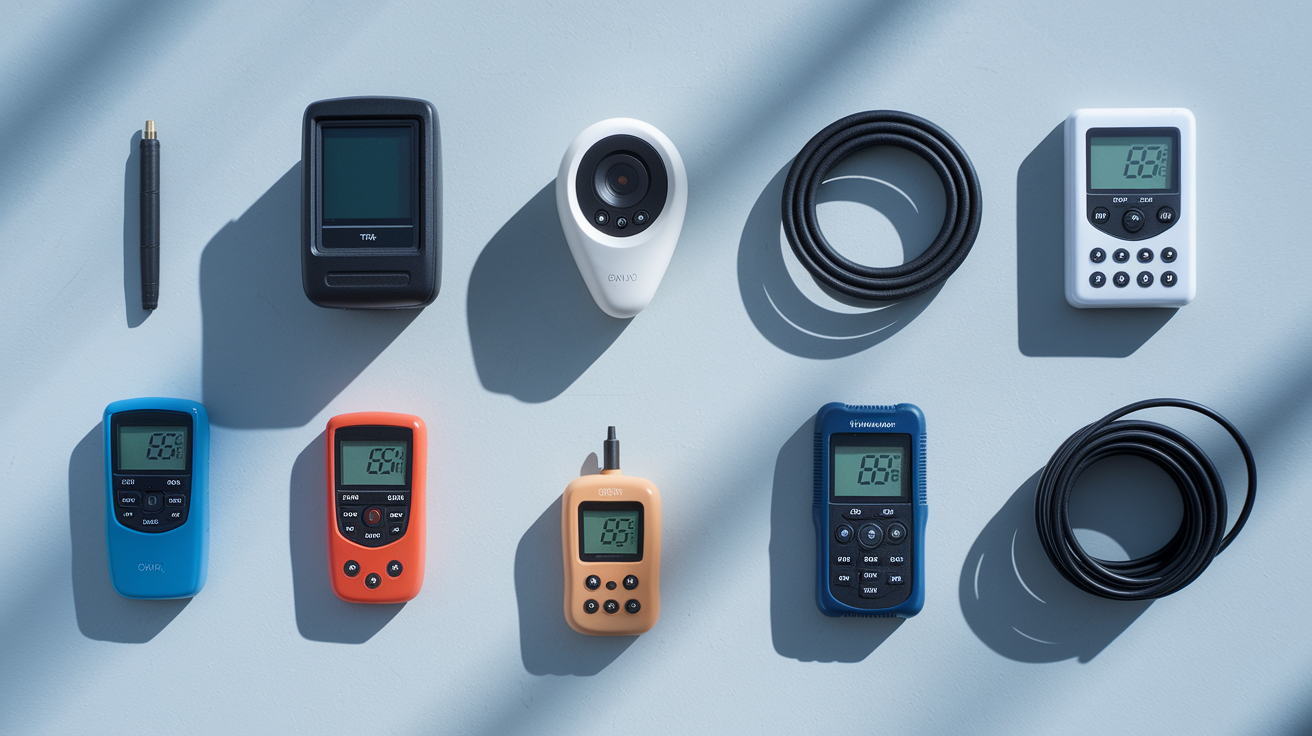
Different methods work better in different situations. Accuracy ranges from 85% to 99% depending on equipment quality and calibration. No single method handles everything perfectly.
Professionals often stack multiple methods to hit the highest accuracy. Equipment calibration matters. A thermal camera that hasn’t been serviced in two years won’t give you the same precision as one that gets checked quarterly.
Acoustic Sensors and Listening Devices
Acoustic sensors pick up sound vibrations from pressurized water escaping through pipe walls or joints. The simplest version? A metal rod or screwdriver held against the pipe with your ear pressed to the other end. Basic, but it works. More advanced versions include electronic leak detectors with sensitive microphones and aqua phones that amplify the rumbling or hissing of water running inside pipes. Some of this equipment was originally designed for listening to motors in manufacturing plants, then adapted for plumbing.
Accuracy runs between 85% and 92% for pressurized systems. Where it struggles: low pressure leaks, smaller leaks, or slow seepage that doesn’t make enough noise to register. Background sounds from traffic, HVAC systems, or your neighbor’s property can also mess with the signal.
Thermal Imaging and Infrared Technology
Thermal cameras detect temperature differences that show up when water seeps into surrounding materials. They’re solid for concealed leaks behind drywall and under floors, picking up temperature fluctuations where water has soaked into insulation, wood framing, or concrete.
Accuracy ranges from 88% to 95%. What affects precision: insulation thickness, ambient temperature, and whether the camera’s been calibrated properly. These cameras need regular maintenance, typically every six months, to stay accurate.
Tracer Gas and Helium Detection
Tracer gas methods involve introducing a gas mixture (usually helium hydrogen) into the plumbing system, then using a sensitive detector to find where it escapes at the surface. The gas travels through tiny cracks and rises through concrete slabs, soil, or other materials until sensors pick it up.
This delivers high accuracy of 95% to 98% for slab leaks and underground pipes, with precision down to one or two feet. That narrow margin means less digging and less guesswork. Equipment needs regular maintenance to keep that level of precision.
CCTV Camera Inspection
Cable mounted cameras provide direct visual confirmation as they travel through accessible pipe sections. The cameras come with measurement gauges showing exactly how far along the pipe you are. When you spot a crack, break, or root intrusion, you know the exact distance from the entry point.
Accuracy hits 99% for pipes cameras can reach because you’re literally watching the problem on video. There’s no interpretation error when you’re looking at a visible break. CCTV works best combined with other methods for comprehensive assessment. Cameras confirm what acoustic sensors or pressure tests suggest.
Moisture Meters and Soil Probes
Moisture meters measure water saturation levels in building materials, soil, or concrete. Soil probes work best for detecting underground leaks when water’s under pressure or moving with sudden velocity changes. The pressure differential creates detectable signals.
Accuracy runs 80% to 90%, depending on soil conditions and equipment sensitivity. Clay soil behaves differently than sandy soil. Wet weather creates false positives. Operator experience matters more with these tools than with some other methods.
Method selection depends on leak type, location accessibility, pipe material, and burial depth. Equipment quality, regular calibration (typically quarterly or semi annually), and proper maintenance are what keep the accuracy specs manufacturers promise.
Factors That Affect Leak Detection Accuracy
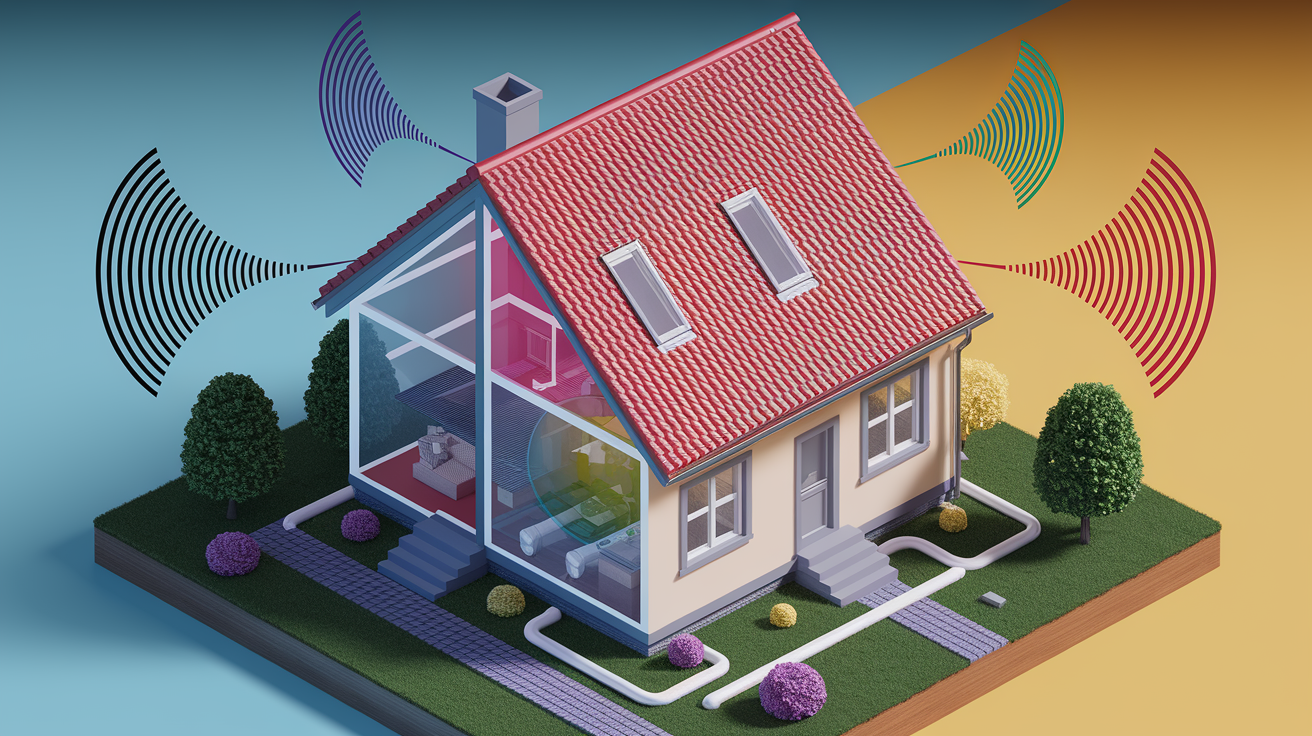
Modern detection technology is highly accurate under ideal conditions. But certain variables mess with reliability. One common complication: confusion between different leak sources. What sounds like your water line might actually be your neighbor’s. Or a sewer leak gets mistaken for a fresh water leak.
Physical variables include pipe material (metal pipes conduct sound differently than plastic), burial depth, surrounding soil composition, and plumbing age and condition. Visual inspection can be tricky too. Water travels along structural members, so a ceiling stain might not appear at the same location as the actual leak. The water could be running down a joist or rafter before it finally soaks through the drywall.
Seven key factors affecting detection accuracy:
- Background noise from traffic, machinery, or other water systems
- Pipe material composition and wall thickness
- Depth of underground pipes (deeper is harder)
- Soil moisture content and density
- Multiple simultaneous leaks creating confusing or overlapping signals
- Neighbor’s water line leaks sounding different but causing confusion
- Sewer line leaks mistaken for water line leaks
Experienced technicians account for these variables during testing. They adjust methods, use dye tests to distinguish between water line and sewer line leaks, and know how to filter out background interference to maintain high detection confidence.
False Positives and Detection Error Rates

A false positive means detecting a leak where none exists. A false negative means missing a real leak.
Common sources of false readings: confusing your pipes with a neighbor’s system, mistaking a sewer leak for a water line leak (which requires a dye test to sort out), misidentifying condensation as an active leak, and trusting visual staining patterns that don’t point to the actual leak source. Water can travel horizontally along framing members before it drips through a visible surface.
Professionals minimize errors by following complete testing protocols. No skipped steps, no assumptions. They use multiple method verification. Confirming acoustic findings with thermal imaging. Backing up tracer gas results with pressure testing. They systematically eliminate alternative explanations before committing to a diagnosis. A 10 step testing protocol exists for water service line testing. Cutting corners leads to inaccurate results.
Proper protocol reduces error rates to under 5% with professional services.
Accuracy Comparison Between Water Leaks and Gas Leak Detection

Water leak detection typically achieves 90% to 99% accuracy. Gas leak detection can reach 95% to 99%. The slight difference comes down to how gas migrates through soil and building materials compared to water.
Pressurized water systems provide stronger acoustic signals than gas systems, which makes water leaks somewhat easier to locate using listening devices. Water also leaves visible evidence. Stains, swelling, moisture. Gas doesn’t.
Leak size impacts detection accuracy for both types. Larger leaks are easier to locate regardless of whether it’s water or gas. Micro leaks require more sensitive equipment and more time to confirm.
Gas detection often requires evacuated spaces for safety reasons, which means coordinating with building occupants and sometimes shutting down systems temporarily. Water detection can usually happen during normal home occupation without major disruption.
Underground Pipe and Slab Leak Detection Precision
Underground pipe detection faces additional challenges. Burial depth, soil interference, and the fact that you can’t see anything. But modern methods still achieve 85% to 95% accuracy for pinpoint location. Non invasive techniques can locate leaks underground or behind walls without tearing down walls or ripping up lawns.
The tracer gas method excels for slab leaks. Gas is introduced into the system and rises through concrete at the leak point where surface sensors detect it. Accuracy typically lands within one to two feet of the actual leak. That dramatically reduces the area you need to excavate.
The combination approach delivers highest accuracy: acoustic sensors identify the general area first, then tracer gas or ground penetrating radar confirms the exact location. Cable mounted CCTV cameras provide highly accurate visual inspection of underground pipes, with measurement gauges showing exact distance along the pipe. This layered strategy minimizes excavation and property damage while maximizing detection confidence.
Detection Accuracy for Commercial and Residential Plumbing Systems
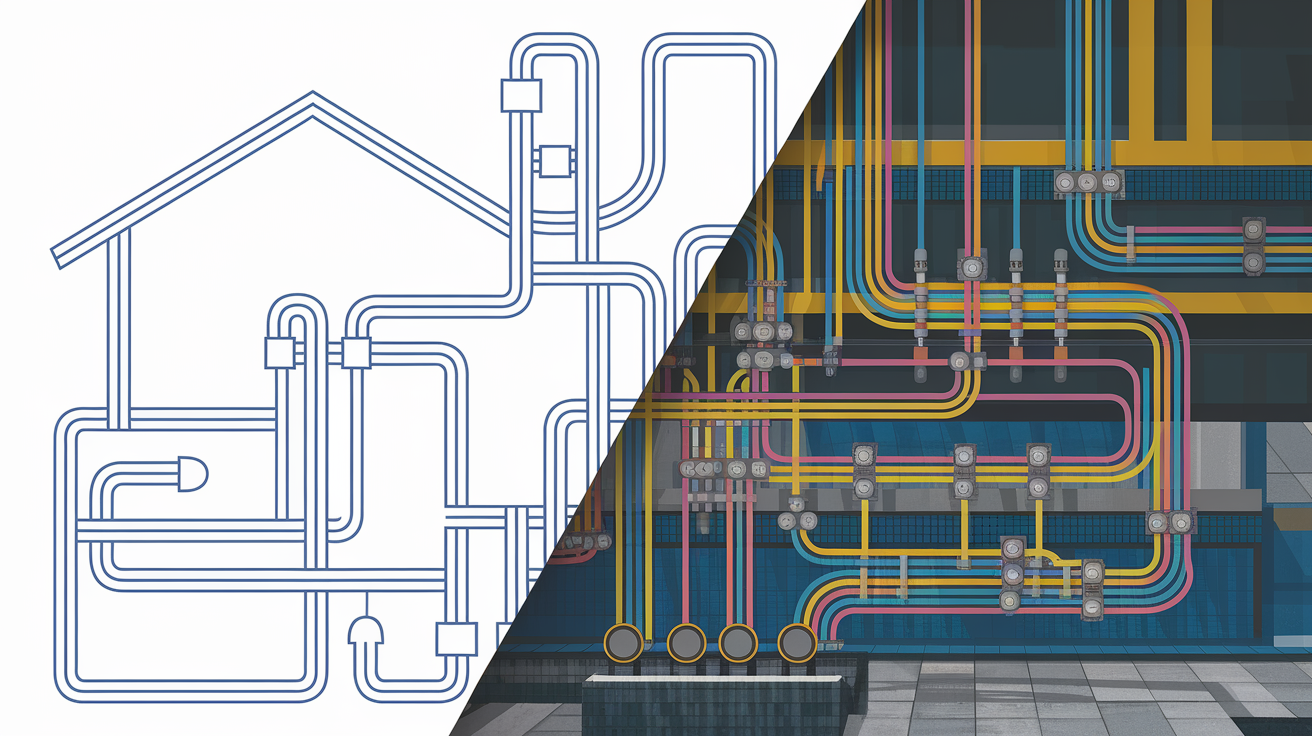
Residential systems typically yield higher accuracy rates, 95% to 99%, because layouts are simpler and there are fewer connection points. A house might have one water heater, two bathrooms, and a kitchen. Pipe runs are shorter and easier to isolate.
Commercial systems present challenges: extensive piping networks, multiple pressure zones, interconnected systems that make it hard to isolate signals, and multiple leak locations requiring systematic elimination testing. Water supply system complexity means leaks can originate from numerous sources. You have to rule them out one by one.
Five factors affecting commercial versus residential accuracy:
- System size and complexity
- Number of connection points and fixtures
- Accessibility of pipe runs
- Operating pressure variations
- Multiple simultaneous water uses during detection
Commercial detection often requires after hours testing when buildings are empty. Reducing background interference (no flushing toilets, no running faucets, no dishwashers) improves detection confidence significantly.
Cost Analysis and Return on Investment for Accurate Leak Detection

Professional detection fees typically range from $200 to $500. That’s a fraction of what you’d spend on exploratory demolition and unnecessary excavation when detection is inaccurate. Non invasive detection techniques locate leaks underground or behind walls without tearing down walls or ripping up lawns.
Compare DIY detection attempts (lower upfront cost but only 60% to 70% accuracy) with professional services that cost more initially but deliver 90% to 99% accuracy. From a pure cost benefit perspective, the professional route usually makes more financial sense.
Calculate the financial return: accurate detection avoids exploratory demolition that can run $1,000 to $5,000, reduces repair scope by 30% to 50%, and prevents misguided excavation expenses that add up fast when you’re digging in the wrong spot.
Time efficiency translates to cost savings too. Professionals locate leaks in one to two hours at $200 to $500, versus days of trial and error approaches that cost more in cumulative labor, materials, and water waste.
| Detection Approach | Typical Accuracy | Average Cost | Potential Unnecessary Excavation Savings |
|---|---|---|---|
| DIY methods | 60-70% | $0-$100 | $0 (risk of misdiagnosis) |
| Basic professional service | 85-92% | $200-$350 | $800-$2,000 |
| Advanced multi-method detection | 95-99% | $350-$500 | $1,500-$5,000 |
| Emergency services | 90-95% | $400-$800 | $2,000-$6,000 |
Critical Situations Requiring Immediate Accurate Detection
Certain warning signs require immediate accurate detection for emergency response: sudden utility bill spikes indicating major leaks, persistent low water pressure signaling serious system leaks, puddles beneath sinks indicating sewer leakage, and unexplained damp spots that need rapid location. High water bills with sudden increases indicate potential water leaks. Low water pressure occurring regularly signals serious leaks.
Time sensitive health and safety implications demand immediate accurate detection. Foul or musty odors suggest mold and mildew growth from leaks behind walls. Damp environments from leaks cause mold and mildew development, leading to asthma and respiratory issues. Delayed or inaccurate detection allows mold colonies to establish and spread, turning a plumbing problem into a health crisis. For more information on preventing these issues, see our guide on water damage prevention.
Acute structural emergency concerns include active foundation damage from ongoing leaks, wood rot progression in framing members, and electrical hazards from water infiltration near panels or wiring. Early detection prevents external damage to property structures and foundations. These are scenarios where detection accuracy within hours rather than days prevents catastrophic property protection failures. The difference between finding a slab leak today versus next week can mean the difference between a $2,000 repair and a $15,000 foundation stabilization project.
Technology Advancements Improving Detection Accuracy Rates

Detection accuracy has improved significantly over the past decade due to technological innovation. Digital leak detection methods have pushed accuracy rates above 90%.
AI powered detection systems now analyze flow patterns, pressure fluctuations, and acoustic signatures to identify leaks with 95% to 98% accuracy before visible symptoms appear. These systems learn what normal water usage looks like for a specific property, then flag deviations suggesting a problem. A toilet that starts running at 2 a.m. every night. A pressure drop that happens when no fixtures are open. Patterns a human might miss.
Smart water meters with continuous monitoring capabilities use machine learning algorithms that establish baseline consumption patterns and flag anomalies indicating possible leaks. Water meters often include a leak dial feature for detection assistance, a small indicator that spins even when all fixtures are closed. More sophisticated electronic leak detection devices exist now, some originally designed for listening to motors and engines in manufacturing plants, then refined for plumbing applications.
Correlation technology improvements now pinpoint leaks within inches rather than feet, reducing excavation needs and confirmation time. Two sensors placed at different points on a pipe can triangulate the exact leak location by comparing how sound waves travel through the pipe from the leak point.
Comprehensive Verification and Validation Process
Responsible professionals verify initial findings through secondary methods before recommending invasive repairs. They follow structured protocols that prevent skipped steps from causing false readings. A 10 step testing protocol must be followed completely to avoid inaccurate results.
The importance of a systematic elimination approach can’t be overstated. It includes baseline water meter readings with all fixtures off and listening for running water sounds, systematic valve closure to isolate sections (closing the house control valve and listening to determine if the leak is inside the home), and drainage testing (opening faucets to drain the system and observing if sound continues, indicating a water service line leak). Always contact professionals for final confirmation regardless of test results.
Seven step comprehensive verification sequence:
- Baseline water meter reading with all fixtures off and listening for running water
- Systematic valve closure to isolate sections and determine leak location
- Acoustic scanning and drainage testing of identified zones
- Secondary verification with alternative method (static leak isolation combining hydrostatic pressure testing with video inspections)
- Pressure testing and dye testing of suspected areas to distinguish between water line and sewer line leaks
- Visual confirmation when access is possible
- Final confirmation with documentation including photos, video evidence, and detection reporting
Specific validation techniques include visual confirmation when accessible, dye testing for ambiguous situations to distinguish leak sources, and hydrostatic pressure tests to confirm findings. Static leak isolation combines hydrostatic pressure testing with video inspections to visually examine sewer systems. A hydrostatic pressure test involves placing an inflatable test ball into the sewer cleanout, inflating it to obstruct the line, filling the system with water to slab level, and observing for approximately 20 minutes. Third party verification provides quality assurance when needed.
Industry Standards and Performance Benchmarks for Detection Services
Reputable detection services follow industry standards that establish minimum accuracy thresholds, typically 85% or higher for method certification. These aren’t just suggestions. They’re benchmarks that separate qualified services from amateurs with equipment they don’t fully understand.
Service guarantees should include a detection warranty (the company returns if the leak persists), documentation standards with location mapping, and detection reporting with details about which methods were used and what the findings showed. You should receive a written report, not just a verbal “yeah, we found it.”
Performance metrics tracked by established companies demonstrate consistent accuracy rates over time. A company that’s been in business for ten years and maintains 95% accuracy across thousands of jobs has proven reliability that a new operation can’t match yet.
Some municipalities offer free or subsidized leak testing programs as water conservation measures. NYC contractors and NYC DEP provide free leak testing through the 311 system or online request, with no fines or punitive action during testing. The DEP only provides notification to repair the leak or confirms no leak exists. These programs provide independent benchmark standards for accuracy expectations and demonstrate what professional grade detection should look like.
Final Words
Modern leak detection is remarkably precise when done right. You’re looking at 90-99% accuracy with professional methods and experienced technicians.
The key is combining the right equipment with someone who knows how water moves through your home. When both come together, you get pinpoint location without guessing or tearing into walls.
How accurate is leak detection? Accurate enough to save you thousands in unnecessary repairs and protect your home from hidden damage that keeps spreading.
That’s worth getting right the first time.
FAQ
What is the most accurate way to detect leaks?
The most accurate way to detect leaks combines professional expertise with multiple detection methods, achieving accuracy rates around 99% or higher. When a seasoned plumber pairs experience with secondary verification (like acoustic sensors plus thermal imaging or tracer gas testing), you get pinpoint location within one to two feet. CCTV camera inspection offers 99% accuracy for accessible pipe sections because you’re seeing the leak directly with distance measurement gauges. For concealed leaks behind walls or underground, tracer gas detection reaches 95-98% accuracy. A single method alone is less reliable than layering techniques, which is why professionals often start with acoustic listening to narrow the area, then confirm with thermal imaging or gas detection before recommending any demolition.
How much does a plumber charge to diagnose a leak?
Professional leak detection typically costs $200 to $500 for most residential situations, depending on system complexity and the methods required. This fee covers the time, specialized equipment, and expertise to locate the leak without guessing. Commercial systems or difficult-to-access leaks may run higher due to after-hours testing needs or advanced equipment like CCTV cameras or tracer gas systems. Many plumbers apply the detection fee toward the repair cost if you hire them for the fix. That upfront investment prevents $1,000 to $5,000 in unnecessary exploratory demolition or misguided excavation, making it a fraction of what trial-and-error approaches cost in wasted labor and materials.
Does home insurance cover leak detection?
Home insurance coverage for leak detection depends on your policy and the situation causing the need for detection. Most policies cover sudden and accidental water damage, which may include detection costs if a covered event (like a burst pipe) requires professional location services. Gradual leaks from wear, maintenance issues, or neglect typically aren’t covered, and insurers often exclude detection for routine maintenance. Review your policy’s water damage section or call your agent before scheduling detection. Even if detection isn’t covered, finding the leak accurately prevents larger damage that definitely won’t be covered, protecting your home and avoiding claim denials.
Do water leak detectors really work?
Water leak detectors work, but accuracy varies widely based on the type of detector and who’s using it. Professional-grade detection equipment (acoustic sensors, thermal cameras, tracer gas systems) achieves 85-99% accuracy in trained hands, with digital methods exceeding 90% reliability. Basic consumer leak alarms placed under sinks or near water heaters alert you to visible water but don’t locate hidden leaks. Handheld moisture meters help DIYers find damp areas but require interpretation and only reach 60-70% accuracy without experience. The equipment itself is reliable when calibrated and maintained properly, but operator skill matters as much as the technology, which is why professional detection consistently outperforms DIY attempts.