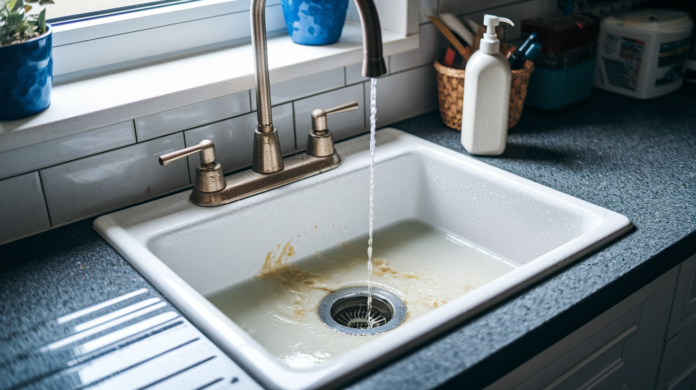

You probably think a little grease down the drain won’t hurt anything. But that’s exactly how most kitchen sink clogs start. Every time you rinse a pan or wash dishes, tiny amounts of grease cool and harden inside your pipes, building up layer by layer until water barely drains. The good news is you can clear most grease clogs yourself using supplies you already have at home, without calling a plumber or pouring harsh chemicals down your drain.
Identifying and Removing Your Kitchen Sink Grease Clog
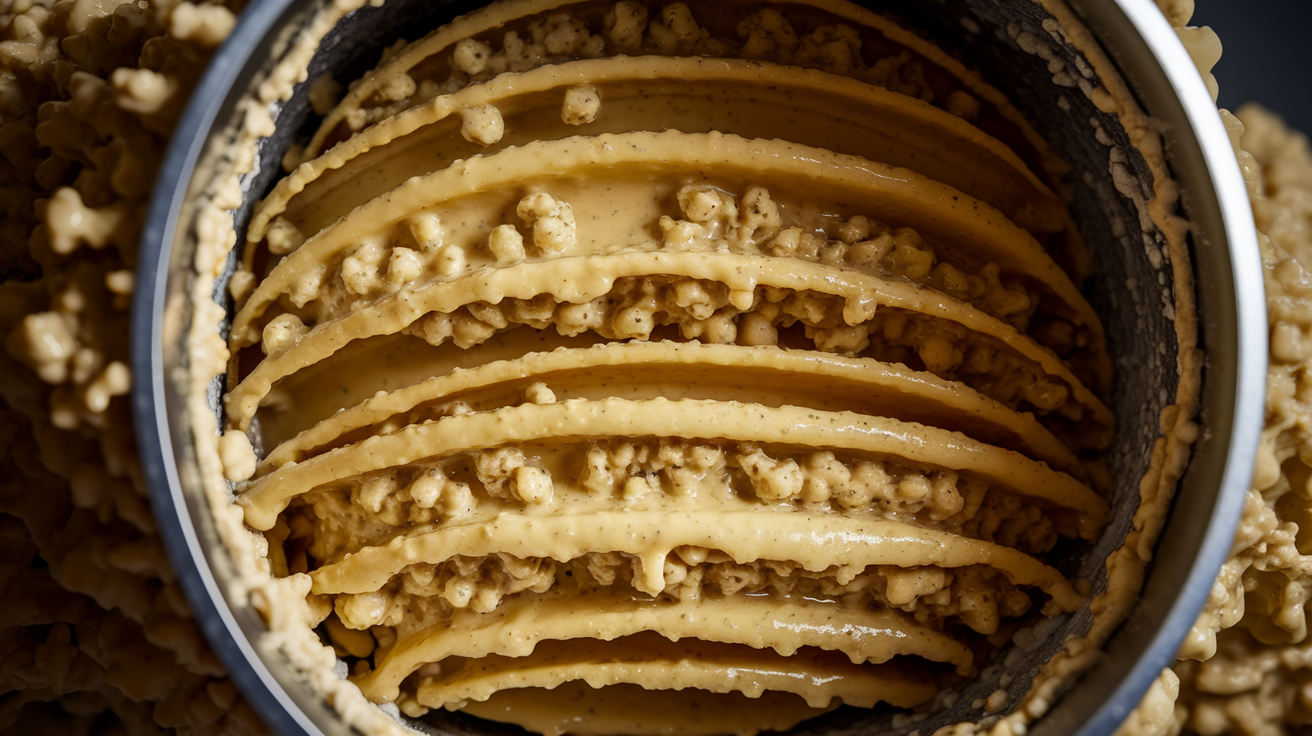
A grease clog in your kitchen sink happens when fats, oils, and cooking grease cool down inside the drain and turn solid. Every time you rinse a pan or wash dishes after cooking, tiny amounts of grease slide down the drain. When that warm grease hits the cooler pipes under your sink, it starts hardening and sticking to the walls. Over time, this builds up layer by layer, coating the inside of your drain and making the passage narrower. The sticky grease also traps food particles, soap scum, and other debris, which speeds everything up.
Before your drain stops completely, you’ll notice warning signs:
Slow draining water that takes longer than usual to clear from your sink basin, especially after washing greasy dishes or pots
Unpleasant rancid odors coming from the drain, caused by old grease and trapped food particles decomposing in the pipe
Gurgling sounds when water drains, indicating air is struggling to pass through the narrowed space
Standing water that backs up into the sink basin during use, meaning the clog has become severe enough to block most water flow
Quick Fix to Try Right Now: Before you pull apart pipes or buy tools, try this. Boil a full kettle of water (about 1 gallon). Remove any standing water from your sink first. Pour the hot water slowly down the drain in 2 or 3 stages, waiting about 10 seconds between each pour. The near boiling water melts solidified grease back into liquid form so it can flow through. Wait 5 minutes, then run your tap to see if drainage improved. If the water drains faster but not completely, repeat the process one or two more times.
Grease clogs are different from other kitchen sink blockages because heat and degreasing action work better than physical force alone. A hair clog in a bathroom drain can sometimes be pulled out. A food particle jam might break apart with plunging. But solidified grease is sticky and coats the entire pipe interior, so you need solutions that either melt the fat deposits or break down the greasy coating chemically. That’s why treatments for grease buildup focus on hot water, soap, and natural degreasers rather than just mechanical removal.
Hot Water and Dish Soap Method for Grease Clogs
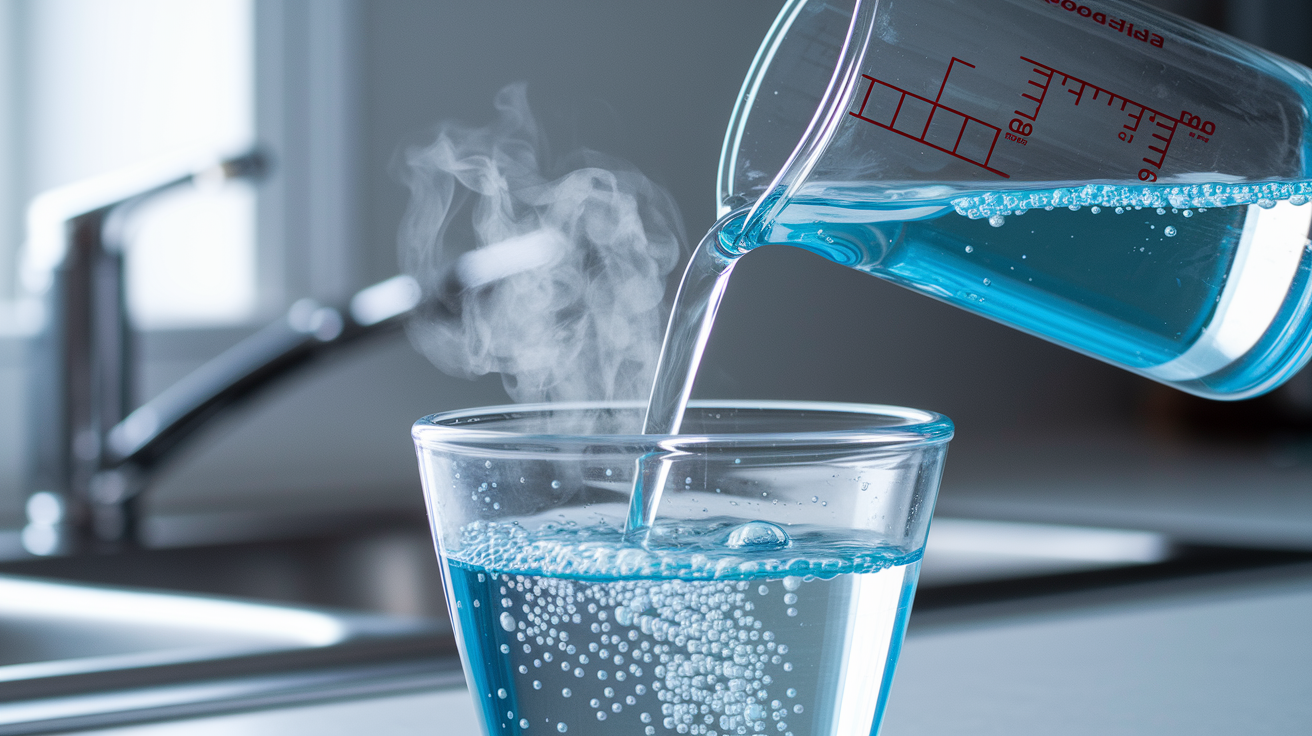
Adding dish soap to hot water gives you more degreasing power because soap molecules are designed to break apart fat deposits. The soap surrounds grease particles and suspends them in water so they can be flushed away instead of re-sticking to your pipes.
Here’s how to use this method: Squirt a generous amount of dish soap directly down the drain, about a quarter cup. Follow immediately with 1 gallon of hot water (not quite boiling if you have PVC pipes). The hot water carries the soap through the clog and starts melting the grease while the soap breaks it down. Let this mixture sit in the pipe for 5 to 10 minutes so the soap has time to work on the fat deposits. Then flush the drain with another gallon of hot water to wash everything through.
If you have PVC pipes under your sink, use hot water from your tap instead of boiling water from the kettle. Boiling water can soften PVC and damage the joints where pipes connect. For metal pipes, you can safely use near boiling water. If the first treatment improves drainage but doesn’t clear the clog completely, repeat the process 2 or 3 times, waiting about 20 minutes between treatments. The soap needs time to penetrate deeper into the grease buildup with each round.
Baking Soda and Vinegar Solution for Kitchen Drain Grease
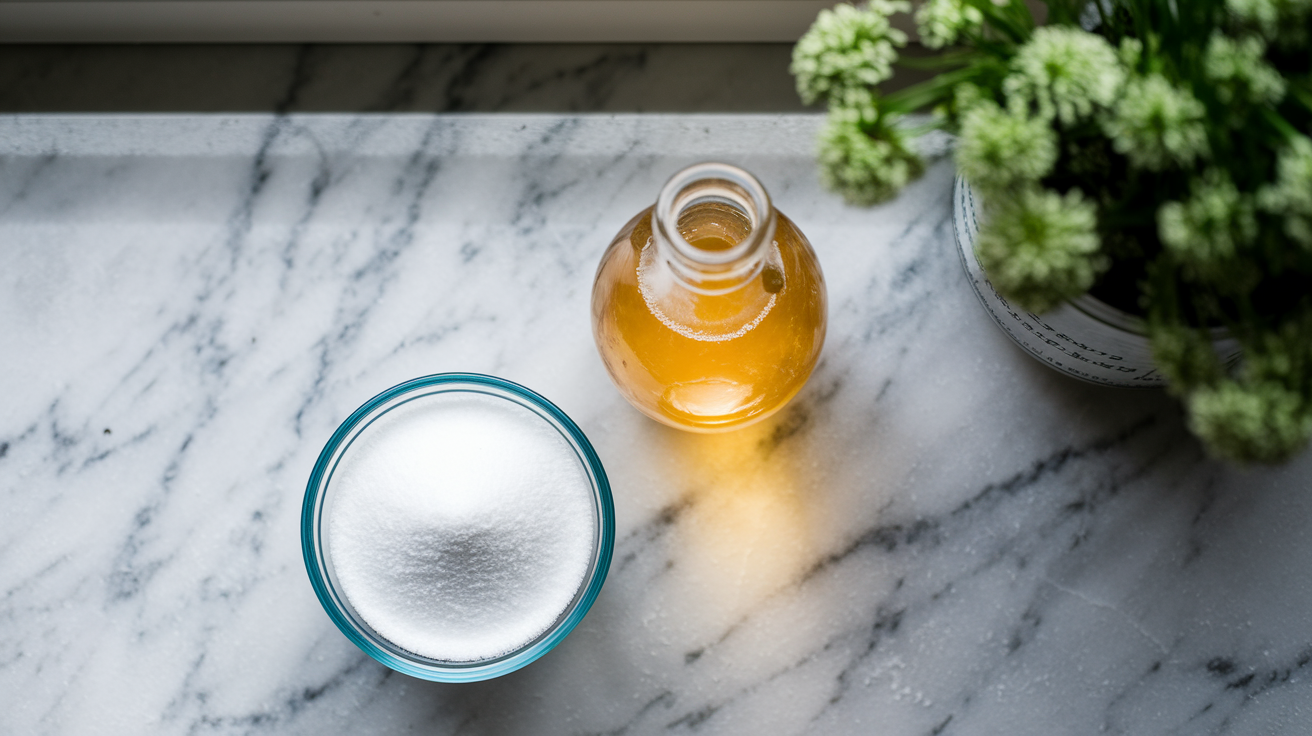
The baking soda and vinegar combination creates a fizzing chemical reaction that scrubs the inside of your pipes. When these two ingredients mix, they produce carbon dioxide bubbles that expand and agitate the greasy coating, helping to break it loose from the pipe walls. These methods are safe for all pipe types and won’t cause the corrosion problems that harsh chemical cleaners can create.
You have three pantry based variations to choose from depending on what you have available and how much time you can wait. All three work on light to moderate grease buildup.
| Method | Ingredients | Wait Time | Instructions |
|---|---|---|---|
| Baking Soda + Vinegar | 1 cup baking soda, 1 cup vinegar | 30 minutes | Pour baking soda down drain, follow with vinegar, cover drain with stopper, wait, then flush with hot water |
| Salt + Boiling Water | ½ cup table salt, 1 quart boiling water | None | Pour salt down drain, follow immediately with boiling water, let drain naturally |
| Baking Soda + Salt | 1 cup baking soda, ½ cup salt | Several hours or overnight | Mix ingredients, pour down drain, let sit, then flush with boiling water |
Mechanical Grease Clog Removal with Plungers and Snakes
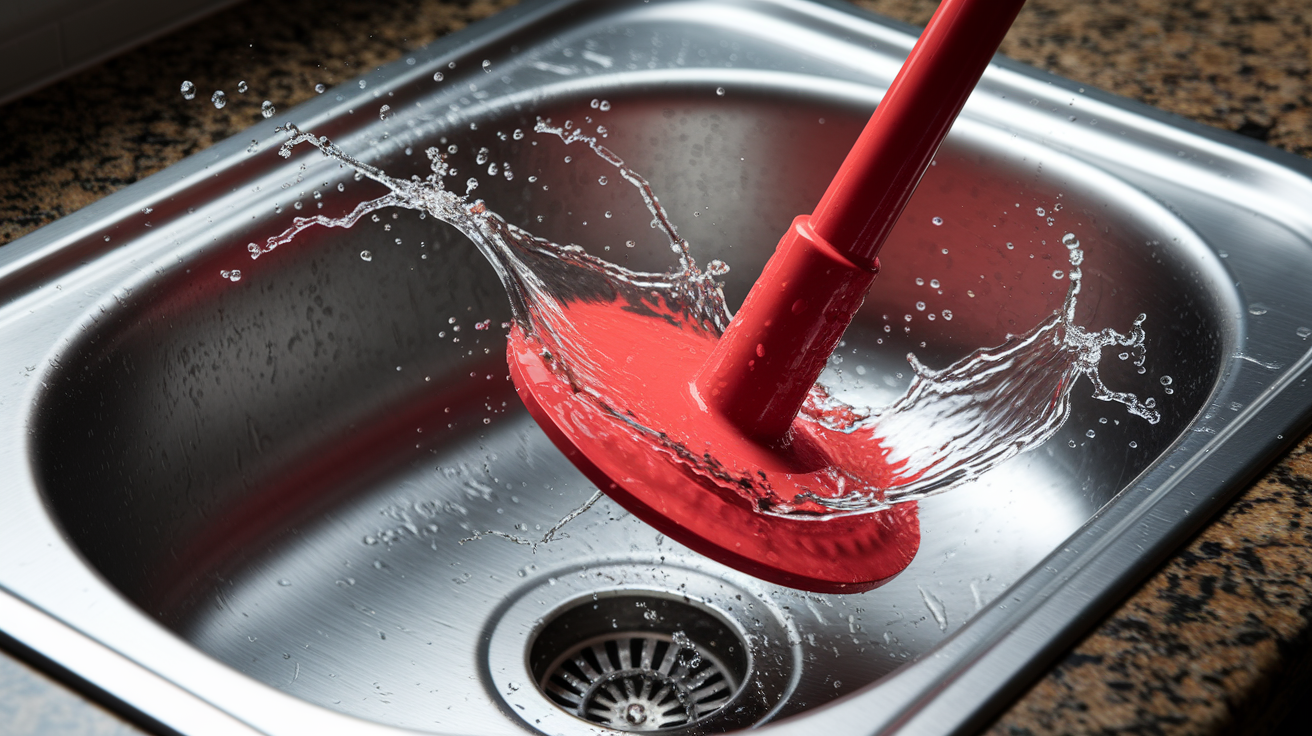
When hot water and natural cleaners don’t fully clear your clog, it’s time to apply physical pressure and mechanical action. These methods work on stubborn clogs where the grease has hardened into a thick blockage that needs to be broken apart.
For plunging to work on a kitchen sink, you need a flat bottomed sink plunger (smaller than the toilet version). Fill the clogged side of your sink with about 1 inch of water so the plunger bell is covered. If you have a double sink, plug the other drain completely with a wet cloth or stopper so all the pressure goes into the clogged side. Place the plunger firmly over the drain opening and push down forcefully, then pull up quickly. Repeat this motion 15 to 20 times. The alternating pressure and suction can break up grease deposits and force them through the pipe.
If you don’t have a plumber’s snake yet, you can try a straightened wire coat hanger as a makeshift tool. Unwind a wire hanger and straighten it out, leaving a small hook at one end. Carefully feed the wire down the drain, being gentle so you don’t scratch your sink finish. When you feel resistance, twist and push gently to break through the clog.
A drain snake (also called an auger) reaches deeper into your pipes than a coat hanger can. Feed the cable into the drain opening while turning the handle. When you feel resistance, that’s your clog. Keep turning and gently pushing forward and pulling back. The snake’s tip breaks through the grease and pulls out debris as you retract it. For kitchen sinks, a 25 foot snake handles most clogs that form in the drain line.
Be gentle with older pipes, especially if your house has galvanized steel or cast iron drains. Aggressive twisting or forcing the snake can damage corroded pipe interiors. If you feel hard resistance that won’t move, don’t force it. That might be a pipe joint or a more serious blockage that needs professional attention.
Cleaning the P-Trap to Remove Sink Grease Buildup
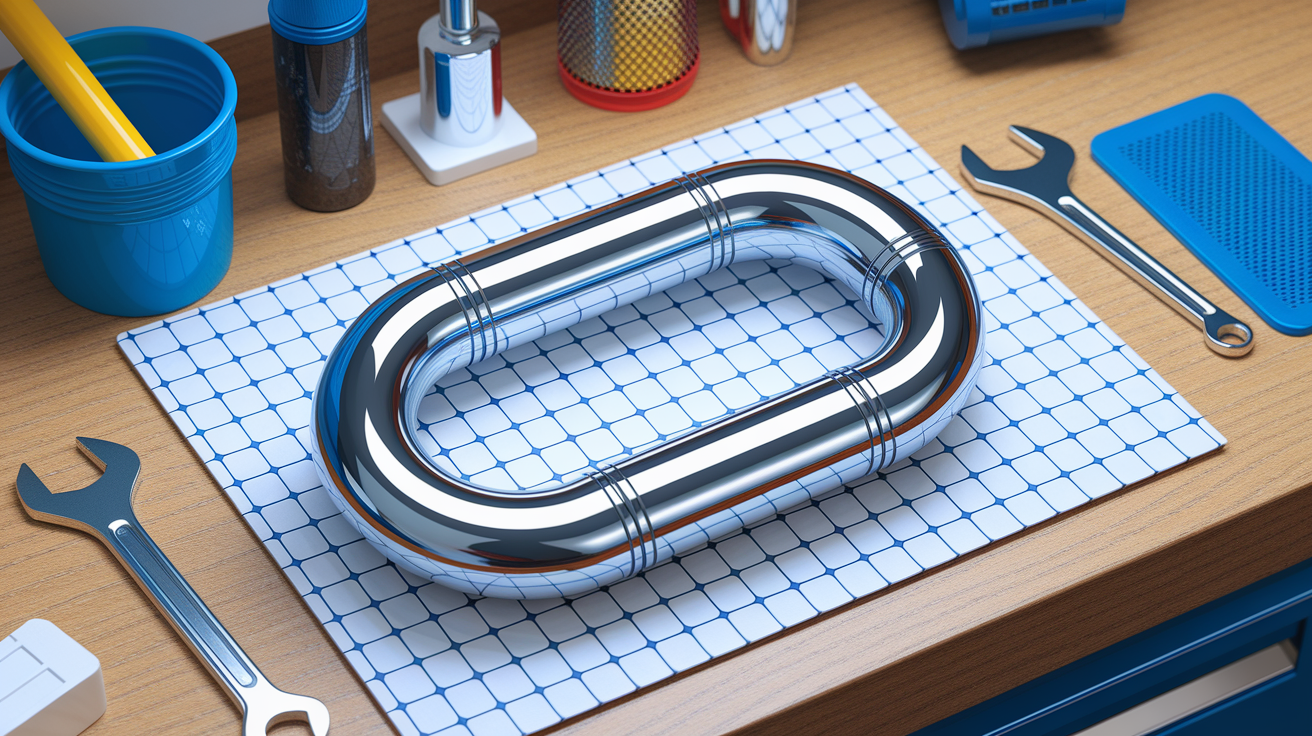
The P-trap is that U shaped pipe directly under your sink, and it’s where most grease clogs actually form. The curve design traps grease as it cools, and the buildup starts there before spreading to other parts of your drain line.
- Place a bucket under the P-trap to catch water and greasy debris that will spill out when you open the pipe
- Loosen the two slip nuts on either side of the P-trap using channel lock pliers or a pipe wrench, turning counterclockwise
- Remove the P-trap carefully, keeping it upright until it’s over the bucket, then dump the contents
- Clean the inside thoroughly using an old toothbrush or bottle brush and hot soapy water to scrub away all the greasy coating
- Check the connecting pipes on both ends where the P-trap attaches. If you see grease buildup there, clean those sections too
- Reattach the P-trap by hand tightening the slip nuts first, then snugging them with pliers (don’t overtighten or you’ll crack the plastic)
While the P-trap is removed, shine a flashlight into the pipe that goes into the wall (called the stub pipe). If you see grease buildup or debris in there, that’s often what a drain snake needs to reach. You can also inspect the tailpiece (the straight pipe coming down from your sink) for any buildup. This is the best time to clean everything thoroughly since it’s all accessible. Run water after reassembly and check for leaks at both connection points before putting your cleaning supplies away.
Why Chemical Drain Cleaners Fail on Kitchen Sink Grease
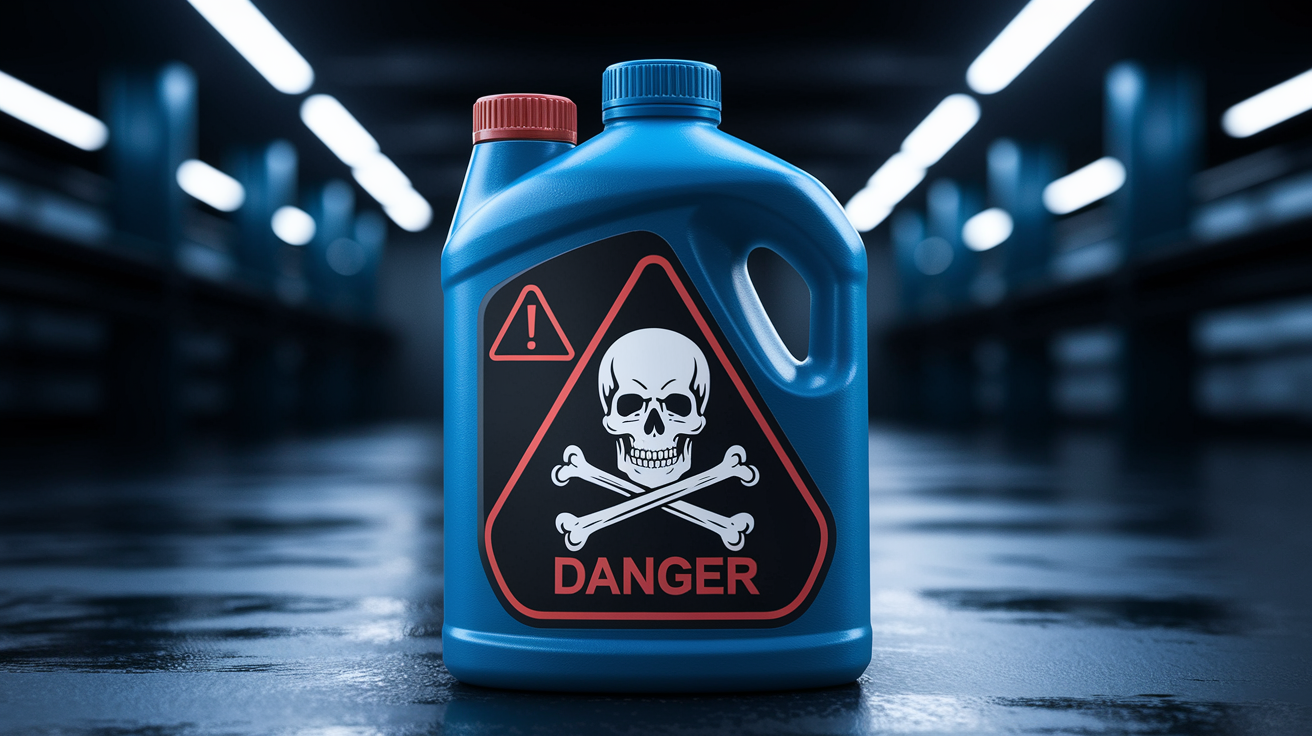
Chemical drain cleaners might seem like the fastest solution, but they only burn a small hole through the center of a grease clog. The caustic chemicals don’t remove the greasy coating on your pipe walls, so the opening closes back up quickly as more grease flows through and re-solidifies. You get a day or two of improved drainage, then you’re right back where you started. The chemicals also generate heat that can soften PVC pipes and corrode older metal pipes, especially if the clog doesn’t clear and the chemicals sit in one spot for a long time.
Kitchen sinks with garbage disposals create a specific safety concern with chemical cleaners. When you run the disposal after pouring chemicals down the drain, the spinning blades can splash caustic liquid back up through the sink opening, potentially onto your hands, arms, or face, causing chemical burns and eye irritation.
Over time, repeated use of chemical cleaners damages your entire drain system. The harsh ingredients eat away at pipe joints and can destroy the rubber gaskets in your P-trap connections, leading to leaks. If your home has a septic system, the chemicals kill the beneficial bacteria that break down waste, which can lead to expensive septic problems. The environmental impact is also significant since these chemicals eventually reach water treatment facilities or natural waterways.
Preventing Future Grease Clogs in Your Kitchen Sink
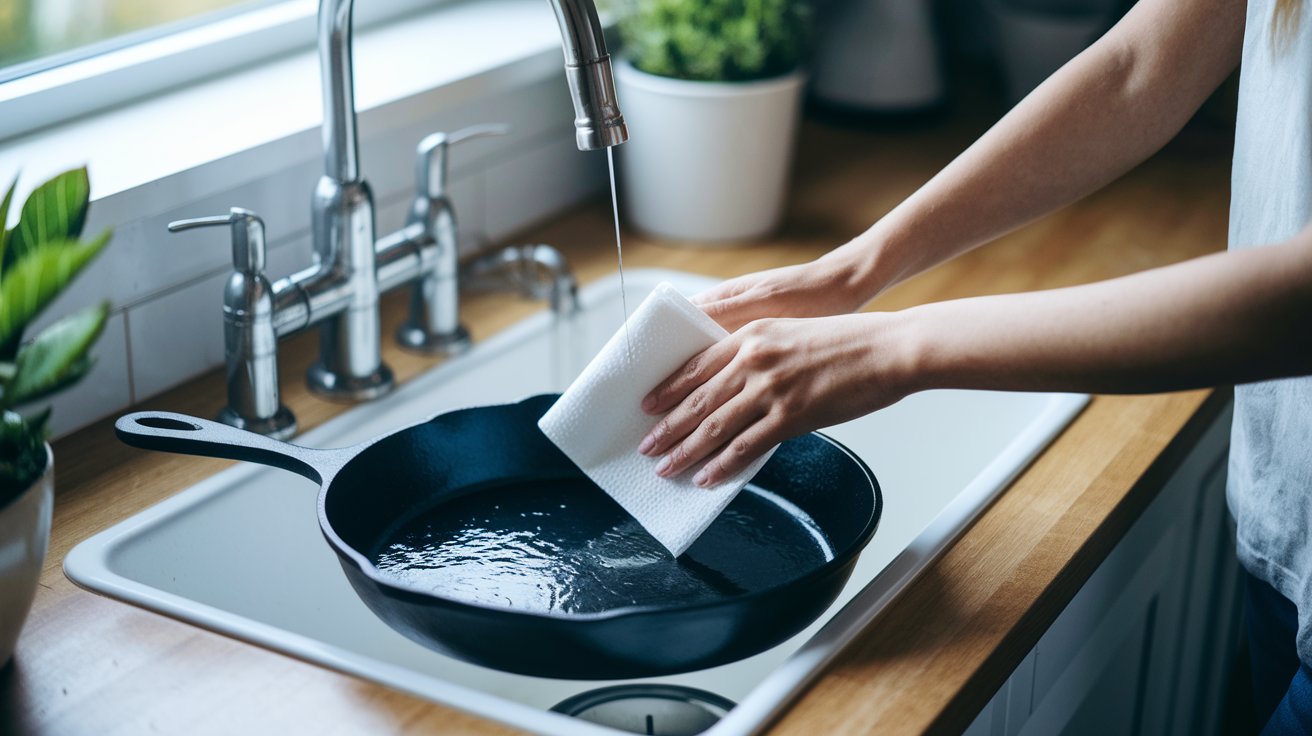
Stopping grease before it enters your drain is far easier than clearing a clog once it forms. A few simple habits protect your pipes and save you from dealing with slow drains and standing water.
Pour cooking grease into a container (an old coffee can or jar works well), let it cool and solidify, then throw the solid grease in your trash instead of down the drain
Wipe greasy pans with a paper towel before washing them, removing the bulk of oil and fat before water hits the sink
Use a mesh strainer over your drain to catch food particles that could combine with grease to form clogs
Scrape large food pieces into the trash before rinsing plates and cookware in the sink
Flush your drain weekly with hot water and a squirt of dish soap to wash away minor grease before it builds up
Run cold water while using the garbage disposal so grease solidifies into small particles that can be ground up rather than coating pipes as liquid
Do a monthly baking soda and vinegar treatment if you cook with oil frequently, especially during holiday cooking seasons
Avoid rinsing dairy products like milk, cream, or melted cheese down the drain. They contain fats that contribute to buildup just like cooking oils do
These prevention habits protect more than just your household plumbing. Municipal sewer systems develop massive blockages called fatbergs when grease from many homes combines with other debris. These clogs cause city wide backups, environmental damage when sewage overflows, and cost taxpayers millions in cleanup and repairs.
Enzymatic and Biological Treatments for Kitchen Drain Grease
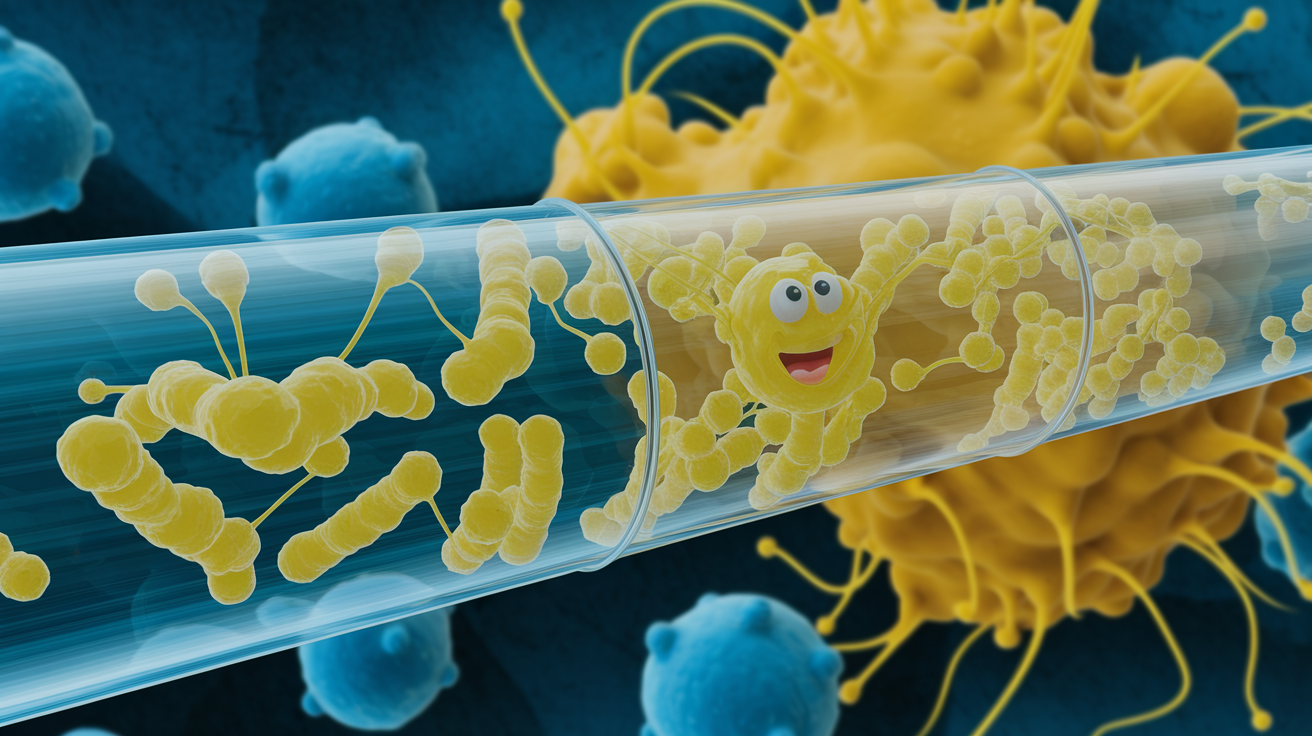
Enzymatic cleaners use live bacteria cultures that actually eat grease as their food source. These biological solutions work differently than chemical cleaners because they break down fats at a molecular level rather than trying to burn through them.
The bacteria in enzymatic cleaners produce enzymes that digest fat deposits, soap scum, and food particles. As the bacteria consume the grease, they multiply and continue cleaning your pipes. This is the same process that septic systems use to break down waste naturally. The treatment is completely safe for all pipe materials and won’t damage seals, gaskets, or joints.
You apply enzymatic cleaners before bed and let them work overnight while your drains aren’t in use. Pour the recommended amount (usually about a cup) down each drain, then don’t run water for at least 6 to 8 hours. The bacteria need time to colonize the pipe surfaces and start breaking down the grease. For severe buildup, you might use the treatment several nights in a row. The results aren’t instant like hot water or chemical cleaners, but the treatment reaches deeper into your system and provides longer lasting results.
Enzymatic treatments work best as regular maintenance (monthly or quarterly) rather than emergency clog removal. If you already have standing water and a completely blocked drain, you need to clear that blockage first with hot water, plunging, or P-trap cleaning. Once water can flow again, enzymatic cleaners prevent the clog from reforming. They’re particularly helpful for households that do heavy cooking with oils, since the ongoing bacterial action keeps breaking down grease between treatments.
When to Call a Professional and What to Expect

Some grease clogs are too severe, too deep, or in locations that DIY methods can’t reach. Knowing when to call a plumber saves you time and prevents you from damaging your pipes with repeated failed attempts.
Water backs up into other fixtures like your dishwasher or the other side of a double sink, indicating the clog is beyond your P-trap in the shared drain line
Strong sewer smell persists even after cleaning accessible pipes, suggesting the blockage is in your main line or vent stack
Multiple drains throughout your house are slow at the same time, which points to a main sewer line issue rather than a single sink problem
Recurring clogs in the same location every few weeks, meaning there’s an underlying issue like pipe damage, improper slope, or a partial collapse
Gurgling sounds from toilets when you run your kitchen sink, indicating a venting problem or main line blockage that affects your whole plumbing system
Every DIY method failed after thorough attempts. You’ve tried hot water, soap, natural cleaners, plunging, and snaking, but drainage hasn’t improved
If your DIY troubleshooting isn’t working, the problem might be the type of clog or your pipe material. Sometimes what looks like a grease clog is actually a combination of grease, hardened soap scum, and mineral deposits that needs professional strength treatment. Old cast iron pipes develop rust scale and rough interiors that grab grease differently than smooth PVC pipes do. The clog might also be farther down the line than your drain snake can reach, especially if your sink connects to a long horizontal run before reaching the main stack. For complex plumbing issues beyond drain clogs, water heater troubleshooting and other system diagnostics might be needed if you’re experiencing multiple problems simultaneously.
Professional plumbers use motorized drain augers (also called power snakes) that reach 50 to 100 feet into your drain lines with cables up to ¾ inch thick. The motor provides consistent rotating power that breaks through hardened grease and pushes through bends in the pipe that manual snakes can’t navigate. For severe grease buildup coating your entire pipe interior, plumbers use hydro jetting equipment that shoots high pressure water (3,000 to 4,000 PSI) through a special nozzle. The pressurized water scours the pipe walls clean and flushes everything downstream, essentially giving you like new pipes. Hydro jetting is particularly effective for recurring grease clogs because it removes the coating that keeps attracting new buildup. When pipes are old or there’s concern about damage, plumbers can also run a camera inspection to see exactly what’s causing the blockage and check for cracks, corrosion, or tree root intrusion. This visual inspection helps identify whether you need leak detection services if recurring clogs suggest hidden pipe deterioration.
| Service Type | Typical Cost Range | Time Required | Best For |
|---|---|---|---|
| Basic Service Call | $150 – $300 | 1 – 2 hours | Simple clogs in accessible pipes, P-trap cleaning, first-time issues |
| Drain Augering | $200 – $500 | 1 – 3 hours | Stubborn clogs deeper in the line, recurring grease buildup, main line access |
| Hydro Jetting | $350 – $600 | 2 – 4 hours | Severe grease coating entire pipe, chronic slow drains, commercial-level buildup |
| Camera Inspection | $200 – $400 | 1 – 2 hours | Diagnosing recurring problems, checking pipe condition, locating damage |
Final Words
A grease clog in kitchen sink doesn’t have to turn into an expensive emergency. Start with hot water and dish soap, then move to baking soda if needed.
If those don’t work, try the plunger or check your P-trap. Most grease clogs respond to one of these methods.
Skip the chemical cleaners. They’re harsh on pipes and don’t actually remove grease buildup.
The real win is prevention. Wipe greasy pans before washing, scrape plates into the trash, and flush your drain with hot water weekly. Those simple habits protect your pipes and save you hassle down the road.
FAQ
How to unclog a kitchen sink clogged with grease?
To unclog a kitchen sink clogged with grease, start by pouring about one gallon of hot (near-boiling) water slowly down the drain in two to three stages to melt solidified grease. For stubborn clogs, squirt generous dish soap down the drain first, follow with hot water, let sit five to ten minutes, then flush with another gallon of hot water. If that doesn’t work, try the baking soda and vinegar method using one cup of each, waiting thirty minutes, then flushing with hot water. For severe clogs, use a plunger to create pressure or remove and clean the P-trap under the sink.
How long does it take for grease to clog a drain?
Grease typically takes weeks to months to fully clog a drain, depending on how much grease goes down and how often. Each time cooking oils, butter, or meat fats get rinsed down the drain, they cool and solidify inside the pipes, building up layer by layer. Light grease use might take several months to cause noticeable slow drainage, while heavy cooking with frequent grease disposal can create partial clogs within a few weeks and complete blockages within one to two months.
What is the best drain cleaner for grease clogs?
The best drain cleaner for grease clogs is hot water combined with dish soap, as it melts solidified grease and breaks down fat molecules without damaging pipes. For chemical-free alternatives, enzymatic cleaners work well for ongoing maintenance by using bacteria to digest grease naturally over several days. Avoid harsh chemical drain cleaners for kitchen sinks because they only burn narrow holes through grease without removing the coating, provide temporary relief, and can damage pipes or splash dangerously if you have a garbage disposal.
Does Drano dissolve grease?
Drano and similar chemical drain cleaners do not effectively dissolve grease clogs. They only burn a small hole through the center of the clog, which quickly closes back up as the surrounding grease re-hardens and remains coating the pipe walls. Chemical cleaners are particularly dangerous in kitchen sinks with garbage disposals because the disposal can spew caustic chemicals into the room, causing skin and eye irritation. These products also corrode pipes over time and damage septic systems while providing only temporary relief.
What are the warning signs of a grease clog?
The warning signs of a grease clog include slow-draining water that takes longer than usual to empty from the sink, unpleasant rancid odors coming from the drain opening, gurgling sounds when water flows down, and water backing up into the sink basin. These symptoms develop gradually as grease accumulates layer by layer inside pipes. If you notice water backing up into other fixtures like the dishwasher or multiple drains running slowly, the blockage has likely spread beyond just the kitchen sink.
Why does the P-trap collect the most grease?
The P-trap collects the most grease because its U-shaped curve slows down water flow, giving grease time to cool, solidify, and stick to pipe walls before continuing through the system. This curved section sits directly under the sink and catches both grease and food particles that combine into stubborn clogs. The P-trap’s design also creates a water seal to prevent sewer gases from entering your home, but this same water-holding feature makes it the primary collection point for fat deposits and solidified cooking oils.
Can I use boiling water on PVC pipes?
You can use hot water on PVC pipes, but avoid true boiling water as temperatures above 175 degrees Fahrenheit can soften or warp plastic plumbing. Use water that’s hot but not quite at a rolling boil, or let boiling water cool for about thirty seconds before pouring it down PVC drains. For metal pipes like cast iron or copper, boiling water is safe and effective for melting grease. If you’re uncertain about your pipe material, stick with very hot tap water or water heated to steaming rather than boiling.
How often should I flush my kitchen drain to prevent grease buildup?
You should flush your kitchen drain with hot water and dish soap weekly to prevent grease buildup from accumulating into clogs. For households that cook with a lot of oil or fats, add a monthly baking soda and vinegar treatment by pouring one cup of each down the drain, waiting thirty minutes, then flushing with hot water. These regular maintenance habits keep grease from solidifying and coating pipe walls, catching problems before they become complete blockages that require intensive cleaning or professional help.
What’s the difference between enzymatic cleaners and chemical drain cleaners?
Enzymatic cleaners use beneficial bacteria that consume grease as a food source, breaking it down naturally over time without damaging pipes or creating toxic fumes. Chemical drain cleaners use harsh caustic substances that attempt to burn through clogs quickly but only create narrow holes, leave grease coating on pipe walls, corrode plumbing over time, and pose safety hazards. Enzymatic treatments work slowly over several hours or overnight, making them better for prevention and maintenance, while chemical cleaners provide only temporary relief and can worsen long-term grease problems.
When should I call a plumber for a grease clog?
You should call a plumber for a grease clog when water backs up into other fixtures like the dishwasher or multiple drains run slowly, indicating a blockage in the main line beyond your reach. Also call if you’ve tried all DIY methods including hot water, dish soap, baking soda and vinegar, plunging, and P-trap cleaning without success, or if you notice strong persistent sewer smells suggesting deeper pipe issues. Recurring clogs that keep coming back after temporary fixes signal underlying problems that need professional diagnosis and equipment like motorized augers or hydro jetting.