

Here’s your intro paragraph:
Most water heater anode rods need four to five feet of overhead clearance just to get them out of the tank. If your heater sits in a low-ceiling basement, cramped closet, or attic with joists in the way, that standard rigid rod becomes impossible to replace. Flexible anode rods bend at segmented joints and fit into spots where you’ve got as little as 12 inches of headroom. But do they protect your tank as well as the traditional solid rods, or are you trading durability for convenience? We’ll walk through how each type works, what they cost, and which one actually makes sense for your setup.
Core Differences Between Flexible and Standard Anode Rods
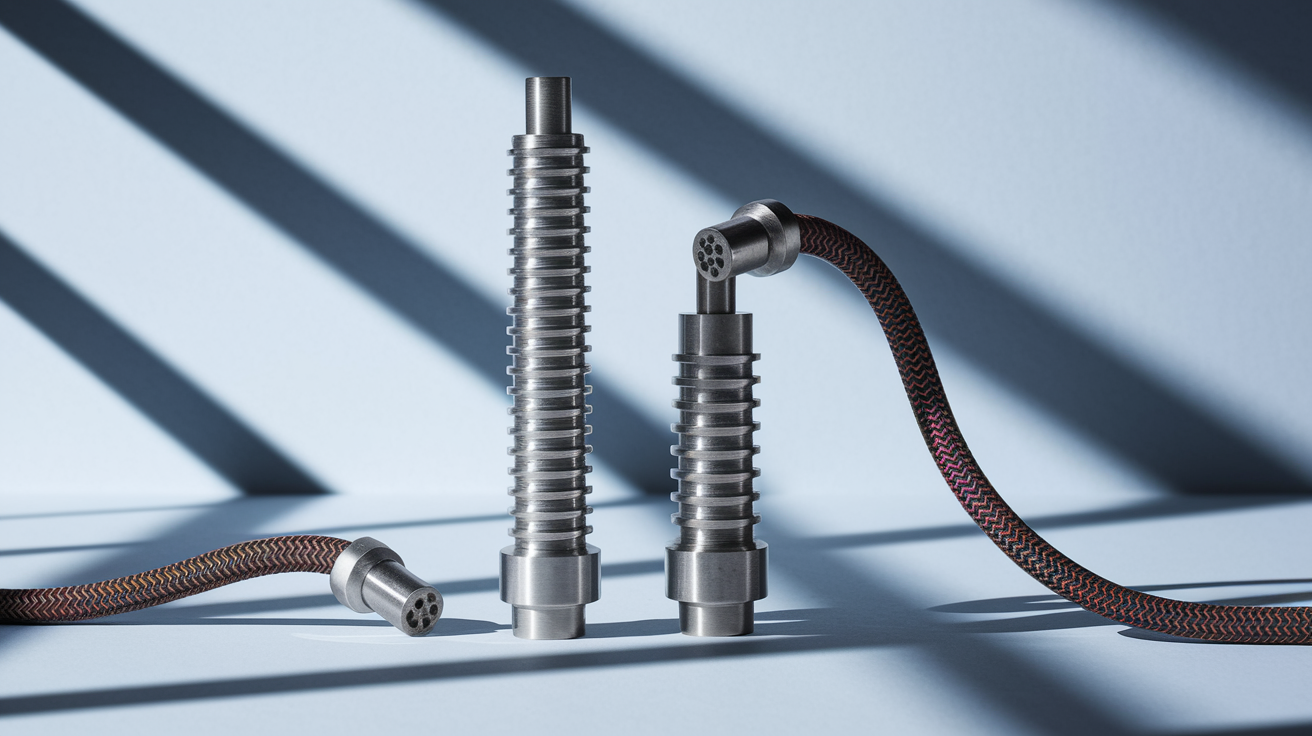
Standard anode rods are built as a single solid piece, usually running 40 to 55 inches long with a 3/4″ NPT hex head. It’s one continuous metal rod wrapped around a stainless steel cable core. Flexible anode rods work differently. They’re made from three smaller segments connected by flexible wires in what looks like a sausage link chain. These segments can bend at the connection points, letting the rod squeeze into tight spaces during installation.
The real difference shows up when you’re trying to install one. Standard rigid rods need 4 to 5 feet of open space above your water heater so you can pull the old rod straight up and drop the new one straight down into the tank. You’ve got to have that full vertical clearance or it just won’t work. Flexible rods solve the tight space problem. If your heater sits in an attic with a low roofline, a basement with floor joists hanging just overhead, a cramped closet, or a manufactured home where there’s barely room to move, flexible rods can get installed with as little as 12 to 18 inches of clearance. They bend as you feed them in. When you do have the clearance, most people go with standard rods because they’re simpler to install and cost less.
| Feature | Standard Rigid Rod | Flexible Rod |
|---|---|---|
| Construction | Single solid piece | Three segments connected by wire |
| Length | 40-55 inches typical | 48 inches typical (equal when extended) |
| Clearance Needed | 4-5 feet overhead space | 12-18 inches minimum |
| Installation Ease | Simpler when space allows | More complex but works in tight areas |
| Best Use Scenario | Standard residential basement/garage install | Attics, closets, mobile homes, low ceilings |
| Typical Cost | $20-$50 | $60-$100 |
| Availability | Widely available at hardware stores | Specialty item, often ordered online |
Each type has practical benefits depending on where your heater sits and what you’re willing to spend.
Standard Rod Advantages:
Lower cost upfront, usually $20 to $50 instead of $60 to $100 for flexible options. You can grab one at pretty much any hardware store or plumbing supply shop. Installation’s simpler when you’ve got the overhead space, just one solid piece going in. There aren’t segmented joints that could theoretically come apart or fail down the road. And most plumbers know exactly what they’re looking at, so service calls stay straightforward.
Flexible Rod Advantages:
Works in spaces where standard rods physically won’t fit. Solves the access problem in attics, closets, mobile homes, basements with low joists. Once it’s installed, it protects your tank just as well as a standard rod does. Available in both magnesium and aluminum so you can match your water conditions.
The choice really comes down to whether you can physically get the rod in there or not. Performance doesn’t change between the two. If you’ve got clearance, go standard. If you’re fighting limited headroom or weird access angles, flexible rods turn an impossible job into a manageable one.
How Each Anode Rod Type Protects Your Water Heater Tank

Both flexible and standard anode rods protect your water heater the exact same way, through what’s called the sacrificial anode principle. The rod material sits lower on the electrochemical scale than the steel tank itself. That means corrosive stuff in your water attacks the anode rod first instead of going after the tank walls. This process is galvanic corrosion. As long as there’s sacrificial metal left on the rod, your tank stays protected from rust and those pinhole leaks that eventually kill water heaters.
Protection quality depends entirely on what the rod’s made from: magnesium, aluminum, or zinc-aluminum alloy. Whether it’s rigid or flexible doesn’t matter at all. A magnesium flexible rod protects your tank exactly like a magnesium standard rod does. The segmented wire design doesn’t reduce corrosion protection or mess with how the electrochemical reaction works. Both types attract corrosive minerals and elements at the same rate when they’re made from the same material and sitting in the same water.
Proper anode rod maintenance can stretch your water heater’s life from the typical 8 to 12 years out to potentially 15 years or more. Both flexible and standard rods wear down at similar rates under the same water conditions. The flexible design doesn’t make it corrode faster or slower. What actually matters is checking it regularly, swapping it out before the steel core gets exposed, and picking the right material for your specific water chemistry.
Material Options Available in Standard and Flexible Anode Rods
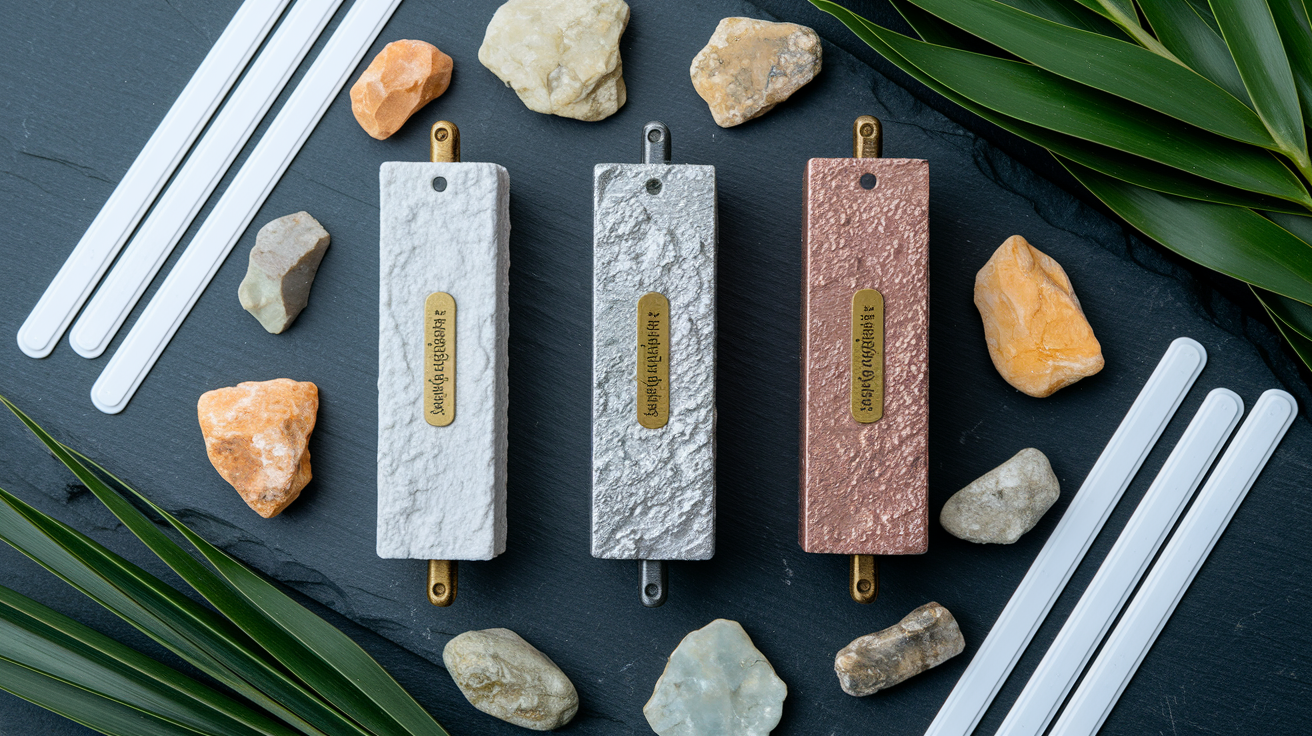
Material choice matters way more than whether the rod bends or not when you’re trying to match your water chemistry and get the most life out of the rod. Good news is flexible rods come in the same material options as standard rods.
Material Types and Water Condition Matches:
Magnesium rods work really well in soft water and actually add dissolved magnesium to your hot water supply, which some people like for health reasons. They corrode a bit faster than aluminum, especially in softened water, but they’re the traditional pick for municipal water with normal mineral content. Don’t use them if you’ve got a water softener or naturally soft well water because they’ll just dissolve too fast.
Aluminum rods last the longest and cost the least, working particularly well in hard water. They handle high mineral content better than magnesium and don’t get eaten up as quickly by softened water. Downside is aluminum rods can swell when they’re heavily corroded, which sometimes makes removal a pain. You might notice aluminum oxide gel showing up in your faucet aerators as the rod wears down.
Zinc-aluminum alloy rods control iron bacteria and kill that rotten egg smell in iron-heavy water or well systems. If your hot water smells like sulfur, switching to a zinc-aluminum rod (comes in both rigid and flexible) neutralizes the sulfur-reducing bacteria causing the odor while still protecting your tank.
Flexible format availability includes both magnesium and aluminum materials. A.O. Smith makes both the 100110784 magnesium flex rod and the 100110627 aluminum flex rod, both running 48 inches when fully extended. Zinc-aluminum flexible options exist but you might need to special order them.
Water chemistry impacts how long an anode rod lasts way more than whether it’s flexible or rigid. Softened water is more conductive and speeds up corrosion, burning through anode rods up to three times faster than regular water. What should be a five year rod can wear out in six months if your water’s over-softened. Both flexible and standard rods face that same accelerated wear. Well water with minerals and bacteria affects both types equally. The bacteria don’t care if the rod bends. Hard water actually forms protective scale that slows corrosion for both types, sometimes pushing rod life beyond the typical range.
When you’re picking anode rod material, test your water first. Simple pH test strip should read around 7 for normal water. Check your water quality testing results for hardness levels and any sulfur content. Then match the material to those conditions. Magnesium for soft water, aluminum for hard water, zinc-aluminum for sulfur problems. After you know the right material, then decide between flexible and standard based purely on whether you’ve got installation clearance or not.
Installation Process Comparison for Flexible vs Standard Rods
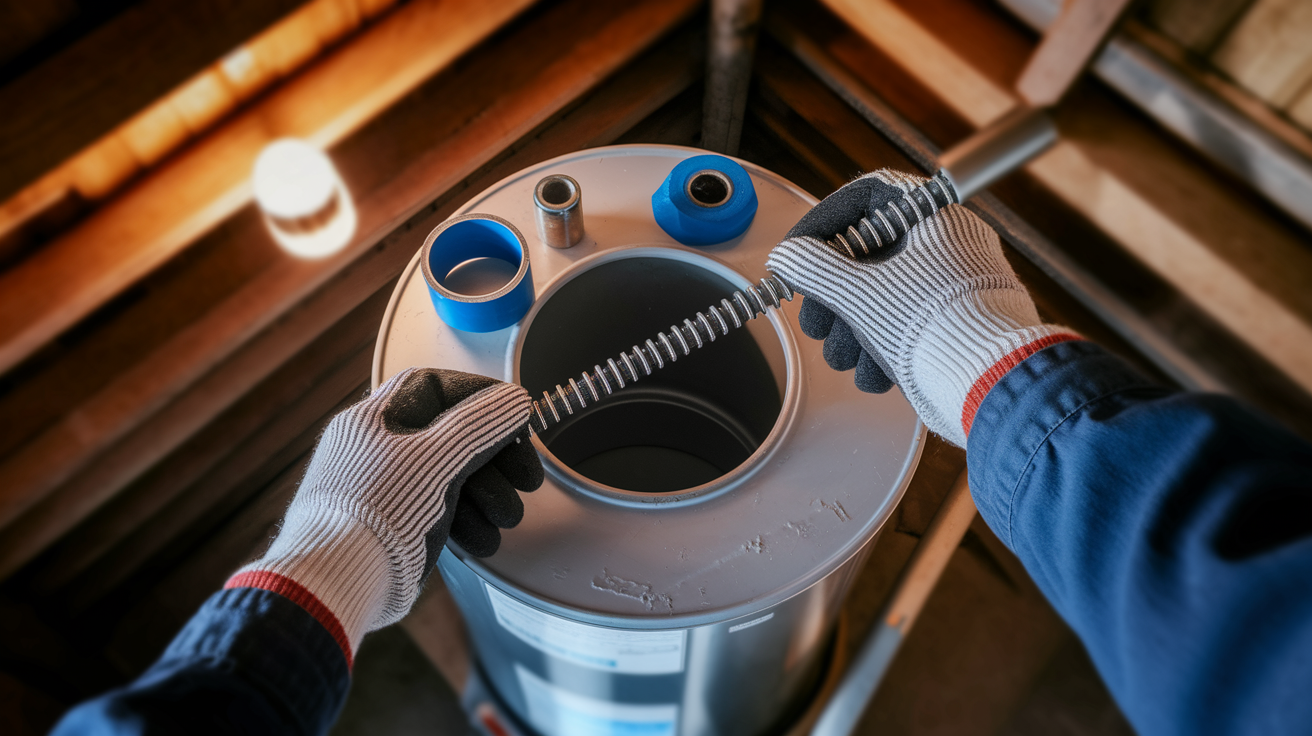
Both flexible and standard anode rods use the same tools, same threading connection, same basic installation steps. You’ll need a 1 1/16 inch socket wrench with extension, Teflon tape, a garden hose for draining part of the tank, and work gloves. Both install into a standard 3/4 inch NPT threaded opening, usually at the top of the water heater either in its own dedicated spot or attached to the hot water outlet.
Physical maneuvering during installation is where things differ. Standard rods require pulling the old one straight up and out, then guiding the new rod straight down into the opening. Flexible rods bend at those segmented connection points as you’re feeding them in, letting you angle the rod as needed when you don’t have much overhead space.
Installation Steps for Both Rod Types:
Turn off power to an electric heater at the breaker, or set a gas heater to pilot mode. Drain the tank for 10 to 15 minutes using the drain valve and garden hose to drop the water level below the anode rod opening. Remove the old anode rod using the 1 1/16 inch socket wrench, maybe a breaker bar for leverage if the rod’s seized up. Apply 3 to 4 wraps of Teflon tape clockwise to the threads of the new anode rod. Install the new rod by threading it into the opening (for flexible rods, bend the segments as you guide it down into the tank). Refill the tank, check for leaks around the anode opening, restore power or gas, test hot water flow.
Flexible rods need a bit more attention during that installation step since you’re working with three connected segments instead of one solid piece. You guide the first segment into the opening, then bend and feed the second and third segments while keeping tension on the steel wire connections. Takes an extra minute or two compared to dropping in a straight rod, but it’s not complicated. That segmented design is what lets you work in spaces where a standard 40 inch rod just won’t fit vertically.
Durability and Replacement Frequency for Both Anode Rod Types
Flexible and standard anode rods last equally long in the same water conditions. Both have roughly a three to five year lifespan under normal conditions, with most people getting around five years before replacement becomes necessary. The flexible wire connections don’t wear out faster or mess with the rod’s ability to protect your tank. How fast it depletes depends entirely on water chemistry and mineral content, not whether the rod’s rigid or segmented.
Inspect anode rods at least once a year, doesn’t matter which type you installed. If your water heater runs on well water, bump that up to twice a year or even quarterly checks. Well water often contains minerals and bacteria that eat through anode rods faster. Same inspection schedule applies to both flexible and standard rods since they wear down at the same rate.
Water conditions dramatically affect how long either rod lasts. Softened water is particularly aggressive, consuming anode rods up to three times faster than regular water. A rod that should last five years might need replacing in just six to twelve months if your water softener’s set too high. Hard water can actually extend rod life a bit by forming protective scale that slows corrosion. But that scale also builds up in your tank and on heating elements, creating a different maintenance headache.
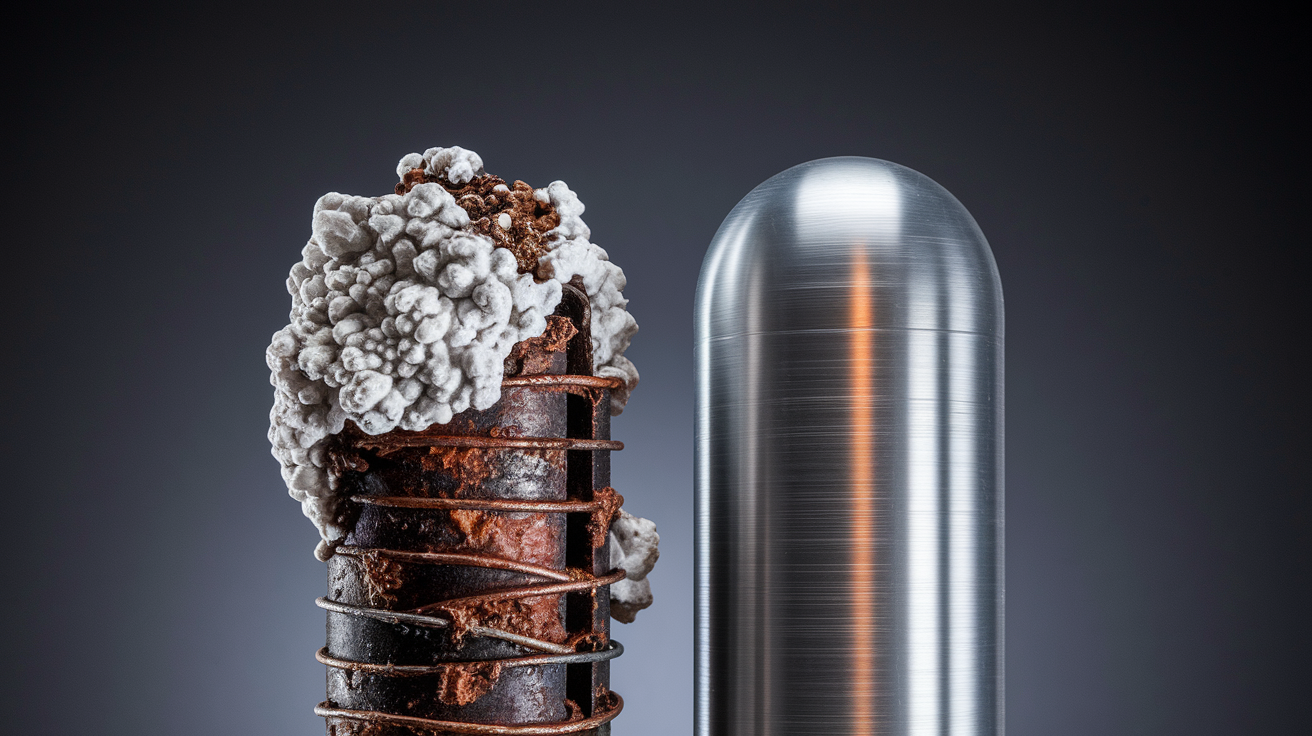
Replace the anode rod when more than 50 percent of the original diameter has corroded away, or when six inches or more of the steel core wire becomes exposed. Corrosion reaching that internal steel wire means the sacrificial metal is almost gone. At that point, the rod can’t protect your tank effectively anymore, and rust will start attacking the steel tank walls instead. These replacement indicators apply equally to flexible and standard anode rods. The flexible design doesn’t compromise longevity or corrosion resistance in any way.
Cost Analysis: Standard Anode Rods vs Flexible Alternatives

Flexible anode rods cost more than standard rigid rods because of their specialized segmented construction. The price difference is big enough to notice if you have adequate clearance and could use either type.
| Item | Standard Rod | Flexible Rod |
|---|---|---|
| Part Cost | $20-$50 | $60-$100 |
| Professional Installation Labor | $250-$300 | $250-$300 (may be higher in extremely tight spaces) |
| Total DIY Cost | $20-$50 (parts only) | $60-$100 (parts only) |
Professional installation usually runs similar costs for both rod types unless you’ve got serious access challenges. Most plumbers charge $250 to $300 in labor for anode rod replacement, which covers partial tank draining, removing the old rod, installing the new one with proper Teflon tape, and leak testing. If your installation means working in a super cramped attic or navigating difficult access, labor might run a bit higher even with a flexible rod since the job takes more time. DIY installation saves you that $250 to $300 in labor regardless of which rod you pick. The work takes one to two hours and needs basic tools you might already own. Just remember that if you don’t have enough overhead clearance and you buy a standard rod, you’ll end up buying a flexible rod anyway and eating the cost of the first one you can’t install.
Which Anode Rod Type Works Best for Your Water Heater
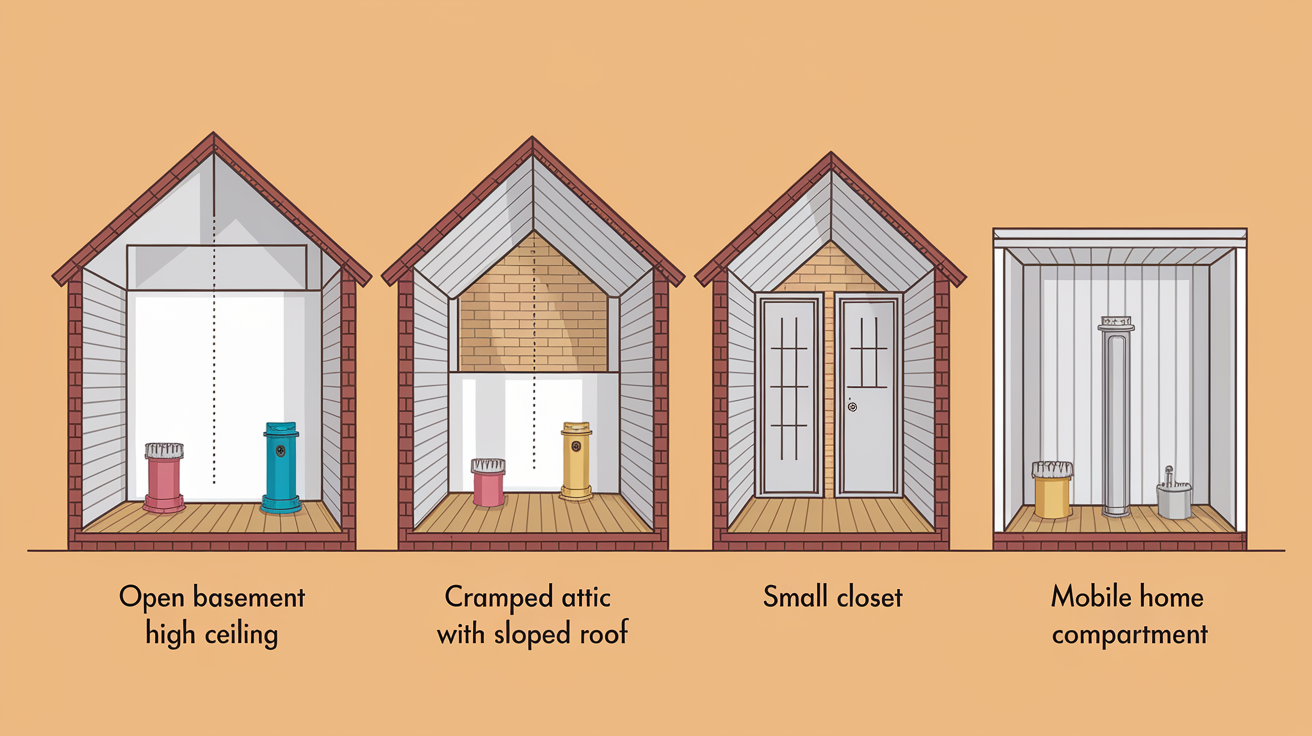
The choice between flexible and standard anode rods comes down entirely to physical installation constraints, not performance differences. Both deliver identical corrosion protection once they’re installed, so your decision is really about available clearance above your water heater.
| Your Situation | Recommended Type | Reason |
|---|---|---|
| 5+ feet of clear ceiling height above water heater | Standard Rigid Rod | Lower cost, simpler installation, widely available |
| Water heater in attic with sloped roof or low clearance | Flexible Rod | Bends during installation to fit tight vertical space |
| Basement installation with floor joists 2-3 feet above heater | Flexible Rod | Segments navigate around overhead obstructions |
| Water heater in small closet with limited room | Flexible Rod | Can be installed with minimal overhead clearance |
| Uncertain about available clearance | Measure First | Measure vertical clearance before purchasing; if under 4 feet, buy flexible |
All traditional tank-type water heaters contain anode rods and work with either construction type, whether you’ve got electric, gas, or hybrid. The fuel source doesn’t matter. What matters is the physical space around your unit. Residential installs in garages, open basements, and utility rooms typically have plenty of clearance for standard rods. Manufactured homes, condos, older houses with utility closets, and any install where the heater sits in a confined space often require flexible rods as a necessity rather than a choice.
RV and mobile home water heaters almost always benefit from flexible rods since these installations typically involve tight compartments with limited access from above. The compact spaces in recreational vehicles make it nearly impossible to maneuver a rigid 40 inch rod straight up and down. If you’re replacing an anode rod in any mobile application, start by assuming you’ll need the flexible version.
When you’re not sure about clearance, measure the distance from the top of your water heater to the nearest overhead obstruction before buying anything. Include ductwork, pipes, electrical conduit, and structural beams in your measurement. If that measurement is less than four feet, you’ll struggle with a standard rod and should buy a flexible one from the start. If you’ve got five feet or more of clear space, save money and go with the standard rigid rod for straightforward installation.
Addressing Sulfur Smell Issues with Either Rod Type

Rotten egg odor in hot water happens when sulfur-reducing bacteria in your tank react with magnesium or aluminum anode rods, producing hydrogen sulfide gas. The bacteria consume sulfate in the water and release hydrogen sulfide, which smells exactly like rotten eggs. This reaction happens with both flexible and standard anode rods when they’re made from magnesium or aluminum, since the rod material matters way more than the construction type.
Zinc-aluminum anode rods neutralize sulfur-reducing bacteria to kill the rotten egg odor while still protecting your tank. The zinc component specifically targets the bacteria causing the smell. These zinc-aluminum rods are available in both rigid and flexible versions, so if you’ve got a sulfur smell problem and limited installation clearance, you can solve both issues at once. The material eliminates the odor whether the rod is one solid piece or three connected segments.
Temporary fixes include raising your water temperature to 150°F for several hours to kill the bacteria, though this creates a scalding risk at faucets and only works until bacteria repopulate the tank. Chlorine shock treatment also kills bacteria temporarily. The permanent solution is switching to a zinc-aluminum anode rod material. A flexible zinc-aluminum rod works identically to a standard rigid zinc-aluminum rod for odor control. If your current rod is magnesium or aluminum and you’re fighting rotten egg smell, switching to zinc-aluminum material solves the problem long term whether you install a flexible or rigid replacement.
Installation Compatibility Across Water Heater Brands

Both flexible and standard anode rods use the industry standard 3/4 inch NPT threading, making them cross-compatible with most water heater brands. The threading standard is consistent across manufacturers including A.O. Smith, Rheem, Bradford White, Whirlpool, and others. Whether you choose flexible or rigid construction, the hex head and threaded connection stay the same, and you’ll use the same 1 1/16 inch socket wrench for removal and installation.
The key compatibility factor beyond threading is rod length. Your replacement anode rod should approximate the original rod length, typically 40 to 55 inches for residential tank-type water heaters. A rod that’s significantly shorter won’t provide adequate protection across the full tank height. A rod that’s too long creates installation problems and may not fit properly even if the threading matches. Measure your original rod after removal, or check your water heater’s specifications for the recommended anode rod length before buying a replacement.
Aftermarket flexible rods like the A.O. Smith 100110784 magnesium model and 100110627 aluminum model fit multiple brands when threading and length dimensions match. These 48 inch flexible rods work in most residential water heaters regardless of the original manufacturer, as long as your tank uses the standard 3/4 inch NPT connection. You’re not locked into buying only original equipment manufacturer rods. Check your heater’s installation manual or the specs printed on the tank label to confirm threading size and recommended rod length. As long as those specs match the replacement rod you’re considering, whether flexible or standard, it’ll work regardless of brand names.
Troubleshooting Common Installation Problems for Both Rod Types

Installation challenges happen with both flexible and standard anode rods, usually involving seized threads, corrosion buildup, or unexpected clearance issues. These problems aren’t specific to one construction type or the other.
Common Installation Problems and Solutions:
Seized threads from corrosion and mineral buildup. Apply penetrating oil to the hex head and let it soak for 30 minutes. Use a breaker bar for extra leverage on the socket wrench. If the rod still won’t budge after applying significant force, call a professional with specialized removal tools and experience dealing with stuck rods.
Rod breaks during removal leaving a piece in tank. If the corroded rod snaps while you’re removing it, the broken piece will fall to the tank bottom. There’s no way to retrieve it, but it doesn’t prevent you from installing a new rod. The broken piece won’t damage anything sitting at the tank bottom. Thread in your new anode rod and continue with normal operation.
Leaking connection after new rod installation. Drain the tank slightly to reduce pressure, remove the rod, and reapply Teflon tape properly using 3 to 4 wraps in a clockwise direction. Make sure threads are clean before applying tape. Reinstall and hand-tighten first, then use the wrench for a final quarter turn snug. Don’t overtighten, which can strip threads or crack fittings.
Discovered inadequate clearance after purchasing standard rod. This happens when you don’t measure overhead space before buying. Return the standard rod if possible and buy a flexible alternative. If you’re past the return window, keep the standard rod for a future project and buy the flexible rod you actually need. Measure first next time.
Heavy calcium or corrosion makes removal difficult. Aluminum rods particularly can swell when corroded, wedging themselves in the threaded opening. Use steady, firm pressure rather than sudden jerking motions. If the hex head starts to round off from wrench pressure, stop and call a professional before you strip the head completely and make removal way harder.
Stuck anode rods, space constraints, and potential for leaks are common DIY challenges that sometimes need professional help. If you run into resistance beyond what seems reasonable, or if you’re genuinely concerned about damaging the tank or creating a leak, calling a licensed plumber is worth the service call cost. Breaking the hex head or stripping the threads turns a straightforward job into a complicated repair that costs more to fix than hiring someone from the start would have.
How to Inspect and Determine Replacement Need for Your Anode Rod
Inspect anode rods every year at minimum for normal municipal water conditions. If you’ve got a water softener system, check every six months because softened water accelerates corrosion dramatically. Well water also requires more frequent inspection. Quarterly checks make sense if your well water contains high mineral content or sulfur-reducing bacteria. These inspection schedules apply equally to flexible and standard anode rods since both wear down at identical rates under the same conditions.
Visual Indicators Requiring Immediate Replacement:
Exposed steel core wire visible for six inches or more along the rod length. More than 50 percent of the original rod diameter has corroded away, leaving way less sacrificial metal. Heavy calcium coating completely obscuring the metal underneath, preventing the rod from functioning correctly. Metal flaking or crumbling when you touch the rod surface. Protective coating completely gone with bare metal heavily pitted by corrosion. Aluminum oxide gel deposits appearing in faucet aerators, indicating advanced aluminum rod corrosion.
The inspection process itself requires partial tank draining, anode rod removal with your socket wrench, and visual examination of the rod condition. Once you’ve removed the rod, look at the entire length for the indicators listed above. Pay special attention to the steel cable core running through the center. If that cable is exposed anywhere along the rod, sacrificial metal in that area is completely gone. Check the diameter by comparing the corroded rod to the rod’s original size if you remember it, or by noting how much smaller it looks compared to the hex head width. When the rod looks skinny compared to what it should be, replace it. After inspection, if the rod still has substantial metal left and the core wire isn’t exposed, you can reinstall the same rod with fresh Teflon tape and check it again in another year. Flexible and standard rods show identical depletion patterns and wear indicators.
Professional Installation vs DIY for Each Anode Rod Type
Standard anode rod replacement is a straightforward DIY project when you’ve got adequate overhead clearance and the rod isn’t seized in place. The job requires basic tools, takes one to two hours including partial tank draining and refilling, and saves you $250 to $300 in professional labor costs. If your water heater sits in an open basement, garage, or utility room with plenty of working space and you’re comfortable with basic plumbing tasks, DIY makes sense for standard rigid rods.
Call a professional for anode rod replacement when the old rod is seized and won’t budge with reasonable force, when your installation space requires flexible rods and you’re not confident maneuvering the segmented sections correctly, when you lack the proper 1 1/16 inch socket wrench and don’t want to buy it for a one-time job, or when you’re combining anode replacement with other water heater maintenance like tank flushing or element replacement. Licensed professionals bring experience with stubborn rod removal, proper installation in tight spaces, and they can handle multiple maintenance tasks in a single service call.
Flexible rod installation adds modest complexity compared to standard rods because you’re guiding three connected segments instead of one solid piece. The segments need to bend and feed correctly through the opening without tangling the wire connections. It’s not drastically harder, but it requires more patience and maneuvering. If you’re already uncertain about DIY plumbing work, the added complexity of flexible rods tips the decision toward hiring help.
Professional installation costs roughly $250 to $300 in labor for standard anode rod replacement, with the service taking about an hour. Flexible rod installation in challenging spaces might run slightly higher if the technician needs extra time working in cramped attics or tight closet installations. When you’re paying for service, ask about combining the anode rod replacement with other recommended maintenance like tank flushing to remove sediment. Combining services reduces total labor costs since the technician is already there and the tank is already partially drained. Draining your tank yourself before the technician arrives can sometimes reduce labor charges slightly, though many plumbers prefer handling that step themselves to control the process. Refer to a comprehensive water heater maintenance guide when planning annual maintenance schedules and deciding which tasks to DIY versus hiring out.
Warranty Implications and Manufacturer Recommendations
Replacing your anode rod does not void your water heater warranty, whether you choose a flexible or standard rod for the replacement. Anode rod replacement is considered essential maintenance, not a modification or unauthorized repair. Manufacturers expect anode rods to wear out and need replacement during the normal service life of the water heater.
Anode rod deterioration is specifically excluded from manufacturer warranties because it’s normal wear and tear, not a manufacturing defect. The rod is designed to corrode. That’s its entire purpose. What will potentially affect your warranty coverage is neglecting anode rod replacement and letting the tank rust internally. If rust causes your tank to fail and inspection shows a completely depleted anode rod that wasn’t replaced, manufacturers may argue that lack of proper maintenance caused the failure rather than a defect in materials or workmanship.
When selecting aftermarket anode rods, flexible or standard, use rods that match the original specifications for threading and length. Most manufacturers specify 3/4 inch NPT threading and provide recommended rod lengths in the installation manual or on the tank specification label. Stick to those dimensions whether you’re buying an OEM replacement or an aftermarket alternative. Some manufacturers express material preferences for magnesium versus aluminum, but they generally accept both rigid and flexible construction as long as the threading and length match specifications. Using a properly sized aftermarket flexible rod in place of an original standard rigid rod won’t create warranty issues as long as the replacement provides equivalent corrosion protection and fits correctly.
Final Words
Both flexible and standard anode rods protect your tank equally well. The choice comes down to your installation space, not performance.
If you’ve got the clearance, standard rods cost less and install easier. Tight space? Flexible rods solve that problem without any trade-off in protection.
Check your water heater setup, measure your overhead clearance, and pick the flexible anode rod vs standard option that fits your home. Either way, replacing the rod keeps your tank from rusting out years early.
FAQ
Are flexible anode rods better?
Flexible anode rods are better when you have limited overhead clearance for installation, but standard rigid rods are typically preferred when adequate space exists. Both types provide identical corrosion protection and lifespan. The choice depends entirely on your installation constraints, not performance differences between the two designs.
Can a flexible anode rod be too long?
A flexible anode rod can be too long if it doesn’t match your tank’s original rod length, typically 40-55 inches for residential heaters. While the flexible design bends during installation, the rod still needs to fit properly inside your tank. Always match the length specifications of your original anode rod when purchasing a replacement.
Which type of anode rod is best?
The best anode rod type depends on your installation space and water conditions. Standard rigid rods work best when you have 4-5 feet of overhead clearance and cost less. Flexible rods are necessary for tight spaces like attics, closets, or mobile homes. Material choice (magnesium, aluminum, or zinc-aluminum) matters more than construction type for protection quality.
Are anode rods bendable?
Anode rods are bendable only if they’re flexible-design rods with segmented construction connected by wire cores. Standard rigid rods are solid one-piece construction and cannot bend. Flexible rods consist of three small segments that bend at designated connection points, allowing installation in spaces with as little as 12-18 inches of clearance.
Do flexible and standard anode rods last the same amount of time?
Flexible and standard anode rods last the same amount of time under identical water conditions, typically 3-5 years. Water quality and material composition determine longevity, not whether the rod is flexible or rigid. Both types deplete at equal rates and require inspection every 1-3 years regardless of construction type.
Can I use a flexible anode rod in any water heater?
You can use a flexible anode rod in any water heater that uses standard 3/4-inch NPT threading and has matching length requirements. Both flexible and rigid rods are cross-compatible with most brands when dimensions match. Check your original rod’s threading and length before purchasing either type as a replacement.
Will replacing my anode rod with a different type void my warranty?
Replacing your anode rod with a different type won’t void your water heater warranty as long as the replacement matches original specifications for threading and length. Anode replacement is considered essential maintenance, not a modification. Failure to replace depleted rods may actually void warranty coverage if the tank rusts from neglect.
Does a flexible anode rod cost more than a standard rod?
A flexible anode rod costs more than a standard rod, typically $60-$100 compared to $20-$50 for rigid rods. Professional installation labor costs run similar for both types unless access challenges exist. The price premium reflects the specialized segmented construction that solves tight-space installation problems.
Can flexible anode rods eliminate sulfur smell?
Flexible anode rods can eliminate sulfur smell when made from zinc-aluminum material, which neutralizes sulfur-reducing bacteria. The material composition controls odor, not whether the rod is flexible or rigid. Both construction types are available in zinc-aluminum alloy for rotten egg odor problems in well water systems.
Are flexible anode rods harder to install than standard rods?
Flexible anode rods are slightly more complex to install than standard rods because you must maneuver the segmented sections during insertion. Both types require identical tools (1-1/16-inch socket, Teflon tape) and use 3/4-inch NPT threading. The flexible design eliminates the need for full vertical clearance but requires careful handling of the linked segments.