

Your dual flush toilet keeps running, and you’ve already jiggled the handle three times today. Most people assume they need an expensive plumber or a full valve replacement, but the real fix usually takes 15 minutes and costs under $10. Fill valve problems show up as ghost flushing, weak flushes, hissing sounds, or tanks that won’t stop refilling. The pattern you’re seeing points to a specific cause, and once you know what to check, you can stop the water waste and get back to normal without replacing parts you don’t actually need.
Step-by-Step Troubleshooting Guide for Fill Valve Issues

Start with a systematic check of your fill valve system before pulling parts or making assumptions about what needs replacing. Most fill valve problems show clear symptoms that point directly to the source once you know what to look for.
Follow these steps in order to identify what’s actually wrong:
-
Turn off water supply at shut-off valve. It’s located on the wall or floor behind the toilet. Turn clockwise to stop water flow.
-
Observe current water level in tank relative to marked line and overflow tube. Water should sit about 1 inch below the top of the overflow tube.
-
Add food coloring to tank water and wait 15 minutes without flushing. Use 5 to 10 drops of any color. This reveals leaks you can’t see or hear.
-
Check bowl for color indicating tank to bowl leak. If colored water appears in the bowl without flushing, water is seeping through the flush valve seal. That’s what causes ghost flushing.
-
Listen for hissing sounds indicating internal seal failure. A steady hiss means water is flowing past a worn seal inside the fill valve body.
-
Check for visible leaks around fill valve base and connections. Look for water pooling under the valve or dripping from the supply line connection.
-
Remove flush valve canister and inspect seal for wear, grime, cracks, or warping. Gently rock the canister away from the overflow pipe and lift straight up.
-
Test seal for deterioration by touching it. Run your finger along the rubber seal. If you see black residue on your fingers, the seal has deteriorated and needs replacement now.
-
Inspect refill tube position and connection to overflow tube. The tube must clip to the side of the overflow pipe, never shove directly into it. Water needs to flow down the pipe, not just sit in it.
-
Examine float cup or float mechanism for freedom of movement and debris. The float should move up and down smoothly without sticking or rubbing against the tank walls.
-
Check for mineral deposits on valve components and seats. White crusty buildup restricts water flow and prevents proper sealing.
-
Test flush button mechanism for proper operation and response. Press both buttons. They should spring back quickly and trigger distinct flush volumes.
Once you’ve worked through these checks, you’ll know whether you’re dealing with a seal that needs cleaning or replacement, a refill tube that’s positioned wrong, mineral buildup that needs removal, or a valve that’s reached the end of its life. Most continuous running and ghost flushing issues come down to seal problems that show up clearly in steps 3, 4, 7, and 8.
The pattern matters. If your food coloring test shows leakage and your seal leaves black residue when touched, you’ve found your problem without removing the entire fill valve or guessing at parts you might not need.
Understanding Your Dual Flush Fill Valve Components
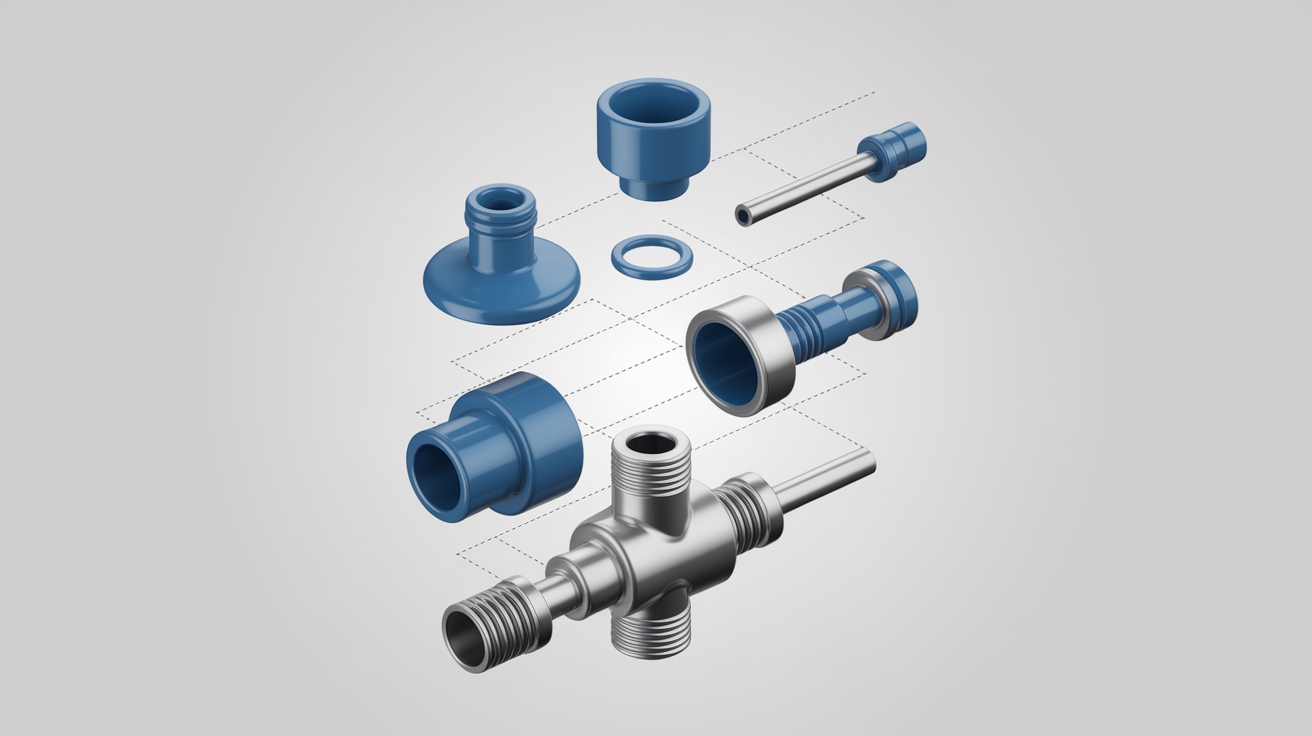
The fill valve is the tall mechanism on the left side of your tank that refills water after each flush and shuts off when the tank is full.
The main working parts include a float cup or internal float that rises with water level, signaling when to stop filling. The refill tube is the small flexible tube that directs water down the overflow pipe during refill so your bowl gets fresh water for the next flush. The overflow tube is the vertical pipe in the center of the tank that prevents flooding if something fails. Inside the valve body sits a diaphragm seal or rubber washer that opens to let water in and closes to stop flow. Most valves have adjustment features like height screws, dial settings, or twist mechanisms that control water level and flush timing.
When these components work together correctly, your toilet fills to the right level, the bowl gets enough water, and everything shuts off cleanly. When one part fails or gets misaligned, you get running water, weak flushes, or that annoying sound of the tank refilling on its own every few minutes.
Replacing a Faulty Dual Flush Toilet Fill Valve

Replace the fill valve when cleaning and adjustment don’t fix the problem, when the valve body is cracked, or when internal seals are too worn to function properly. The job takes less than an hour and costs less than $10 for a standard replacement valve.
Here’s how to install a new fill valve:
-
Turn off water supply and flush toilet to empty tank. Hold the flush button down to drain as much water as possible, then sponge out what remains.
-
Disconnect supply line from bottom of fill valve. Use an adjustable wrench to loosen the coupling nut. Have a towel ready for water that drips from the line.
-
Loosen and remove lock nut securing the valve to the tank. Some models use reverse threading (turn counterclockwise to loosen, clockwise to tighten). Others use standard threading.
-
Remove old fill valve from tank. Lift straight up through the tank opening once the lock nut is off.
-
Insert new fill valve through tank opening. Thread the shank through from inside the tank so the threaded portion extends below.
-
Adjust height so critical level mark is 1 inch below overflow tube top. Most modern valves have a twist lock height adjustment. Extend or compress the valve body until the marked line sits in the correct position.
-
Hand tighten lock nut from underneath, then secure with wrench. Don’t overtighten. Snug is enough.
-
Reconnect supply line to the threaded shank. Make sure the rubber washer inside the coupling is in good shape.
-
Clip refill tube to the side of the overflow pipe. The tube should hang over the edge, directing water down into the pipe, not crammed inside it.
-
Turn water on slowly and check for leaks around all connections. Let the tank fill completely and watch for drips at the lock nut and supply line.
The critical level mark must sit 1 inch below the overflow tube for code compliance and to prevent backflow contamination. All fill valve types follow this same installation sequence even though they look different on the outside. After installation, test both the partial flush and full flush buttons several times to confirm proper refill and shutoff.
Adjusting Water Level and Refill Settings for Optimal Performance

Wrong water level and poor refill tube positioning cause most weak flush and bowl clearing problems that people blame on the flush valve. Fix these two things first before assuming you need new parts.
Water level should sit high enough to cover the oval windows on your Duo Flush valve (about halfway to completely over them) but still maintain the 1 inch clearance below the overflow tube top. Too low and you don’t have enough water volume for a strong flush. The refill tube has an equally important job. It must deliver water down the overflow pipe during tank refill so the bowl gets fresh water. If the tube dumps water into the tank instead, your bowl stays low and the next flush is weak. Clip the refill tube to the side of the overflow pipe where it hangs freely and directs water straight down. Then adjust the roller clamp to position 8 for maximum flow. If your fill valve doesn’t provide enough bowl refill even with the tube positioned correctly, consider upgrading to a high output model like the 400AH PerforMAX that delivers better flow rates.
Here’s how to fine tune dual flush performance:
-
Set both adjustment dials to maximum initially. This establishes a baseline with full water volume.
-
Verify water level meets proper height in tank. Check against the marked line and overflow tube clearance.
-
Reposition refill tube to deliver water into overflow pipe. Remove it from wherever it’s stuck and clip it to the pipe’s edge.
-
Adjust roller clamp to position 8 for maximum flow. Slide the clamp up the tube until you reach the highest numbered setting.
-
Test flush with 3 pieces of toilet paper. Drop them in the bowl and hit the partial flush button. They should evacuate completely.
-
Adjust green dial (partial flush) down incrementally. Lower it one number at a time until the toilet fails to clear the paper, then increase by 1 setting for optimal half flush.
-
Set blue dial (full flush) 1 to 2 settings higher than green. This ensures adequate power for solid waste without wasting water.
-
Check water pressure at supply line. Low pressure can cause weak performance even with correct settings.
-
Consider upgrading to high output fill valve if issues persist. Some older or budget fill valves simply can’t deliver the flow rate dual flush systems need for proper bowl refill.
Cleaning and Maintenance Best Practices
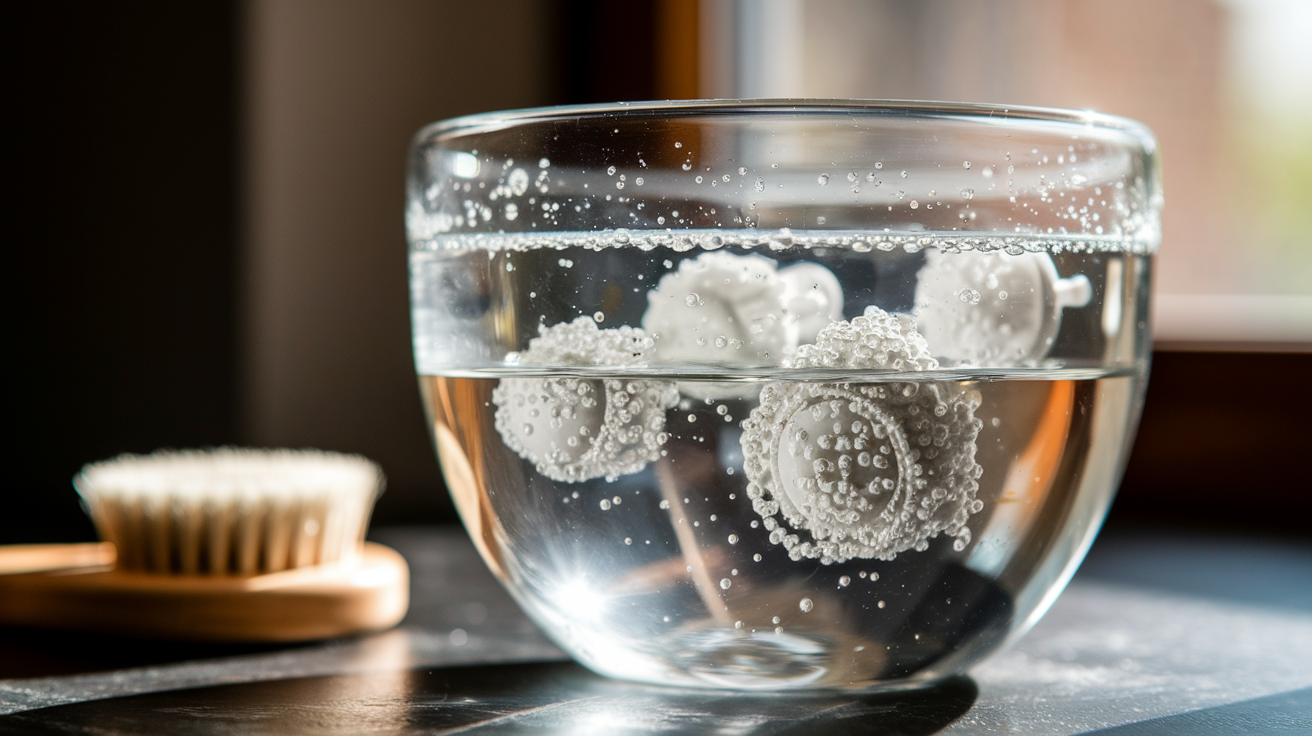
Mineral deposits and debris stuck inside your fill valve cause running water, slow refills, and valve failures that most people fix by cleaning instead of replacing parts. Regular maintenance prevents 90% of emergency repairs and stops small leaks that waste hundreds of gallons every month.
Cleaning your fill valve assembly takes about 20 minutes. Turn off the water and flush to empty the tank. Remove the valve cap (usually a twist off design) and lift out the float cup and internal components, paying attention to how they fit together. Rinse away loose debris under running water. Soak the parts in white vinegar or a gentle descaling solution like CLR for 15 to 20 minutes to dissolve mineral buildup. Use a soft brush to scrub crusty deposits from the rubber seals, diaphragm, and valve seat. Rinse everything thoroughly with clean water before reassembling. Never use harsh drain cleaners or bleach based products in your tank because they destroy the plastic valve body and rubber seals. Clean your fill valve every 6 to 12 months depending on water hardness. If you see white crusty deposits forming quickly, you’re dealing with hard water and need more frequent cleaning or a water softener.
Follow these practices to extend fill valve life and catch problems early:
- Inspect fill valve operation and water level every 3 months
- Clean valve components annually (6 months in hard water areas)
- Test both flush buttons monthly for proper response
- Check for bowl ripples indicating early seal wear
- Monitor water bills for unexplained increases (sign of hidden leaks)
- Replace rubber seals every 3 to 5 years as preventive measure
- Install water softener or sediment filter in hard water areas
- Keep tank lid secured to prevent debris entry
- Inspect seals for deterioration using black residue test
- Check refill tube for blockages and proper positioning
Set a reminder to check your toilet’s fill valve the same week you change air filters or check smoke detectors. A quick look every few months catches issues when they’re still easy to fix. Keep a simple log noting when you last cleaned the valve or replaced seals. Fill valves typically last 5 to 7 years with proper maintenance compared to 3 to 4 years when ignored. A well maintained fill valve that’s not leaking saves 200 to 400 gallons of water per month. Quality replacement parts last even longer when you clean them regularly and keep minerals from building up on sealing surfaces.
Tools and Parts Needed for Fill Valve Repair

Get your tools and parts lined up before you start so you’re not making a wet handed trip to the hardware store halfway through the repair.
| Item | Purpose | Approximate Cost |
|---|---|---|
| Adjustable wrench | Loosening lock nuts and supply line connections | $8-15 (if you don’t have one) |
| Screwdriver set | Removing valve caps and adjustment covers | $10-20 |
| Sponge and towels | Soaking up remaining tank water and cleaning up drips | $3-5 |
| Bucket | Catching water from disconnected supply line | $5-10 |
| Replacement fill valve | Installing new valve if repair isn’t possible | $8-25 |
| Replacement seals | Fixing leaks without full valve replacement | $3-8 |
| Cleaning brush | Scrubbing mineral deposits from valve components | $2-5 |
| Penetrating oil | Loosening corroded lock nuts | $5-8 |
Most fill valves sold at hardware stores are universal fit models that work with any standard toilet tank. Dual flush systems sometimes use manufacturer specific valves, but many accept standard replacements with minor adjustments. Bring your old valve or a clear photo of your tank setup when shopping to confirm compatibility. Quality matters more than you’d think. A $15 name brand valve lasts years longer than an $8 generic version because the seals and plastic hold up better under constant water exposure. Budget an extra $5 to $10 for a quality valve and you’ll likely avoid doing this repair again for 5 to 7 years. Keep the old valve after removal. It’s your best reference for buying the right replacement and matching up components.
Fixing Flush Button and Dual Flush Mechanism Problems
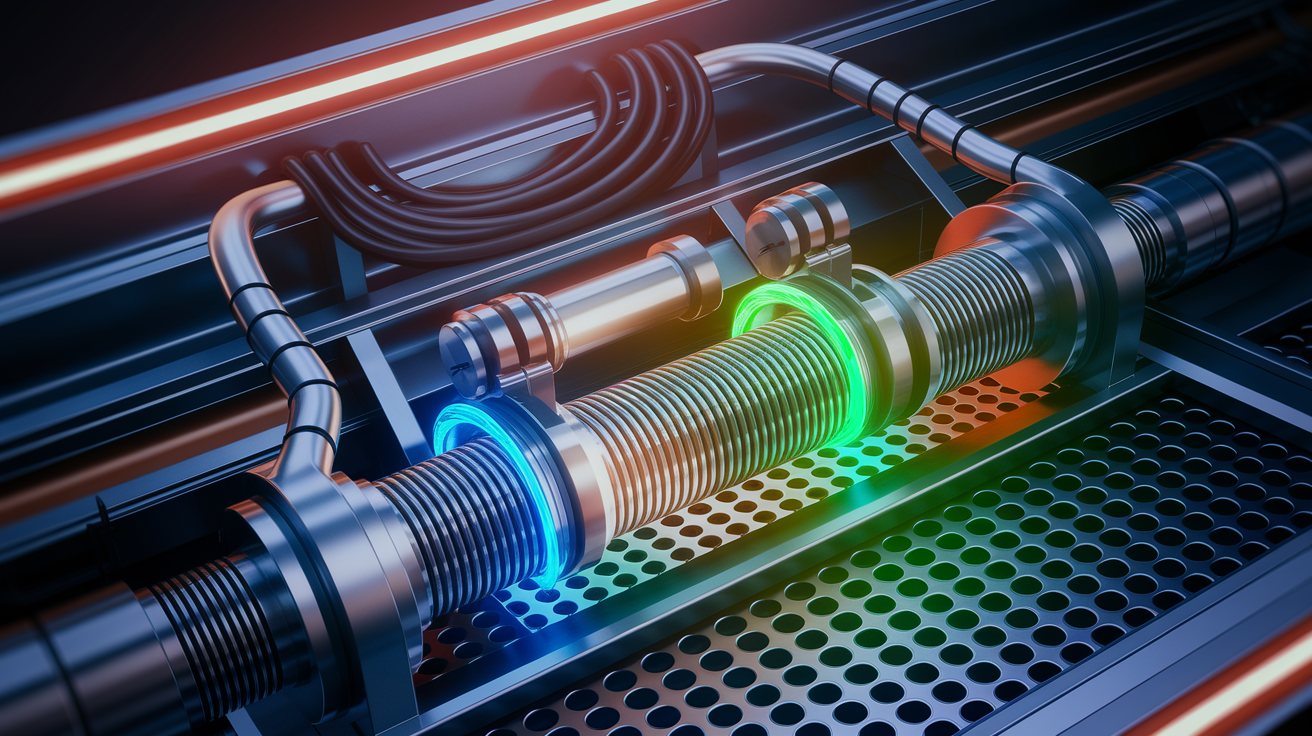
The flush button mechanism talks directly to your fill valve through cables and levers. When buttons stick, fail to spring back, or don’t trigger the right flush volume, your fill valve gets confused signals and can’t refill properly.
Common button issues include worn springs that don’t return the button to neutral, loose cable connections that prevent full valve opening, and misaligned activation boxes that don’t trigger flush cycles cleanly. The flush closes immediately after you release the button when adjustment dials are set too low or when the activation mechanism isn’t fully engaging. Older activation boxes mount directly to the tank lever and require a strong pull toward the back of the tank to unsnap them. Newer designs have a push button on top of the box for easy removal without fighting with stubborn clips.
Quick fixes for flush button and mechanism problems:
- Inspect button connections for looseness or wear. Tighten any screws or clips holding cables to the flush valve assembly.
- Remove and clean activation box. Pull older models toward the back of the tank firmly until they unsnap. Press the release button on newer models and lift straight up.
- Check for broken springs or worn button components. Replace the entire button assembly if springs are stretched out or plastic parts are cracked.
- Adjust button height and alignment for smooth operation. Buttons should press straight down without rubbing against the lid opening.
- Test both partial and full flush button response. Each button should trigger a distinct flush volume and return to neutral immediately.
- Replace entire button assembly if components are cracked or severely worn. Button assemblies cost $10 to $20 and install in minutes.
Cost Estimates and When to Call a Professional Plumber

Fill valve repair is one of the most DIY friendly plumbing jobs because the parts are inexpensive and the tank is easy to access.
| Repair Type | DIY Cost | Professional Cost | Time Required |
|---|---|---|---|
| Fill valve replacement | $8-25 | $150-250 | 30-60 minutes |
| Seal replacement | $3-8 | $100-175 | 15-30 minutes |
| Adjustment and cleaning | $0-5 | $75-125 | 20-40 minutes |
| Complete flush system replacement | $40-80 | $200-350 | 1-2 hours |
| Emergency leak repair | $10-30 | $150-300 | 30-90 minutes |
Call a professional plumber when you’ve followed troubleshooting steps but can’t identify the source of the problem, when you need specialized tools you don’t own, when your dual flush system uses a complex tank mounted design you’re not comfortable working on, if you discover cracks in the tank or major component failures that need replacement, or when problems keep coming back after your DIY attempts. Professional plumbers complete most fill valve repairs in 30 to 60 minutes because they carry common parts and have done the work hundreds of times. Professional installation often includes a warranty on parts and labor that protects you if something fails shortly after repair. If you’re dealing with an active leak that’s causing water damage or a running toilet that’s wasting water by the gallon, call immediately. The repair cost is smaller than the water bill and potential damage from delayed action.
Final Words
Most dual flush toilet fill valve problems come down to worn seals, mineral buildup, or simple adjustment issues. You can handle the majority of these repairs yourself in under an hour with basic tools.
Regular cleaning and quick attention to early warning signs like ghost flushing or continuous running will save you from bigger headaches down the road.
If you’ve walked through the troubleshooting steps and you’re still dealing with issues, or if you’re seeing active leaks you can’t control, that’s when it makes sense to bring in a pro. But for most homeowners, these fixes are totally manageable and way cheaper than you’d think.
FAQ
What is the problem with the dual flush valve?
The most common problem with dual flush valves is seal failure at the base of the flush valve, causing continuous running water or ghost flushing. Mineral buildup, worn seals, and improper water level settings also prevent proper flushing and cause leaks.
What are the common problems with toilet fill valves?
Common toilet fill valve problems include continuous running water from worn seals, ghost flushing from tank-to-bowl leaks, incorrect water levels preventing proper flushing, mineral deposits blocking valve operation, and refill tubes positioned incorrectly causing weak bowl clearing.
What happens if you press both buttons on a dual flush toilet?
Pressing both buttons on a dual flush toilet triggers the full flush cycle, releasing the maximum water volume. The full flush button overrides the partial flush setting, so pressing both produces the same result as pressing only the full flush button.
How much would a plumber charge to replace a toilet fill valve?
A plumber typically charges $150 to $250 to replace a toilet fill valve, including labor and the valve itself. DIY replacement costs under $10 for the valve and takes less than one hour with basic tools like an adjustable wrench.
How long does it take to replace a dual flush fill valve?
Replacing a dual flush fill valve takes less than one hour for most homeowners. The process involves shutting off water, draining the tank, removing the old valve, installing and adjusting the new valve, and testing for leaks.
Can I repair a fill valve or should I replace it?
Fill valve replacement is usually recommended over repair because new valves cost less than $10 and ensure reliable long-term performance. Cleaning and adjusting existing valves works for minor issues like debris buildup, but worn seals typically require full replacement.
How do I know if my fill valve seal needs replacing?
Your fill valve seal needs replacing if you notice continuous running water, ghost flushing with ripples in the bowl, or black residue on your finger when touching the seal. These signs indicate the seal has deteriorated and can no longer create a watertight closure.
What tools do I need to replace a toilet fill valve?
You need an adjustable wrench, screwdriver set, sponge or towels, bucket, and the replacement fill valve. Optional items include a cleaning brush for maintenance and penetrating oil for stuck connections. Total tool and parts cost ranges from $15 to $35.
Why does my dual flush toilet have weak flushing?
Weak flushing in dual flush toilets typically results from improper water level settings, refill tube positioned into the tank instead of clipped to the overflow pipe, or roller clamp restricting water flow. Adjusting these settings usually restores proper flush strength.
How often should I clean my fill valve?
Clean your fill valve every 6 to 12 months depending on water hardness in your area. Hard water areas require cleaning every 6 months to prevent mineral buildup. Regular cleaning prevents valve failures and extends the lifespan to 5 to 7 years.
What causes ghost flushing in dual flush toilets?
Ghost flushing happens when water slowly leaks from the tank to the bowl through a worn or dirty flush valve seal. You’ll notice subtle water ripples in the bowl and the fill valve periodically turning on to refill the tank without anyone flushing.
Should I hire a plumber or fix the fill valve myself?
Most fill valve repairs are DIY-friendly and cost under $10 with less than one hour of work. Call a professional plumber for unclear diagnosis after troubleshooting, cracked tanks, persistent problems after DIY attempts, or active leaks causing water damage.