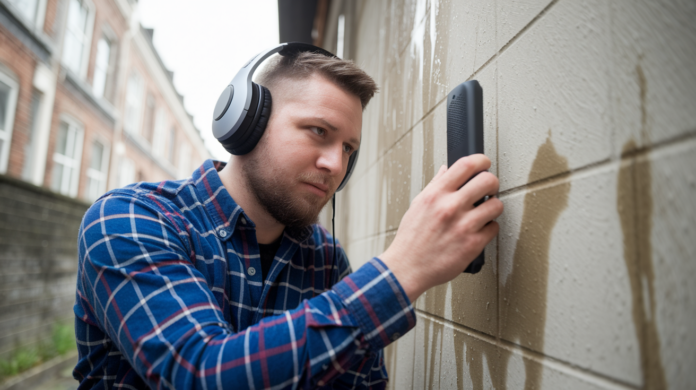

You’ve probably walked past a small leak a hundred times without knowing it was there. That slow drip behind your bathroom wall or pinhole leak under your slab doesn’t announce itself with a puddle or spray. But professional leak detection finds these hidden problems using technology that picks up what you can’t see or hear. Acoustic sensors, thermal cameras, and tracer gas methods locate leaks as small as a few drops per minute, even through concrete and drywall. Here’s how detection works, what affects accuracy, and when the signs you’re seeing mean it’s time to stop guessing and start testing.
Small Leak Detection: Capabilities and Methods

Yes, professional leak detection locates small leaks, including pinhole leaks, slow drips, and micro leaks, without tearing into your walls or floors. Modern detection technology can identify leaks as small as a few drops per minute, even when they’re hidden behind drywall, under concrete slabs, or buried underground. These methods work by amplifying subtle signs that conventional inspection can’t catch. A slight temperature change, the faint sound of moving water, or chemical traces that mark exactly where water’s escaping. The key is using equipment sensitive enough to pick up what your eyes and ears can’t detect, then confirming the location before recommending any invasive work.
Detection methods for small leaks include:
Acoustic and ultrasonic detection amplifies the sound of water moving through pipes or escaping through small openings, detecting leaks through drywall, cabinets, concrete, and underground soil by listening for frequencies beyond normal hearing range.
Thermal imaging cameras identify temperature differences caused by leaking water (cooler spots from cold water leaks, warmer areas from hot water lines) against surrounding materials. They locate leaks behind walls, under floors, and within concrete without physical contact.
Tracer gas detection introduces a hydrogen based gas mixture into the system that escapes through even tiny leak points, then uses sensitive sensors to pinpoint the exact location where gas emerges. Often the final option when other methods don’t work.
Pressure testing pressurizes the system with air or nitrogen and monitors how quickly pressure drops over time. Fast drops indicate larger leaks while gradual pressure decay signals smaller, harder to find leaks.
Video pipe inspection inserts fiber optic cameras through existing access points like faucets or cleanouts to provide direct visual confirmation of holes, cracks, disconnections, and corrosion inside pipes.
What qualifies as a “small leak” typically means flow rates under one gallon per hour, though detection technology can identify even slower seepage. Pinhole leaks might release only a few ounces per hour. Hairline cracks in pipe joints can seep so slowly they only show up as dampness rather than visible dripping. Minor fixture leaks like a toilet flapper that doesn’t seal completely can waste hundreds of gallons monthly while appearing nearly invisible. Even at these low flow rates, professional equipment picks up the thermal signature, sound frequency, or chemical trace that confirms water’s escaping.
Detection method selection depends on where you suspect the leak, what type of piping you have, and how accessible the area is. A suspected slab leak underneath your foundation calls for acoustic methods and thermal imaging, while a slow drip somewhere in your wall might start with thermal scanning before moving to other technologies if needed.
Factors Affecting Small Leak Detection Success

Detection reliability for small leaks varies depending on your specific situation. The same pinhole leak that’s easy to find in an exposed basement pipe might take longer to pinpoint when it’s buried three feet underground or hidden behind tile, insulation, and drywall.
Physical barriers significantly impact how quickly and precisely we can locate small leaks. Pipe depth matters. Leaks in shallow lines near the surface are easier to detect than those buried deep under driveways or landscaping. Wall materials affect thermal imaging effectiveness, with metal studs and reflective insulation sometimes blocking the temperature differences we’re looking for. Concrete slabs create acoustic challenges since sound travels differently through dense materials compared to wood framing. Accessibility also plays a role. A leak under a finished basement with drop ceilings and clear access is simpler to investigate than one beneath a main floor covered in hardwood, padding, and subflooring. Older homes with multiple remodels can have piping routes that don’t match original plans, adding time to the detection process.
Environmental factors create their own complications. Background noise from running appliances, HVAC systems, or nearby traffic can interfere with acoustic detection, especially for very small leaks with faint sound signatures. Existing moisture from recent rain, high humidity, or normal condensation can produce false positives during thermal imaging, making it harder to distinguish a small leak from ambient dampness. Homes with radiant floor heating show temperature patterns that complicate thermal detection. Properties with multiple fixtures running simultaneously create water movement sounds that mask the specific frequency pattern of a small leak.
Before starting detection work, professionals assess these variables to choose the most effective approach. That means asking about your home’s age, construction type, recent weather, and what you’ve noticed so far. This upfront evaluation improves accuracy and saves time by selecting methods likely to work best in your specific conditions rather than running through every available technology.
Signs and Common Locations of Small Leaks
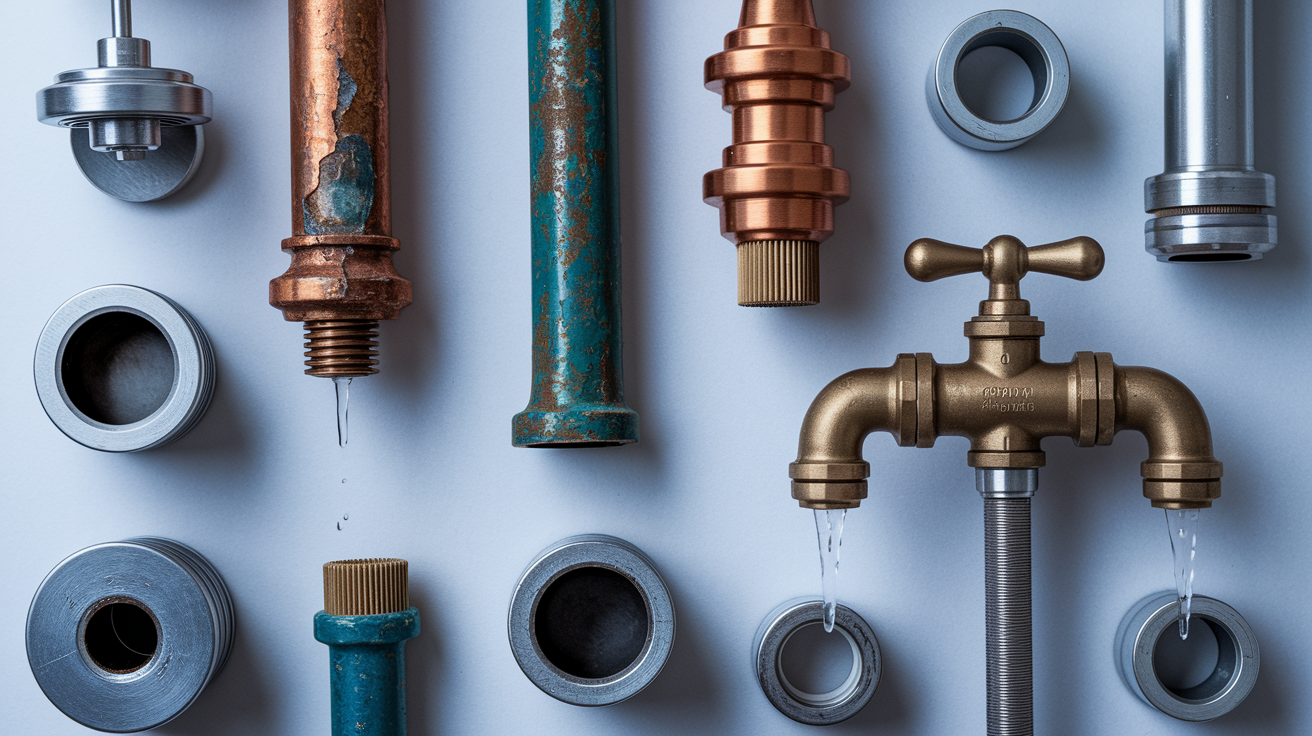
Recognizing early warning signs and knowing where small leaks typically develop helps you catch problems before they turn into expensive repairs. Most small leaks give subtle clues long before they cause visible flooding or major damage.
Common indicators include water stains that appear as yellowish brown rings or spots on ceilings and walls, even if they’re not actively wet. Musty odors that smell like damp towels or mildew signal moisture accumulation somewhere nearby. Unexplained increases in your water bill, especially if your usage patterns haven’t changed, often mean water’s escaping somewhere in the system. Warm spots on floors above slab piping suggest a hot water line leak underneath. Oxidation or discoloration around pipe joints, valve connections, and appliance hoses shows water’s been seeping slowly over time. Mold growth in corners, along baseboards, or inside cabinets points to ongoing moisture. The sound of running water when all fixtures are off indicates water moving through pipes when it shouldn’t be.
| Location | Typical Small Leak Types | Warning Signs |
|---|---|---|
| Toilets | Flapper seal failures, tank to bowl gasket seepage, supply line drips | Phantom flushing sounds, water trickling into bowl, floor dampness at base, higher water bills |
| Faucets | Worn washers, O ring deterioration, valve seat corrosion | Constant dripping, water pooling around base, cabinet moisture, handle looseness |
| Water Heaters | Tank corrosion pinhole leaks, pressure relief valve weeping, connection joint seepage | Rusty water, puddles near base, hissing sounds, warm spots on nearby floor |
| Pipe Joints | Threaded connection loosening, solder joint failures, compression fitting leaks | Green oxidation on copper, white mineral deposits, drywall discoloration, cabinet dampness |
| Slab Piping | Pinhole corrosion in copper, crack development in concrete, soil shifting damage | Warm floor sections, running water sounds when fixtures off, foundation cracks, yard wet spots |
| Appliance Connections | Washing machine hose deterioration, dishwasher supply line cracks, refrigerator ice maker leaks | Floor dampness behind appliances, water stains on adjacent walls, musty appliance smells |
| Shower/Tub Fixtures | Grout failures, caulk deterioration, valve stem packing leaks, drain flange seepage | Ceiling stains below bathroom, wall softness around fixtures, mildew smell, loose tiles |
| Irrigation Systems | Sprinkler head cracks, underground line breaks, valve box leaks, backflow preventer drips | Soggy yard patches, unusually green grass sections, water pooling, high outdoor water usage |
Some locations are accessible enough for homeowner inspection. You can check under sinks, around toilet bases, near water heaters, and behind washing machines with a flashlight and some cabinet door opening. Look for the warning signs listed above during these routine checks. Other areas like behind shower walls, underneath concrete slabs, or buried irrigation lines stay hidden from view. When you notice signs pointing to these concealed locations, or when accessible areas don’t reveal an obvious source despite clear symptoms, that’s when professional detection equipment becomes necessary. Don’t wait if you’re seeing multiple warning signs, noticing unexplained bill increases above 12,000 gallons monthly for a family of four, or dealing with a home over 25 years old where plumbing reliability naturally declines.
DIY Detection Methods and When to Call Professionals
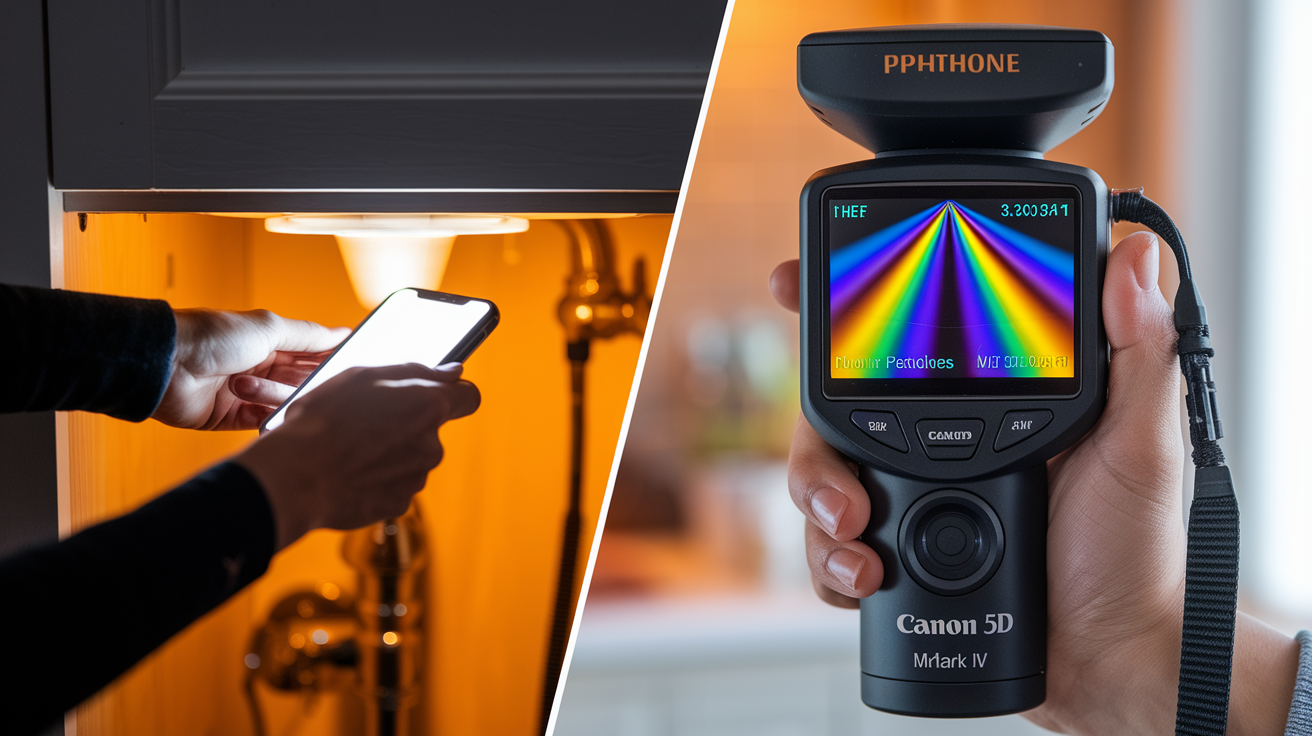
Homeowners can successfully detect some small leaks using simple methods, while other situations require professional equipment and expertise from the start.
Effective DIY approaches work for accessible small leaks where you have direct visual access or can monitor system behavior. The water meter test catches active leaks by turning off all water fixtures and appliances, then watching your meter. If it moves immediately, you have a significant leak. For smaller leaks, mark the meter reading, avoid using any water for two hours, then check again. Any movement indicates water escaping somewhere. The toilet dye test identifies tank to bowl leaks by adding food coloring to the tank and waiting ten minutes without flushing. If color appears in the bowl, the flapper or flush valve is leaking. Visual inspections of accessible connections at water heaters, washing machines, dishwashers, and under sinks can reveal oxidation, mineral buildup, or dampness signaling slow leaks. For suspected gas line leaks, the soap bubble test involves applying soapy water to connections and watching for bubbles that form as gas escapes. Simple, inexpensive, and highly sensitive for exposed piping.
Situations requiring professional leak detection services:
Suspected underground leaks where pipes run beneath driveways, landscaping, or foundations without visible access points, especially when you’re seeing wet spots in your yard or hearing running water sounds outside.
Persistent high water bills that stay elevated for months despite checking all accessible fixtures and finding no obvious source, suggesting hidden system leakage.
Slab leak symptoms including warm floor spots, running water sounds when fixtures are off, cracks developing in your foundation, or moisture appearing at floor edges.
Behind wall moisture signs like water stains, soft drywall, or musty smells when you can’t identify an obvious fixture leak and need to avoid unnecessary wall demolition.
Failed DIY detection attempts where you know water’s escaping based on meter tests and bills, but can’t locate the source through visual inspection or listening.
Property age and risk factors particularly homes over 25 years old with original plumbing where declining system reliability and multiple potential leak points warrant comprehensive professional assessment.
Professional equipment offers significant advantages for hidden small leaks that DIY methods can’t reach. During professional service, technicians start by assessing your specific situation, reviewing what you’ve noticed, checking your plumbing layout, and asking about recent changes in water usage. They then select appropriate non invasive testing methods (acoustic sensors, thermal cameras, tracer gas equipment, or video inspection) based on your property characteristics and suspected leak location. The detection process happens without breaking through walls, floors, or ceilings unless absolutely necessary for confirmation. You receive a detailed report showing exactly where the leak is located, what’s causing it, and recommended repair approaches with cost estimates, giving you the information needed to make an informed decision.
Cost benefit considerations strongly favor professional detection when you’re dealing with hidden small leaks. Detection services typically range from a few hundred dollars for straightforward residential investigations to higher amounts for complex situations requiring multiple technologies or extensive property coverage. Compare that to potential damage costs from an undetected small leak that continues for months or years. A pinhole leak in a slab line can cause foundation damage requiring tens of thousands in repairs. A slow drip behind a wall leads to mold remediation, drywall replacement, and potential health impacts. Even a toilet flapper leak wasting 200 gallons daily adds hundreds to annual water bills. Professional detection prevents these escalating costs by finding and stopping small leaks before they become major problems.
Detection Accuracy and Timeframe for Small Leaks

Accuracy for pinpointing small leaks varies by detection method and leak characteristics, ranging from identifying a leak within a few inches to narrowing it down to a general area requiring additional investigation.
Typical location precision depends on the technology used and physical conditions. Acoustic detection combined with tracer gas methods can identify small leaks within inches on accessible piping. Thermal imaging narrows leak location to within a few feet when temperature differentials are clear, then other methods refine the exact spot. Video pipe inspection provides the most precise confirmation by showing the leak directly on camera with distance markers indicating exact footage from the access point. For underground leaks, detection usually identifies the general area within a few feet, then confirmation testing or careful excavation pinpoints the exact failure point. Factors affecting pinpoint accuracy for small leaks include pipe depth, surrounding material density, leak flow rate (slower leaks produce subtler signals), background interference, and whether the leak’s intermittent or constant.
Detection timeframes for small leaks vary considerably based on complexity. Simple situations like checking an accessible fixture or running a meter test deliver immediate results. Thermal imaging surveys of interior walls typically take a few hours to complete and analyze. Acoustic detection for underground lines might require several hours of methodical scanning across your property. Tracer gas detection, often used as a final option when conventional methods fail, involves introducing gas, allowing time for it to permeate and escape through small leak points, then systematically scanning. A process that can take most of a day for thorough coverage. Verification processes confirm findings before recommending repairs. That might mean re checking with a second detection method, monitoring pressure decay rates to ensure the identified location accounts for observed water loss, or using video inspection to visually confirm the leak before any demolition begins.
Prevention and Early Detection Strategies
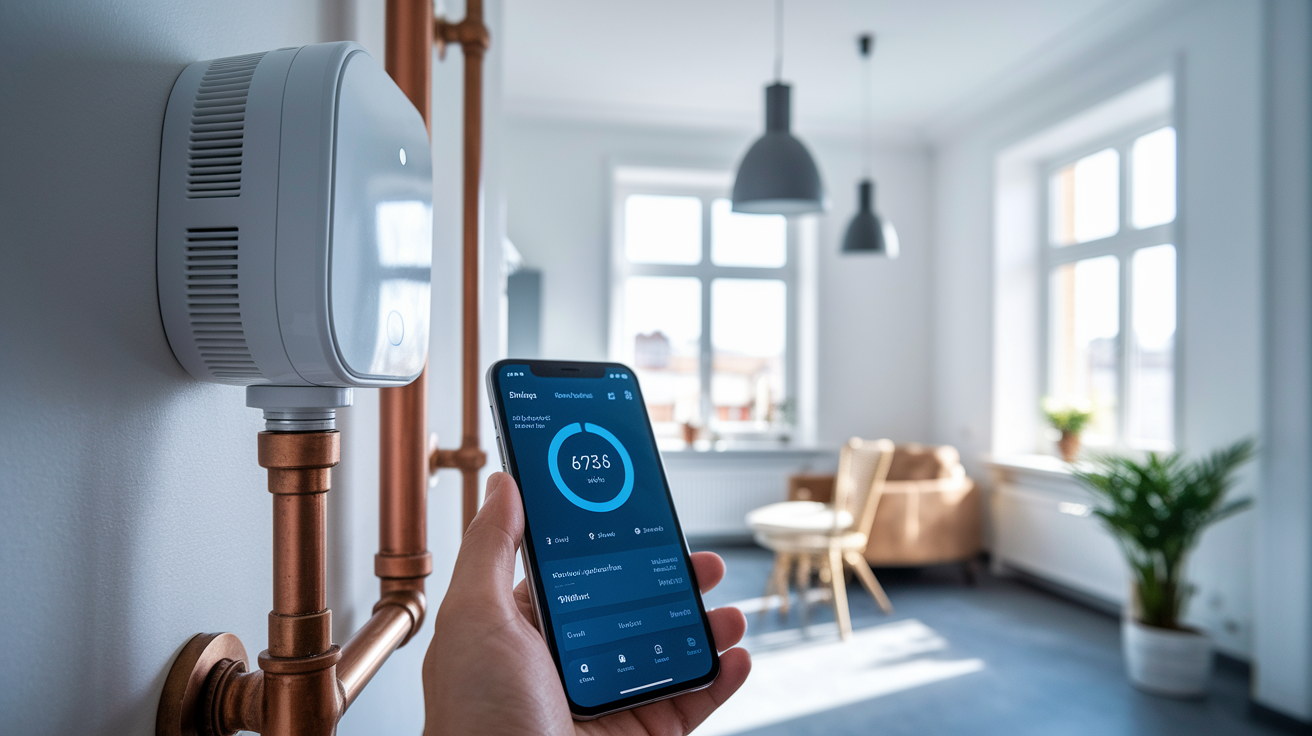
Prevention and early detection save substantially more money than waiting for small leaks to announce themselves through visible damage or emergency failures. Catching a pinhole leak early might cost a couple hundred dollars for a simple pipe repair. Waiting until that same leak causes ceiling collapse, mold growth, and flooring damage can run into thousands.
Routine monitoring practices help homeowners catch small leaks in their early stages. Track your monthly water usage and watch for unexplained increases. Families of four using over 12,000 gallons monthly likely have a serious leak. Review your water bill regularly for usage spikes that don’t match seasonal patterns or household changes. Conduct visual inspections of accessible plumbing monthly, checking under sinks, around toilet bases, near water heaters, and behind appliances for dampness, stains, or odor. Run meter checks quarterly using the two hour test described earlier, especially useful for detecting slow leaks that aren’t obvious through daily observation.
Preventive maintenance actions and inspection recommendations:
Professional plumbing inspections annually for comprehensive system evaluation, particularly important for homes over 25 years old where plumbing reliability naturally declines and multiple small leak points become more likely.
Monthly water usage monitoring comparing current bills to previous months and seasonal averages, investigating any increases exceeding 10 percent without corresponding household changes.
Quarterly pressure checks at hose bibs and fixtures to identify unusual pressure drops that suggest leaks or system issues developing somewhere in your piping.
Biannual fixture inspections examining toilet components, faucet washers, appliance connections, and visible piping for early wear signs like oxidation, mineral buildup, or component looseness.
Immediate investigation requirements for any new signs including water stains, musty smells, unexplained moisture, warm floor spots, or running water sounds when fixtures are off.
Modern automated leak detection systems and smart home integration provide continuous monitoring that catches small leaks faster than periodic manual checks. Smart water monitors install at your main water line and track flow patterns 24/7, alerting you via smartphone when they detect unusual usage suggesting a leak. These systems establish your household’s normal consumption patterns, then flag anomalies like water flowing at 2 AM when everyone’s asleep or continuous low flow indicating a toilet flapper leak or dripping faucet. Some systems integrate with automatic shutoff valves that close your main water line if significant leakage is detected, preventing flood damage when you’re away from home. While these technologies involve upfront equipment costs, they offer peace of mind for frequent travelers, owners of second homes, and anyone wanting proactive protection against the gradual damage small leaks cause when they go unnoticed for extended periods.
Cost Considerations for Small Leak Detection
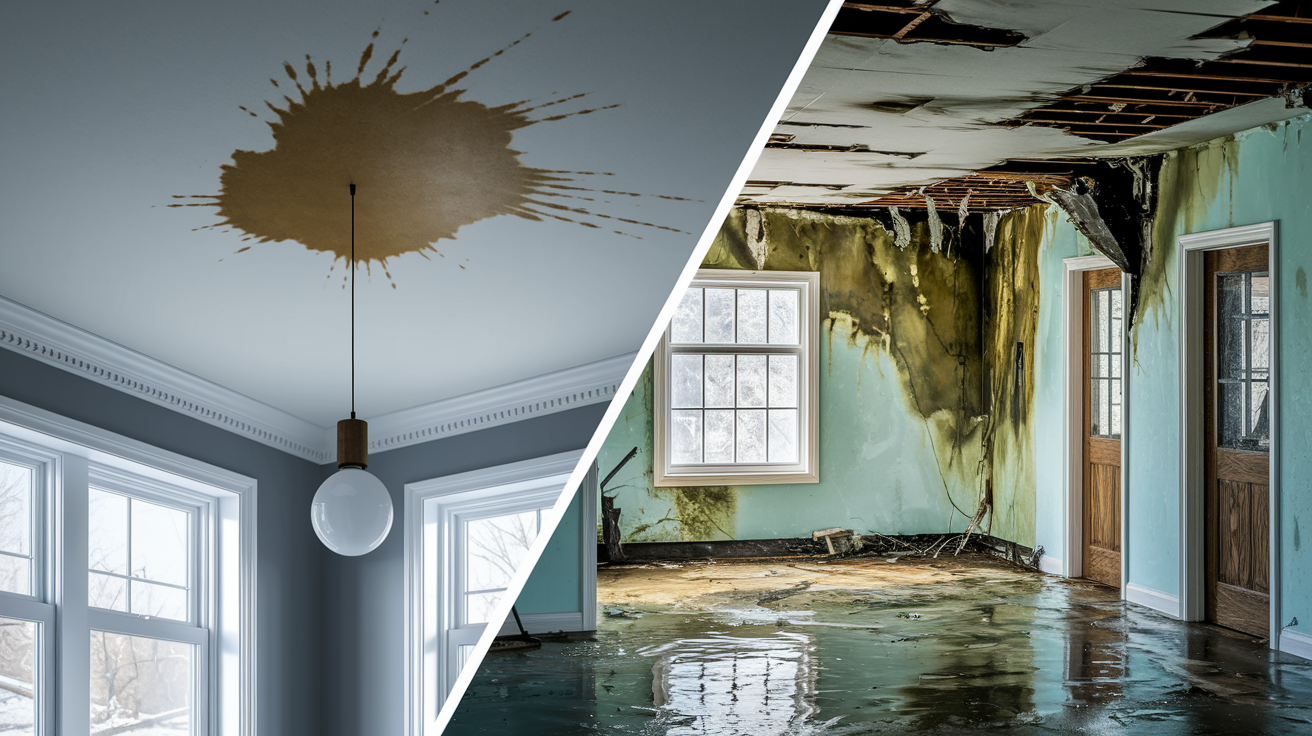
Professional detection services for small leaks typically range from $200 to $600 for straightforward residential investigations, with costs increasing for complex situations requiring multiple technologies or extensive property coverage.
Several factors affect what you’ll pay for detection services. Property size influences costs since larger homes with more plumbing fixtures and greater pipe distances require more comprehensive scanning. Leak location complexity matters. Accessible areas cost less to investigate than underground lines, slab piping, or concealed locations requiring specialized equipment. Methods required drive pricing, with basic thermal imaging and acoustic scans at the lower end while tracer gas detection and video pipe inspection with extensive pipe access add costs. Accessibility impacts labor time and difficulty. Clear basement access is simpler and faster than crawling through tight spaces, moving furniture, or working around finished areas where extra care prevents property damage.
Compare detection costs to potential expenses from undetected small leaks and the value becomes clear. A toilet flapper leak wasting 200 gallons daily costs roughly $300 yearly in wasted water at typical rates. An irrigation system pinhole leak can waste 6,300 gallons monthly, adding over $250 annually in outdoor water charges. Water damage repair costs escalate dramatically beyond the wasted water itself. A small leak behind a wall that continues undetected for months causes drywall replacement, insulation removal, potential mold remediation, and repainting. Repairs easily reaching $2,000 to $5,000 for a single affected area. Slab leaks cause foundation damage, flooring replacement, and structural repairs that run $5,000 to $15,000 or higher depending on severity and duration. Regular cabinet inspections catching slow leaks early can save thousands compared to discovering damage after it’s spread extensively through framing and subflooring.
Insurance considerations add another dimension to detection costs. Most homeowner policies cover sudden, accidental water damage but exclude damage from ongoing leaks that weren’t addressed promptly. Documentation from professional leak detection creates a clear timeline showing when the leak was discovered and addressed, supporting claims for resulting damage. Some insurers offer discounts for homes with professional leak detection systems or regular plumbing inspections, recognizing the reduced claim risk. If you’re filing a claim for water damage, professional detection reports provide the documentation adjusters need to verify the source, extent, and cause, strengthening your claim position compared to uncertain leak origins or delayed discovery that raises questions about maintenance neglect.
Final Words
Yes, leak detection can find small leaks—from pinhole cracks to slow seepage that might otherwise go unnoticed for months.
Modern detection technology gives you the power to locate problems early, before they turn into major water damage, mold growth, or foundation issues.
The key is knowing when to trust your gut (a musty smell, a warm floor spot, a climbing water bill) and calling in the pros with the right equipment.
Catching a small leak now protects your home, saves water, and keeps repair costs manageable. That’s time and money well spent.
FAQ
How can you detect small leaks in your plumbing system?
You can detect small leaks by checking your water meter with all water off, adding food coloring to toilet tanks to test for leaks, inspecting exposed pipes and connections for moisture or oxidation, and watching for warning signs like water stains, musty odors, or unexplained bill increases.
How much does professional leak detection cost?
Professional leak detection costs typically range based on property size, leak location complexity, and detection methods required. While detection service fees may seem high, they’re often far less than the thousands you’d spend repairing water damage, structural issues, or foundation problems from undetected small leaks.
How long can a small water leak go unnoticed in a home?
A small water leak can go unnoticed for months or even years, especially when hidden behind walls, under slabs, or underground. Even tiny leaks waste significant water over time and cause progressive structural damage before homeowners notice visible signs like stains or mold.
How do you find a water leak that isn’t visible?
You find invisible water leaks using professional detection methods like acoustic sensors that amplify sound through walls, thermal imaging cameras that detect temperature differences, tracer gas technology for underground leaks, or pressure testing that monitors decay rates to pinpoint hidden small leaks without property destruction.
What qualifies as a “small leak” in plumbing terms?
A small leak in plumbing includes pinhole leaks, hairline cracks, slow drips from fixtures, and seepage at pipe joints that may release just drops per minute. These minor leaks often go unnoticed initially but can waste hundreds of gallons monthly and cause significant damage over time.
When should you call a professional instead of trying DIY leak detection?
You should call a professional for suspected underground leaks, persistent unexplained water bill increases, slab leak symptoms like warm floor spots, moisture behind walls, failed DIY detection attempts, or older homes with declining plumbing systems where specialized equipment provides accurate location and prevents unnecessary property damage.
Can thermal imaging detect very small water leaks?
Thermal imaging can detect very small water leaks by identifying temperature differences between leaking water (hot or cold) and surrounding materials. This technology locates leaks behind walls, under floorboards, and within concrete with minimal property disruption, making it effective for pinhole leaks and slow seepage.
How accurate is professional leak detection for small leaks?
Professional leak detection for small leaks achieves pinpoint accuracy within inches using advanced methods like acoustic sensors and tracer gas technology. Accuracy depends on leak characteristics, location depth, and surrounding materials, with professionals using verification processes to confirm findings before recommending specific repairs.
What are early warning signs of small plumbing leaks?
Early warning signs of small plumbing leaks include unexplained water bill increases, musty odors in cabinets or basements, water stains or discoloration on walls and ceilings, warm spots on floors above slab piping, mold growth, sound of running water when fixtures are off, and oxidation around pipe connections.
How often should you have professional plumbing inspections for leak prevention?
You should have professional plumbing inspections annually for leak prevention and early detection. Homes over 25 years old require more vigilant monitoring since declining plumbing system life expectancy increases small leak risk. Regular inspections catch problems before they become major damage events.
What detection method works best for underground small leaks?
Tracer gas detection using hydrogen-based methods works best for underground small leaks that conventional correlation and ground listening cannot detect. This non-invasive technology locates tiny leaks without excavation, minimizing property disruption while providing precise location information for targeted repairs.
Can acoustic leak detection find pinhole leaks behind walls?
Acoustic leak detection can find pinhole leaks behind walls by amplifying the sound of water moving through tiny openings. Professional-grade acoustic equipment with sensitive microphones and listening discs detects running water through drywall, concrete, brick, and stone, locating even the smallest leaks quickly.