

Ever notice how a midnight toilet flush sounds louder than it actually is? The fill valve refilling the tank turns into a miniature waterfall broadcast through your walls. That hissing, splashing, or gurgling might seem normal, but modern fill valves can cut that noise in half without costing much more than the noisy ones. We tested the quietest models to find which actually deliver silent refills and which just make empty promises.
Top-Rated Quiet Toilet Fill Valves Compared

Fill valve noise varies a lot depending on where the outlet sits, how the valve handles pressure, and whether it uses a housed ballcock. Your typical toilet flush hits somewhere between 30 and 60 dB. The fill valve adds its own noise during refill. The quietest ones cut that down, sometimes by half.
| Model Name | Noise Reduction Feature | Decibel Rating | Height Range | Price Range | Warranty |
|---|---|---|---|---|---|
| Korky 528MP QuietFill | Housed ballcock system, below-waterline outlet | Not specified | 7.75″ – 13.5″ | $15-25 | 5-7 years |
| Fluidmaster 400AH PerforMAX | Outlet pipe below waterline | Not specified | 10″ – 15″ | $18-28 | 5 years |
| Kohler GP1138930 Silent Fill | Adjustable fill rate inserts | Not specified | Brand-specific | $35-50 | 5 years |
| Universal Ultra-Quiet | Patented pressure-balance technology | 50% reduction vs. standard | 9″ – 14″ | $22-32 | 7 years |
| iFealClear Universal Rapid | Below-waterline outlet, built-in filter | Not specified | 9.6″ – 13.1″ | $16-26 | 5 years |
The Universal Ultra-Quiet actually documents that 50% drop. It uses pressure-balance tech to smooth out the flow. Most companies don’t publish decibel numbers, but reviews mention a clear difference when the outlet sits below the waterline instead of splashing from above.
Top 3 Models, what works and what doesn’t:
Korky 528MP QuietFill
Gets installed in about five minutes without tools. Works with pretty much any toilet made since ’94. The housed ballcock really does quiet things down. Some people need to tweak it after setup. Price sits in the middle and you get solid quiet performance for it.
Fluidmaster 400AH PerforMAX
Refills twice as fast according to them. Below-waterline outlet kills the splashing sound. Handles both single and dual flush. If you dial it down for water savings, fill slows noticeably. Height adjusts from 10 to 15 inches, which covers most tanks.
Universal Ultra-Quiet
That documented 50% noise cut comes from the pressure-balance system. Adjusts from 9 to 14 inches, fits nearly everything. You get seven years of warranty coverage. Costs more than basic quiet options. Harder to find than the big brand names.
You can grab these at Home Depot, Lowe’s, Amazon, or straight from manufacturers. If you’re ready to buy now, the iFealClear Universal Rapid hits the sweet spot. Quiet operation, no tools needed, built-in filter, around 20 bucks. The Universal Ultra-Quiet costs a bit more but makes sense if you’re in an apartment or dealing with shared walls.
Price Ranges and Value Comparison for Quiet Valves

Budget options running $8 to $15 give you basic quiet through simple below-waterline placement. Mid-range universals between $15 and $30 add pressure-balance systems, adjustable height, better seals, longer warranties. Premium and brand-specific models at $30 to $50 guarantee fit with certain toilet makers, use materials like Viton rubber, cover you longer. Complete kits for $25 to $40 bundle the quiet valve with an adjustable flapper, gasket, stainless bolts. Good choice for toilets past five years when everything’s wearing out.
What each price point gets you:
Budget ($8 to $15) puts the outlet below water, uses standard rubber, adjusts height simply, warranties last one to three years. Fine for rentals or temporary fixes.
Mid-range ($15 to $30) brings noise reduction tech like housed ballcocks or pressure-balance, height adjusts from 7 to 15 inches, seals last longer, no tools for install, five to seven year coverage. Best value for most people.
Premium ($30 to $50) means brand-specific guaranteed fit for Kohler or TOTO, Viton seals rated for high pressure, flow rate inserts you can swap, longest warranties, quietest documented results.
OEM parts give you manufacturer originals with guaranteed compatibility. Cost more but worth it for newer toilets still under warranty. Zero guessing on fit.
Complete kits ($25 to $40) include the valve plus flapper and all gaskets. Makes sense for aging toilets needing multiple parts replaced. Saves you another trip to the store.
The gap between budget and quality quiet models is often just a couple dollars. Mid-range wins for most homeowners wanting long-term quiet. If you’d rather not DIY or your shutoff valve needs replacing too, pro install runs $100 to $200 extra but ensures proper float and refill tube positioning.
Understanding Fill Valve Noise and Modern Reduction Technology

Old-style fill valves make noise mainly from water flowing above the waterline during refill. You hear splashing or rushing. The design shoots incoming water through an outlet pipe sitting above the tank’s water level, so every refill broadcasts to nearby rooms.
A second noise source is air escaping through worn seals. Hissing happens when the rubber seal on the flush valve doesn’t close right, letting water or air slip through. That pressure escape sound can keep going long after you flush.
Three main noise sources need different fixes. Perished rubber seals get hard or crack and don’t close properly, allowing continuous water or air flow that creates the hissing. Hardened diaphragm gaskets lose flexibility over time and can’t seal completely for silent operation. Debris stuck in the valve stops proper closing and makes intermittent hissing or gurgling as water finds gaps.
Modern noise reduction tech:
Outlet pipe below waterline stops splashing sounds by releasing water under the surface during refill.
Pressure-balance systems regulate incoming flow to cut turbulence, dropping noise 50% versus unregulated flow.
Housed ballcock design encloses moving parts in a sealed chamber that dampens mechanical sounds and water flow noise.
Better seal materials like Viton rubber stay flexible longer and seal more completely, preventing air and water escape causing hissing.
Water hammer prevention features include pressure-regulating mechanisms stopping the bang when valves close suddenly under high pressure.
| Noise Type | Likely Cause | Quick Fix | When to Replace |
|---|---|---|---|
| Hissing sounds | Perished rubber seal not closing properly | Replace seal or diaphragm gasket | If hissing returns within weeks after seal replacement |
| Constant running | Debris in valve or worn diaphragm | Remove cap, flush debris, clean filter | If running continues after cleaning and seal replacement |
| Water hammer (bang) | High water pressure, fast valve closure | Adjust float to slow fill rate | If hammer persists, upgrade to pressure-balance valve |
| Gurgling | Air in supply line or partial blockage | Turn water off and on to clear air | If gurgling accompanied by slow fill or weak flush |
You can troubleshoot lots of noise without swapping the whole valve. Turn off water at the shutoff below the tank, then twist the fill valve cap counterclockwise and remove it. Flush visible debris by turning water back on briefly with the cap off, letting water shoot up and clear the valve opening. If your valve has a removable filter like the iFealClear’s built-in debris filter, pull it out and rinse under running water to clear trapped particles.
Changing seals might fix things temporarily, but water hammer problems often mean your pressure exceeds what standard designs handle smoothly. Those situations benefit from upgrading to pressure-balance models regulating flow regardless of incoming pressure spikes.
Installation Process for Quiet Fill Valves
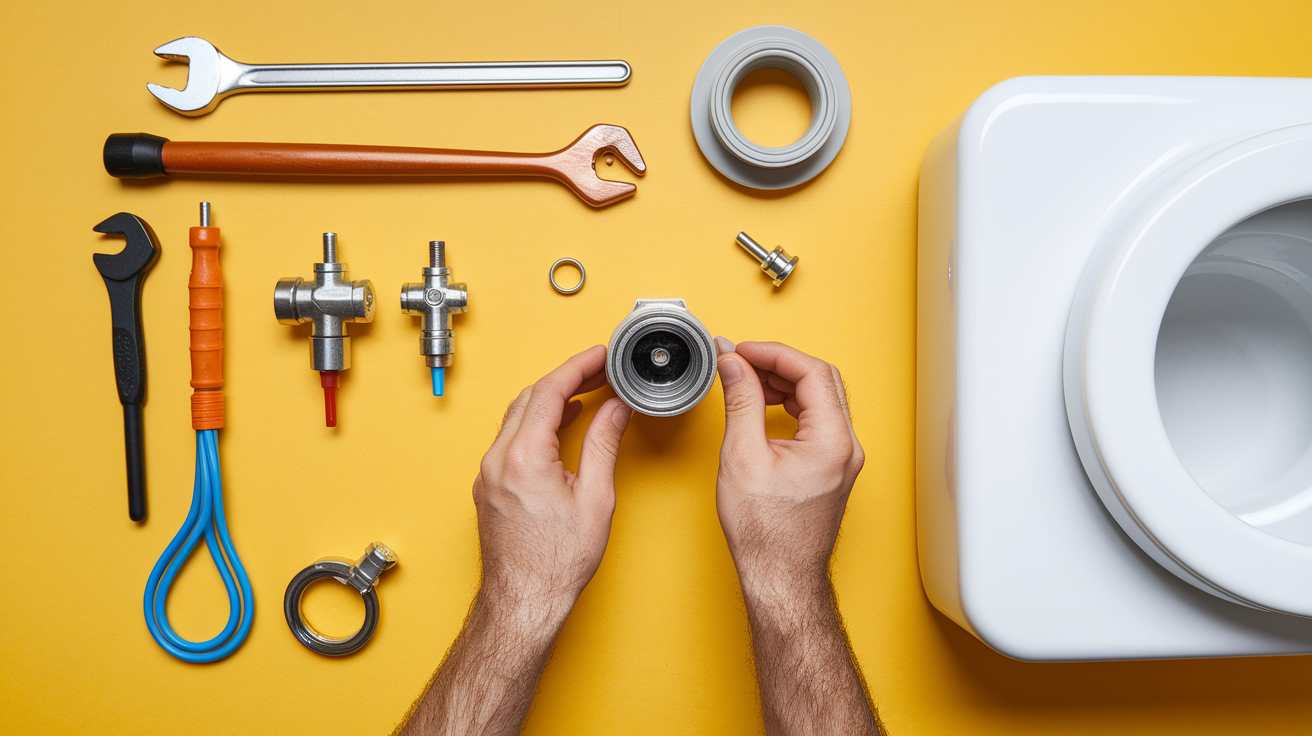
Most universal quiet fill valves install in 10 to 15 minutes with basic tools. Tool-free twist-lock models swap in as little as five minutes once you’ve drained the tank. Pretty straightforward even if you’ve never done plumbing, since modern designs skip cutting, soldering, or specialized equipment.
Complete install steps:
Turn off water at the shutoff valve, usually on the wall or floor behind the toilet on the left.
Flush to drain the tank completely, holding the handle down to release as much water as possible.
Disconnect the water supply line from the old fill valve shank underneath the tank using an adjustable wrench.
Unscrew the locknut securing the old valve to the tank bottom and lift out the whole assembly.
Insert the new fill valve through the tank hole from inside, making sure any rubber washers sit properly.
Secure with locknut or twist-lock mechanism from underneath, hand-tightening until snug but not over-torqued.
Reconnect the water supply line to the new valve’s threaded shank, tightening with a wrench.
Turn on water and adjust the float to sit 1 inch below the overflow pipe top, following the manufacturer’s adjustment instructions.
Tool-free twist-lock systems like the Korky 528MP and iFealClear Universal models don’t need wrenches during mounting. They use a large threaded collar you hand-tighten from underneath, with locking tabs preventing rotation once secured. Traditional installs using metal locknuts usually need an adjustable wrench or pliers for proper tightening. Hand-tight plus a quarter turn with the wrench typically does it.
Some valves rotate during install when you’re tightening the locknut from below. Common occurrence, not a defect. Just hold the valve body steady with one hand or use pliers on the shank while tightening the locknut with your other hand.
Universal Compatibility and Adjustable Height Features

Universal quiet fill valves typically offer 99% compatibility with toilets made since 1994 through telescoping height that adjusts to different tank depths. No need to measure precisely or worry about brand-specific requirements for most residential toilets. The valve shank slides up or down to accommodate the distance from tank bottom to optimal float position.
| Brand Compatibility | Height Adjustment Range | Toilet Type Compatibility |
|---|---|---|
| Universal models (Korky 528MP, iFealClear, Universal Ultra-Quiet) | 7.75″ – 15″ depending on model | Single flush, dual flush, standard, low-flow toilets made since 1994 |
| Brand-specific (Kohler GP1138930) | Sized specifically for Kohler tanks | Kohler toilets only, ensures optimal fit and quietest operation |
| Dual flush systems | 10″ – 15″ typically required | Requires models specifically marked dual-flush compatible |
| Older toilets (pre-1994) | May need widest range (7.75″ – 15″) | Universal fit not guaranteed, measure before purchasing |
Measure your tank height from bottom (where the valve mounts) to top before buying, then verify the valve’s telescopic range covers that measurement with at least an inch of adjustment room on either end. If your tank measures 11 inches from bottom to top, a valve adjustable from 9 to 14 inches gives you plenty of room for proper float positioning.
Most valves are universal, but some brands like Kohler offer brand-specific quiet models that might fit better and run quieter for their toilet systems due to precise engineering for that manufacturer’s tank dimensions and flush mechanisms.
Durability, Water Quality, and Maintenance Considerations

Toilet fill valves typically last 5 to 10 years under normal residential use, with warranty coverage usually running 5 to 7 years to match expected lifespan. Actual longevity varies dramatically based on water quality, pressure levels, and valve construction quality.
Real-world experience shows significant durability differences between valve types and brands. Original equipment ballcock valves like the Hoov-R-Line 8121-1as have shown exceptional longevity. Three units installed in 1993 lasted 28 years, all three still functioning. In contrast, some homeowners report Fluidmaster replacements needing replacement every few years. One user replaced Fluidmaster valves in 2015 and had to replace all three again by 2020, dealing with water hammer issues throughout. Korky brand fill valves reportedly have fewer problems and better reliability versus Fluidmaster based on plumber feedback.
Water quality affects longevity more than most people realize. Hard water with high mineral content leaves deposits that gradually restrict valve openings and harden rubber seals. High chlorine levels in city water can degrade standard rubber components faster than manufacturer testing predicts. Well water often contains sediment working into valve mechanisms, causing premature wear and intermittent noise. Valves equipped with self-cleaning internal vortex systems flush away sediment with each tank refill, preventing buildup that shortens lifespan. Chemical-resistant construction and corrosion-resistant materials specifically address accelerated degradation from chlorinated water. Removable washable filters catch debris before it reaches valve mechanisms, protecting components from particle damage causing both noise and failure.
Factors affecting lifespan and quiet operation:
Water pressure levels matter. High-grade Viton rubber seals withstand water pressure up to 125 PSI and extend seal life by up to 3 years versus standard rubber seals failing under sustained high pressure.
Water quality impacts things. Hard water mineral content, chlorine levels above 2 ppm, and well water sediment all speed up wear.
Seal material quality counts. Viton rubber maintains flexibility through temperature changes and chemical exposure longer than standard EPDM rubber.
Valve body construction varies. Brass and reinforced plastic bodies resist corrosion better than thin-wall plastic that can crack under pressure.
Frequency of use adds up. Households with 4 or more people cycle valves more frequently, reaching lifespan limits faster.
Mineral buildup accumulates. Calcium and lime deposits pile up on moving parts in hard water areas, restricting movement that causes noise.
Anti-siphon compliance is required for safety, ensuring tank water never siphons back into drinking water lines. Adds component complexity that can affect durability.
Homeowners with well water or known hard water should specifically look for valves labeled “Hard Water Resistant” or “Chemical Resistant” rather than standard universal models that might fail prematurely in those conditions.
Regular maintenance tasks with recommended frequency:
Clean removable filter quarterly if your valve includes this feature (iFealClear and similar models).
Check and adjust float position annually to ensure it sits 1 inch below the overflow pipe for optimal quiet operation.
Inspect refill tube connection semi-annually to verify it remains inserted in the overflow pipe and hasn’t slipped out.
Flush tank and clean valve cap annually to remove mineral deposits by turning off water, removing cap, and flushing debris.
Check for seal deterioration yearly by looking for visible cracks or hardening in exposed rubber components.
Test for leaks and unusual sounds monthly by listening after each flush for hissing, running water, or new noises.
You can do basic maintenance cleaning without removing the entire valve assembly. With water supply turned off, unscrew the fill valve cap and lift it out. You’ll see the rubber seal and diaphragm inside. Rinse these under running water to remove any visible mineral deposits or debris. If you spot white crusty buildup (calcium), soak the cap and internal components in white vinegar for 30 minutes, then scrub gently with an old toothbrush. If you’re in a hard water area, do this every 6 months to prevent mineral buildup causing the hissing noise people associate with old fill valves.
Water Efficiency and Flow Rate Performance

Refill rate affects user experience significantly, particularly in households where multiple people might use toilets in quick succession. Higher refill rates are needed for high-efficiency toilets and homes with 3 or more occupants to avoid waiting for tanks to refill between uses. Slow refill becomes noticeable when someone flushes only to find insufficient water for a complete flush moments later.
Some quiet models prioritize speed alongside noise reduction. The Fluidmaster 400AH PerforMAX claims to refill twice as fast as standard valves through increased flow capacity and optimized internal pathways. Other manufacturers like Kohler include adjustable flow rate inserts letting you customize performance by swapping different sized orifices depending on whether you prioritize speed or water conservation. The iFealClear Universal Rapid features adjustable water flow without impacting fill speed according to the manufacturer, though real-world performance depends on your home’s water pressure.
Water conservation settings can sometimes slow fill rates below practical levels. Some users report that when adjusting Fluidmaster valves to their lowest flow settings for maximum water savings, refill times extend beyond what’s acceptable for busy household bathrooms.
High-capacity toilets require matching valve capacity. Older toilets rated at 3.5 gallons per flush or more need fill valves specifically designed for higher flow rates like the Fluidmaster 400CRP14. Using a standard or water-saving valve on these larger tanks results in frustratingly long refill times. Conversely, modern low-flow toilets rated at 1.6 GPF or less work well with most universal quiet valves since their smaller tank volumes refill quickly even at moderate flow rates.
Best Quiet Fill Valve Options for Specific Situations

Certain living situations and household patterns make quiet fill valve selection more critical than general reliability or price. Shared walls, irregular sleep schedules, pressure-related noise problems, and older toilet compatibility all require specific features beyond basic quiet operation.
Apartments and Multi-Family Housing
Noise for shared walls makes every decibel reduction meaningful when your bathroom backs up to a neighbor’s bedroom or living space. Standard toilet flush noise runs from 30 to 60 dB with the fill valve contributing substantially to overall sound transmission through shared plumbing chases and wall cavities. Nighttime flushing becomes a source of anxiety when you’re trying to be considerate, particularly in buildings with older construction where sound insulation is minimal. Pressure-balance models reducing noise by 50% versus standard valves make the biggest difference in these situations, positioning the outlet below the waterline to eliminate splashing sounds carrying through walls most noticeably.
High-Pressure Water Systems
Water hammer plagues buildings with pressure above 80 PSI, creating a loud bang when fill valves close suddenly after tank refill. This metallic clang travels through water pipes to every connected fixture and room, often waking household members regardless of which bathroom was used. Reinforced seal models rated for 125 PSI specifically address this through internal pressure regulation preventing the sudden closure causing hammer noise. These valves extend seal life by up to 3 years versus standard models because the seals don’t experience the same stress cycles from pressure spikes.
Older Toilets (Pre-1994)
Compatibility challenges arise with toilets made before universal sizing standards became common. Tank depths, mounting hole sizes, and internal configurations varied more between manufacturers, making the advertised “99% universal fit” less reliable for these older units. Models with the widest height adjustment range from 7.75 inches to 15 inches provide the best chance of successful installation without modification. Complete repair kits designed for toilets over 5 years old include not just the fill valve but also the adjustable flapper, tank-to-bowl gasket, and stainless steel bolts often needing replacement at the same time, eliminating multiple trips to the hardware store when renovation uncovers additional worn components.
Households with Nighttime Bathroom Use
Whisper-quiet models with below-waterline outlet positioning minimize disturbance for households where work schedules, age-related needs, or medical conditions mean bathrooms get used throughout the night. The splashing sound of water entering the tank above the waterline carries through quiet houses far more than people expect, particularly on second floors where noise travels downward. The pressure-balance technology found in premium quiet models regulates flow smoothly enough that refill becomes nearly inaudible from adjacent bedrooms even with doors open.
Final Words
A toilet fill valve for quiet operation can make a real difference in your home, especially if you’re dealing with hissing, running sounds, or that middle-of-the-night refill noise that wakes everyone up.
The best toilet fill valve for quiet operation comes down to your specific needs: water pressure, toilet age, budget, and how much noise reduction you actually need.
Most quality quiet models install in under 15 minutes, cost between $15 and $30, and deliver noticeably quieter performance right away.
If you’re not sure where to start, a mid-range universal model with pressure-balance technology and below-waterline outlet positioning gives you solid noise reduction without the premium price tag.
FAQ
What is the quietest fill valve?
The quietest fill valve is typically one that uses pressure-balance technology and positions the outlet pipe below the waterline. Models like the Korky 528MP QuietFill and Universal Ultra-Quiet valve reduce noise by 50% compared to standard valves by eliminating the sound of flowing water during refill and using housed ballcock systems.
How to make a toilet fill valve quieter?
To make a toilet fill valve quieter, start by cleaning debris from the valve mechanism and checking for worn seals that create hissing sounds. If cleaning doesn’t help, replace the fill valve with a quiet-operation model that features below-waterline outlet positioning and pressure-balance technology for significant noise reduction.
How can I make my toilet flush quieter?
You can make your toilet flush quieter by replacing the fill valve with a quiet-operation model, since the fill valve contributes significantly to the overall 30-60 dB flush noise. Additionally, ensure the float is properly adjusted to sit 1 inch below the overflow pipe and check for worn seals that cause hissing.
What are the benefits of using a Korky fill valve?
The benefits of using a Korky fill valve include 99% universal fit for toilets made since 1994, tool-free twist-lock installation in under 5 minutes, and adjustable height from 7.75 to 13.5 inches. Korky models are reported to have better reliability and fewer problems compared to some competing brands.
How long do quiet toilet fill valves typically last?
Quiet toilet fill valves typically last 5 to 10 years depending on water quality and pressure conditions. Premium models with high-grade Viton rubber seals can extend lifespan by up to 3 years compared to budget models, and most come with 5-7 year warranties matching their expected service life.
Can I install a quiet fill valve myself?
You can install a quiet fill valve yourself in 10-15 minutes with basic tools, or in as little as 5 minutes with tool-free twist-lock models. The process involves shutting off water, draining the tank, removing the old valve, installing the new one, and adjusting the float position.
Do quiet fill valves work with dual flush toilets?
Quiet fill valves work with dual flush toilets when you choose universal models with adjustable shanks. Look for valves specifically marked as compatible with single and dual flush systems, with height adjustment ranges between 9-15 inches to ensure proper fit in your toilet tank.
What causes a fill valve to make hissing sounds?
A fill valve makes hissing sounds when the rubber seal on the flush valve doesn’t close properly, allowing water or air to flow through and create pressure escape. Other common causes include debris caught in the valve mechanism, perished rubber seals, and hardened diaphragm gaskets.
Are expensive fill valves worth the extra cost?
Expensive fill valves are worth the extra cost when you need brand-specific fit, advanced noise reduction, or hard water resistance. However, the price difference between budget and quality quiet models is often just a few dollars, making mid-range options ($15-30) the best value for most homeowners.
How does hard water affect fill valve performance?
Hard water affects fill valve performance by causing mineral buildup that creates noise and reduces lifespan. If you have well water or high mineral content, choose valves labeled “Hard Water Resistant” with self-cleaning features, removable washable filters, and corrosion-resistant construction.
What maintenance do quiet fill valves require?
Quiet fill valves require cleaning removable filters quarterly, checking float position annually, and flushing the tank to remove mineral deposits yearly. Homeowners in hard water areas should increase cleaning frequency to every 6 months to prevent mineral buildup that causes noise and reduces performance.
How do I know when to replace my fill valve?
You know when to replace your fill valve when you notice constant running water, persistent hissing sounds after cleaning, visible seal deterioration, or water hammer problems. While changing seals can temporarily fix issues, these symptoms typically indicate the valve needs full replacement.
What is pressure-balance technology in fill valves?
Pressure-balance technology in fill valves is a patented system that reduces noise by 50% compared to standard valves by regulating water flow and preventing pressure fluctuations. This technology eliminates water hammer problems and creates whisper-quiet operation during tank refilling.
Do I need a brand-specific fill valve for my toilet?
You need a brand-specific fill valve only if you want guaranteed compatibility and potentially quieter operation for certain brands like Kohler. However, universal models offer 99% compatibility with toilets made since 1994 and work well for most situations at lower cost.
How do I adjust the water level after installing a quiet fill valve?
You adjust the water level after installing a quiet fill valve by moving the float mechanism up or down until it sits 1 inch below the overflow pipe. Some models use adjustable clips, while others have screw adjustments, with instructions varying by specific valve design.