
Your hot water shouldn’t smell like a dozen rotten eggs, but plenty of homes deal with this exact problem. That stench isn’t a sign of dirty pipes or bad water quality. It’s a chemical reaction happening right inside your water heater tank between naturally occurring bacteria and the metal anode rod designed to protect your system. The good news is you can fix it permanently without replacing your entire water heater. We’ll show you how to diagnose the real source, choose the right replacement rod, and stop the smell for good.
Why Anode Rods Produce Hydrogen Sulfide Gas
Yes, your anode rod can absolutely cause that rotten egg smell coming from your hot water. It’s not just your imagination, and it’s not a random water quality issue. This happens through a specific chemical reaction between bacteria in your water and the metal materials used in most standard anode rods. Once you understand the mechanism, the fix becomes straightforward.
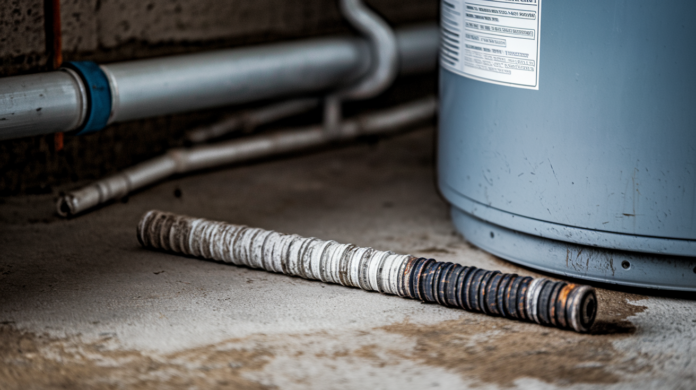
A sacrificial anode rod is a long metal component that hangs from the top of your tank water heater down into the water. Its entire purpose is to attract corrosion, rust, and mineral buildup so your tank metal doesn’t. Think of it as taking the hit so your tank doesn’t have to. The rod slowly breaks down over time, protecting your water heater from the inside out. Without it, your tank would corrode and leak within a few years. With it, your tank can last a decade or more.
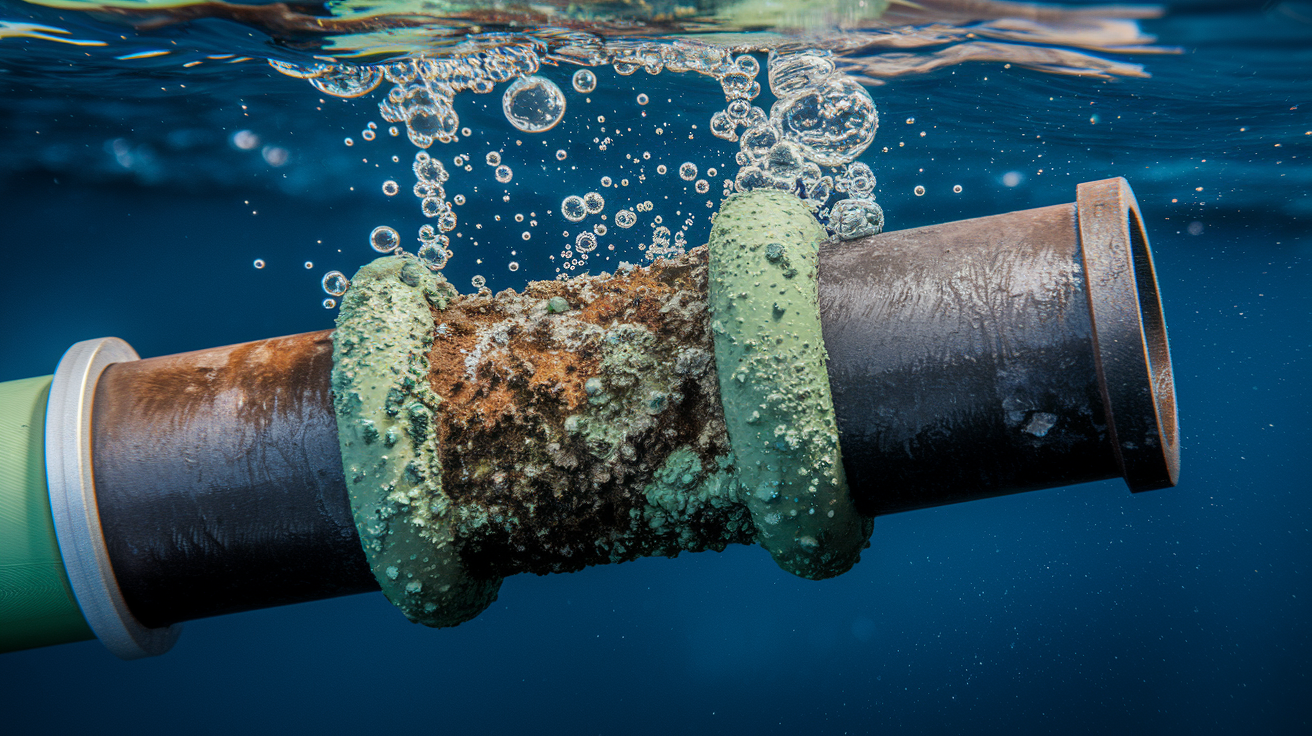
The rotten egg odor happens when sulfate reducing bacteria (naturally present in hard water and well water) react with aluminum or magnesium in the anode rod. This chemical reaction produces hydrogen sulfide gas, the same compound that gives actual rotten eggs their signature stench. The bacteria break down sulfur compounds in your water, and when those compounds interact with the rod material, especially magnesium, you get H2S gas dissolved right into your hot water. The more bacteria present and the more corroded your anode rod becomes, the stronger the smell gets.
You’ll typically notice the smell only affects your hot water because the reaction occurs inside the heated tank environment. Heat activates and accelerates the chemical reaction between sulfur bacteria and anode rod metals. Your cold water supply comes directly from the municipal line or your well without passing through the tank, so it doesn’t pick up the hydrogen sulfide.
How to Diagnose If Your Anode Rod Is the Odor Source
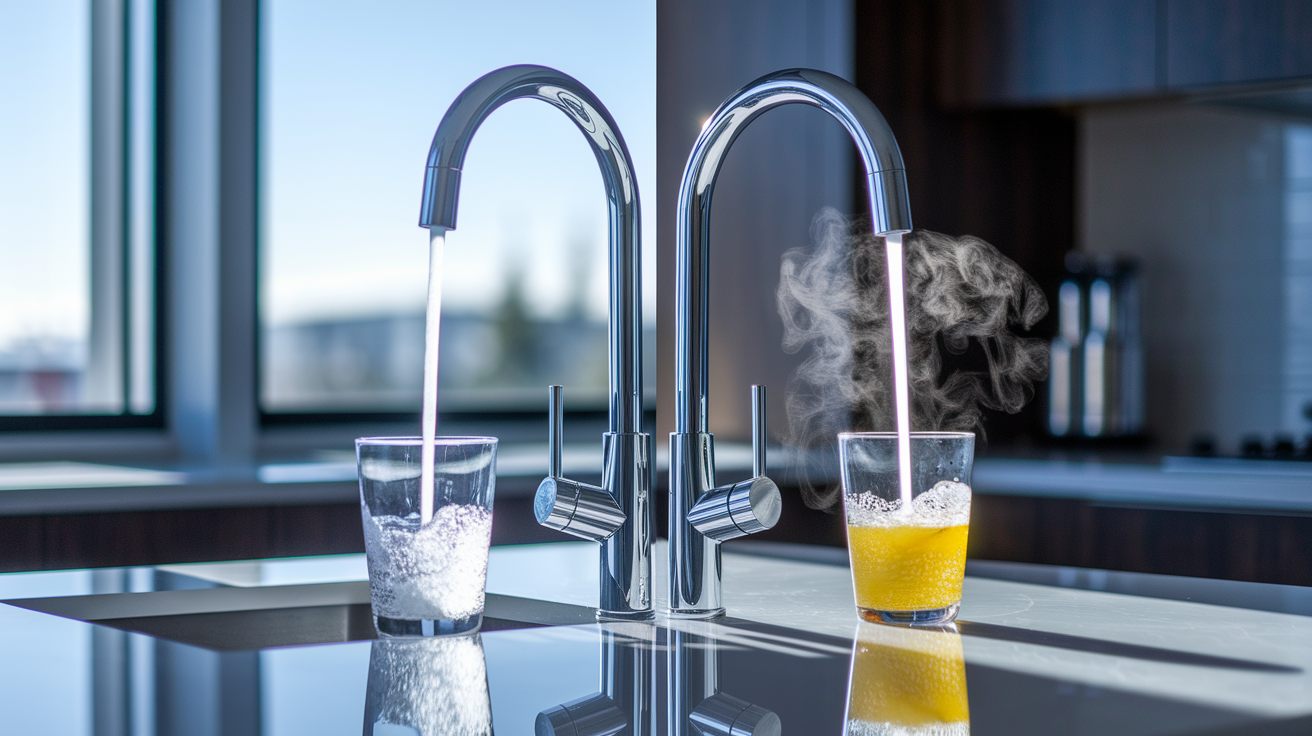
Before you start draining tanks or ordering replacement parts, you need to confirm the anode rod is actually causing the problem. The smell could be coming from your water source instead of your water heater. Testing both hot and cold water at multiple faucets tells you exactly where the hydrogen sulfide is entering your system.
If only your hot water smells like rotten eggs while your cold water is fine, the source is almost certainly inside your water heater tank. That points directly to the anode rod reaction. If both hot and cold water smell equally bad, you’re dealing with contamination in your municipal water supply or private well, not an anode rod issue. The distinction matters because the fixes are completely different.
Here’s the diagnostic procedure:
- Run cold water from your kitchen faucet for two full minutes, then smell it directly from the stream and from a glass
- Run hot water from the same faucet for two full minutes and smell it the same way
- Repeat the test at your bathroom sink and shower to confirm the pattern holds throughout the house
- Note whether the smell is faint or overpowering, and whether it’s constant every time you run hot water or only appears occasionally
- Check if the smell started recently or appeared right after installing a new water heater (new units often come with magnesium rods that react more readily with bacteria)
Solutions: Choosing the Right Anode Rod to Eliminate Odor
Material choice determines whether you eliminate the odor or just postpone it. Not all anode rods are equal when it comes to preventing hydrogen sulfide production.
Standard magnesium and aluminum anode rods both provide excellent corrosion protection for your tank. That’s why manufacturers install them. But here’s the problem: both materials react with sulfate reducing bacteria to create hydrogen sulfide gas. Swapping a corroded magnesium rod for a new magnesium rod might reduce the smell temporarily while the new rod is still intact, but the bacterial reaction starts up again as soon as that rod begins breaking down. Switching from magnesium to aluminum doesn’t solve it either. You’re just trading one reactive material for another. The bacteria don’t care which one you install.
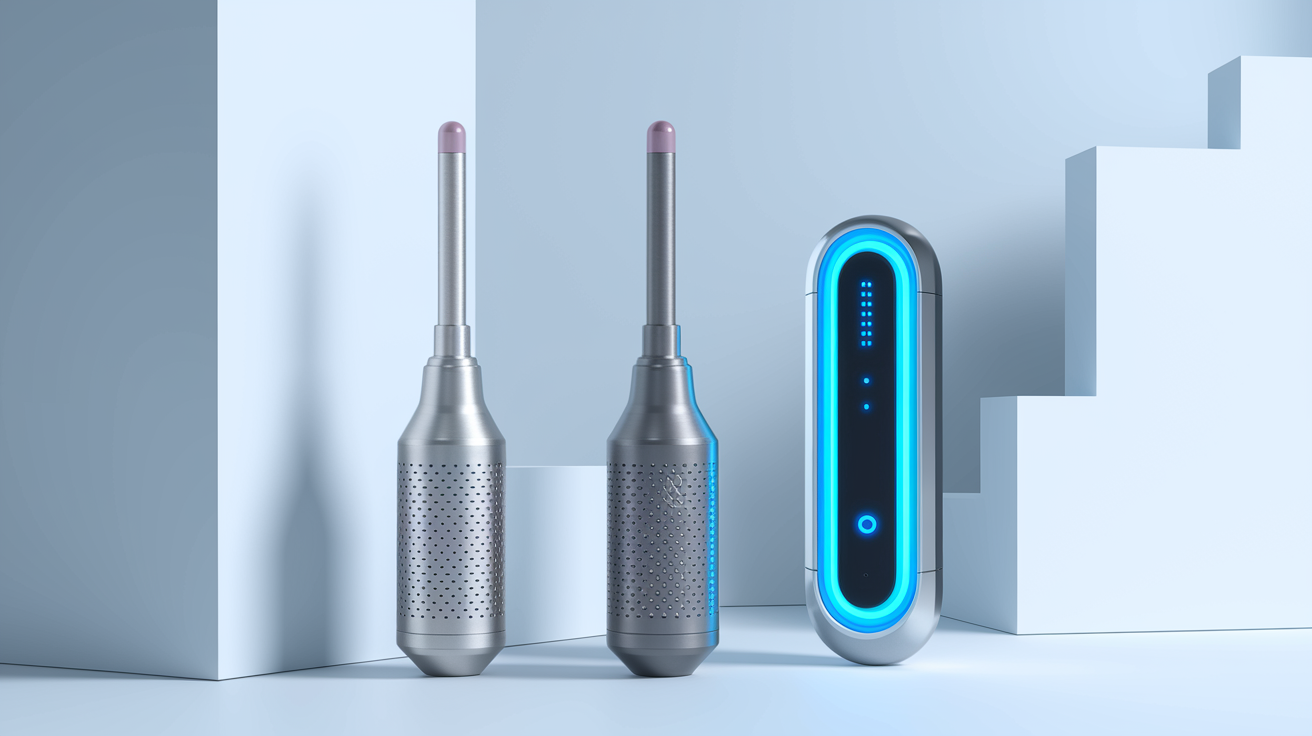
The primary solution is installing a zinc aluminum alloy anode rod. These rods use aluminum to fight corrosion while the zinc component actively neutralizes the bacterial reaction that generates hydrogen sulfide. The zinc doesn’t eliminate the bacteria. It changes the chemical pathway so the bacteria can’t produce H2S gas even when they interact with the rod material. Your tank stays protected and your water stays odor free. Most homes with hard water or well water see complete odor elimination within a few days of installing a zinc aluminum rod and flushing the tank.
Powered or electronic anode rods represent the most advanced option. Instead of using sacrificial corrosion to protect your tank, these rods run a low level electrical current that prevents rust through a completely different electrochemical process. There’s no metal breaking down, which means no material for bacteria to react with. No reaction means no hydrogen sulfide. These rods never wear out like sacrificial rods do, so you’re not replacing them every few years. The downside is cost. They run about $100 to $200 compared to $30 to $60 for zinc aluminum rods.
Three proven replacement options ranked by effectiveness:
- Install a zinc aluminum alloy anode rod for homes with moderate to high mineral content or well water (combines corrosion protection with bacterial neutralization)
- Upgrade to a powered or electronic anode rod for a permanent fix that eliminates the chemical reaction entirely
- Add a whole home water treatment or filtration system to address source bacteria before water enters your water heater
Some fixes don’t work and actually create bigger problems. Removing the anode rod entirely stops the smell immediately, but it also voids your manufacturer’s warranty and dramatically shortens your tank’s lifespan. Without that sacrificial protection, your tank metal corrodes directly. Most tanks fail within two to three years after anode removal. Spending $800 to $1,500 replacing a dead water heater to avoid a $40 anode rod replacement doesn’t make financial sense. And as we covered, swapping between standard magnesium and aluminum materials doesn’t eliminate the bacterial reaction. You need zinc or powered technology to actually solve the root cause while keeping your tank protected and your warranty intact.
How to Fix: Tank Flushing and Anode Rod Replacement
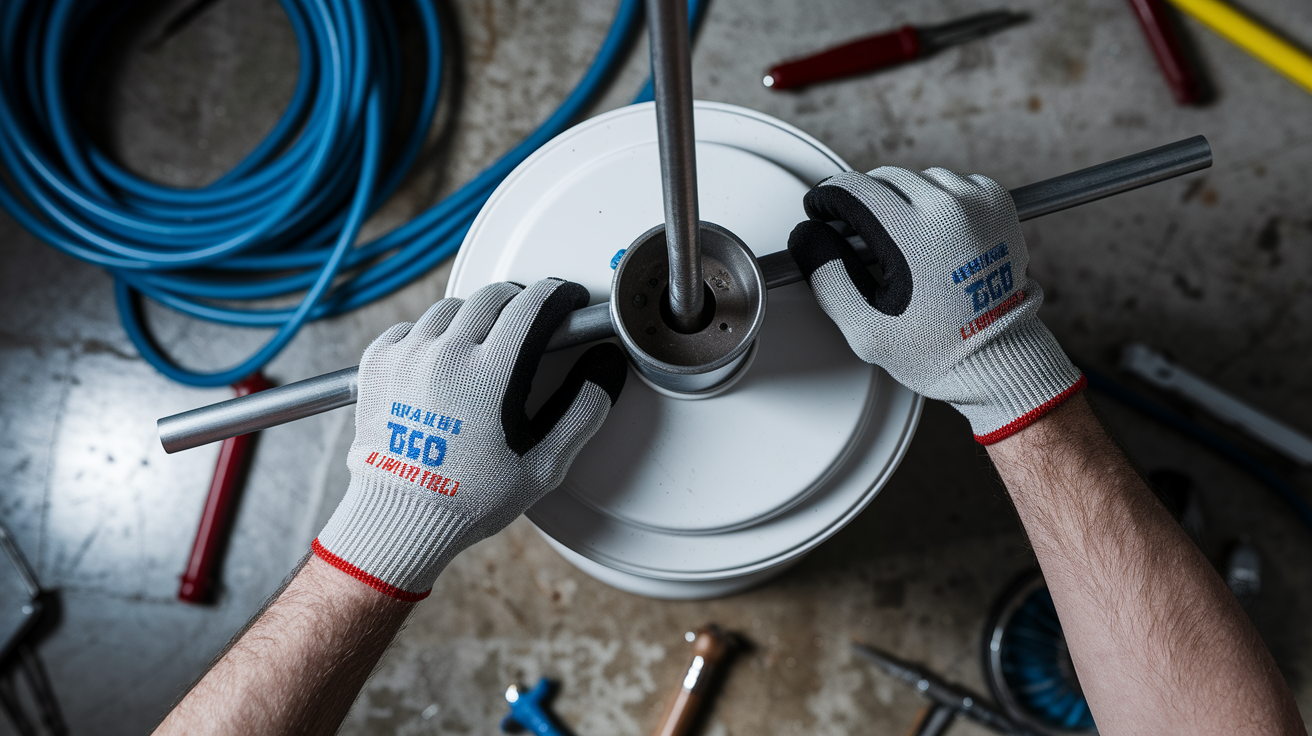
Fixing the rotten egg smell requires a two phase approach: immediately reducing the bacterial population through tank disinfection, then installing the right anode rod material to prevent hydrogen sulfide formation going forward.
Temporary Fix: Tank Disinfection and Flushing
Flushing and disinfecting your tank kills most of the sulfate reducing bacteria causing the smell, but it’s only temporary if you don’t also replace the reactive anode rod. The bacteria will return. Think of disinfection as cleaning up the mess while the anode rod replacement fixes what’s creating the mess. You can disinfect before installing the new rod to start fresh, or after to flush out any remaining odor.
The chlorine bleach disinfection method uses one to two cups of unscented household bleach per 40 gallons of tank capacity. For a standard 40 gallon water heater, use one and a half cups. For a 50 gallon unit, use two cups. Turn off the water heater and let it cool for about two hours. Drain two to three gallons from the tank through the drain valve at the bottom. Pour the measured bleach directly into the tank through the cold water inlet at the top (you may need to temporarily disconnect the cold water line). Turn the cold water supply back on to fill the tank and distribute the bleach solution throughout. Let the solution sit inside the tank for two to four hours. During this contact time, run each hot water faucet in your house for a minute until you smell chlorine. That ensures the disinfectant reaches your entire hot water system. After the contact time, drain the entire tank through the drain valve, then refill and drain again. Run your hot water taps until the chlorine smell disappears completely.
Permanent Fix: Anode Rod Replacement Procedure
Anode rod replacement is within DIY skill range if you’re comfortable working around water heaters and have the right tools. If your water heater sits in a tight space with limited overhead clearance, if the anode rod hasn’t been removed in years and may be seized in place, or if you’re dealing with a gas water heater and aren’t confident around gas lines, call a professional. For gas units, you’ll shut off the gas supply valve and wait for the tank to cool. For electric units, turn off the breaker that powers the water heater.
Here’s the replacement procedure:
- Turn off power at the breaker (electric) or gas supply valve (gas), then shut off the cold water supply valve at the top of the tank
- Connect a garden hose to the drain valve and drain two to three gallons into a bucket or floor drain to relieve pressure and create working room
- Locate the anode rod access point, typically a hex head fitting on top of the tank. It may be integrated into the hot water outlet or on a separate port
- Use a 1 1/16 inch socket on an impact wrench or a long breaker bar to loosen the anode rod (the initial break often requires significant torque, sometimes 50+ foot pounds)
- Unscrew and remove the old rod, inspecting it for heavy corrosion, calcium buildup, or deterioration. A severely corroded rod confirms your odor source
- Apply pipe thread sealant tape to the threads of your new zinc aluminum alloy or powered anode rod
- Insert the new rod into the access port and hand tighten, then use your wrench to snug it firmly without over torquing
- Refill the tank by opening the cold water supply, check all connections for leaks as the tank fills, then restore power and verify the heater fires up correctly
If you’re concerned about potential water damage during the process or want leak detection capabilities on hand, that’s when professional service makes sense. Homeowners dealing with water heaters for the first time, tanks located in finished spaces, or situations where fittings are corroded often benefit from bringing in experienced help. Professional plumbers handle seized rods, limited clearance, and gas line concerns routinely.
| Tool Required | Purpose |
|---|---|
| Impact wrench or breaker bar | Breaking loose the anode rod fitting (requires high torque) |
| 1 1/16 inch deep socket | Fitting the hex head on most anode rod access points |
| Garden hose | Draining water from tank safely to floor drain or exterior |
| Adjustable wrench | Disconnecting water lines if needed to access anode rod port |
| Pipe thread sealant tape | Sealing threads on new anode rod to prevent leaks |
Special Considerations for Well Water and Water Softener Systems

Well water introduces higher concentrations of sulfate reducing bacteria compared to treated municipal water. Wells draw from underground aquifers where anaerobic bacteria thrive naturally. Those bacteria enter your home water supply and concentrate inside your water heater tank where heat and low oxygen create ideal conditions for hydrogen sulfide production. If you’re on well water and experiencing rotten egg smell, the bacterial load is often high enough that a standard zinc aluminum anode may not fully eliminate odor.
Water softeners can actually make the anode rod odor problem worse. Softeners replace calcium and magnesium in your water with sodium ions, creating water chemistry that accelerates the hydrogen sulfide reaction. The softer water also tends to be more corrosive, which breaks down anode rods faster. Homes with both well water and water softener systems represent the most challenging scenario.
These situations often require solutions beyond a simple anode rod swap. A powered anode rod becomes the better choice because it eliminates the chemical reaction entirely instead of trying to neutralize it. Whole house water filtration systems that target sulfate reducing bacteria before water enters your heater can address the root cause. Some homeowners install both: filtration to reduce bacterial load and a powered anode for complete odor prevention.
Testing your water quality tells you exactly what you’re dealing with. A comprehensive water test measuring bacterial content, sulfate levels, hardness, and pH helps you match the solution to your specific water chemistry. Local health departments often provide basic well water testing, or you can use private labs for detailed analysis. Knowing your bacterial count and mineral content before choosing an anode rod or filtration system prevents wasted money on solutions that aren’t strong enough for your water source.
Maintenance Schedule to Prevent Odor Recurrence

Catching anode rod deterioration early prevents the rotten egg smell from starting in the first place. Proactive inspection costs you an hour every year or two. Reactive replacement means living with the odor, flushing the system, and dealing with the problem after it’s already affecting your water quality.
Water quality determines how often you need to inspect your anode rod. Municipal water with normal hardness levels typically allows for inspection every 12 to 18 months. The treated water contains fewer minerals and less bacteria, so anode rods corrode more slowly. Well water requires inspection every 6 to 12 months because of higher bacterial counts and mineral content. Homes with water softeners should inspect annually regardless of water source since softened water accelerates anode rod breakdown. Track your inspection dates and what you observe each time. A rod that’s 40% deteriorated at the 18 month mark will likely need replacement by two years.
Six preventative maintenance actions:
- Inspect your anode rod every 12 to 18 months if you have municipal water, every 6 to 12 months with well water or a water softener system
- Watch for early odor signs before they become constant. A faint sulfur smell when water is very hot means the bacterial reaction has started
- Flush your tank annually through the drain valve to remove sediment buildup that creates low oxygen pockets where sulfate reducing bacteria thrive
- Mark your anode rod installation date and plan replacement before the three to five year mark based on your water quality and previous inspection results
- Test your water hardness and bacterial content annually if you’re on well water so you know when conditions change
- Consider preemptive upgrade to zinc alloy or powered anode before standard rods fail if you’ve dealt with odor issues in past water heaters
Cost Breakdown and Professional Service Options

DIY anode rod replacement costs between $20 and $200 depending on which material you choose. Standard magnesium or aluminum replacement rods run $20 to $40. These are fine if you’re on municipal water with no history of rotten egg smell and you’re just replacing a worn rod. Zinc aluminum alloy rods designed to prevent hydrogen sulfide formation cost $30 to $60. That’s the sweet spot for most homeowners dealing with odor issues. Powered or electronic anode rods run $100 to $200 but last indefinitely and completely eliminate the bacterial reaction.
Professional service adds labor but removes the hassle and risk. Plumbers typically charge $75 to $150 for inspection and diagnosis. Full anode rod replacement including labor runs $150 to $300 for standard service. Emergency or same day service adds a premium of $50 to $100. If your water heater is difficult to access, if the existing rod is seized in place, or if other repairs are needed at the same time, expect costs toward the higher end of that range.
The value analysis depends on your comfort level and your water heater’s condition. DIY saves $150 to $250 in labor but requires your time and the right tools. Professional service protects your manufacturer’s warranty. Some warranties require licensed plumber installation of replacement parts. Safety matters too. Working around water heaters involves water, electricity or gas, and pressurized tanks. Mistakes can flood your space or create fire hazards. If you’ve never worked on a water heater before, the cost of professional service is often worth the peace of mind and the guarantee that it’s done correctly. The long term tank protection from proper anode rod maintenance easily justifies the expense when you consider replacement water heaters cost $800 to $1,500 installed.
Health and Safety Concerns Related to Hydrogen Sulfide in Water

Hydrogen sulfide from anode rod reactions typically produces low concentrations that are more nuisance than health hazard. The smell is extremely noticeable at very low levels. Most people detect it at 0.5 parts per million (ppm) or less. That’s actually protective. Your nose alerts you to a problem long before concentrations reach levels that could affect your health.
Hydrogen sulfide becomes a health concern at much higher concentrations than what residential water heaters typically produce. At 1 to 2 ppm, you notice taste and odor issues but no health effects. At 5 to 10 ppm, prolonged exposure can cause mild respiratory irritation for sensitive individuals. At 20 ppm and above, you’d experience headaches, dizziness, and potential respiratory distress. Residential water heaters with anode rod reactions rarely exceed 1 to 2 ppm in the water itself. The gas dissipates quickly when you run the tap.
The smell is usually far worse than the actual risk with water heater generated hydrogen sulfide. Your water is unpleasant to use but not dangerous for basic household purposes. Some people with respiratory sensitivity, asthma, or chemical sensitivities may find even low levels of H2S irritating, especially when showering in enclosed bathrooms where the gas concentrates in the air. If that’s your situation, running the bathroom fan and keeping doors open while showering helps until you replace the anode rod.
Seek professional water testing and evaluation if you’re experiencing persistent strong rotten egg odor that doesn’t improve after anode rod replacement, if you have well water and haven’t tested your water source in several years, if multiple people in your household report respiratory irritation or headaches related to water use, or if the smell is equally strong in both hot and cold water. Those scenarios suggest contamination in your water source itself rather than just an anode rod issue, and they require different solutions involving water treatment systems and potentially health department involvement.
Maintenance Schedule to Prevent Odor Recurrence

Replacing a worn or reactive anode rod extends your water heater’s lifespan by years and keeps your water quality consistent. Anode rods typically last two to four years in municipal water systems, sometimes stretching to five years in ideal conditions. Well water and hard water accelerate corrosion, often wearing rods down to bare wire cores in 18 to 30 months. Knowing your water conditions tells you when to schedule inspections.
Annual tank flushing serves double duty: removing sediment and monitoring your anode rod. Sediment buildup at the bottom of your tank creates anaerobic pockets where sulfate reducing bacteria multiply. Flushing two to three gallons through your drain valve every year clears that environment. While you’ve got the tank partially drained for flushing, you can inspect the anode rod through the access port without a full removal. Look for heavy corrosion, calcium coating, or deterioration extending more than six inches down the rod. That’s your signal to plan replacement soon.
Track patterns specific to your home. If your first anode rod lasted three years before odor started, plan to replace the next one at two and a half years. If you’re on well water and saw deterioration at the 18 month inspection, check again at 12 months on the next rod. Your water chemistry stays relatively consistent, so past performance predicts future rod lifespan. Keeping a simple log of installation dates, inspection findings, and replacement timing helps you stay ahead of problems instead of reacting to rotten egg smell after it returns.
Final Words
Your anode rod causing rotten egg smell is fixable with the right replacement material and proper tank disinfection.
A zinc-aluminum alloy rod or powered anode eliminates the bacterial reaction without voiding your warranty or sacrificing corrosion protection. Pair that with a thorough flush to knock out sulfate-reducing bacteria, and the smell goes away for good.
If you’ve got well water or a water softener, plan on more frequent checks. Regular inspections catch problems early and keep your water clean.
The fix works. And once it’s done, you can turn on the hot water without holding your breath.
FAQ
What are the symptoms of a bad anode rod?
A bad anode rod typically produces a rotten egg smell in hot water, discolored water with brown or rust tints, and reduced hot water tank efficiency. You might also notice the smell only when running hot water, not cold, which points directly to a tank issue rather than your water supply.
Which anode rod is best for rotten egg smell?
A zinc-aluminum alloy anode rod is best for eliminating rotten egg smell because it combines corrosion protection with bacterial neutralization. The zinc component specifically neutralizes sulfate-reducing bacteria that react with standard magnesium or aluminum rods to create hydrogen sulfide gas and the characteristic sulfur odor.
Should I be worried about rotten egg smell?
The rotten egg smell from your water heater is typically a nuisance problem rather than a health hazard at the concentrations found in residential tanks. However, you should address it because the sulfate-reducing bacteria causing the odor can continue growing, and the smell indicates your anode rod needs attention to protect your tank.
Should I call a plumber if my water smells like rotten eggs?
You should call a plumber if you’re uncomfortable working with water heater components, have a gas water heater, or the smell persists after basic troubleshooting. Professional service is recommended because anode rod replacement involves shutting down power or gas, draining the tank, and using specialized tools to access tightly secured components.
How long does it take for hydrogen sulfide smell to develop in a new water heater?
Hydrogen sulfide smell can develop in a new water heater within weeks to a few months if sulfate-reducing bacteria are present in your water supply. New heaters with magnesium anode rods are particularly prone to this issue when installed in homes with well water or naturally occurring sulfur bacteria in the municipal supply.
Can I remove the anode rod completely to eliminate the smell?
You should never remove the anode rod completely because doing so voids your water heater warranty and drastically shortens tank life by eliminating corrosion protection. The correct solution is replacing the standard rod with a zinc-aluminum alloy or powered anode rod that prevents odor while maintaining tank protection.
How often should I replace my water heater anode rod?
You should inspect your anode rod every 12 to 18 months under normal conditions and replace it every three to five years depending on water quality. Homes with well water or water softeners need more frequent inspection every six to 12 months because mineral content and bacteria levels accelerate anode rod deterioration.
Does flushing the water heater tank eliminate rotten egg smell permanently?
Flushing the water heater tank with a chlorine bleach solution temporarily reduces sulfate-reducing bacteria and odor but does not provide a permanent fix. The smell will return unless you also replace the anode rod with a zinc-aluminum alloy or powered anode that prevents the bacterial reaction from reoccurring.