

Ever wonder why your water bill keeps climbing even though you haven’t changed a thing? The culprit might be invisible. High water pressure silently destroys pipes, wears out appliances early, and creates leaks you won’t notice until the damage spreads. On the flip side, pressure that’s too low turns showers into trickles and makes basic tasks frustrating. Most homes need 40 to 60 psi to protect plumbing and keep everything running smoothly. Here’s how to check yours and what to do if it’s off.
Recommended Water Pressure Range for Your Home

Most homes need water pressure between 40 and 60 psi to work properly. This range keeps fixtures running smoothly without stressing pipes or shortening the life of appliances. Some homes measure up to 80 psi and still function fine, but that’s pushing the upper limit. Anything over 80 psi puts your plumbing at risk.
The sweet spot sits right around 50 to 60 psi. At this level, showers feel strong, toilets fill quickly, and washing machines work efficiently without hammering your pipes. You’ll get good flow without the hidden damage that comes from pressure that’s too high.
Here’s how different pressure readings affect your plumbing:
Below 30 psi (dangerously low): Fixtures barely dribble, appliances struggle to fill, upper floor showers become nearly unusable.
30 to 40 psi (low but functional): Weak flow that’s noticeable but still works for basic tasks. Multiple fixtures running at once causes problems.
40 to 60 psi (ideal range): Strong, consistent flow throughout the home. All fixtures and appliances perform as designed.
60 to 80 psi (acceptable but higher): Everything works well but watch for early signs of stress like occasional leaks or noisy pipes.
Above 80 psi (too high/risky): Pipes bang when you shut off water, leaks develop frequently, appliances wear out faster than they should.
Staying within the recommended range protects everything in your plumbing system. Proper pressure prevents burst pipes, extends the life of fixtures and appliances, and keeps water flowing steadily whether you’re running one faucet or three at once. It’s not just about comfort. It’s about avoiding expensive repairs and water damage that starts small but spreads fast.
How to Measure Water Pressure in Your Plumbing System

Testing your water pressure is simple and costs about $10 for a gauge at any hardware store. You don’t need special skills or a plumber to get an accurate reading.
Follow these steps to measure your pressure:
- Buy a pressure gauge with 3/4 inch female threads from any hardware or home improvement store
- Locate the outdoor spigot closest to where your main water line enters the house (this gives the most accurate reading of overall system pressure)
- Turn off all water using appliances and fixtures including washing machines, dishwashers, and all faucets throughout the home
- Screw the gauge directly onto the outdoor spigot and make sure it’s tight enough to prevent leaks
- Open the spigot valve fully and let the water flow for a few seconds
- Read the PSI displayed on the gauge dial (the needle will settle on your static water pressure)
Outdoor spigots give you the cleanest pressure reading because they connect directly to the main supply line. Indoor faucets often show lower readings that don’t reflect your actual system pressure. That makes them unreliable for this kind of testing.
Test your pressure once or twice a year to catch problems early. If you can’t access an outdoor spigot, the cold water connection on your washing machine works as a backup testing spot. Just make sure all other fixtures are off when you take the reading.
Low Water Pressure: Causes and Solutions

Low water pressure turns simple tasks into frustrations. Showers feel weak, filling a pot takes forever, and running two fixtures at once barely works.
Common symptoms tell you when pressure has dropped. Weak flow from showerheads makes it hard to rinse soap off. Faucets take twice as long to fill containers. Washing machines and dishwashers run extended cycles because they can’t get enough water. Trying to run multiple fixtures at once drops flow to a trickle. Water sputters or flows inconsistently from faucets. Upper floors or certain areas of the house have noticeably weaker pressure than others. And rinsing dishes or getting through a shower becomes frustrating.
Sudden pressure drops usually mean something broke or a valve got closed accidentally. Gradual decreases signal developing problems that will keep getting worse.
Multiple factors can rob your home of water pressure. Some fixes are quick. Others need professional work.
| Cause | Symptoms | Solution | Difficulty Level |
|---|---|---|---|
| Partially closed water meter valve | Whole house low pressure | Fully open the valve | Easy DIY |
| Partially closed main shutoff valve | Whole house low pressure | Fully open the valve | Easy DIY |
| Clogged aerators | Localized fixture weakness | Clean or replace aerators (soak in vinegar 4 hours) | Easy DIY |
| Mineral deposits in pipes | Gradual pressure decline | Flush system or pipe replacement | Moderate to professional |
| Corroded galvanized pipes | Rust colored water and low flow | Pipe replacement | Professional |
| Hidden leaks | Pressure loss and high bills | Locate and repair leaks | Moderate to professional |
| Failing pressure regulator | Sudden whole house pressure drop | Adjust or replace PRV | Moderate to professional |
| Insufficient municipal supply | Consistent neighborhood wide low pressure | Install booster pump | Professional |
Start with the simplest fixes before moving to bigger repairs. Fully open both the main shutoff valve at the water meter and the one where the line enters your house. They’re sometimes accidentally left partially closed after maintenance. Unscrew aerators from the ends of faucets and either clean them or replace them if they’re caked with mineral buildup. Soak crusty aerators in distilled vinegar for about 4 hours to dissolve deposits. Flush sediment from your water heater by draining a few gallons through the drain valve at the bottom. Check visible pipes and connections for drips or wet spots that indicate leaks stealing pressure. Replace corroded supply lines running to fixtures if they look rusty or worn.
More serious pressure problems need bigger solutions. If your whole house has weak pressure and the simple fixes didn’t help, the pressure regulator valve may have failed and needs adjustment or replacement. Homes on well water or multi story properties with consistently low municipal supply can benefit from booster pump systems that increase pressure throughout the plumbing. When you’ve checked the obvious culprits and pressure is still weak, it’s time to call a professional who can diagnose hidden leaks, corroded pipes, or failing components you can’t easily access.
High Water Pressure: Warning Signs and Dangers
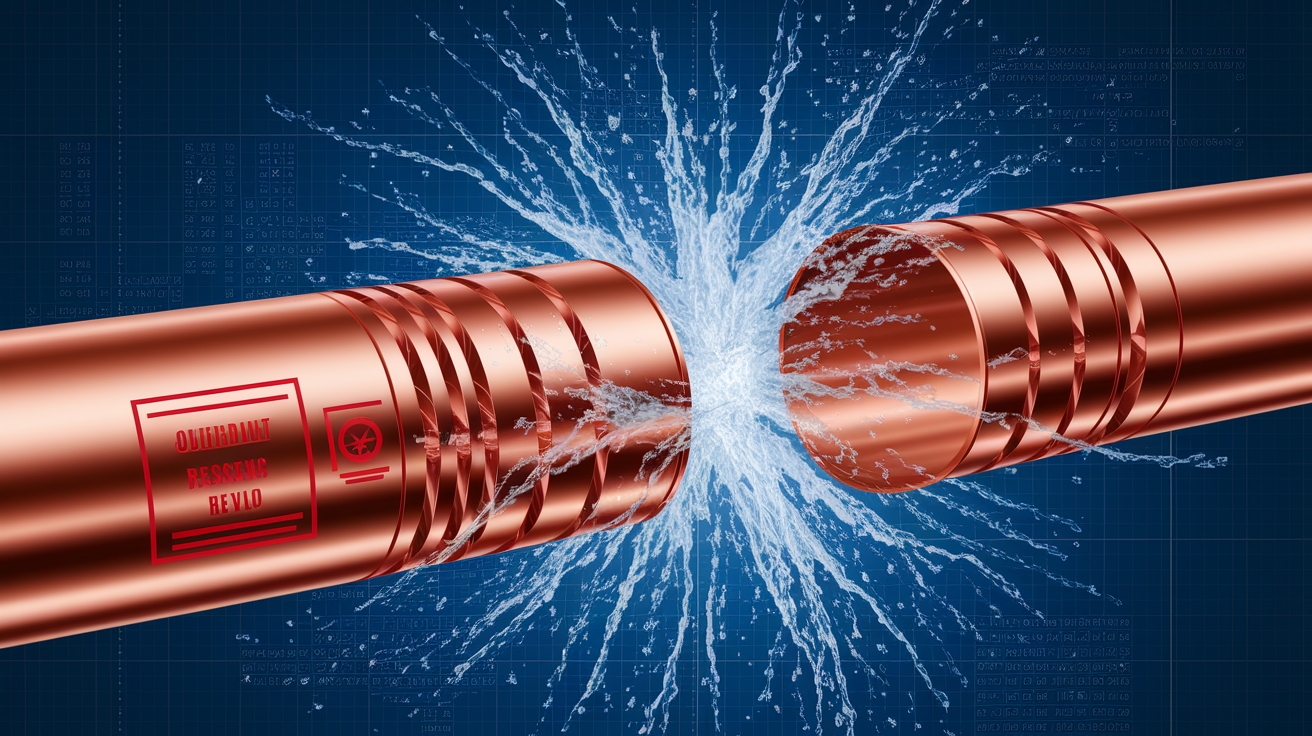
High water pressure hides until it causes damage. Most homeowners don’t notice it creeping up because everything still works. But excessive pressure silently weakens pipes and shortens the life of everything connected to your plumbing.
Watch for these symptoms. Banging or hammering sounds when you shut off faucets (called water hammer). Faucets that constantly drip even when you’ve tightened them completely. Toilets that won’t stop running and keep cycling water. Frequent leaks appearing at pipe joints and connections throughout the house. Dishwashers and washing machines that sound louder than usual during operation. Water bills that climb higher without any change in your usage. Appliances that need repairs or replacement sooner than expected. And visible stress on fixtures like cracked valve stems or loose fittings.
The structural risks get serious fast. Excessive pressure causes pipes to burst without warning, flooding rooms and causing thousands in water damage. It loosens joints and fittings that develop slow leaks, leading to water damage in ceilings and walls that spreads before you notice. Water heater tanks crack under constant stress. The entire plumbing system weakens gradually until something gives. It’s not a question of if. It’s when.
Appliances take a beating from high pressure. Dishwashers, washing machines, water heaters, and other water using equipment get forced to work harder than they’re designed to handle. Internal components wear faster. Seals fail earlier. Everything breaks down before it should. Fixtures experience the same premature failure. Faucet cartridges wear out, toilet fill valves stick, and connection points start leaking from the constant stress.
The cumulative effect keeps costing you money through frequent repairs, early replacement of appliances that should last years longer, and water waste from leaks you’re always chasing.
The financial impact adds up in ways most homeowners don’t connect to pressure. Emergency plumbing situations cost more than scheduled repairs. Fixtures and appliances replaced before their time drain your budget. Water damage restoration from burst pipes or persistent leaks runs into thousands of dollars. Meanwhile, your utility bills stay elevated from all the water escaping through stressed connections and worn out seals.
Understanding and Adjusting Pressure Regulator Valves
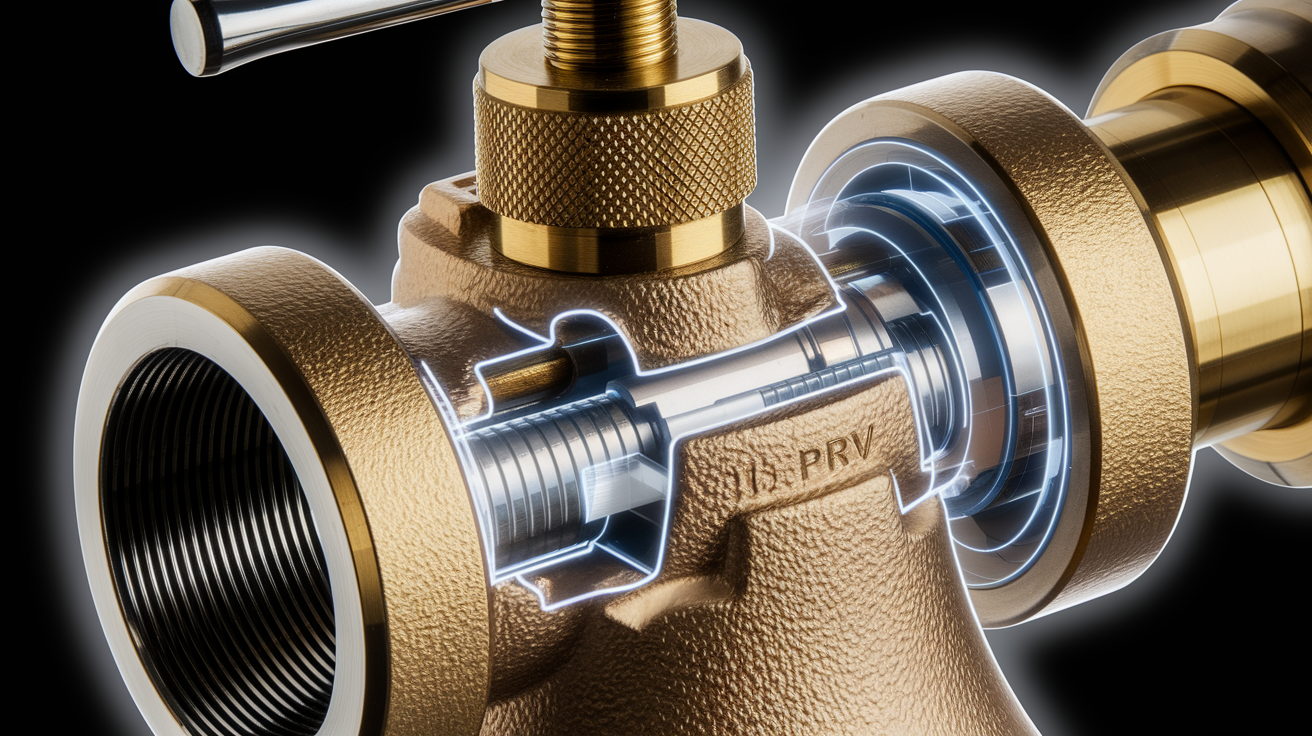
PRVs (pressure reducing valves) are the gatekeepers between your home and the water supply. Municipal water lines can deliver up to 200 psi to serve fire hydrants and tall buildings. Without a PRV installed near your water meter or main shutoff valve, that excessive pressure would hammer your plumbing. Not all homes have PRVs, especially older properties. If you’re troubleshooting pressure issues, checking for a pressure regulator should be one of your first steps.
Look for a bell shaped device near your water meter. That’s your PRV.
A properly functioning pressure regulator protects your entire plumbing system. It shields fixtures and appliances, including water heaters, from damaging high pressure. It prevents the leaks that lead to costly water damage. It cuts water waste by maintaining steady, controlled flow. When municipal supply pressure fluctuates throughout the day, your PRV keeps home pressure consistent. If you go on vacation, it stabilizes pressure so you don’t come home to a flood. The lifespan of your pipes, fixtures, and appliances all extend when they’re not constantly stressed by excessive pressure.
Test your PRV by measuring pressure on both sides with a gauge. Upstream pressure (on the street side) should read higher than downstream pressure (on your home side). If the readings match or downstream is higher, your regulator has failed.
Confirm you actually have high pressure before adjusting anything. Test with a gauge at an outdoor spigot. If readings consistently sit above 60 to 70 psi, it’s time to make changes.
Adjusting an existing PRV takes patience and small movements. Locate the adjustment screw on top of the regulator. Turning it counter clockwise decreases pressure. Clockwise increases pressure. Make small adjustments of about 1/4 turn at a time. Test with your pressure gauge after each adjustment. Repeat the process until you reach your target range between 40 to 60 psi. Go slow. Big adjustments can overshoot and create new problems.
Installing a new PRV requires shutting off the main water supply at the meter and cutting into the supply line. You’ll need to position the new valve just beyond the mainline shutoff valve. Follow the manufacturer’s instructions carefully if you’re comfortable with plumbing work. The valve needs to be oriented correctly, with the arrow on the body pointing toward the house. Make sure all connections are tight and properly sealed before turning the water back on.
Get a professional plumber if you’re uncomfortable with adjustments or installations. Improper changes backfire fast. You can end up with pressure that’s too low, new leaks from rushed work, or damage to the regulator itself. Some manufacturers void warranties if anyone but a licensed plumber does the installation.
Municipal Supply vs. Well Water Pressure Differences

Where your water comes from changes how pressure works in your home. City systems and private wells operate completely differently.
Homes connected to municipal water get their supply from city lines that deliver very high pressure, sometimes reaching 200 psi. That extreme pressure serves fire hydrants and gets water to the top floors of tall buildings. Residential homes can’t handle that kind of force, so a PRV is essential. Municipal pressure isn’t constant either. It fluctuates based on how many neighbors are using water at the same time, what time of day it is, and seasonal demand. Summer heat drives water usage higher across the entire system, which can temporarily reduce pressure during peak hours.
Well systems work on a completely different setup. Your home relies on a pressure tank and a pressure switch to maintain steady pressure. The switch tells your well pump when to turn on and off based on pressure levels in the tank. Most well systems run between 40 to 60 psi with a 20 psi differential. That means the pump kicks on at 40 psi and shuts off at 60 psi. You can adjust pressure by changing the pressure switch settings, but those adjustments need to account for the pump’s capacity and the tank size.
Large homes or properties with multiple stories might need a booster pump added to the well system to maintain adequate pressure throughout the house.
Impact of Home Layout on Water Pressure

Your home’s structure determines how evenly pressure distributes from the main line to every fixture. It’s not just about starting pressure. It’s about what happens to that pressure as water travels through your plumbing.
Several factors affect how pressure reaches different parts of your home.
Elevation changes: Every foot of vertical height reduces water pressure by 0.43 psi because gravity pulls down on the water column.
Distance from main supply line: Longer pipe runs create more friction loss, so fixtures far from the meter receive slightly lower pressure than ones nearby.
Pipe diameter and material: Narrow pipes or corroded galvanized lines restrict flow and drop pressure along the way.
Number of fixtures sharing a line: When multiple fixtures pull from the same supply pipe simultaneously, available pressure splits between them.
Multiple stories: Upper floors naturally receive lower pressure than the ground level, with second floor bathrooms often showing the biggest difference.
Second floor bathrooms typically have weaker showers than first floor bathrooms. That 10 to 15 feet of elevation costs about 4 to 6 psi just from gravity. If your starting pressure sits at 50 psi downstairs, the upstairs might only see 44 to 46 psi. Basement fixtures usually have the strongest pressure in the house because gravity works in their favor instead of against them.
Solutions depend on where the pressure drops and why. Make sure your starting pressure at the main line measures adequate (at least 50 to 55 psi if you have multiple floors). Install a booster pump system for multi story homes where upper floors consistently suffer from weak flow. Use larger diameter supply pipes for long runs from the main line to distant fixtures. Consider point of use pressure boosters for problem areas like a master bathroom on the top floor where replacing all the plumbing isn’t practical. The key is diagnosing where pressure is lost so you’re fixing the actual problem instead of just treating symptoms.
Seasonal and Peak Demand Pressure Fluctuations
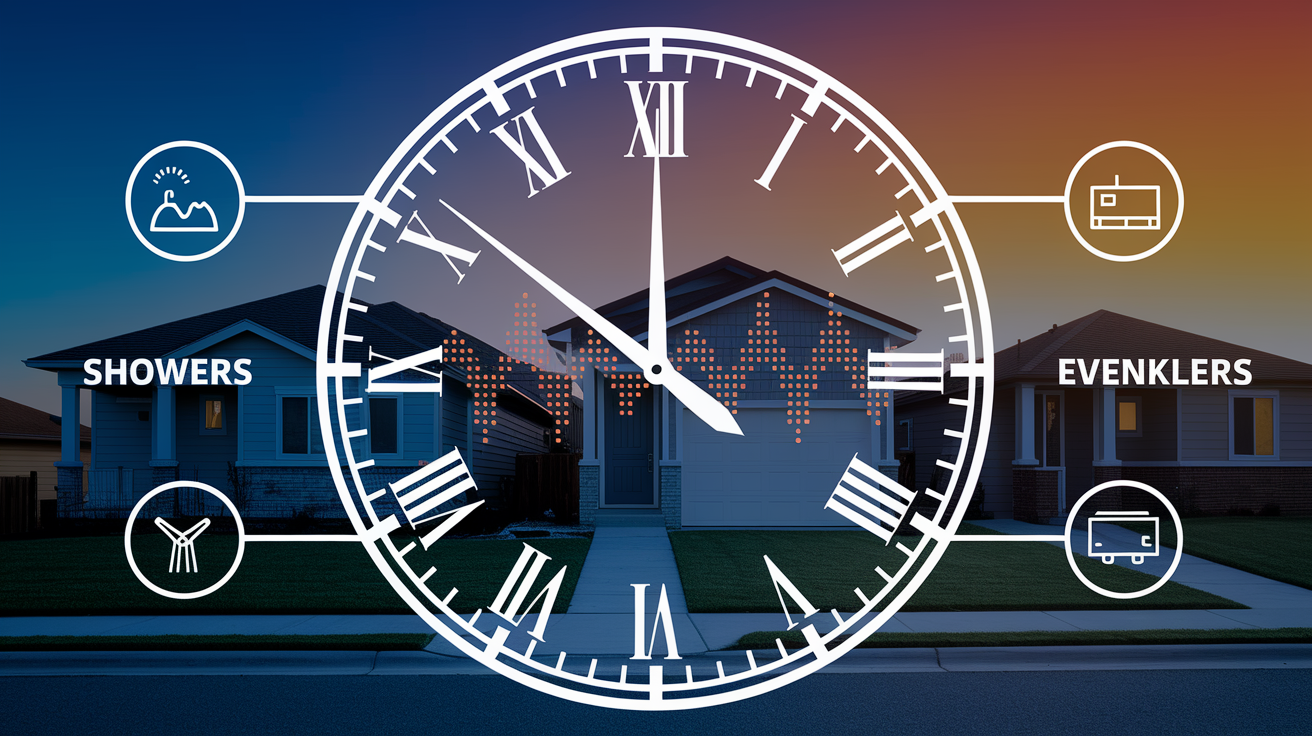
Water pressure isn’t constant throughout the day or across seasons. Temporary drops happen when demand spikes in your neighborhood.
Daily fluctuations follow predictable patterns. Morning rush hours hit when everyone showers before work. Pressure dips slightly across the neighborhood during those peak times. Evening watering hours bring another surge when irrigation systems kick on across multiple properties. Municipal pressure temporarily drops during these peaks because the distribution system is working harder to supply everyone at once. It’s normal. It’s not a problem with your plumbing.
Seasonal variations show up most in summer. Hot months bring higher overall water usage from lawn watering, pool filling, and increased indoor consumption. Municipal pressure often runs a bit lower during July and August, especially in hot climates where water demand stays elevated. Winter typically brings more stable pressure because outdoor water use drops to almost nothing. Extreme weather events like major storms or utility maintenance can cause temporary pressure changes that resolve once conditions return to normal.
Test your pressure during different times of day if you notice it varies. Take readings in the morning, afternoon, and evening to identify patterns. Schedule high water activities like laundry and dishwashing during off peak hours when your neighbors aren’t using as much water. Set irrigation timers to run in early morning (4 to 6 AM) or late evening (9 to 11 PM) when municipal demand drops. These simple timing adjustments help you work with the natural pressure fluctuations instead of fighting them.
Building Codes and Safety Standards for Water Pressure

Most building codes cap residential water pressure at 80 psi to protect plumbing systems from damage. When municipal supply exceeds that threshold, codes require installation of a pressure reducing valve before water enters the home. Codes also set minimum functional pressure around 30 to 40 psi so fixtures and appliances can operate properly. Anything below that range fails to meet basic performance standards.
Additional requirements vary by location but often include thermal expansion tanks near water heaters. As water heats up, it expands. Without a place for that expanded water to go, pressure builds dangerously inside a closed plumbing system. More and more jurisdictions now require expansion tanks to prevent this problem. Backflow prevention devices also show up in many local codes to keep contaminated water from flowing back into the public supply. Proper PRV installation standards specify placement, orientation, and shutoff valve configurations.
Check with your local building department or plumbing inspectors about specific requirements in your area. This matters most before doing plumbing modifications or when selling a home. An inspector might flag missing equipment that should have been installed years ago. Knowing your local standards helps you stay compliant and avoid delays during home inspections or permit processes.
When to Contact a Professional Plumber for Pressure Issues
Some pressure problems need professional diagnosis. DIY troubleshooting has its limits.
Call a plumber when you encounter these situations:
Pressure readings consistently above 80 psi or below 30 psi that don’t respond to simple adjustments.
Persistent water hammer that continues even after you’ve tried fixes.
Sudden unexplained changes in pressure throughout the whole house.
Multiple leaks appearing at different locations within a short time frame.
Inability to locate the PRV or access it for adjustment.
Need for new PRV installation when your home doesn’t have one.
Whole house pressure problems affecting every fixture equally.
Well system pressure switch failures that keep cycling the pump improperly.
Dramatic increases in water bills suggesting hidden leaks you can’t find.
Preventive professional services catch problems before they become emergencies. Annual pressure checks and PRV inspections identify components wearing out or settings drifting out of range. Schedule a whole house plumbing assessment when buying a home so you know what you’re working with. Regular maintenance appointments let a plumber flush sediment buildup, test system performance, and spot early warning signs you’d miss.
Professional service prevents costly emergency repairs. It protects your home from water damage that starts small but spreads fast. The money spent on scheduled maintenance is nothing compared to what you’ll pay for burst pipes, ruined ceilings, or flooded floors.
Final Words
What should water pressure be in a house? Aim for 50 to 60 psi for best results.
Test your pressure once or twice a year with a simple gauge. Watch for warning signs like banging pipes, dripping faucets, or weak showers.
Small adjustments can protect your plumbing, extend appliance life, and prevent expensive water damage. Most fixes start with checking your pressure regulator or cleaning clogged aerators.
When pressure problems persist or readings fall outside the safe range, we’re here to help. Correct pressure keeps your home running smoothly and your water flowing just right.
FAQ
Is 100 PSI water pressure too high?
Yes, 100 PSI water pressure is too high for residential plumbing. The maximum safe pressure for most homes is 80 PSI. At 100 PSI, you’ll likely experience frequent leaks, appliance damage, and premature fixture failure. A pressure regulator needs adjustment or replacement.
How do I adjust the water pressure in my house?
You can adjust water pressure in your house by locating the pressure regulator valve near your water meter and turning the adjustment screw. Turn counter-clockwise to decrease pressure, clockwise to increase it. Make small quarter-turn adjustments and retest with a gauge after each turn.
Is 40 PSI too low for water pressure?
No, 40 PSI is not too low for water pressure. It sits at the lower end of the ideal range (40-60 PSI) but remains functional for most fixtures. You should have adequate flow for showers, faucets, and appliances, though performance may feel less strong than at 50-60 PSI.
What is considered normal water pressure for a house?
Normal water pressure for a house ranges from 40 to 80 PSI. The ideal range is 40 to 60 PSI, with 50 to 60 PSI being the sweet spot. Anything above 80 PSI is too high and risks damaging your plumbing. Below 30 PSI is too low.
What causes sudden drops in water pressure?
Sudden drops in water pressure typically come from partially closed shutoff valves, failing pressure regulators, municipal line breaks, or significant leaks. Check your main shutoff valve and water meter valve first. If both are fully open and pressure remains low, you may have a hidden leak or PRV failure.
Can high water pressure damage my appliances?
Yes, high water pressure damages appliances like dishwashers, washing machines, and water heaters by forcing components to work harder and wear faster. Excessive pressure causes premature breakdowns, louder operation, reduced efficiency, and shorter appliance lifespan. Maintaining pressure between 40-60 PSI protects your investment.
How often should I test my home’s water pressure?
You should test your home’s water pressure once or twice per year using an inexpensive pressure gauge. Regular testing helps catch problems early before they cause damage. Test more frequently if you notice symptoms like banging pipes, dripping faucets, or changes in fixture performance.
What is water hammer and how do I fix it?
Water hammer is the banging noise you hear when shutting off faucets, caused by excessive water pressure creating shockwaves in pipes. Fix it by reducing pressure with a PRV adjustment to the 40-60 PSI range. If hammer persists at proper pressure, you may need water hammer arrestors installed.
Do all homes have pressure regulator valves?
No, not all homes have pressure regulator valves, especially older properties. Homes built before modern codes or those with naturally low municipal pressure may not have PRVs installed. Check near your water meter or main shutoff valve for a bell-shaped device to confirm.
Why is water pressure different on my second floor?
Water pressure is lower on your second floor because gravity works against water flow. Every foot of elevation reduces pressure by approximately 0.43 PSI. Upper floors naturally receive weaker pressure than ground-level fixtures. Multi-story homes may benefit from booster pumps for consistent pressure throughout.
Can I install a pressure regulator myself?
You can install a pressure regulator yourself if you’re comfortable with plumbing work, but professional installation is recommended. PRV installation requires shutting off main water, cutting into the supply line, and following manufacturer instructions precisely. Improper installation can backfire and create new problems.
What’s the difference between city water and well water pressure?
City water delivers very high pressure (up to 200 PSI) requiring PRVs for home use, while well water relies on pressure tanks and switches to maintain consistent pressure. Municipal pressure fluctuates with neighborhood demand. Well systems let you control pressure via the pressure switch settings.
How do I know if my pressure regulator is failing?
You know your pressure regulator is failing when you experience sudden whole-house pressure changes, readings above 80 PSI or below 40 PSI, water hammer, frequent leaks, or noisy fixtures. Test by comparing gauge readings on both sides of the PRV. Upstream pressure should be higher than downstream.
Will cleaning faucet aerators improve water pressure?
Yes, cleaning faucet aerators improves water pressure at that specific fixture. Mineral deposits clog aerators over time, restricting flow. Remove the aerator and soak it in distilled vinegar for about four hours to dissolve buildup. This simple fix often restores normal flow without adjusting system pressure.
When should I call a plumber for pressure problems?
You should call a plumber for pressure problems when readings stay above 80 PSI or below 30 PSI, you experience persistent water hammer, multiple leaks appear, or you can’t locate your PRV. Professional help prevents costly mistakes and protects your home from water damage.