

Most homeowners reach for a drain cleaner after standing water’s already pooling in the sink, but picking the wrong product wastes time and can actually corrode your pipes. Kitchen clogs are mostly grease and food buildup, not hair, so you need something that breaks down fats specifically. This guide compares the top drain clog removers based on how fast they work, what they’re safe for, and what you’ll actually spend over a year of realistic use.
Top-Rated Kitchen Sink Drain Clog Removers Compared

When you’re choosing a drain clog remover for your kitchen sink, you’ve got to match the product to what’s actually blocking the drain. The comparison here focuses on how well each product handles specific clogs, how fast it works, whether it’s safe for your pipes, what it costs upfront, what you’ll spend over a year of realistic use, and whether it plays nice with garbage disposals and septic systems.
How to Choose the Right Product
Start by figuring out what kind of clog you’re dealing with. Water still draining but slowly? That’s partial buildup. Standing water that won’t budge? Complete blockage. Kitchen clogs usually come from grease and food particles, not the hair and soap scum you’d see in a bathroom. Check what your pipes are made of. Most modern kitchens have PVC, but older homes might have metal pipes that react badly to certain chemicals. Got a garbage disposal? You’ll need something safe for the rubber gaskets and metal components. Septic system owners should stick with enzymatic or natural options that won’t kill the beneficial bacteria. Time sensitivity matters too. Chemical cleaners work in minutes. Enzymatic formulas need hours or overnight.
Ranked Product Reviews
1. Hercules Glug Kitchen Liquid Drain Opener comes designed specifically for kitchen clogs with grease and food particles, which is what most people are fighting. It’s safe for garbage disposals, includes a deodorizer, and customers report it handles moderate grease buildup without the pipe damage risk you get from stronger acids. Typical price runs $12 to $18 per bottle. If you use it monthly for maintenance, you’re looking at around $144 to $216 annually. Best for regular maintenance on drains that get sluggish from normal cooking grease.
2. Bio-Clean Enzymatic Drain Cleaner uses bacteria and enzymes to break down organic waste over 6 to 8 hours, making it ideal for overnight treatment of slow drains. Customers mention it eliminates odors completely and one container lasts months because you use small amounts. Price runs $24 to $32 per container with an annual cost around $50 to $75 for monthly treatments. Best for septic system homes and prevention focused homeowners who want to avoid harsh chemicals entirely. Main limitation is it won’t touch standing water emergencies.
3. Sodium Hydroxide Crystal Drain Opener generates more heat than liquid or bead versions because thousands of small crystals attach directly to grease and organic blockages. These work fast on sluggish drains, usually within 30 minutes when you combine them with hot water. Price is $8 to $15 per container with annual costs around $96 to $180 for monthly use. Best for quick fixes on partially blocked drains with heavy grease buildup. Not safe for garbage disposals because of the heat reaction.
4. Green Gobbler Enzyme Drain Cleaner is another enzymatic option that works overnight and comes in pre-measured packets, which prevents overuse and waste. Customers appreciate the consistency and report fewer recurring clogs when they use it as monthly prevention. Typical price is $18 to $25 for a multi-pack with annual costs around $72 to $100. Best for households that want a set it and forget it maintenance routine without measuring or mixing.
5. Liquid Plumr Pro-Strength handles standing water and works through complete blockages in about 15 minutes. It’s a caustic formula that’s widely available at hardware stores and gets the job done when you need immediate results. Price ranges from $6 to $12 per bottle, but repeated monthly use adds up to $72 to $144 annually plus potential pipe wear. Best for emergency situations when you need the drain open fast. Not recommended for regular use because of long term pipe corrosion concerns.
6. Thrift Marketing Drain Cleaner is an industrial strength sodium hydroxide product that professionals stock because it tackles severe grease clogs that other products can’t touch. One customer reported clearing a 12 year old persistent slow drain that chemical treatments and basic snaking couldn’t fix. Price is $12 to $20 per container with realistic annual costs around $48 to $80 since you typically only need it quarterly for tough situations. Best for stubborn recurring clogs in older homes with significant buildup. Requires careful handling and isn’t sold in all retail stores.
| Product Name | Type | Best For | Speed | Price Range | Annual Cost | Septic Safe |
|---|---|---|---|---|---|---|
| Hercules Glug Kitchen | Liquid Chemical | Grease & Food Particles | 15-30 min | $12-$18 | $144-$216 | No |
| Bio-Clean Enzymatic | Enzymatic Powder | Maintenance & Prevention | 6-8 hours | $24-$32 | $50-$75 | Yes |
| Sodium Hydroxide Crystals | Chemical Crystals | Heavy Grease Buildup | 30 min | $8-$15 | $96-$180 | No |
| Green Gobbler Enzyme | Enzymatic Packets | Monthly Prevention | Overnight | $18-$25 | $72-$100 | Yes |
| Liquid Plumr Pro-Strength | Liquid Caustic | Emergency Blockages | 15 min | $6-$12 | $72-$144 | No |
| Thrift Marketing | Industrial Caustic | Severe Recurring Clogs | 20-30 min | $12-$20 | $48-$80 | No |
Chemical Drain Cleaners for Kitchen Sink Clogs

Chemical drain cleaners work by generating heat through exothermic reactions that literally melt through grease and organic material. Sodium hydroxide formulas create heat when they contact water, breaking down fats and proteins in food waste through saponification. That’s the same chemical process used to make soap. This turns solid grease into a liquid soap that washes away. Sulfuric acid formulas work differently, using extreme acidity to char and dissolve organic matter while generating intense heat. The acid reacts with water in the clog and literally burns through the blockage. Both types produce enough heat to liquefy congealed fats that have solidified against pipe walls.
Crystal and flake formulations generate more concentrated heat than liquid or bead products because of surface area physics. Thousands of small sodium hydroxide crystals spread throughout the clog and each one creates its own heat reaction point when it contacts moisture. The crystals reach higher maximum temperatures faster than sodium hydroxide prills (which are rounded beads), allowing better attachment to the blockage before they dissolve. This is why crystal products often clear stubborn grease clogs that liquid formulas can’t touch. They’re creating hundreds of tiny heat sources throughout the entire blockage instead of one general heated area.
Chemical Cleaner Safety Protocols:
You need to wear safety glasses or goggles rated for chemical splash protection, not just regular glasses. Open windows and turn on exhaust fans before opening the container. Fumes displace oxygen and can cause dizziness. Use heavy duty rubber gloves that cover your wrists, and keep a second pair nearby in case the first gets contaminated. Never mix different drain cleaners or add other household chemicals. The reaction can create toxic gases or explosive heat. Keep a bucket of cold water nearby for emergency dilution if product splashes on skin or surfaces. If the product doesn’t clear the clog, wait at least 24 hours before attempting mechanical snaking to avoid chemical burns on your hands or splashback.
The long term pipe corrosion question is real. One homeowner spent $8 monthly on chemical treatments for years and ended up with $1,200 in pipe replacement costs when the repeated chemical exposure weakened the joints. Chemical cleaners are appropriate for occasional emergency use when you have standing water and need the drain functional immediately. They’re not appropriate for monthly maintenance, for older pipes with unknown condition, or for situations where you have time to try gentler methods first.
Enzymatic and Natural Kitchen Drain Clog Solutions

Enzymatic drain cleaners use living bacteria and specialized enzymes that literally eat organic waste. The bacteria colonize inside your pipes and produce enzymes that break down fats, oils, proteins, and starches into smaller molecules they can digest. Unlike chemicals that work once and wash away, these bacteria keep working for hours as they multiply and consume the food source. The byproducts are just water and carbon dioxide. This biological process is slower than chemical reactions but it’s actually more complete. The enzymes break down the entire buildup layer instead of just blasting a hole through it.
Baking Soda and Vinegar Method:
Remove standing water with a cup or wet dry vacuum so the mixture contacts the clog directly. Pour one cup of baking soda down the drain, using a funnel if needed to get it past the drain opening. Follow with one cup of white vinegar and immediately plug the drain with a stopper or wet rag to contain the fizzing reaction. Wait 30 minutes, then flush with a full kettle of boiling water to wash away loosened debris.
Commercial enzymatic products work faster and more thoroughly than baking soda and vinegar because they contain concentrated bacterial strains specifically selected for breaking down kitchen waste. A product like Bio-Clean or an acid free bio-enzymatic formula typically clears a moderately clogged drain overnight (6 to 8 hours), while the baking soda method might need 2 to 3 applications over several days for the same result. Enzymatic products cost $25 to $35 upfront but last months since you use small amounts. The baking soda approach costs under $5 for supplies but requires more repeated applications. On effectiveness, enzymatic products win for serious buildup, but the homemade method works fine for minor slowdowns and monthly prevention if you’re patient.
Natural methods are most appropriate when you have time to let them work, when you’re maintaining drains to prevent clogs rather than fighting existing blockages, and when you have a septic system that benefits from the bacteria boost. If you’ve got standing water or a drain that’s been slow for weeks, natural solutions will frustrate you. Start with mechanical removal and then use enzymatic products for prevention.
Mechanical Drain Clog Removal Methods for Kitchen Sinks

Mechanical methods pull or push clogs out physically instead of dissolving them, which means you’re getting complete removal rather than just creating a channel through the blockage. These methods work best when the clog is within a few feet of the drain opening and when you want to avoid putting any chemicals into your plumbing system.
For plunger technique, you need a cup plunger, not a flange plunger made for toilets. Fill the sink with 3 to 4 inches of water to create a seal. If you have a double sink, plug the other drain completely with a wet rag so pressure doesn’t escape through the other side. Place the plunger over the drain and push down slowly to force water into the pipe, then pull up sharply. The suction on the pull stroke is what breaks up the clog. Repeat 10 to 15 times with increasing force.
Manual drain snakes (also called augers) extend a flexible metal cable into the pipe to break up or retrieve clogs. Feed the snake into the drain opening while turning the handle clockwise. You’ll feel resistance when you hit the clog. Keep turning and applying gentle forward pressure. Don’t force it or you’ll just push the blockage deeper. When you feel the snake break through, pull it back slowly while still turning. The cable often brings debris out with it. Store bought snakes typically reach 15 to 25 feet, which works for most kitchen sink clogs but won’t reach deep system problems.
The P-trap is the curved section of pipe directly under your sink, and it catches about 60% of kitchen clogs because grease and food particles settle in the curve. Put a bucket underneath to catch water, then use a pipe wrench or channel locks to loosen the slip nuts on both ends of the trap. Slide the nuts up the pipes and pull the trap down and away. Dump the contents into your bucket, then use a bottle brush or straightened wire hanger to scrub out the sludge coating the inside. Check the pipes leading to and from the trap too. Sometimes buildup extends just past the trap. Rinse everything thoroughly before reassembling. Don’t overtighten the slip nuts when you put it back. Hand tight plus a quarter turn with pliers is enough.
These DIY mechanical methods work great for clogs near the drain opening but they have real limitations. A plunger only moves water, so it won’t touch buildup coating the pipe walls. Hand augers lack the power and reach for serious blockages more than a few feet down the line, and they can scratch chrome fixtures if you’re not careful. If you’ve tried these methods and the drain is still slow, or if multiple drains in your home are backing up, you’re dealing with a deeper system clog that needs professional equipment.
Pipe Compatibility and Safety for Kitchen Drain Cleaners
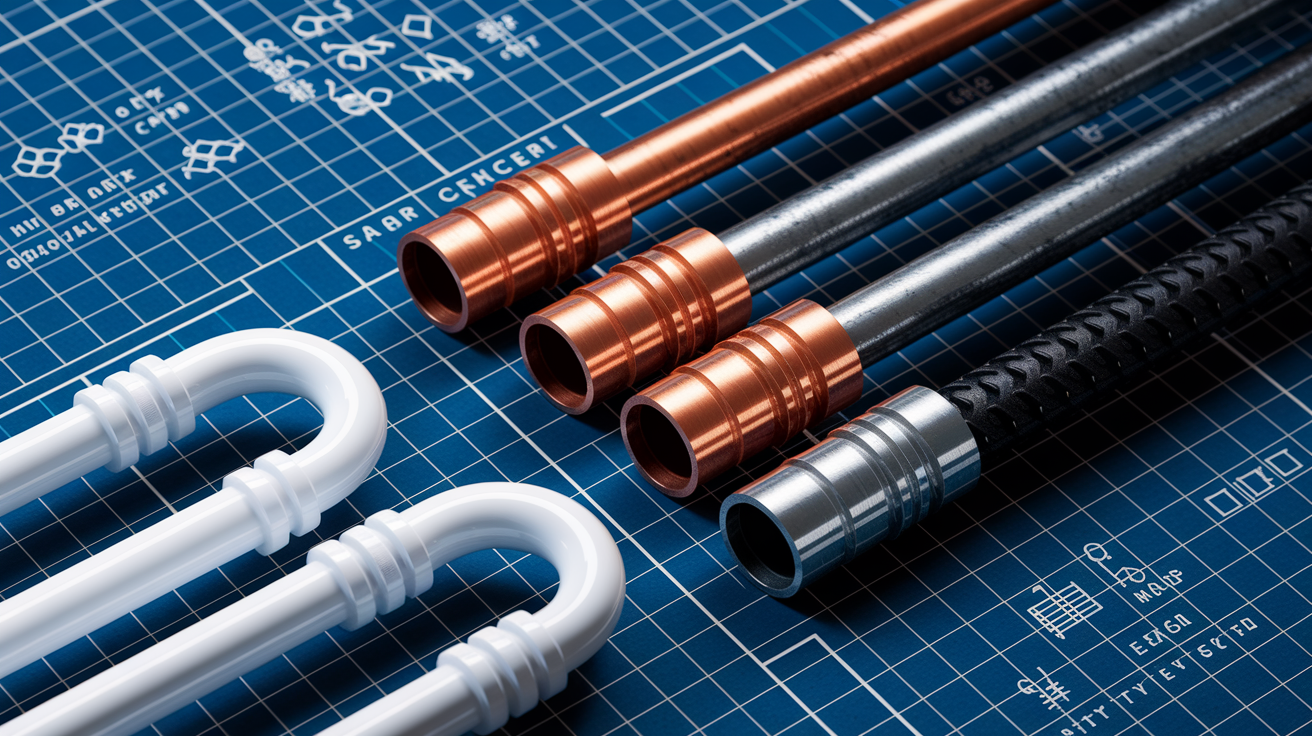
Modern kitchen plumbing uses PVC drain pipes in most new construction, but older homes might have cast iron, galvanized steel, copper, or even older clay pipes in the main drain line. Each material reacts differently to chemicals. PVC is resistant to most drain cleaners but can be damaged by extreme heat. If a chemical reaction gets too hot, it can soften PVC joints. Metal pipes have chemical sensitivities based on the type of metal. Copper generally holds up well to most cleaners. Galvanized steel has a zinc coating that acidic cleaners will eat through, which leads to corrosion and leaks later. Aluminum pipes (rare but present in some older homes) react violently with sodium hydroxide products.
| Pipe Material | Safe Cleaners | Avoid | Special Notes |
|---|---|---|---|
| PVC (Plastic) | Sodium hydroxide liquids, enzymatic formulas, natural solutions | Extreme heat generators, repeated acid use | Check joint integrity if home is over 20 years old before using crystals |
| Copper | Most commercial drain cleaners, enzymatic products | Prolonged acid exposure | Generally durable but inspect for existing corrosion first |
| Galvanized Steel | Enzymatic formulas, mild sodium hydroxide | Acidic cleaners, repeated chemical use | Zinc coating breaks down over time, stick with gentler options |
| Cast Iron / Older Metal | Enzymatic products only | All acidic and caustic chemicals | Pipes likely have existing weak spots, mechanical cleaning is safer |
Essential safety precautions start before you open the bottle. Clear the area under the sink and make sure children and pets are out of the kitchen. Open windows and turn on the exhaust fan. Chemical drain cleaners produce fumes that can irritate your lungs and eyes even if you don’t smell anything strong. Put on your protective gear: safety glasses, rubber gloves that cover your forearms, and old clothes in case of splashes. Read the entire label before starting, especially the emergency treatment instructions. Pour slowly and steadily without splashing, keeping your face turned away from the drain opening. Never lean over the sink while the product is working. After the recommended time, flush with cold water first (hot water can create dangerous steam when mixed with some chemicals), then follow with hot water if the label directs.
If you have a garbage disposal, check the product label specifically for disposal safety. Many chemical cleaners damage the rubber gaskets and seals inside the disposal unit, leading to leaks within months. Products marked safe for disposals typically have non-caustic formulas or lower concentrations of active ingredients. Enzymatic cleaners are always safe for disposals and actually help by digesting the food residue that coats the grinding chamber and causes odors.
Preventing Kitchen Sink Drain Clogs
Prevention is dramatically cheaper than reactive treatment when you look at the actual costs. One homeowner tracked $8 monthly chemical treatments over several years and ended up spending over $1,200 total when you add the eventual pipe replacement. A basic prevention routine costs under $75 annually and avoids emergency plumber calls that typically start around $300. The time factor matters too. Dealing with a clogged drain when you’re trying to cook dinner or clean up after a meal is miserable compared to spending ten minutes monthly on maintenance.
Specific Prevention Practices:
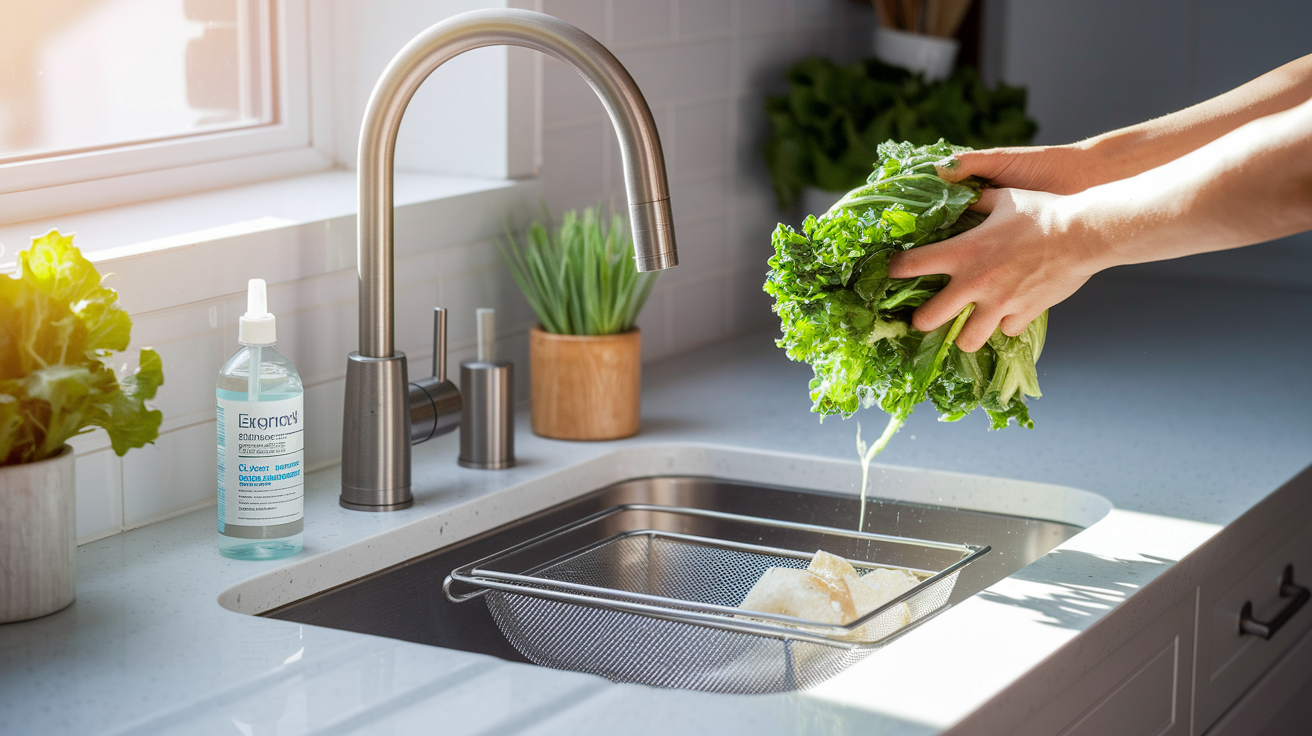
Never pour cooking grease, bacon fat, or oil down the drain. Wipe pans with paper towels and throw the grease in the trash. Use a mesh strainer or sink basket in both sides of a double sink to catch food particles before they enter the drain. Scrape plates into the trash or compost before rinsing. The garbage disposal isn’t meant to handle full meals worth of food. Run cold water for 20 to 30 seconds after using the garbage disposal to push ground food completely through the trap. Coffee grounds clump together and create cement like blockages. Always trash them, never rinse them down the drain. Flush drains weekly with boiling water to melt small grease deposits before they build up into blockages.
Don’t treat your disposal like a trash can. Stick to soft scraps and avoid fibrous vegetables like celery, potato peels, and onion skins. Once monthly, pour a cup of ice cubes and a half cup of rock salt down the disposal, run it with cold water for 30 seconds to scour the grinding chamber clean. If you notice water draining slower than normal, address it immediately with enzymatic treatment. Small slowdowns become complete blockages fast. Keep a sink strainer in place even when using the disposal as a backup catch for anything that shouldn’t go down.
A monthly maintenance routine with enzymatic treatments costs around $6 to $8 per month (less than one emergency chemical treatment) and prevents 80% of common kitchen clogs. Pick one day monthly. First of the month works for most people. Pour the recommended amount of enzymatic cleaner down each kitchen drain before bed. The bacteria work overnight while the pipes aren’t in use. Run hot water for one minute in the morning to flush away loosened debris. This routine keeps the entire length of your drain pipes clean, not just the trap directly under the sink.
Professional preventive services include annual or bi-annual hydro jetting, which completely removes years of accumulated buildup from your pipes. One family dealt with persistent slow drainage and recurring clogs for 12 years using chemical treatments and basic snaking every few months. After one professional hydro jetting service, their drains worked better than new and they didn’t have a single clog for three years. The service cost $488 (including a free camera inspection) and eliminated approximately $300 to $500 annually in emergency calls and chemical products. For more information on preventing costly water damage from plumbing issues, see Preventing Water Damage in Your Home.
Professional Solutions for Severe Kitchen Drain Blockages
Some clogs signal a problem that’s beyond what consumer products can handle. If your kitchen drain backs up repeatedly even after you’ve cleared it, if multiple drains throughout your home are slow at the same time, if you smell sewer gas coming from the drain, or if wastewater backs up into other fixtures when you run the kitchen sink, you’re dealing with a main line issue or severe system blockage. Plunging and snaking might provide temporary relief, but the clog keeps coming back because there’s still buildup coating the pipes or a structural problem like root intrusion.
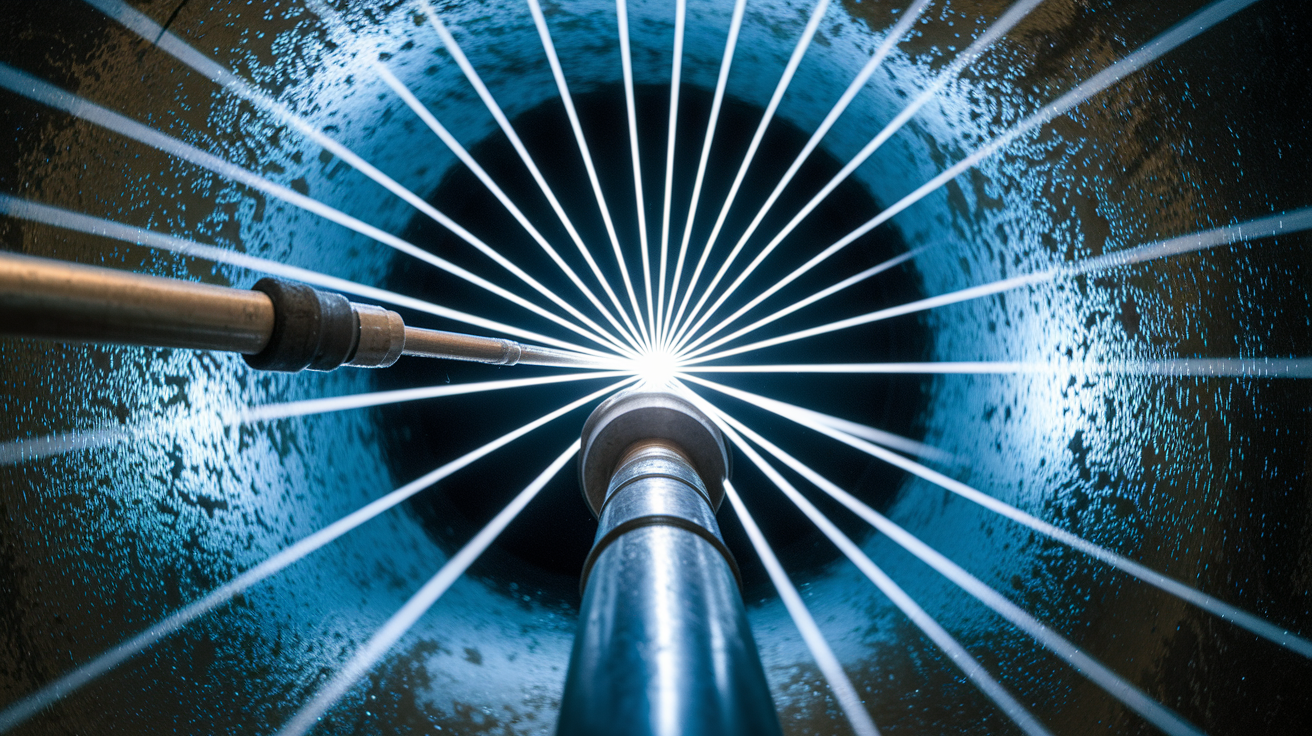
Hydro jetting uses highly pressurized water (typically 3,000 to 4,000 PSI for residential work) shot through a specialized nozzle that has jets angled backward and to the sides. The nozzle moves through your pipes on a flexible hose, and the backward angled jets both propel it forward and blast the pipe walls clean in a complete 360 degree pattern. This removes everything: years of hardened grease, mineral deposits, soap scum, and even tree roots that have grown into the line. Unlike chemical cleaners that dissolve a path through the clog or snakes that poke a hole, hydro jetting cleans from wall to wall and leaves your pipes in close to new condition. It’s the only method that actually addresses the coating of buildup that causes recurring clogs.
Expect to pay $350 to $600 for kitchen drain hydro jetting service in most markets, with prices varying based on accessibility and severity. Many services include a camera inspection at no extra cost. They run a video camera through your pipes first to identify the exact location and cause of the blockage and to verify your pipes are in good enough condition to handle the water pressure. This inspection step matters because hydro jetting can damage pipes that are already severely deteriorated or have separated joints. Some companies offer package deals where annual hydro jetting costs less when purchased as preventive maintenance rather than emergency service.
Get a camera inspection before committing to hydro jetting treatment, especially if your home is over 30 years old or if you have clay or cast iron drain pipes. The inspection shows exactly what’s blocking your drain and whether the pipe walls are intact enough for high pressure treatment. If the camera reveals cracks, root damage, or collapsed sections, hydro jetting might make the problem worse. You’d need pipe repair or replacement instead. Choose professional services over continued DIY attempts when you’ve spent more than $100 on products and supplies without fixing the problem, when the clog returns within days or weeks of clearing it, or when you’re seeing signs of a deeper issue like backups in multiple fixtures. For persistent drainage issues that might indicate hidden leaks or larger plumbing problems, check out Common Signs of Hidden Water Leaks.
Final Words
Choosing the best drain clog remover for kitchen sink problems comes down to matching the product to your specific situation.
For immediate grease clogs, chemical formulas work fast. For ongoing maintenance and odor control, enzymatic treatments protect your pipes long-term. And when nothing else works, mechanical methods or professional hydro jetting can handle stubborn blockages completely.
The right approach stops the clog, protects your plumbing, and keeps your kitchen running smoothly. Test what works, stick with prevention, and you’ll spend a lot less time dealing with standing water.
FAQ
What is the best clog remover for kitchen sinks?
The best clog remover for kitchen sinks depends on the clog type and severity. For grease and food particle clogs, Hercules Glug Kitchen Liquid Drain Opener works well through standing water and is safe for garbage disposals. For preventive maintenance, enzymatic formulas like Hercules PT-BIO1 break down organic matter without corroding pipes.
What is the best way to unclog a kitchen sink drain?
The best way to unclog a kitchen sink drain starts with identifying the blockage severity. For slow drains with grease buildup, use a specialized kitchen liquid drain opener that works on organic matter. For complete blockages, try a plunger first, then remove and clean the P-trap if needed before using chemical solutions.
What do plumbers recommend instead of Drano?
Plumbers recommend enzymatic drain cleaners or mechanical methods instead of Drano to avoid pipe corrosion. Professional-grade enzymatic formulas like Hercules PT-BIO1 break down organic buildup safely, while mechanical methods like snaking or hydro jetting physically remove blockages without chemical damage. Monthly enzymatic treatments prevent clogs better than reactive chemical use.
Which works better, Green Gobbler or Drano?
Green Gobbler and Drano work differently on kitchen sink clogs. Green Gobbler uses enzymatic action that’s safer for pipes and septic systems but works slower on grease buildup. Drano’s chemical formula acts faster on organic clogs but can corrode pipes over time, potentially causing expensive pipe replacement after repeated use.
How do enzymatic drain cleaners work on kitchen clogs?
Enzymatic drain cleaners work on kitchen clogs by using bacteria and enzymes to digest organic matter like grease and food particles. These bio-based formulas break down waste naturally over several hours, eliminate odors, and maintain clear drains without the pipe corrosion risks associated with harsh chemical cleaners.
When should you call a plumber for a kitchen sink clog?
You should call a plumber for a kitchen sink clog when DIY methods fail after two attempts, multiple drains back up simultaneously, or clogs return within days. Persistent slow drainage, gurgling sounds, or water backing up elsewhere indicates a deeper system blockage that needs professional diagnosis and hydro jetting.
Can chemical drain cleaners damage kitchen pipes?
Chemical drain cleaners can damage kitchen pipes through repeated use by corroding metal connections and weakening plastic fittings. One homeowner faced twelve hundred dollar pipe replacement costs after years of monthly chemical treatments. Enzymatic or mechanical methods prevent this corrosion while effectively maintaining clear drains.
What should never go down a kitchen sink drain?
Cooking grease, coffee grounds, and fibrous food waste should never go down a kitchen sink drain. These materials create stubborn clogs that chemical cleaners struggle to dissolve. Pour grease into containers for disposal, use strainer baskets to catch food particles, and flush drains with hot water after each use.
How often should you maintain kitchen sink drains?
You should maintain kitchen sink drains monthly with enzymatic treatments to prevent grease buildup and odors. Weekly hot water flushes help dissolve light grease accumulation. Professional hydro jetting every one to three years provides deep cleaning that prevents emergency clogs and extends the time between service calls.
Is hydro jetting worth it for kitchen drain clogs?
Hydro jetting is worth it for kitchen drain clogs when recurring blockages resist chemical treatments and snaking. At around four hundred eighty-eight dollars with camera inspection included, it removes years of grease buildup completely and prevents clogs longer than quarterly snake services, often eliminating emergency calls for years.