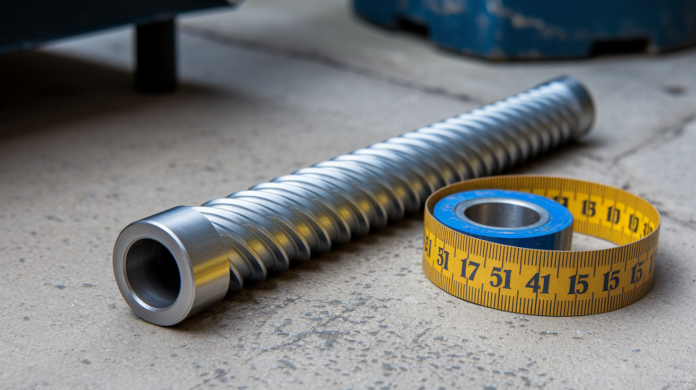

Most people never think about anode rod length until they’re standing in the plumbing aisle holding a 44 inch rod they can’t actually fit into their basement water heater. The truth is, you can’t just grab the first rod you see and expect it to work. Tank height, overhead clearance, and thread type all matter, and picking the wrong size means wasting money or leaving your tank exposed to corrosion. We’ll walk you through how to measure your setup, match the right rod length to your tank, and handle tight spaces where standard rods won’t fit.
How to Determine the Correct Anode Rod Length for Your Water Heater
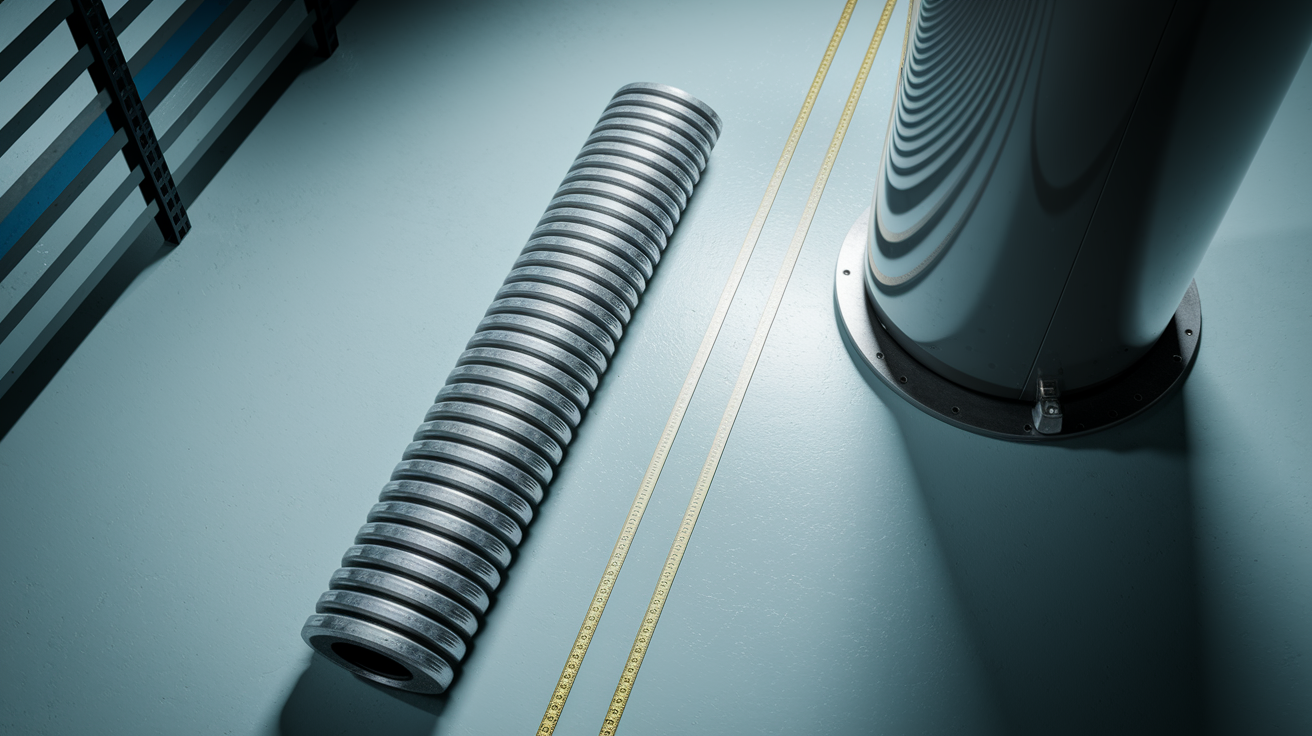
Most residential water heaters use a standard 44 inch (3 feet 8 inches) anode rod with a universal 3/4 inch diameter, but the correct length depends on tank height, capacity, overhead clearance, and thread configuration. The fundamental sizing rule is straightforward: anode rods should run the full height of the tank from tip to toe, ending just a few inches shorter than the tank itself for optimal corrosion protection. This isn’t about precise measurements down to the quarter inch. It’s about making sure the rod covers as much of the tank’s interior as possible, since that’s where corrosion happens.
Tank height varies between models and capacities, even when the gallon rating is the same. A tall 40 gallon standard tank is shaped differently than a short, wide low boy 40 gallon model. That means you can’t rely on capacity alone to pick the right anode length.
Standard Anode Rod Lengths by Tank Size
Smaller tanks (20 to 30 gallon) and low boy 40 gallon models often require shorter rods than the standard 44 inch size. Here’s what you’ll typically find:
Common anode rod lengths available: 20 inches, 42 inches, 44 inches, and 48 inches. 40 to 50 gallon standard tanks typically use 44 inch rods. 30 gallon tanks may require 42 inch or shortened rods. 20 gallon and low boy tanks often need 20 inch rods or custom cut lengths. Commercial and larger tanks may require 48 inch or multiple rods.
Step by Step Measuring Instructions
Measuring for the correct anode rod length takes a few minutes but prevents buying the wrong size:
- Turn off power, gas, and water supply to the heater
- Measure tank height from base to top (not including insulation cap)
- Account for 2 to 6 inches of top insulation thickness
- Measure vertical clearance above the tank to ceiling or obstruction
- Calculate available removal space (tank height minus clearance needed)
- Select anode rod length that is 2 to 4 inches shorter than internal tank height
Clearance considerations matter more than most people realize. Standard rods need their full length plus several inches of overhead space for removal. You’re pulling a 44 inch metal rod straight up and out of the tank top. If you’ve got 48 inches from tank top to basement joists, you’re barely making it work. For installations with limited vertical clearance (basements, attics, closets), flexible or segmented anode rods (link anodes) with small hooked together links allow installation in spaces with as little as 10 to 12 inches of headroom. That changes everything for tight installations.
Thread Types and Compatibility
Anode rods connect via hex head fittings, with socket sizes ranging from 3/4 inch to 1 1/16 inch. Standard hex head anodes screw directly into a dedicated port on the tank top. This is the most common type. Combination anode and hot water outlet configurations attach to the hot water outlet pipe nipple and extend 3 to 6 inches down. These require both a hex rod and combo rod for complete replacement, which catches people off guard when they’re standing in the store aisle.
If you’ve got a 12 year warranty model, there’s a decent chance you’ve got a hidden second anode. Disconnect the hot water plumbing and probe the nipple with a long screwdriver. If it stops after a couple inches, an anode is present. Worth checking before you assume you’ve got the full picture.
Flexible and Segmented Anode Rods for Limited Installation Space
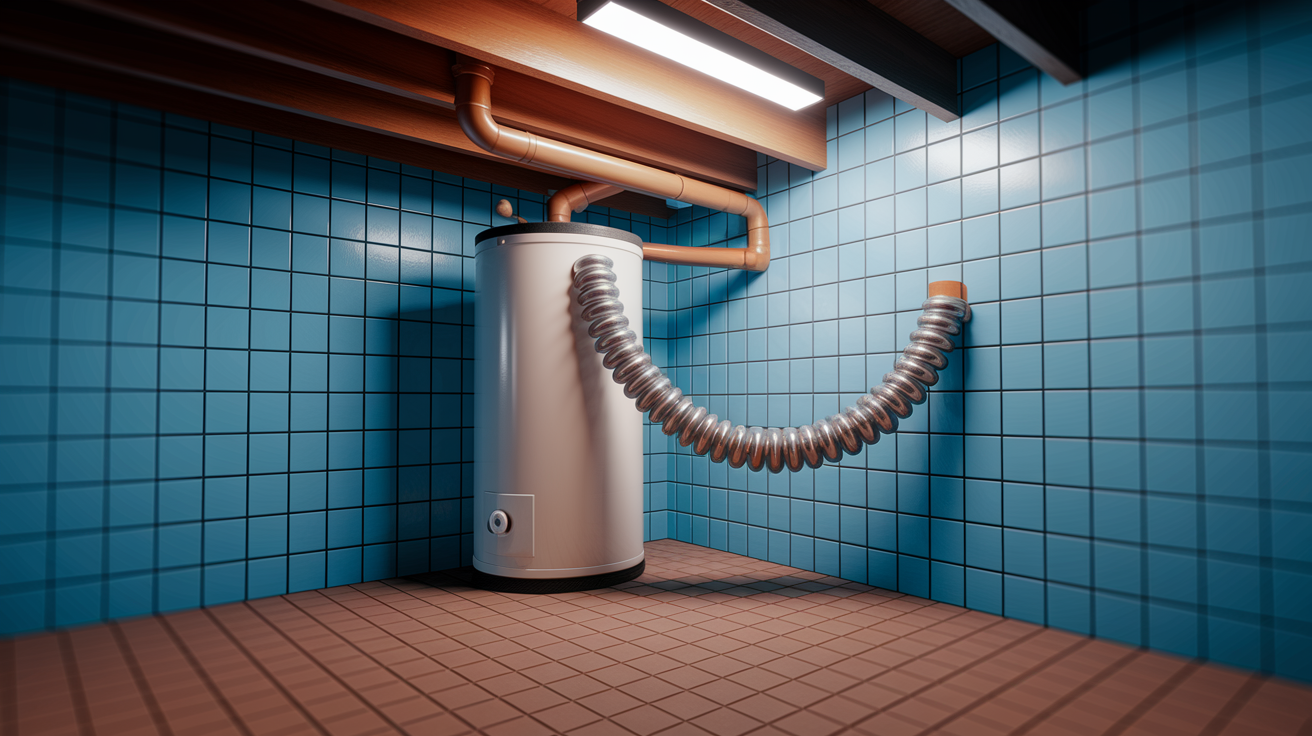
Standard rigid anode rods require significant overhead clearance for vertical removal, which many basement, attic, or closet installations lack. You can’t angle them out. You can’t wiggle them sideways. They come straight up or they don’t come out at all.
Flexible or segmented anode rods (link anodes) solve this problem. These consist of small segments connected by flexible links that allow the rod to bend during installation and removal. The segments hinge at the connection points, so you can pull the rod out in a curved path if that’s what the space requires.
Here’s what makes them practical: no need for full vertical clearance above tank, can be installed in spaces with as little as 10 to 12 inches of headroom, provide same corrosion protection as rigid rods, and they’re available in lengths matching standard rigid rod sizes.
These typically cost slightly more than standard rods, usually $10 to $20 extra, but they’re the only practical option for constrained spaces. If you’ve got 18 inches of clearance above your tank and you’re trying to remove a 44 inch rod, you’re not getting creative with angles. You’re buying a flexible rod.
Trimming and Cutting Anode Rods to Fit Your Water Heater Tank
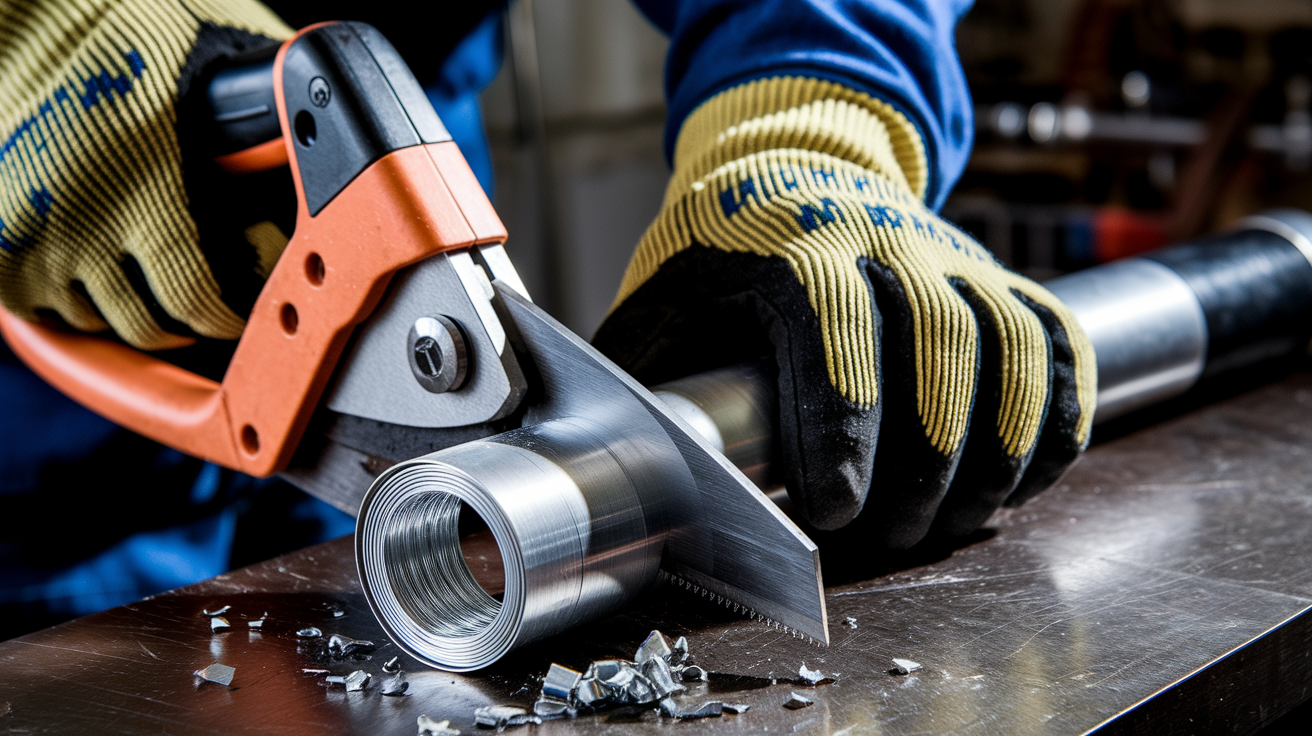
Anode rods can be safely cut to length if they’re too long for the tank, which is particularly common with 30 gallon and low boy 40 gallon models.
Here’s how to cut them correctly: use a hacksaw to cut through the sacrificial metal coating and steel core wire, measure twice before cutting, and cut from the bottom (non threaded) end to preserve the hex head attachment. The steel core wire runs through the center of the aluminum or magnesium coating, so you’re cutting through both layers. It takes a few minutes with a standard hacksaw. The metal isn’t hardened steel. It cuts clean.
Don’t cut rods too short. They should still run most of the tank height for effective protection. Slight variations of 2 to 4 inches shorter than tank height are acceptable and won’t significantly impact protection. You’re aiming for coverage, not precision. A rod that’s 40 inches in a 44 inch tank is fine. A rod that’s 30 inches in that same tank is leaving the bottom section exposed to corrosion.
Magnesium, Aluminum, and Zinc: Choosing the Right Anode Rod Material
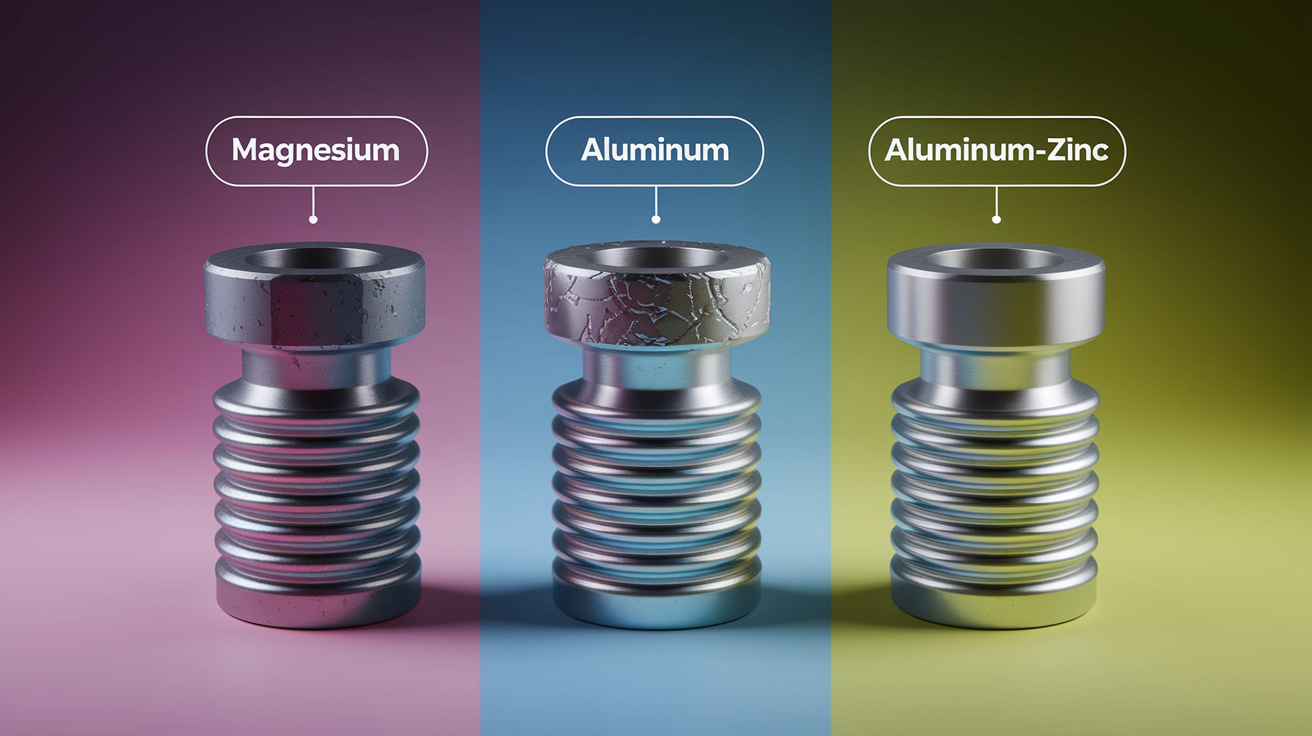
Anode rods come in three primary materials: magnesium, aluminum, and zinc (aluminum zinc alloy). Each one is suited to different water conditions. Water chemistry, including mineral content, hardness level, and treatment, significantly impacts which anode material performs best and how long it lasts. This isn’t about brand preference. It’s about matching the rod to what’s actually in your water.
| Material | Best For | Characteristics |
|---|---|---|
| Magnesium | Normal/soft water conditions | Most reactive, corrodes faster, provides strong protection, rounded bump on hex head |
| Aluminum | Hard water (high mineral content, scaling, staining) | Slower corrosion rate, expands as it corrodes, adds to sediment, flat hex head |
| Aluminum-Zinc | Sulfur smell in well water, softened water systems | 1/10 zinc content, reduces sulfur bacteria interaction, prevents rotten egg smell |
Material selection for water conditions breaks down like this: magnesium for normal or soft water, aluminum for hard water conditions (high mineral content, scaling, staining), and aluminum zinc alloy for sulfur smell issues in well water systems, especially homes with water softeners where magnesium rods interact with sulfur bacteria. That sulfur smell (rotten egg odor from hot water taps) means you’ve got the wrong rod for your water chemistry.
Very hard water can actually extend tank life to 39 years or more because calcium carbonate plates over exposed steel, providing additional protection. The minerals form a protective barrier that slows corrosion even after the anode is mostly consumed. Calcium buildup on anodes brushes off easily and isn’t actual corrosion. It looks crusty and feels chalky, but it’s just mineral deposits. Passivation occurs when a heavy calcium carbonate coating prevents the anode from functioning properly. You can test for this by bending the rod slightly to check if the coating flakes off. If it cracks and falls away in chunks, the rod isn’t making good electrical contact with the water anymore.
Water softened to zero hardness causes excessive anode consumption. Soften to approximately 100 ppm hardness to balance mineral reduction with anode preservation. Salt softened water is aggressive. It attacks anodes up to three times faster than hard water.
Aluminum rods expand as they corrode, contributing to sediment buildup in the tank bottom. That sediment can affect heating efficiency, especially on gas models where it insulates the tank bottom from the burner flame.
Never mix magnesium and aluminum rods in the same tank. They react and cause rapid magnesium corrosion. If your tank has two rod ports and you’re replacing both, use the same material in both locations. Aluminum anode rods should not be used for drinking or cooking water due to potential health concerns. If your hot water supplies taps used for consumption, stick with magnesium or aluminum zinc.
Magnesium rods have a rounded bump on the hex head top. Aluminum rods have flat hex heads. Rheem heaters always use magnesium rods as original equipment, though you can replace them with aluminum if your water conditions call for it.
Essential Tools, Safety Steps, and Troubleshooting for Anode Rod Installation
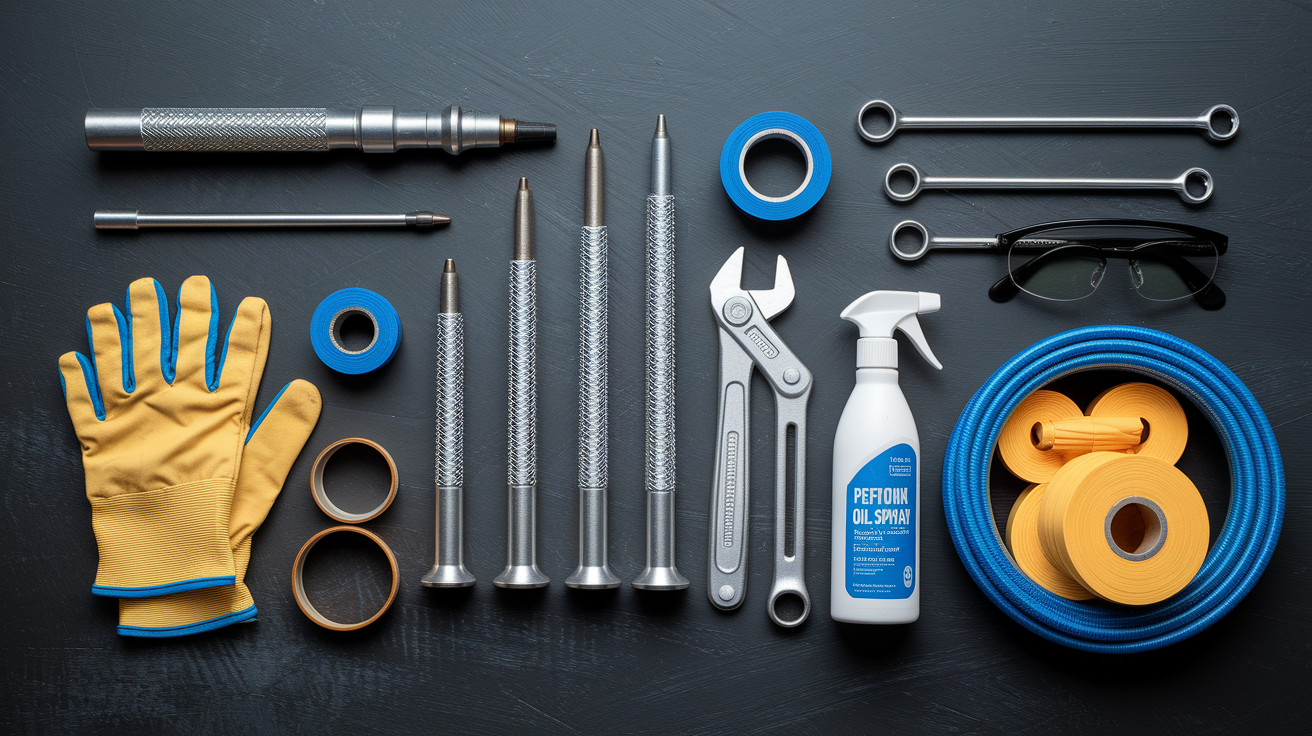
Proper tools and safety steps matter before you start trying to unscrew a hex head that’s been sealed in place for years.
Required Tools
You’ll need these items before you start: 1 1/16 inch socket (most common) or adjustable socket set (3/4″ to 1 1/16″), breaker bar or impact wrench for tight hex heads, pipe wrench or strap wrench to stabilize tank, Teflon tape or pipe thread sealant, garden hose for draining (if needed), penetrating oil for stuck hex heads, safety glasses and work gloves. Optional: cheater pipe for additional leverage.
Safety Steps
Follow these steps in order:
- Turn off power supply (circuit breaker for electric) or gas valve
- Shut off cold water supply to tank
- Relieve tank pressure by opening hot water faucet
- Allow water to cool if recently heated (prevent scalding)
- Have second person stabilize tank during hex head removal to prevent tipping
Anode rods are often extremely tight, especially on newer tanks. The threads are sealed to prevent leaks, and years of heat cycling can practically weld the connection. You may need significant force with a breaker bar.
Common Problems and Troubleshooting Solutions
Here’s how to handle the issues that come up most often:
Stuck or frozen hex head: Apply penetrating oil 24 hours before removal, use breaker bar with cheater pipe for leverage, have helper stabilize tank. Don’t just muscle it. Let the oil work first.
Leaking after installation: Remove rod, add fresh Teflon tape (3 to 5 wraps clockwise), ensure hex head seats fully without cross threading. The threads should turn smoothly by hand for the first few rotations.
Rod too short after cutting: Install anyway if within 6 inches of ideal length, or order correct factory length for optimal protection. A slightly short rod still protects most of the tank.
Cannot identify anode location: Check owner’s manual, probe hot water outlet for combo rod, look for 3/4″ to 1 1/16″ hex head on tank top. It’s there. Sometimes under insulation.
Combo anode confusion: Replacement requires both hex rod AND combo rod (hot water outlet). Combo rods have steel sleeve under plastic coating extending nearly to bottom.
Combo anode systems trip people up. The electrical connection runs through the nipple to the tank, and both components must be replaced together for complete protection. You can’t just swap the hex head rod and call it done. The combo rod in the hot water outlet is doing half the work.
If the hex head won’t budge after reasonable attempts, call for professional help. Excessive force can damage tank threads or crack the tank top, turning a $40 maintenance job into a $1,200 heater replacement.
When to Inspect and Replace Your Water Heater Anode Rod
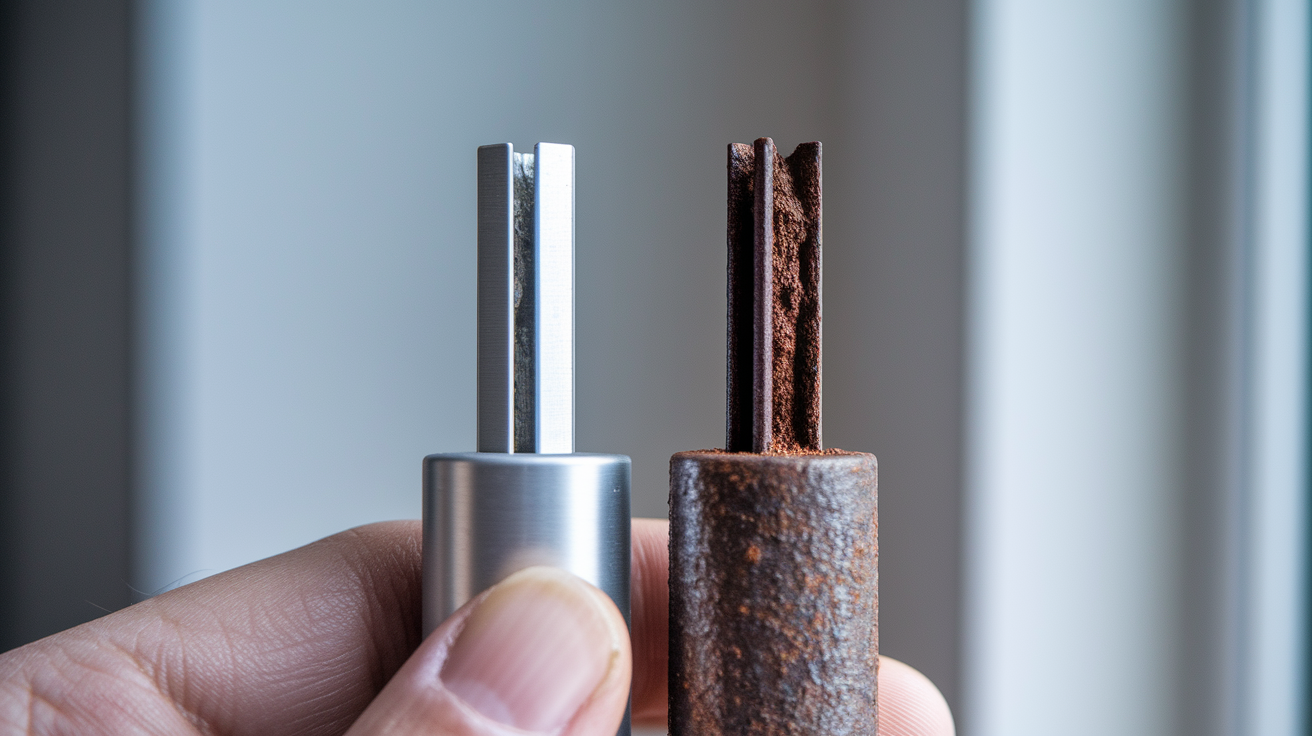
Baseline inspection intervals are every 4 years for normal water conditions, every 2 years with water softeners. Salt softened water consumes anodes up to three times faster than hard water calcium, requiring more frequent inspection and replacement. That’s not a suggestion. Softened water is aggressive, and if you’re checking every four years like a standard setup, you’re going to find bare wire and an already corroding tank.
Visual Replacement Indicators
When you pull the rod out for inspection, look for these signs: exposed core wire visible on more than 50% of rod length, 6 or more inches of bare wire at top or bottom sections, rod diameter reduced to less than 3/8 inch (half original size), heavy calcium buildup that won’t brush off (passivation), or complete deterioration with only wire remaining.
The inspection process is straightforward: remove the rod, examine for remaining sacrificial metal coating along the steel core wire, and assess whether enough material remains to justify reinstallation versus replacement. If you’ve still got sacrificial metal coating most of the way up and down, put it back in. If it’s mostly bare wire, it’s done.
Warning Signs Between Inspections
You don’t have to wait for a scheduled inspection if you notice these issues: rotten egg or sulfur smell from hot water (magnesium rod interaction), rusty or discolored hot water, decreased water temperature or inconsistent heating, popping or rumbling sounds from tank, visible rust or corrosion around tank top, or tank age approaching 4 to 6 years without anode inspection.
The sulfur smell issue happens when magnesium rods interact with sulfur bacteria in well water, especially in homes with water softeners. The bacteria feed on the hydrogen that magnesium rods produce. The solution is replacing magnesium with an aluminum zinc alloy rod. The zinc disrupts the bacterial process without eliminating the corrosion protection.
Installing a new anode in an already corroded tank (bare wire condition) provides minimal benefit. The new rod will be consumed rapidly trying to protect steel that’s already compromised. If you’re pulling out a rod that’s been bare wire for a year or more, and you’re seeing rusty water or tank corrosion, you’re probably looking at replacement rather than repair. The anode can no longer adequately protect the tank, and delayed replacement risks permanent tank corrosion requiring full heater replacement.
Where to Buy Anode Rods and What to Expect for Cost

Common purchasing sources include home improvement stores (Lowe’s, Home Depot), plumbing supply shops, manufacturer specific parts dealers, and online retailers. Most home improvement stores stock standard 44 inch magnesium and aluminum rods. For flexible rods, aluminum zinc alloy, or uncommon lengths, you’ll probably order online.
Pricing breaks down like this: standard rigid anode rods typically cost $20 to $40, flexible or segmented rods range $40 to $70, and aluminum zinc alloy rods cost $30 to $50. Professional installation adds $100 to $200 to the total cost, depending on access difficulty and local labor rates.
While the 3/4 inch diameter is universal for residential heaters, checking the owner’s manual or manufacturer website ensures material compatibility. This matters particularly for brands like Rheem that exclusively use magnesium rods as original equipment. You can switch materials if your water calls for it, but knowing what came out helps you make an informed decision about what goes back in.
DIY is feasible for homeowners comfortable with basic plumbing tasks and who have proper tools. You’re unscrewing one threaded fitting and screwing in another. Professional installation makes sense for difficult to access heaters (tight crawl spaces, crowded utility closets) or when the hex head is extremely tight and you don’t want to risk damaging the tank.
Powered and Impressed Current Anode Rods for Commercial Water Heaters
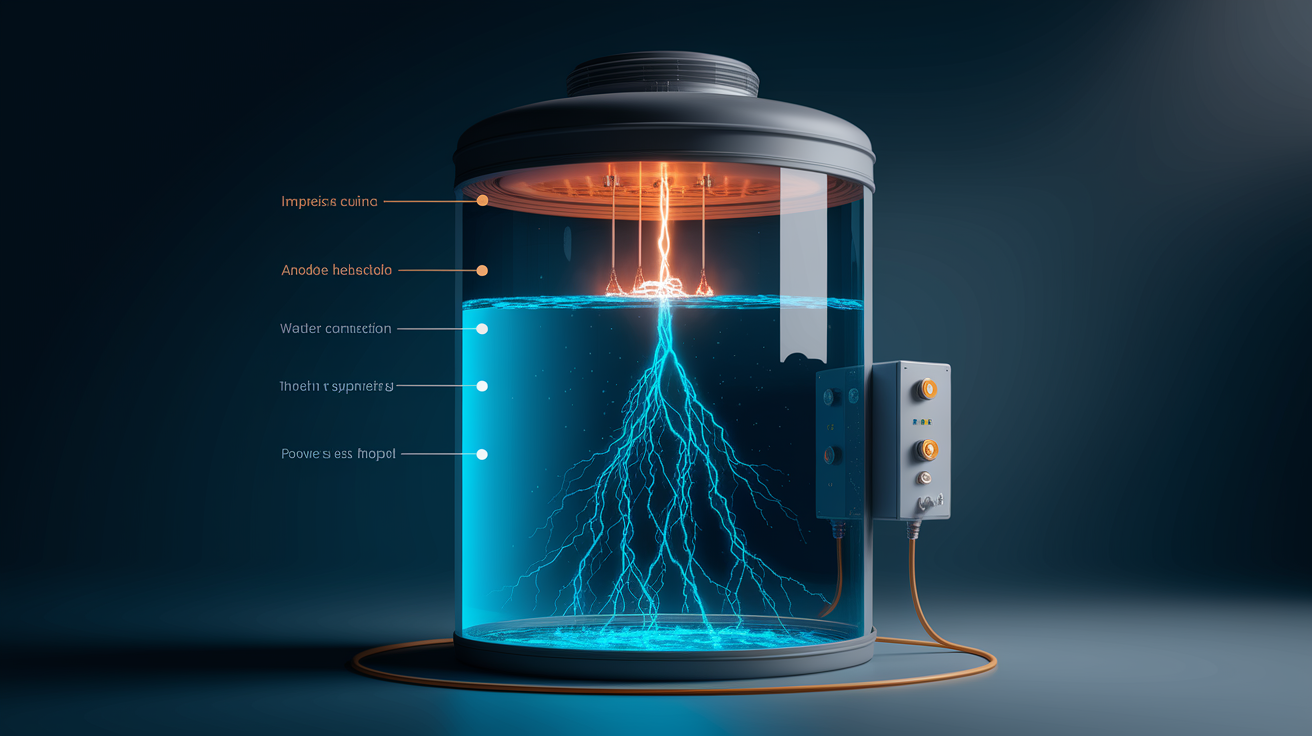
While standard sacrificial anode rods are consumable components that corrode away over time, powered or impressed current anode rods use electrical current to provide continuous corrosion protection without material depletion. They’re essentially reversing the electrochemical process, forcing current through the water to protect the steel tank.
Impressed current rods for commercial installations require periodic cleaning but never need replacement throughout the water heater’s lifetime. That makes them cost effective for high volume commercial applications where replacing sacrificial rods every few years becomes expensive when you’re managing multiple large tanks. The rods do need cleaning to remove mineral buildup that can insulate them from the water, but that’s basic maintenance compared to full replacement.
Multiple rod systems in residential heaters work differently. 12 year warranty models often include two sacrificial rods (one hex head rod and one combination anode on the hot water outlet) to extend tank protection and justify the extended warranty. Both rods corrode normally. There’s just more sacrificial metal total, spreading the protection load.
Powered anodes are becoming available for residential retrofit but remain less common than traditional sacrificial rods. Cost is the main barrier. A powered anode system runs several hundred dollars versus $30 for a standard replacement rod.
How Tank Capacity Affects Anode Rod Performance and Lifespan
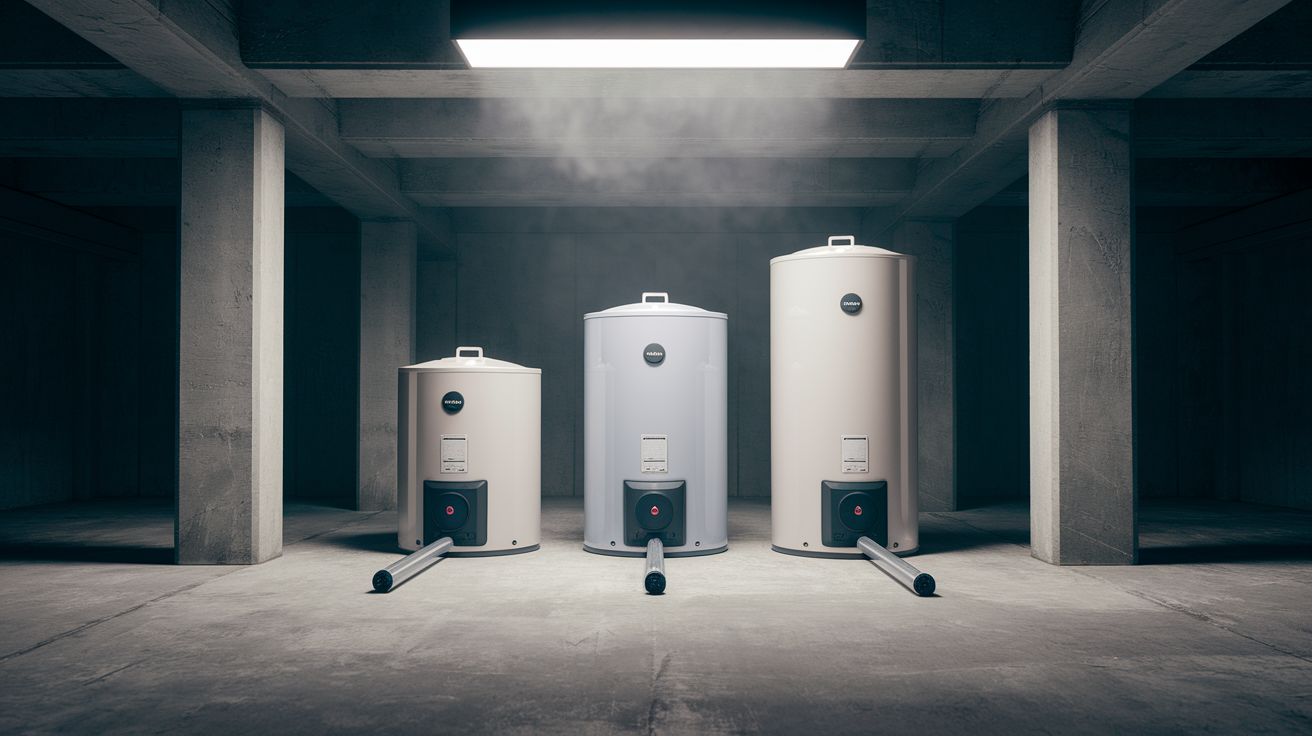
Tank capacity directly impacts how effectively a single anode rod protects against corrosion, since the same size rod must protect different amounts of interior tank surface area. A standard 3/4 inch diameter, 44 inch anode rod in a 20 gallon tank is protecting maybe 8 to 10 square feet of interior steel. That same rod in a 50 gallon tank is trying to protect 14 to 16 square feet. The math matters.
20 to 30 gallon tanks typically outlast 40 to 50 gallon tanks because the standard anode rod protects less total surface area in smaller tanks, meaning the sacrificial metal lasts proportionally longer. It’s the same amount of aluminum or magnesium doing less work. A 30 gallon tank can easily hit 12 to 15 years with one or two anode replacements. A 50 gallon tank with the same maintenance schedule might make it to 10 years.
Larger residential and commercial tanks (anything above 50 gallons) may benefit from two anode rods to provide adequate protection across the larger interior surface. Some manufacturers install dual rods as standard equipment on larger capacities for exactly this reason.
Multiple rods are common in 12 year warranty models as a strategy to extend tank life. The warranty isn’t magic. It’s extra sacrificial metal and sometimes thicker tank steel. Both rods need inspection and replacement on the same schedule. Don’t assume that because you’ve got two rods you can ignore them twice as long.
Final Words
Getting the right anode rod length for your water heater comes down to measuring your tank height, checking overhead clearance, and matching the rod to your water conditions.
Most 40-50 gallon tanks use the standard 44-inch rod. Smaller tanks or tight spaces might need shorter or flexible options.
Whether you’re cutting a rod to fit, choosing between magnesium and aluminum, or deciding if you can handle the install yourself, the goal stays the same: protect your tank from the inside out.
Check your anode every few years. A $30 part and an hour of work can add years to your water heater’s life.
FAQ
Does the length of an anode rod matter?
The length of an anode rod matters because the rod should run nearly the full height of your tank, ending just 2-4 inches shorter than the internal tank height for complete corrosion protection across the entire interior surface.
Can an anode rod be cut shorter?
An anode rod can be cut shorter using a hacksaw if it’s too long for your tank, which is common with 30-gallon and low-boy 40-gallon models. Cut from the bottom end to preserve the hex head threads, but don’t cut the rod so short it can’t protect most of the tank height.
How do I know what size anode rod to buy?
To know what size anode rod to buy, measure your tank height from base to top (not including insulation), then select a rod length 2-4 inches shorter than that measurement. Standard 40-50 gallon tanks typically use 44-inch rods, while 30-gallon tanks need 42-inch rods and low-boy models need 20-inch rods.
How much does a plumber charge to change an anode rod?
A plumber typically charges $100-200 for labor to change an anode rod, plus the cost of the rod itself which ranges from $20-70 depending on type. Total professional replacement costs usually run $120-270 including parts and labor.
What is the standard diameter for residential water heater anode rods?
The standard diameter for residential water heater anode rods is 3/4 inch, which is universal across all residential tank models. This consistent sizing simplifies replacement, though hex head socket sizes vary from 3/4 inch to 1-1/16 inch.
What are flexible anode rods and when should I use them?
Flexible anode rods (link-anodes) are segmented rods with small hooked-together links that bend during installation, allowing replacement in tight spaces with as little as 10-12 inches of vertical clearance. Use these when your basement, attic, or closet installation doesn’t have enough overhead room to remove a standard rigid rod.
How often should I inspect my water heater anode rod?
You should inspect your water heater anode rod every 4 years under normal water conditions, or every 2 years if you have a water softener. Salt-softened water consumes anodes up to three times faster than hard water, requiring more frequent inspection.
When should I replace my anode rod instead of reinstalling it?
You should replace your anode rod when more than 50% shows exposed core wire, when 6 or more inches of bare wire appears at top or bottom, or when diameter shrinks below 3/8 inch (half the original size). If only bare wire remains, replacement provides minimal benefit as the new rod will corrode rapidly.
Should I use magnesium or aluminum anode rods?
You should use magnesium anode rods for normal or soft water conditions and aluminum rods for hard water with high mineral content, scaling, and staining. For sulfur smell issues in well water systems with softeners, use aluminum-zinc alloy rods instead of magnesium.
Can I mix magnesium and aluminum anode rods in the same tank?
You cannot mix magnesium and aluminum anode rods in the same tank because they react with each other, causing the magnesium rod to corrode rapidly and fail. Always use the same material type when replacing multiple rods.
What is a combination anode rod?
A combination anode rod attaches to the hot water outlet pipe nipple instead of a dedicated hex head port and extends 3-6 inches down into the tank. These require replacement of both the hex rod and combo rod together for complete tank protection.
Do smaller water heater tanks last longer than larger ones?
Smaller water heater tanks typically last longer than larger ones because the same-size anode rod protects less interior surface area in 20-30 gallon tanks compared to 40-50 gallon models. The sacrificial metal lasts proportionally longer when protecting smaller surface areas.
What tools do I need to replace an anode rod?
To replace an anode rod, you need a 1-1/16 inch socket (most common) or adjustable socket set, breaker bar or impact wrench, pipe wrench to stabilize the tank, Teflon tape, penetrating oil for stuck hex heads, and safety glasses and gloves.
Why does my hot water smell like rotten eggs?
Hot water smells like rotten eggs when magnesium anode rods interact with sulfur bacteria in well water, especially in homes with water softeners. Replace the magnesium rod with an aluminum-zinc alloy rod to eliminate the sulfur smell.
Where can I buy replacement anode rods?
You can buy replacement anode rods at home improvement stores, plumbing supply shops, manufacturer-specific parts dealers, and online retailers. Standard rigid rods cost $20-40, while flexible rods range $40-70 and aluminum-zinc alloy rods cost $30-50.