

Ever notice your shower has gone from “wake you up strong” to “barely worth stepping under”? That weak trickle isn’t just annoying. It’s a sign something’s restricting flow somewhere in your plumbing system. Low water pressure shows up in everyday frustrations: pots that take forever to fill, toilets that won’t refill after flushing, washing machines that drag out cycles. The good news is most causes are fixable once you know what you’re dealing with. We’ll walk you through the signs to watch for, simple tests you can run yourself, and what actually fixes the problem for good.
Observable Symptoms That Indicate Low Water Pressure
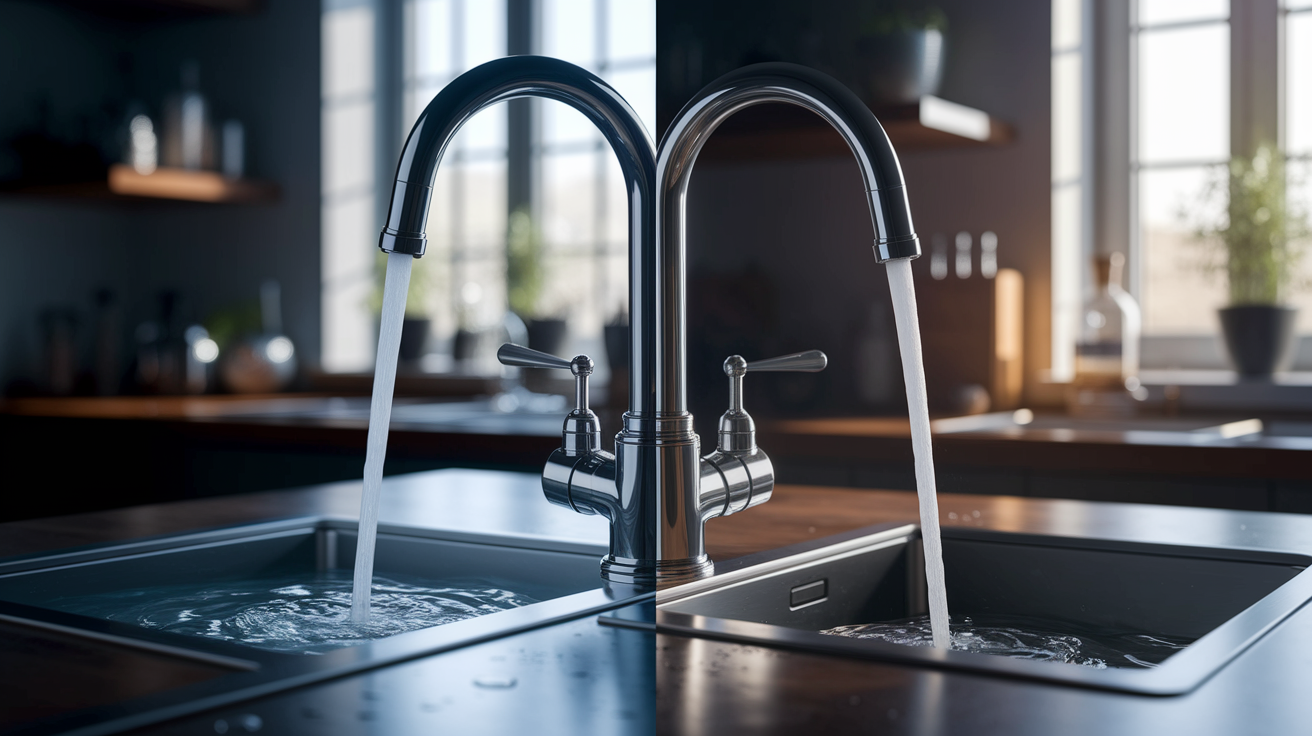
You notice water pressure problems through everyday fixture use. When what used to be a strong, steady stream becomes a weak trickle, or when simple tasks like filling a pot take twice as long as they should, your plumbing is telling you something’s wrong.
Common observable symptoms include:
Weak shower stream. A shower that used to have good pressure now produces a disappointing drizzle instead of a strong, satisfying spray.
Sputtering faucets. Air mixed with water creates a spitting, inconsistent flow when you first turn on a faucet.
Slow filling toilets. The tank takes noticeably longer to refill after flushing, sometimes several minutes instead of under a minute.
Washing machines taking forever. Load cycles extend because the machine struggles to fill, adding 10 to 15 minutes to wash times.
Dishwashers not cleaning properly. Dishes come out with food residue because weak spray arms can’t generate enough force to clean effectively.
Kitchen faucet reduced to a trickle. What should be a solid stream for rinsing dishes becomes frustratingly weak.
Bathtub filling at a crawl. A tub that used to fill in 10 minutes now takes 20 or more.
Refrigerator water dispenser flowing slowly. Filling a glass takes much longer than it used to, sometimes reduced to a thin stream.
These symptoms can show up gradually over months or appear suddenly overnight. You might notice the problem at just one fixture (say, the upstairs bathroom shower) while everything else seems fine. Or you might see weak flow throughout the entire house, affecting every faucet, shower, and appliance at once.
Trust your instincts here. If you think something feels off with your water flow, you’re probably right nine times out of ten. When you find yourself standing there waiting longer than usual for water, or adjusting your routine because fixtures aren’t performing like they used to, that’s your cue to investigate further.
How to Diagnose Low Water Pressure

Guessing won’t solve a water pressure problem. Objective measurement and systematic testing tell you exactly what you’re dealing with, whether it’s a simple fix or something that needs professional attention.
Testing With a Pressure Gauge
A pressure gauge is a small, inexpensive tool (usually under $15) that screws onto an outdoor hose spigot or any threaded faucet connection. You can pick one up at any hardware store or order online. It looks like a round dial with a pressure reading scale, and it gives you hard numbers instead of just a feeling that something’s wrong.
Here’s how to test your water pressure:
- Turn off all indoor fixtures, faucets, and water using appliances
- Attach the pressure gauge to an outdoor hose spigot by screwing it on hand tight
- Open the spigot valve fully and let water flow into the gauge
- Read the PSI number on the dial once it stabilizes
- Record the reading and turn off the spigot
Normal residential water pressure falls between 45 and 80 PSI, with most homes running around 50 to 60 PSI. That range gives you enough force for showers and appliances to work properly without putting excessive stress on pipes and fixtures. If your gauge reads below 40 PSI, you’ve got a definite low pressure problem. Readings above 80 PSI indicate excessive pressure, which can damage fixtures and pipes over time.
Single Fixture vs. Whole House Testing
If only one faucet or showerhead shows weak flow while everything else works normally, you’re looking at a fixture specific issue. The problem sits right there at that location, usually a clogged aerator (the mesh screen at the faucet tip), a worn out cartridge inside the faucet, or a blockage in the supply line feeding just that fixture. This isn’t low system pressure. It’s a restriction at one spot.
When all fixtures throughout your home show consistently weak flow (kitchen, bathrooms, laundry, outdoor spigots, everything) the problem affects your entire plumbing system. The cause involves something bigger: main shutoff valves, the pressure regulator, deteriorating pipes, or the municipal water supply itself. Every faucet and showerhead suffers equally because the restriction sits upstream of all of them.
Try this simultaneous usage test: turn on your kitchen faucet fully, then go turn on a bathroom faucet at the same time. If you notice an immediate, obvious pressure drop at both fixtures, your system can’t maintain adequate pressure when just two things run at once. That points to restricted pipes, an undersized pressure regulator, or inadequate supply pressure.
Water Meter Test for Hidden Leaks
The water meter test catches leaks you can’t see. Turn off every fixture, faucet, appliance, and water using device inside and outside your home. That means faucets, showers, toilets, washing machine, dishwasher, ice maker, outdoor sprinklers, everything. Then go look at your water meter, usually located in a concrete box near the street or in your basement.
Watch the meter dial or digital display for 10 to 15 minutes. If the dial keeps moving or numbers keep changing even though nothing in your house is using water, you’ve got an active leak somewhere in the system. Water is flowing through your pipes and leaving through a crack, failed joint, or damaged section you haven’t found yet.
Hidden leaks often announce themselves through other signs too: unexplained water stains on walls, ceilings, or floors that appear brownish or yellowish; damp or soft spots on floors; mold growth in places that should be dry; and sudden unexplained spikes in your water bill. A small leak running constantly adds up to hundreds or thousands of gallons per month.
Check with your neighbors before going further. Knock on a few doors and ask if they’ve noticed low water pressure too. If multiple households on your street have the same issue, the problem likely originates with the municipal supply (a water main issue, pressure reduction, or city infrastructure problem). If you’re the only one with weak pressure, the issue lives inside your property boundaries and requires home specific troubleshooting.
Root Causes of Low Water Pressure
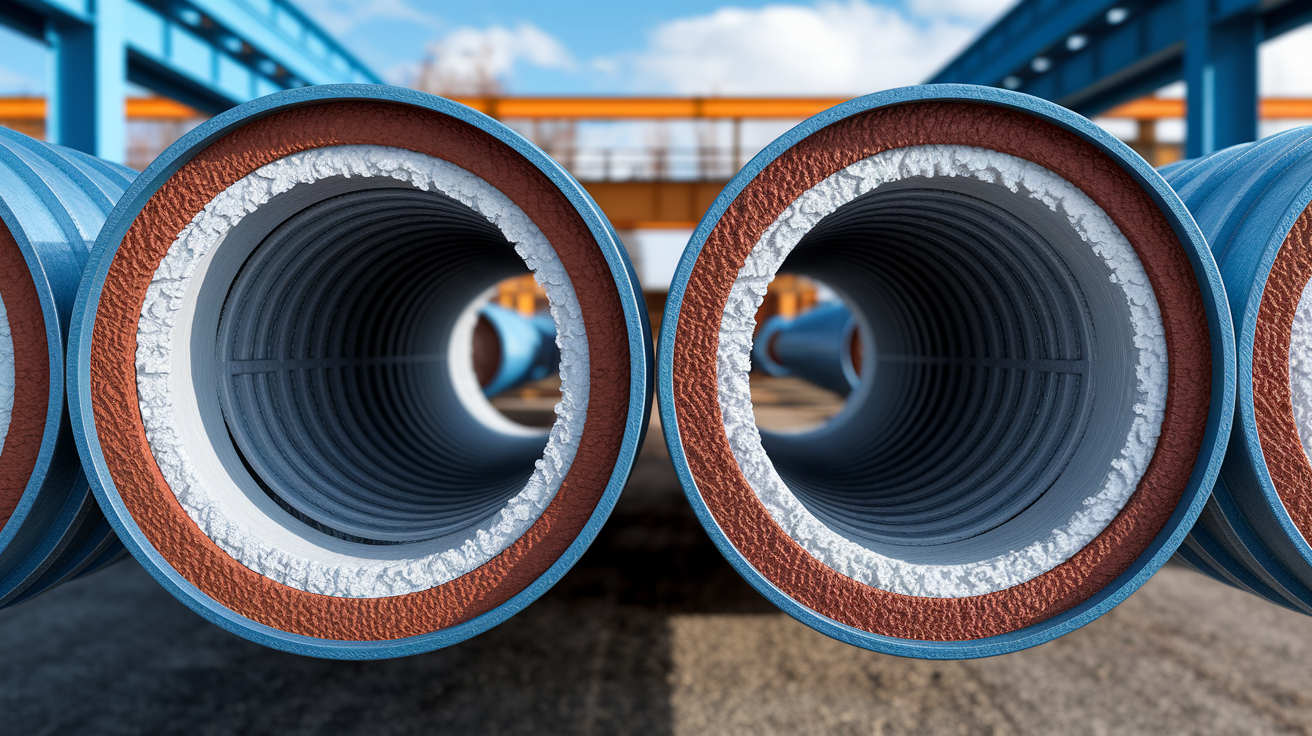
Low water pressure stems from a range of underlying issues. Some simple, some complex. The cause might be a valve turned the wrong way or pipes that have been deteriorating for decades.
Valve and Pressure Regulator Issues
Check your main shutoff valve first. If someone partially closed it during a repair and forgot to open it fully afterward, that alone restricts flow to your entire house. The main valve is usually located where the water line enters your home or near the water meter. It should be turned completely open, parallel to the pipe for ball valves, or turned counterclockwise as far as it will go for gate valves. Individual fixture shutoff valves under sinks can cause the same problem if they’re not fully open.
The pressure regulator (sometimes called a PRV or pressure reducing valve) controls the force of incoming municipal water as it enters your home. It’s typically a bell shaped device located near the main water shutoff valve. When this component fails, symptoms show up throughout your entire plumbing system: pressure that’s suddenly too low (or sometimes too high) everywhere, inconsistent pressure that fluctuates without explanation, sudden drops when multiple fixtures run simultaneously, and banging noises in pipes called water hammer. A failing regulator can gradually lose its ability to maintain steady pressure, or it can fail abruptly and drop pressure to nearly nothing.
Mineral Deposits and Hard Water Accumulation
Hard water contains dissolved minerals, primarily calcium and magnesium, along with some iron in certain areas. These minerals don’t stay dissolved. They cling to the inside surfaces of pipes, forming a crusty layer that gradually narrows the passage and restricts water flow. Think of it like cholesterol buildup in arteries. Over years and decades, the space inside your pipes shrinks as minerals accumulate layer by layer.
The visible signs show up first at fixtures: white crusty deposits on faucet aerators and around the base of showerheads, buildup around fixture connections, and spray patterns that get weaker and more irregular. Unscrew an aerator and you’ll see the mesh screen caked with white or tan deposits. Mineral accumulation doesn’t just affect fixtures. It coats the entire inside surface of every pipe in your system.
Galvanized steel and iron pipes suffer the worst accumulation. These older pipe materials (common in homes built before the 1970s) develop thick internal layers of mineral scale combined with rust and corrosion. The interior diameter shrinks dramatically over time.
A water softener installation removes excess calcium and magnesium before water enters your plumbing system. It protects pipes from further mineral buildup, extends water heater life, and keeps faucets and showerheads free of clogs. It’s a long term prevention strategy that stops the problem from getting worse.
Corroded and Aging Pipes
Galvanized steel pipes in homes more than 30 years old cause some of the worst pressure problems. These pipes, common in houses built from the 1950s through the 1970s, corrode from the inside out. Rust and scale buildup develop on the interior walls, narrowing the diameter year after year. What started as a ¾ inch pipe might end up with only ¼ inch of open space for water to flow through. The process takes decades, which is why pressure problems often appear gradually in older homes until the restriction becomes severe enough to notice.
Iron pipes develop similar internal corrosion and mineral scale accumulation. Older copper pipes aren’t immune either, especially in hard water areas where mineral deposits coat the interior surfaces. Deteriorating pipe joints and connections can also restrict flow or leak, stealing pressure before water reaches its destination.
The problem is completely invisible from the outside. Pipes look fine on the exterior while their interiors have become heavily restricted or corroded. You don’t see the damage until you cut a section open or experience the symptoms of reduced flow throughout your home.
Hidden Leaks in the System
Even small leaks steal water pressure. Water that should reach your faucets and showers escapes through cracks, failed joints, or damaged pipe sections before it gets there. The system never builds full pressure because water constantly drains away.
Leaks hide behind walls, under floors, in crawl spaces, at pipe joints and connections, and in buried supply lines running from the street to your house. They’re positioned where you can’t see them during normal daily routines.
Detection signs include unexplained water stains (brownish, yellowish, or tan marks on walls and ceilings); damp or soft spots on floors; mold growth in unexpected locations; musty odors that suggest hidden moisture; and water bills that jump without explanation. A slow leak running 24/7 wastes hundreds of gallons per month and gradually worsens as the damaged area expands.
Clogged Aerators and Fixture Obstructions
Aerators are mesh screens screwed onto faucet tips that mix air with water for a smooth, splash free flow. They catch mineral deposits, sediment, and debris. When they clog with calcium buildup and particles, flow at that fixture drops to a trickle even though system pressure measures normal on a gauge. The same thing happens to showerheads. Minerals and sediment accumulate in the small openings until water barely comes through.
Check whether your low pressure problem affects neighbors too. If multiple homes on your street have the same issue simultaneously, the cause sits with the municipal water supply, possibly a water main problem, planned pressure reduction, or city infrastructure work. If you’re the only household with weak pressure, the issue belongs to your home’s plumbing and requires property specific diagnosis and repair.
Water Heater Problems and Hot Water Pressure Loss

You can identify hot water only pressure loss by testing both temperatures at the same fixture. Turn on the cold water and note the pressure, then switch to hot. If cold flows strong but hot comes out weak, your water heater is the problem.
Sediment buildup inside the water heater tank is the most common culprit, especially in units over 10 years old. Minerals, calcium, and sediment particles settle at the bottom of the tank, layer after layer, year after year. Eventually, this accumulated material restricts water flow through the tank and reduces hot water pressure throughout your entire home. The water heater works harder to push water through all that settled sediment, but pressure drops anyway.
Corroded water heater pipes and connections can also restrict hot water flow. The dip tube that carries incoming cold water into the tank can deteriorate. The hot water outlet pipe can develop internal corrosion and mineral scale. Connections and fittings can narrow with buildup or fail over time.
An annual water heater flush removes sediment buildup before it becomes severe. You drain several gallons from the tank through the drain valve at the bottom, carrying accumulated sediment out with the water. This preventative maintenance step keeps hot water flowing at proper pressure and extends the life of the unit.
Sediment buildup forces your water heater to work harder and run longer, increasing energy bills even before you notice pressure symptoms. The heating elements or burner have to push heat through layers of insulating sediment to warm the water above it, an inefficient process that costs more every month.
Quick DIY Fixes for Low Water Pressure

Tackle the easy solutions first. Simple fixes rule out common causes and sometimes solve the problem completely without requiring professional help.
Try these steps in order:
- Check all shutoff valves. Make sure your main water shutoff valve is fully open (turned parallel to the pipe or counterclockwise all the way), and check individual fixture shutoff valves under sinks and behind toilets to confirm they’re completely open too.
- Clean faucet aerators. Unscrew the aerator from each affected faucet tip, rinse out debris, and soak in vinegar if you see white mineral buildup.
- Soak showerheads overnight. Remove the showerhead, submerge it in white vinegar in a bowl or plastic bag, and let it sit 8 to 12 hours to dissolve mineral deposits.
- Test flow without aerators. After removing aerators, run water through the faucet to see if pressure improves. This tells you whether the aerator was the problem.
- Clean washing machine inlet screens. Unscrew the hoses from the back of the washing machine and check the small mesh screens inside the connections for debris and sediment.
- Replace refrigerator water filters. Old filters restrict flow; swap in a fresh filter every six months or according to manufacturer recommendations.
Here’s the detailed aerator cleaning procedure: unscrew the aerator by hand (turning counterclockwise) or use pliers if it’s tight. Wrap a cloth around it first to protect the finish. Remove the rubber washer if one’s present, and set it aside. Turn on the faucet briefly without the aerator attached to flush out any loose debris in the line. Inspect the aerator for damage, cracks, or heavy white mineral buildup. If buildup is heavy, soak the aerator in white vinegar for several hours or overnight. Rinse it thoroughly, then reattach it (or replace it if damaged).
The vinegar soaking method works because vinegar’s acidity dissolves calcium and magnesium deposits. You’ll see the white crusty buildup soften and break apart. For showerheads, fill a bowl with enough white vinegar to submerge the head completely, or secure a plastic bag filled with vinegar around the showerhead while it’s still attached to the pipe. Either way, the longer soak time gives the vinegar a chance to work through all the small openings and passages.
When DIY fixes don’t resolve the pressure issue, you’re dealing with deeper problems. Failing pressure regulators, corroded pipes, hidden leaks, or water heater issues. That’s when professional diagnosis becomes necessary to identify causes you can’t access or see yourself.
Municipal Supply and Neighborhood Pressure Issues

Check with your neighbors before assuming the problem lives inside your house. Knock on a few doors and ask if anyone else has noticed weak water pressure lately. If multiple homes on your street experience the same issue at the same time, the problem likely originates with the municipal water supply rather than your personal plumbing.
Common municipal supply issues include water main breaks or repairs (which temporarily reduce pressure to entire neighborhoods), planned pressure reductions implemented by the utility company, aging city infrastructure that can’t maintain adequate pressure during high demand periods, and municipal system maintenance or testing. The water utility sometimes reduces pressure intentionally to work on mains, replace valves, or test system capacity.
Peak hour pressure drops happen when neighborhood demand exceeds available supply capacity. During high use periods (typically morning hours when people shower and make coffee, and evening hours when households cook dinner, run laundry, and water lawns) many homes draw water simultaneously. If the municipal system or local water main can’t supply enough volume to meet that combined demand, pressure drops temporarily across all connected homes. The problem usually resolves itself within an hour or two as usage patterns change.
Contact your local water utility to report persistent low pressure or ask about known issues, scheduled maintenance, or recent changes to the system. Most utilities maintain customer service lines and can tell you if work is happening in your area or if other residents have reported similar problems. They may send a technician to test pressure at the street to determine whether the issue originates on their side of the meter or yours.
Municipal supply problems require utility company resolution. They’re outside your control as a homeowner. But confirming a municipal issue saves you from paying for unnecessary plumbing diagnostics or repairs when the actual cause sits with city infrastructure.
When to Call a Licensed Plumber

Some pressure problems need professional expertise, specialized tools, and experience that go beyond homeowner capability. Recognizing these situations prevents wasted time on DIY approaches that won’t work and avoids risks like hidden leaks or system failures getting worse.
Call a licensed plumber when:
Low pressure affects your entire house consistently, not just one fixture.
You experience sudden or drastic pressure drops without explanation.
Only hot water shows low pressure while cold water flows normally.
Unexplained water stains or mold growth appear on walls, ceilings, or floors.
Water pressure is inconsistent or fluctuates unexpectedly throughout the day.
You hear banging noises in pipes (water hammer) when fixtures turn on or off.
Pressure gauge readings show below 40 PSI or above 80 PSI.
Water meter test confirms a hidden leak but you can’t locate the source.
Your home is over 30 years old with original galvanized or iron pipes.
Licensed plumbers have specialized diagnostic tools homeowners can’t access or justify purchasing. Leak detection equipment uses sound or thermal imaging to find hidden leaks behind walls and under floors. Pipe cameras inspect the interior condition of drain and supply lines. Pressure testing devices measure flow rates and identify restrictions at specific points in the system. These tools pinpoint problems that remain invisible during normal observation.
Professional evaluation prevents costly mistakes too. Attempting DIY repairs on complex issues (like replacing a pressure regulator incorrectly or cutting into walls searching for leaks) can worsen problems and increase eventual repair costs. A plumber’s diagnosis tells you exactly what’s wrong before any destructive investigation begins.
Emergency situations like sudden complete pressure loss or visible leaks require immediate professional response. Water damage spreads quickly once it starts. A plumber can shut down affected sections, stop active leaks, and prevent damage to drywall, flooring, and belongings while you wait for permanent repairs.
Final Words
You can spot signs of low water pressure by watching how water moves through your fixtures. Once you recognize the symptoms, you can start testing and ruling out simple causes.
Clean those aerators, check your valves, and test hot versus cold flow. If DIY fixes don’t restore normal pressure, trust that something deeper needs attention.
We’ll track down the real source, fix it correctly, and make sure your pressure stays steady for the long run.
FAQ
How do you know if your water pressure is too low?
You know your water pressure is too low when you notice a weak stream from your showerhead instead of a strong spray, faucets that dribble or sputter, toilets that fill slowly, or appliances like dishwashers and washing machines taking longer than usual to complete cycles.
How do I fix low water pressure in my house?
You fix low water pressure in your house by first checking that all shutoff valves are fully open, cleaning clogged faucet aerators and showerheads, testing with a pressure gauge to measure PSI, and calling a licensed plumber if these simple fixes don’t restore normal flow throughout your home.
What can cause low water pressure all of a sudden?
Sudden low water pressure can be caused by a hidden leak in your plumbing system, a failing pressure regulator, a partially closed main shutoff valve, municipal water main breaks or repairs, or sediment that has broken loose and blocked pipes or fixture connections.
How to regain water pressure in house?
You regain water pressure in your house by ensuring the main shutoff valve is fully open, cleaning mineral deposits from aerators and showerheads, flushing sediment from your water heater if only hot water pressure is low, and having a plumber inspect for hidden leaks, corroded pipes, or regulator failure.
What is normal water pressure for a house?
Normal water pressure for a house ranges from 45 to 80 PSI when measured with a pressure gauge, with most homes operating comfortably between 50 and 60 PSI. Readings below 40 PSI indicate a definite low pressure problem requiring attention.
Why is my hot water pressure low but cold is fine?
Your hot water pressure is low but cold pressure is fine because sediment has built up inside your water heater tank, restricting flow through the unit. This commonly happens in water heaters over 10 years old and typically requires flushing the tank or professional inspection.
Can a clogged aerator cause low water pressure?
A clogged aerator can cause low water pressure at a single faucet while other fixtures maintain normal flow. Mineral deposits accumulate on the mesh screen inside the aerator, restricting water flow. Unscrewing and cleaning or replacing the aerator usually restores pressure to that fixture.
How do you test for hidden leaks causing low pressure?
You test for hidden leaks causing low pressure by turning off all water fixtures and appliances inside and outside your home, then watching your water meter. If the meter dial continues moving or numbers change while everything is off, an active leak exists somewhere in your system.
When should I call a plumber for low water pressure?
You should call a plumber for low water pressure when the problem affects your entire house consistently, you notice unexplained water stains or mold, pressure drops suddenly or drastically, only hot water has low pressure, or your home has galvanized pipes over 30 years old.
Does hard water cause low water pressure?
Hard water causes low water pressure over time as calcium and magnesium minerals cling to the inside surfaces of pipes, gradually narrowing the passage and restricting flow. This problem worsens over years and becomes especially noticeable in older homes with galvanized or iron pipes.
Can a bad pressure regulator cause low water pressure?
A bad pressure regulator can cause low water pressure throughout your entire house, along with inconsistent pressure that fluctuates, sudden drops when multiple fixtures run simultaneously, and banging noises in pipes called water hammer. The regulator is typically located near your main water shutoff valve.