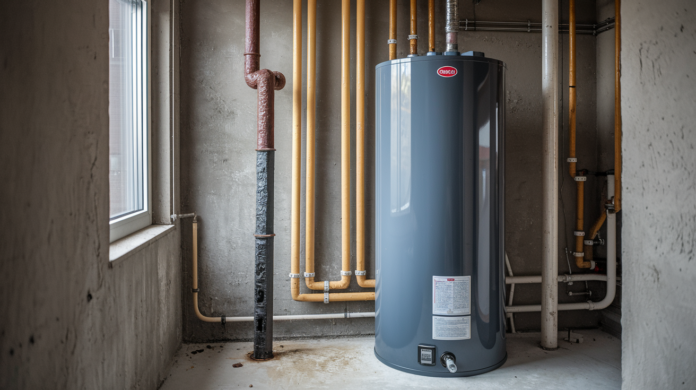

Most water heater owners don’t know there’s a metal rod inside their tank that’s designed to corrode and fall apart. It sounds backwards, but that rod is what keeps your water heater from rusting out years early. It’s called a sacrificial anode, and when it wears down completely, your steel tank starts corroding from the inside. That’s when you’re looking at leaks, water damage, and full tank replacement instead of a simple part swap. Here’s what that rod actually does, how to tell when it’s done its job, and how to replace it before your tank starts failing.
What a Sacrificial Anode Rod Is and How It Works

A sacrificial anode rod is a long metal component made of magnesium, aluminum, or zinc that’s installed inside your water heater tank. The rod extends down from the top of the tank into the water, where it does one job: corrode so your tank doesn’t have to. It’s basically a bodyguard for your steel tank, taking all the hits from corrosive elements in the water.
The rod works through an electrochemical process called cathodic protection. When water enters your tank, it carries iron particles, limestone, dissolved minerals, and other corrosive materials. The sacrificial metal in the anode rod is more chemically active than the steel tank, so those corrosive particles attach to the anode instead of the tank walls. The rod literally attracts rust and corrosion to itself.
Over time, the anode rod deteriorates. It breaks down, becomes thinner, and eventually wears away to almost nothing. That’s exactly what it’s supposed to do. While the rod corrodes, your steel tank stays protected and intact.
Without a functioning anode rod, your water heater tank will start rusting from the inside out. Once the tank itself begins corroding, you’re looking at leaks, water damage, and full tank replacement. Regular anode maintenance can extend a water heater’s life from a typical 6 to 8 years up to 10 to 20 years.
Anode Rod Material Types and Water Condition Compatibility
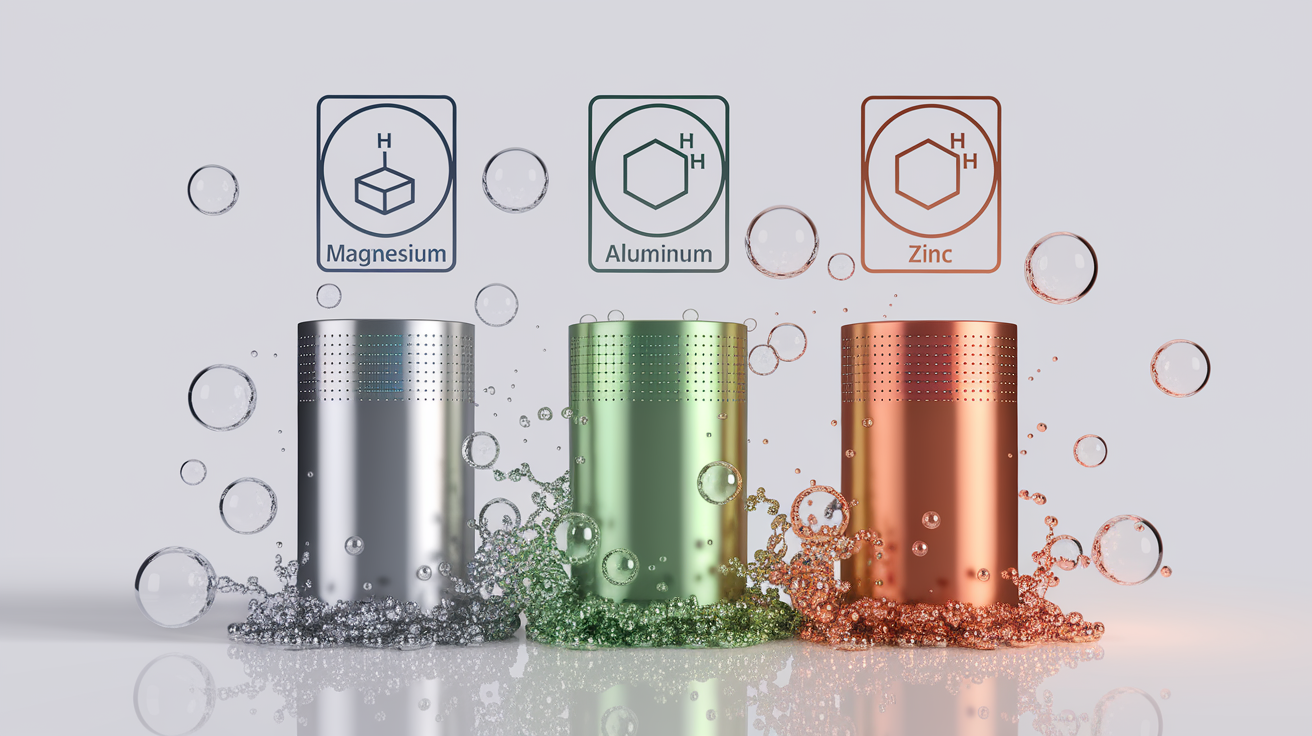
Different anode materials react differently to your water chemistry. The type you choose affects how long the rod lasts, whether you’ll deal with odor problems, and how well it protects your tank.
Magnesium Anode Rods
Magnesium is the standard material for most residential water heaters with normal water conditions. It corrodes faster than other materials, which means it provides aggressive protection for your tank. But magnesium corrodes especially quickly in soft water, sometimes wearing out in under two years. When magnesium breaks down, it can react with sulfites naturally present in water to create hydrogen sulfide gas. That gas produces the distinctive rotten egg smell some homeowners notice in their hot water. If you have a water softener, magnesium rods may not be your best choice.
Aluminum Anode Rods
Aluminum rods are the most common type available at hardware stores and home centers. They cost less than other materials and work well in a variety of water conditions. Aluminum corrodes more slowly than magnesium in most situations, which can mean longer intervals between replacements. Like magnesium, aluminum can also react with sulfate reducing bacteria and sulfites to produce hydrogen sulfide odor. If you’ve noticed a sulfur smell coming from your hot water, an aluminum or magnesium rod interacting with your water chemistry is likely the cause.
Zinc and Aluminum Zinc Alloy Rods
Zinc or aluminum zinc alloy rods solve the odor problem permanently. These rods don’t interact with bacteria to create hydrogen sulfide, even as they corrode. If you’ve dealt with rotten egg smell in your hot water, switching to a zinc or aluminum zinc rod eliminates that issue while still protecting your tank. These rods are especially effective in homes with soft water or water softener systems, where magnesium rods corrode too quickly.
Selecting the right material depends on your specific water conditions. Hard water with high dissolved mineral content wears down any anode faster, requiring more frequent inspections regardless of material. If you use a water softener, the processed water is more corrosive to magnesium, making zinc or aluminum zinc a better fit. Water with low pH levels also accelerates anode corrosion across all material types. For hard water conditions, plan to inspect your anode annually instead of waiting two or three years. Your water quality directly controls how long any anode rod will last.
When to Replace Your Anode Rod
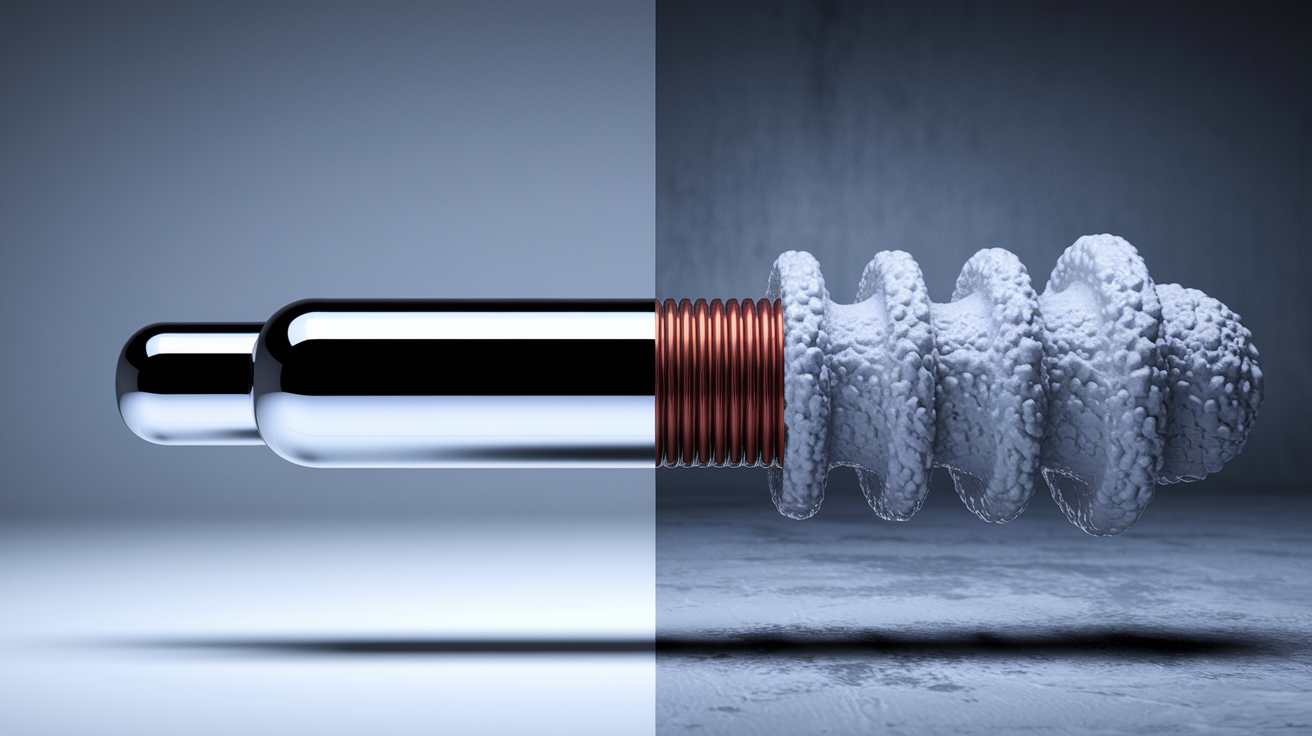
Most manufacturers recommend inspecting your anode rod every one to three years. The general replacement rule is straightforward: when the rod has been consumed more than 50 percent, it’s time for a new one.
Visual inspection at least once per year lets you catch problems before the rod fails completely. You’re looking for specific deterioration markers that tell you the rod is reaching the end of its protective life.
Replace your anode rod when you notice any of these signs:
The rod diameter has been reduced by half or more from corrosion. The core wire (the steel cable running through the center) is exposed in multiple spots. Heavy calcium buildup has encased the rod, limiting its ability to corrode properly. Your hot water comes out discolored, rusty, or brown. A sulfur or rotten egg odor comes from your hot water taps. You hear popping or rumbling sounds coming from the tank.
Letting an anode rod go beyond five years without inspection or replacement risks serious consequences. Once the rod is fully consumed, your steel tank becomes the sacrificial material. Corrosion shifts to the tank walls, which can lead to pinhole leaks, major water damage, or catastrophic tank failure. A corroded tank can’t be repaired. You’ll need full water heater replacement, which costs hundreds to over a thousand dollars more than a 20 to 40 dollar anode rod. The longer you wait past that five year mark, the more likely you’re paying for tank damage that could have been prevented with a simple rod change.
Complete Anode Rod Replacement and Removal Guide
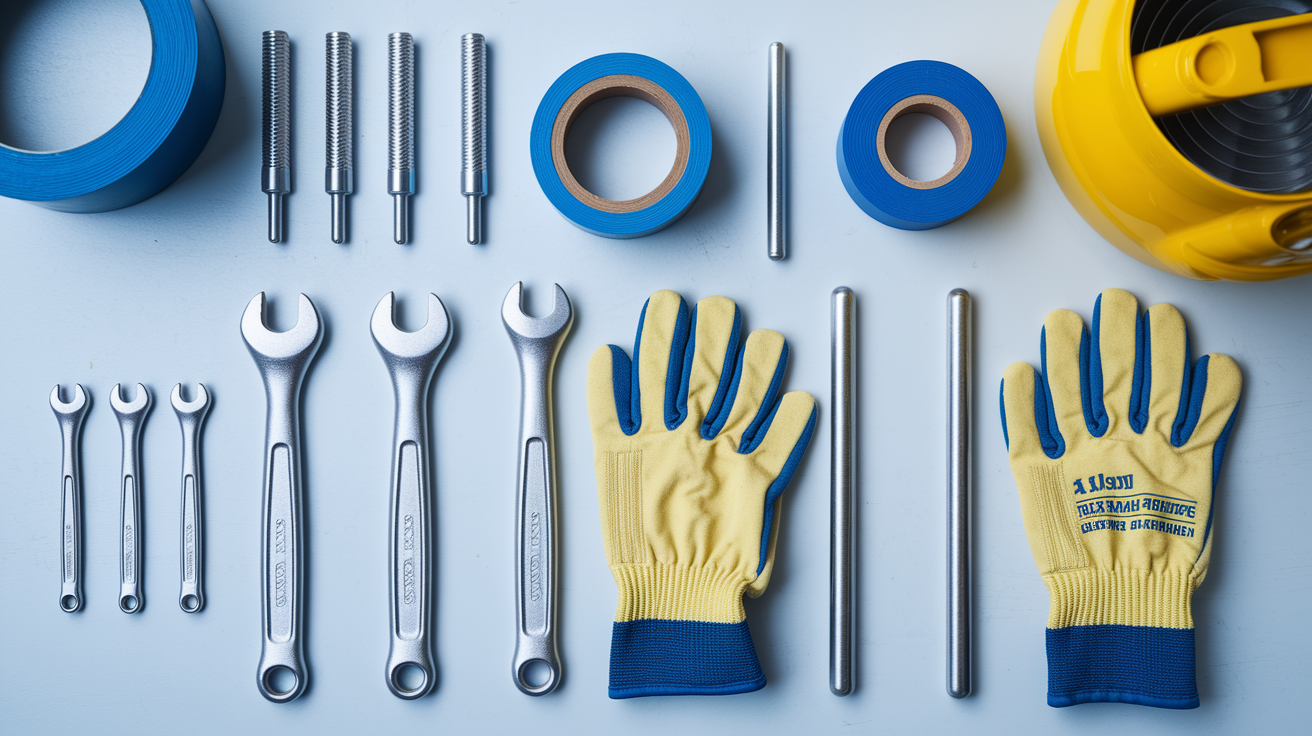
Replacing an anode rod typically takes 30 to 60 minutes once you have the right tools and a clear workspace around the top of your water heater.
Follow these steps for complete anode rod replacement:
Gather your tools and materials: a new anode rod in the correct size, a 1 1/16 inch (27mm) socket, a socket wrench or breaker bar, a pipe wrench, a bucket or garden hose, plumber’s teflon tape, and work gloves.
Turn off the power supply to your water heater. For electric units, flip the breaker. For gas units, turn the control knob to the pilot setting. Then shut off the cold water supply valve feeding the tank.
Connect a hose to the drain valve near the bottom of the tank and run it to a floor drain or outside. Open the drain valve and let three to five gallons drain out. This relieves pressure and prevents water from spraying out when you remove the anode.
Locate the anode rod access point at the top of the water heater. It’s usually marked with a hex head plug, though some models hide it under a plastic cap or a layer of insulation. Remove any covering to expose the hex head.
Fit your 1 1/16 inch socket over the hex head. Apply steady downward pressure while turning counterclockwise. Expect resistance on the first turn. The rod has been sealed in place and may take significant force to break loose. Once it moves, continue unscrewing until you can lift the old rod out.
Wrap the threads on your new anode rod with three to four layers of plumber’s teflon tape. Wind the tape clockwise when looking at the threads from above. This creates a watertight seal and makes future removal easier.
Thread the new rod into the opening by hand, then tighten with your socket wrench. Snug it firmly, but don’t overtighten. Close the drain valve, open the cold water supply, and let the tank refill completely. Check the anode connection for leaks. Once the tank is full, restore power to the unit.
Solutions for Stuck or Seized Anode Rods
Sometimes an anode rod won’t budge, even with proper tools and steady pressure. Try these approaches before calling for help:
Apply continuous, firm pressure with your 1 1/16 inch socket and wrench. Rock the wrench back and forth slightly to break the seal rather than forcing it in one direction. Work gloves give you better grip and protect your hands.
Use a breaker bar or pipe extension on your wrench handle for additional leverage. The extra length multiplies your turning force. Keep pressure controlled to avoid stripping the hex head or cracking the tank threads. Don’t use penetrating oil or lubricants. These products will contaminate your water supply and create health hazards.
An impact wrench delivers short, powerful bursts that can break corrosion bonds without continuous force. If you have access to one, it’s often more effective than manual methods for truly stuck rods.
Stop if you’ve applied significant force without movement or if you notice the hex head rounding off. Continuing risks damaging the tank threads, which would require tank replacement. At this point, call a professional.
If the rod won’t come out because sediment has bonded to it and the tank walls, that usually means the rod is still functional. A stuck rod often has enough material left to keep protecting the tank. Check again in a year rather than forcing it out.
Wear work gloves throughout this process. The tank and rod can stay hot for hours after you shut off the heating element. Never use penetrating oil or other chemical looseners. They contaminate the water supply. If sediment attachment is keeping the rod in place, the rod likely still has protective capacity and doesn’t need immediate replacement.
Flexible vs. Rigid Anode Rod Configurations
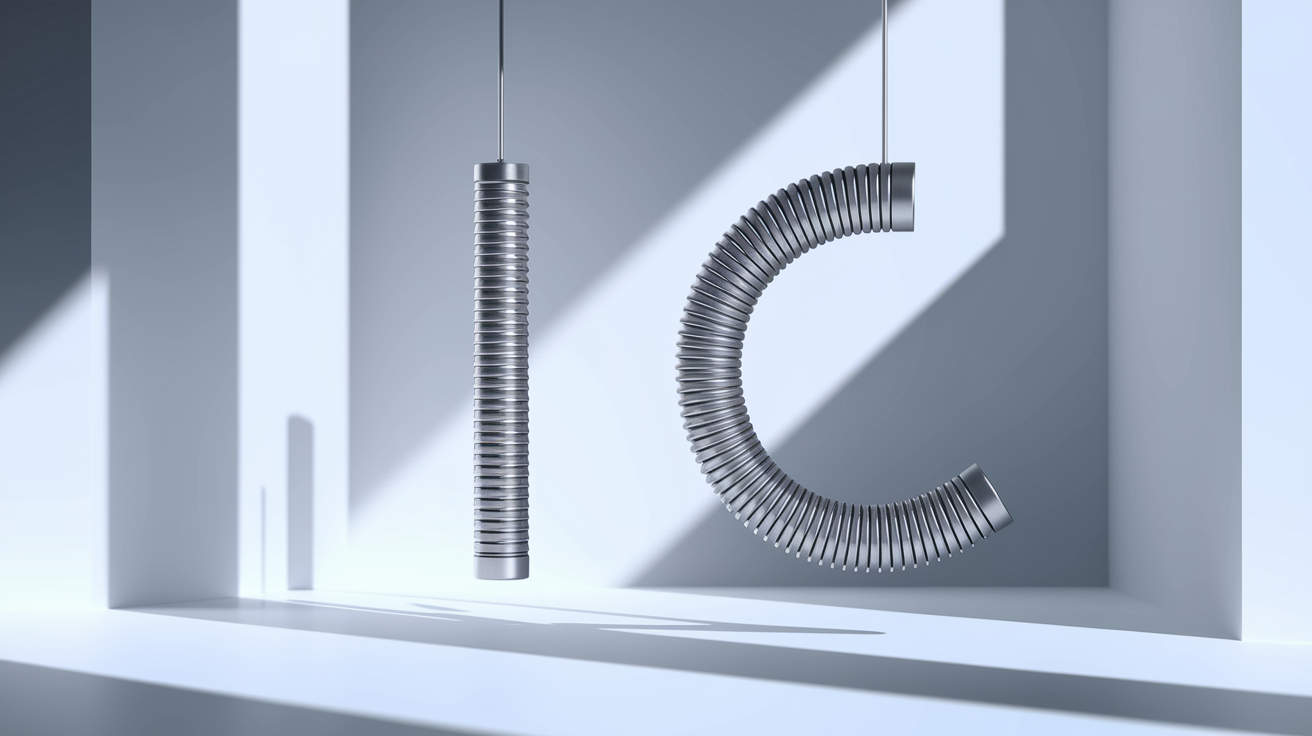
Overhead clearance determines whether you can install a standard rigid anode rod or need a flexible design. Measuring the space above your water heater before you buy saves a return trip to the store.
Rigid anode rods are single solid pieces, typically 40 to 44 inches long for standard residential tanks. To install one, you need enough ceiling clearance to lift the old rod straight out and drop the new one straight down into the opening. If your water heater sits in a basement with low ceiling joists, a utility closet, or under a set of stairs, you probably don’t have the 48 to 50 inches of clear vertical space required. Most residential installations have some kind of clearance limitation, which is why flexible rods have become more common.
Flexible anode rods use segmented construction. They consist of multiple short sections connected by wire cable. You can bend and angle a flexible rod during removal and installation, working it through tight spaces above the tank. These rods typically come in lengths from 20 inches to full length versions that match rigid rod protection. Measure from the top of your water heater to the nearest overhead obstruction. If you have less than 48 inches of clearance, order a flexible rod.
Anode Rod Sizing and Compatibility Requirements
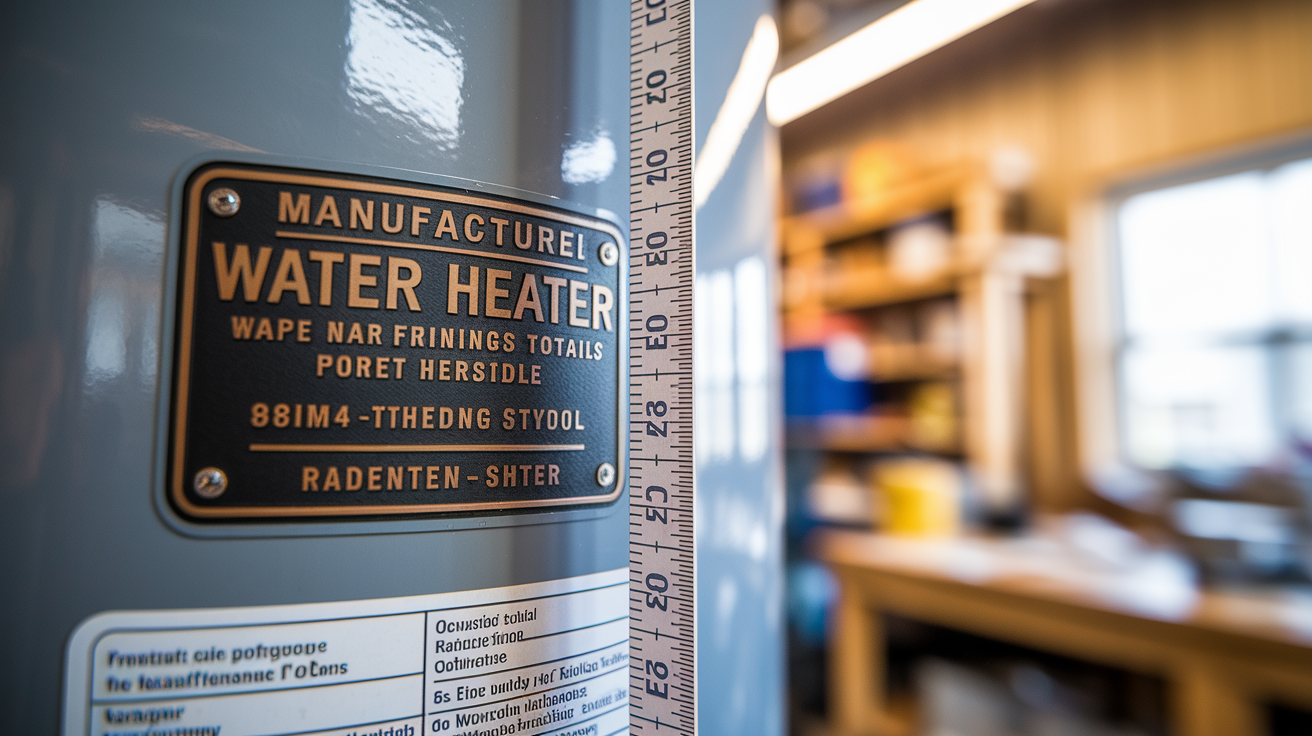
Getting the right anode rod means matching three specifications: length, diameter, and thread size. Your water heater’s make, model, and gallon capacity determine what you need.
Before you shop, write down your water heater’s brand name, model number, and tank capacity in gallons. Both gas and electric models use anode rods, though the access location sometimes differs. The model information is on the rating plate, usually found on the side of the tank near the top. Standard residential tanks from major manufacturers use common anode sizes available at most hardware stores and home centers.
| Tank Size | Anode Length | Availability | Average Cost |
|---|---|---|---|
| 30 to 40 gallon | 42 to 44 inches (rigid) or 20 to 22 inches (flexible) | In stock at most hardware stores | 20 to 30 dollars |
| 40 to 50 gallon | 42 to 44 inches (rigid) or 20 to 22 inches (flexible) | In stock at most hardware stores | 22 to 35 dollars |
| 50 to 60 gallon | 42 to 44 inches (rigid) or 20 to 22 inches (flexible) | In stock at most hardware stores | 25 to 40 dollars |
| Over 60 gallon or compact models | Varies by manufacturer | Special order required | 30 to 60 dollars |
Standard residential tanks up to 60 gallons use readily available anode rods that you can pick up same day. Compact water heaters, point of use units, and tanks larger than 60 gallons often require special order rods. Plumbing supply stores can usually get specialty rods within a few days.
Powered Anode Rods as Maintenance Free Alternatives
Powered anode rods use electrical current instead of metal corrosion to protect your tank. Unlike sacrificial anodes that wear away over time, a powered anode never needs replacement.
These systems use a titanium rod connected to a small electrical control unit. The control unit sends a low voltage current through the rod, creating an impressed current field that provides cathodic protection throughout the tank. Instead of the anode corroding, the electrical charge prevents oxidation on the steel tank walls. This is the same technology used to protect underground pipelines and marine structures.
Powered titanium anodes cost more up front, typically 150 to 300 dollars compared to 20 to 40 dollars for traditional sacrificial rods. But they eliminate replacement labor and monitoring. Once installed, they protect the tank continuously without any maintenance. The electrical draw is minimal, usually less than one watt. The titanium construction is essentially permanent. These systems also prevent the hydrogen sulfide reactions that cause rotten egg odor, since there’s no corroding metal to interact with bacteria.
For homeowners who want to eliminate ongoing anode maintenance or who have struggled with recurring odor issues, powered anodes offer a long term solution. The higher initial cost is offset by never buying replacement rods again. If you plan to keep your water heater for its full potential lifespan of 15 to 20 years, the total cost of four to six sacrificial anode replacements plus labor often exceeds the one time investment in a powered system.
Warranty Considerations Before DIY Replacement

Some water heater warranties require professional service for maintenance and repairs. Doing the work yourself could void your coverage.
Check your water heater’s warranty documentation before you start. Look for language about “authorized service” or “certified technicians.” Some manufacturers maintain warranty protection only if a licensed plumber performs inspections and replacements. Others allow homeowner maintenance as long as you follow the installation manual procedures and use approved replacement parts. The warranty terms vary by brand and sometimes by specific model.
If your water heater is still within its original warranty period, usually six to twelve years from installation, consider the financial tradeoff. A warranty voiding DIY replacement could cost you thousands if a tank failure occurs during the remaining coverage period. Professional anode service typically runs 100 to 200 dollars, which might be worth it to preserve a warranty worth several hundred to over a thousand dollars in potential coverage. Once the warranty has expired, DIY replacement makes more sense financially.
Cost Analysis of Anode Rod Replacement

Regular anode rod maintenance represents a small ongoing expense that prevents a much larger replacement cost. The math strongly favors routine rod changes.
A replacement anode rod costs 20 to 40 dollars for standard sizes. If you install it yourself, that’s your total cost. Professional installation adds 75 to 150 dollars in labor, bringing the total to around 100 to 200 dollars every three to five years. Over a 15 year period with good maintenance, you might spend 200 to 300 dollars on DIY anode changes or 400 to 600 dollars using professional service.
Without anode maintenance, the average tank lifespan drops to six to eight years. With proper anode replacement, the same tank can last 10 to 20 years. A new water heater installation costs 800 to 2,000 dollars depending on tank size, efficiency rating, and local labor rates.
| Scenario | Cost | Tank Lifespan |
|---|---|---|
| No anode maintenance | 0 dollars in maintenance, but full replacement every 6 to 8 years (800 to 2,000 dollars per replacement) | 6 to 8 years |
| DIY anode maintenance | 200 to 300 dollars over 15 years | 10 to 20 years |
| Professional anode maintenance | 400 to 600 dollars over 15 years | 10 to 20 years |
Where to Purchase Replacement Anode Rods

Aluminum rods in standard residential sizes are usually in stock at local retailers. Specialty sizes and alternative materials sometimes require ordering.
You can purchase replacement anode rods from these sources:
Local hardware stores (good for standard aluminum rods, limited selection of magnesium or zinc). Home improvement centers like Home Depot or Lowe’s (wider selection, usually stock flexible and rigid options). Plumbing supply houses (best selection including specialty sizes, may require contractor account). Direct from water heater manufacturers (guaranteed compatibility, but shipping time and cost). Online retailers like Amazon or specialized plumbing sites (widest selection of materials and sizes, requires waiting for delivery).
If you need a replacement urgently, buying local makes sense even if the selection is limited. For planned maintenance, ordering online often gives you access to better materials and pricing, especially for zinc or aluminum zinc alloy rods that aren’t stocked everywhere.
Professional Anode Rod Replacement Services
Professional service makes sense in specific situations where DIY replacement creates unnecessary risk or hassle.
Call a plumber instead of handling it yourself if your water heater is still under warranty, especially if the warranty requires professional service. Other situations include limited overhead clearance that makes rod removal difficult, a seized anode that won’t budge with reasonable force, or if you’re physically unable to safely access the top of the water heater. Older homes with galvanized plumbing connections sometimes have weakened threads that can crack during DIY work.
Professional anode rod service typically includes a full inspection of your water heater. The plumber will check for other potential problems like sediment buildup, pressure relief valve function, and signs of tank corrosion. They’ll remove the old anode, properly dispose of it, install the new rod with appropriate sealant, and test the system for leaks. The work usually takes 30 to 45 minutes on site.
Beyond the actual replacement, professional service ensures the job is done correctly the first time. If something goes wrong during a DIY attempt, you might damage the tank threads, crack a connection, or create a leak that requires emergency repairs. Professional liability insurance covers damage if a plumber makes a mistake.
To find qualified service, start with your water heater manufacturer’s authorized service network. Most brands maintain lists of certified technicians. Local plumbing companies with good online reviews and proper licensing are usually reliable. Get quotes from two or three providers, but remember the cheapest option isn’t always the best when you’re protecting a major appliance investment.
Final Words
A sacrificial anode rod is one of those hidden parts that quietly does a big job. It protects your water heater tank from corrosion so the tank itself doesn’t rust out early.
Regular inspection and timely replacement keep your water heater running longer and help you avoid expensive surprises down the road.
Whether you handle the replacement yourself or call in a pro, staying on top of this simple maintenance step makes a real difference. Your tank will thank you for it.
FAQ
What is a sacrificial anode rod?
A sacrificial anode rod is a long metal component made of magnesium, aluminum, or zinc that is installed inside water heater tanks to prevent corrosion. The rod attracts corrosive particles like iron, limestone, and minerals to itself through an electrochemical process, protecting the steel tank from rust and deterioration.
How long does a sacrificial anode rod last?
A sacrificial anode rod typically lasts two to four years before breaking down and losing its protective abilities. Manufacturers recommend inspecting the anode every one to three years and replacing it when it has been consumed more than 50 percent, with most rods requiring replacement approximately every three to five years.
How do I know if my anode is bad?
You can tell your anode is bad through visual inspection showing heavy wear or degradation to the core wire, calcium buildup covering the rod, discolored or rusty water, sulfur or rotten egg smell from your hot water, and unusual sounds from the tank. Replace the rod when more than 50 percent has been consumed.
Do I need to drain the water heater to replace the anode rod?
You need to drain several gallons from the water heater tank before removing the anode rod, but you don’t need to completely empty the tank. Draining a few gallons creates space at the top and relieves pressure, making it safer and easier to remove the old rod and install the new one.
What causes a rotten egg smell in hot water?
A rotten egg smell in hot water is caused when aluminum or magnesium anode rods corrode and react with sulfites in the water to create hydrogen sulfide gas. Switching to zinc or aluminum-zinc alloy rods prevents this odor problem because these materials do not interact with bacteria to produce hydrogen sulfide.
Can I use the same anode rod for hard water and soft water?
You cannot use the same anode rod type for all water conditions because soft water corrodes magnesium rods quickly while hard water requires more frequent inspection. Soft water systems benefit from zinc or aluminum-zinc alloy rods, while magnesium rods work well for normal water conditions without softeners.
What size socket do I need to remove an anode rod?
You need a 1-1/16 inch socket (27mm) to remove the hex plug head on most anode rods. You’ll also need an adjustable wrench or pipe wrench, plumber’s teflon tape for installation, and a bucket or hose to drain water from the tank before beginning removal.
What is the difference between flexible and rigid anode rods?
The difference between flexible and rigid anode rods is that flexible rods have a segmented design allowing installation in tight spaces with limited overhead clearance, while rigid rods are single solid pieces requiring full vertical clearance. Most heaters in finished spaces need flexible rods due to low ceilings or ductwork above the tank.
How much does anode rod replacement cost?
Anode rod replacement costs between 20 dollars and 40 dollars for the rod itself if you do it yourself, plus the cost of basic tools if you don’t already own them. Professional service typically costs more but includes labor, proper disposal, and system inspection to verify the replacement is working correctly.
What happens if I don’t replace the anode rod?
If you don’t replace the anode rod after it’s fully corroded, the rod can no longer protect the tank, causing the water heater itself to corrode from the inside. Waiting longer than five years without replacement can cause extra wear and potential tank damage or bursting, requiring premature water heater replacement.
Are powered anode rods better than sacrificial anode rods?
Powered anode rods are better for eliminating maintenance since they use impressed current technology with titanium construction and never need replacement like traditional sacrificial anodes. They cost more upfront but provide continuous protection without periodic inspections or replacements, making them a maintenance-free alternative for the life of the tank.
Will replacing the anode rod void my water heater warranty?
Replacing the anode rod yourself may void the appliance warranty in some cases depending on the manufacturer’s terms. Check your warranty documentation before beginning DIY work, and consider using professional service if your water heater is still under warranty to preserve coverage for other potential issues.