

Most homeowners have no idea a $40 part inside their water heater prevents the entire tank from rusting out. That part is called an anode rod, and ignoring it can cost you $1,500 to $3,000 for a full tank replacement years earlier than necessary. Professional anode rod replacement runs $200 to $300 in 2025, but you can handle it yourself for $30 to $90 if you’ve got basic tools and an hour to spare. Here’s what drives those costs and how to decide which route makes sense for your situation.
What You’ll Pay for Anode Rod Replacement

Professional anode rod replacement typically runs $200 to $300 for the full service. Handle it yourself and you’re looking at $30 to $90 total, with the rod itself costing $20 to $70 depending on what type you pick. The gap comes down to labor and whether you’ve already got the basic tools sitting in your garage.
Labor rates for professional work range from $40 to $150 per hour based on where you live and who’s doing the job. Most anode rod swaps take 30 to 60 minutes of actual wrench time, though the service window runs a bit longer if the tech needs to check your water heater’s overall health. Many plumbers tack on a service call fee of $50 to $100 just to show up, and that gets added to labor even when the job itself is quick. Emergency or after hours calls can push these numbers way higher.
Parts costs vary based on what your tank needs. Standard magnesium rods run $20 to $40, aluminum rods cost $25 to $50. Flexible or segmented designs, which you need for water heaters jammed into tight spaces with no overhead clearance, add another $10 to $20 to the base price no matter what material you choose. Powered electronic rods that never need replacing again cost $200 to $300. Longer rods for bigger tanks (80+ gallons) also push the price toward the top of these ranges.
DIY replacement saves you $150 to $250 compared to hiring someone, since you’re only buying the rod and maybe a few supplies. If you don’t have the tools already, you’ll spend $40 to $80 for a ratchet wrench with the right socket (1 1/16 inch deep socket is standard), a pipe wrench for leverage, and Teflon tape. Even with tool purchases, you’re still ahead on your first replacement. And you’ll have those tools for next time.
| Cost Component | Professional Service | DIY Approach |
|---|---|---|
| Anode Rod Parts | $20 to $70 (included) | $20 to $70 |
| Labor/Time | $120 to $225 (30-60 min at $40-$150/hr) | Your time (30-60 min) |
| Service Call Fee | $50 to $100 | $0 |
| Total Cost Range | $200 to $300 | $30 to $90 (plus $40-$80 for tools if needed) |
Key Factors That Affect Replacement Cost
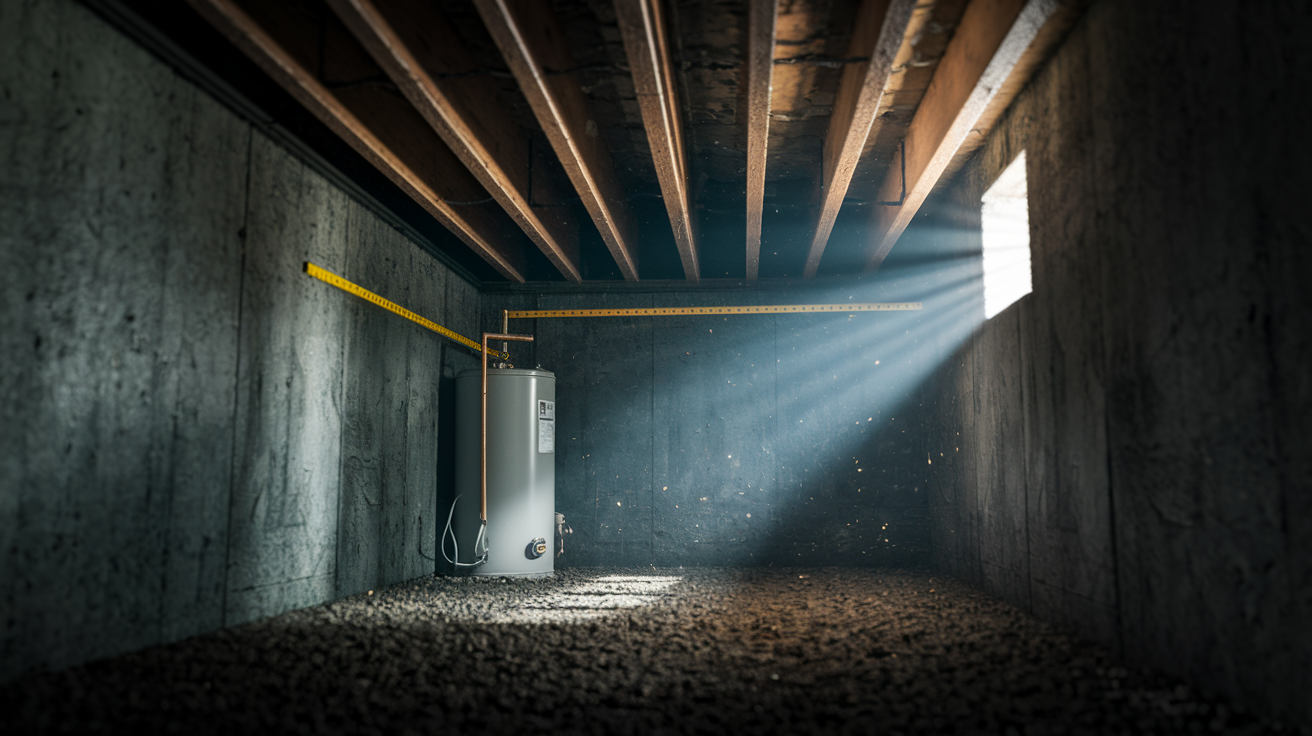
Limited overhead clearance complicates anode rod removal and drives up labor time. Some water heaters sit in crawl spaces, low basements, or utility closets where there’s barely enough room to stand, let alone yank out a 20 inch metal rod. In these spots, a plumber might need a segmented or flexible rod, which means different removal techniques and can add 15 to 30 minutes to the job. Mobile home units and RV water heaters often have access challenges that require specialized knowledge, which may mean higher labor rates or finding a contractor experienced with those specific setups.
Corroded threads are one of the most common reasons a simple 30 minute job turns into an hour long project. If your anode rod hasn’t been swapped in 8 to 10 years, or you’re in an area with aggressive water chemistry, the threads can practically weld themselves to the tank opening. The plumber will need to apply penetrating oil, let it sit, and possibly use an impact wrench or breaker bar to get enough torque on the stuck rod. That extra 30 to 60 minutes of labor adds $20 to $75 to your final bill, depending on the hourly rate. In extreme cases, the tech might need to drill out the old rod, which takes even longer and requires more skill.
Regional pricing differences make a real impact on what you’ll pay. Labor rates in metro cities like New York, Los Angeles, and San Francisco typically run $100 to $150 per hour, while smaller markets might charge $40 to $80 per hour for the same work. Coastal zones also tend to run higher due to increased demand and cost of living. Your zip code matters almost as much as the job’s complexity when it comes to the final invoice.
Emergency service adds a 25 to 50 percent premium to standard rates. Call for help on a weekend, holiday, or after normal business hours and expect to pay significantly more. A repair that would normally cost $200 during the week might run $250 to $300 for a Saturday morning appointment. Scheduling routine maintenance during weekday business hours is one of the simplest ways to keep costs down without giving up quality.
Types of Anode Rods and Their Price Differences
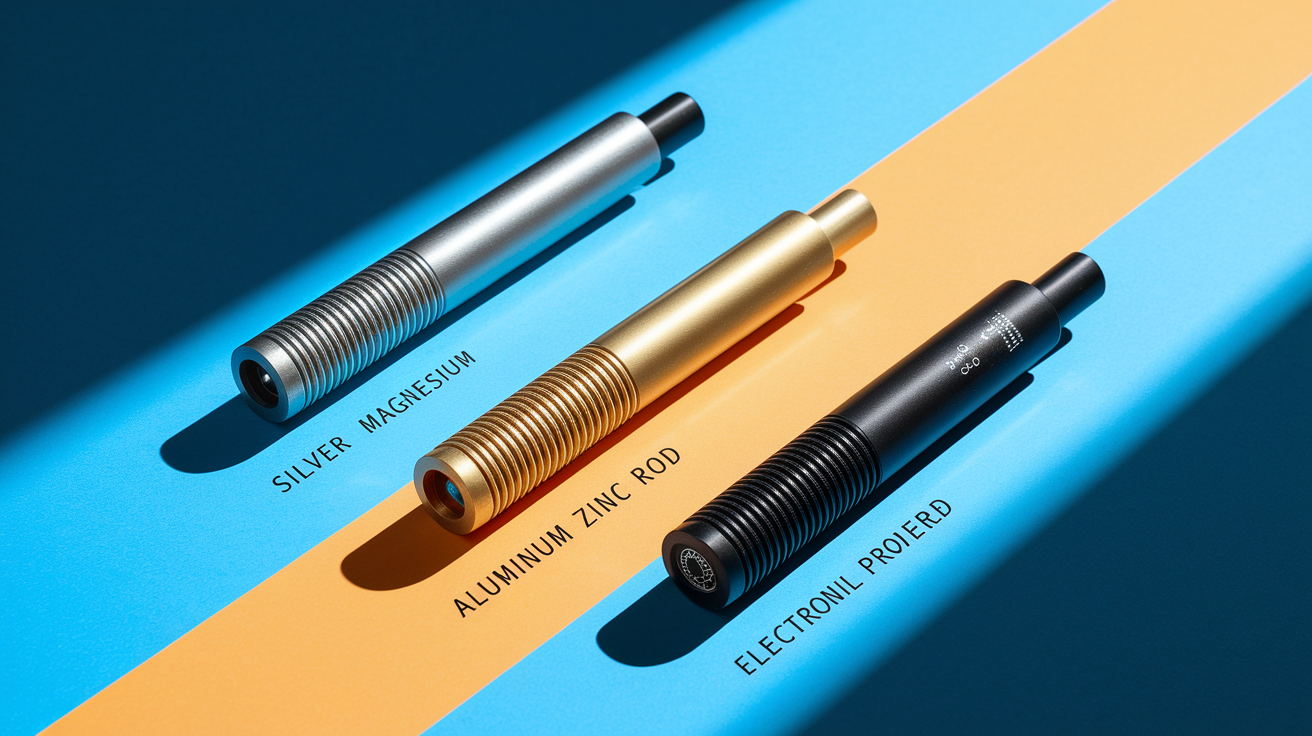
Anode rods come in three main material categories: magnesium, aluminum, and powered electronic. Plus design variations like flexible and segmented rods for challenging installation spaces.
Magnesium anode rods are the most common choice and typically the best option for standard municipal water supplies. Magnesium bonds more freely with corrosive minerals and metals in water, making it really effective at protecting the tank interior from rust. These rods work well in most water conditions and offer strong sacrificial protection for the life of the rod. Standard magnesium rods cost $20 to $40, making them the most economical option for homeowners with typical water chemistry. They generally last 3 to 5 years in average conditions before needing replacement.
Aluminum and aluminum zinc anode rods are better suited for soft water or water with low pH levels. Magnesium corrodes too quickly in these conditions, sometimes wearing out in just 2 to 3 years. Aluminum rods handle soft water better and last longer in acidic environments. Some aluminum rods contain added zinc specifically to address sulfur smells and the rotten egg odor that can develop when certain bacteria interact with standard rods. These combination aluminum zinc rods cost $25 to $50, slightly more than basic magnesium but worth it if you’re dealing with water quality issues that create unpleasant smells.
Powered anode rods, also called electronic or impressed current anodes, eliminate the need for future replacements entirely. Instead of sacrificing metal to protect the tank, these devices use a small electrical current to prevent corrosion from forming in the first place. They cost $200 to $300 upfront, which is significantly more than a standard sacrificial rod, but you never have to replace them. For homeowners planning to keep their water heater for 15+ years, the math can work out in favor of powered rods since you’d otherwise be replacing a standard rod three or four times over that period.
Flexible and segmented designs solve the clearance problem when your water heater sits in a tight space. Standard anode rods are solid pieces of metal that need full vertical clearance to remove. If you’ve got 18 inches of space above the tank and need to pull out a 20 inch rod, you’re stuck. Flexible rods bend during installation, and segmented rods connect in shorter sections, letting you work in cramped utility closets or low basement ceilings. These design modifications add $10 to $20 to whatever the base material costs, so a flexible magnesium rod might run $35 to $60 instead of the standard $20 to $40.
- Magnesium rods ($20 to $40): Best for most water types, strong protection, standard choice for municipal water
- Aluminum rods ($25 to $50): Better for soft water and low pH, prevents rapid corrosion in acidic conditions
- Aluminum zinc rods ($30 to $50): Reduces sulfur smells and rotten egg odor, good for well water with bacteria issues
- Powered rods ($200 to $300): One time installation, no future replacements needed, requires electrical connection
- Flexible/segmented rods (add $10 to $20): Necessary for tight installation spaces, available in any material type
DIY Replacement: Steps, Tools, and Methodology

Anode rod replacement is manageable for homeowners with intermediate DIY skills and takes 30 to 60 minutes including prep time. You’ll need a few specific tools, but the process itself is straightforward if you follow safety precautions and work methodically.
- Shut off the water supply to the tank and turn off the fuel source (flip the circuit breaker for electric units or turn the gas valve to “pilot” for gas heaters)
- Let the water cool for at least two hours to avoid scalding during the next steps
- Drain approximately one gallon of water from the tank through the drain valve at the bottom, just enough to drop the water level below where the anode rod enters the tank
- Locate the anode rod hex head on top of the tank (usually center mounted or on the hot water outlet) and use your 1 1/16 inch deep socket with a ratchet wrench to loosen it
- Remove the old rod completely, clean the threads in the tank opening, wrap new Teflon tape around the threads of the new anode rod (3 to 4 wraps), and hand thread it into the opening before tightening with your wrench
- Refill the tank, turn the fuel source back on, check for leaks around the anode rod connection, and let the water heat back up before testing
You’ll need a ratchet wrench with a 1 1/16 inch deep socket, which is the standard size for most residential water heater anode rods. A garden hose helps with the partial drainage step, and you’ll want Teflon tape for sealing the threads on the new rod. If the old rod is stubborn, and it often is after years of mineral buildup, a steel pipe slipped over your wrench handle gives you extra leverage without needing a second tool. For seriously stuck rods, apply penetrating oil around the hex head and let it sit for 15 to 20 minutes before trying again. Some people rent or buy an impact wrench for the removal step, which makes quick work of corroded threads but isn’t necessary unless you’re dealing with a rod that refuses to budge with manual tools.
Safety matters more than speed on this job. Make absolutely sure the water supply is off and the fuel source is disconnected before you start draining water or touching any connections. Hot water can cause serious burns, so waiting for the tank to cool isn’t optional. Gas water heaters require extra caution. If you smell gas at any point, stop immediately, open windows, leave the area, and call a professional. Never try to force a stuck rod so hard that you risk damaging the tank threads or cracking the tank itself, which would turn a $50 maintenance job into a $2,000 replacement.
Professional Service: Process and Selection Criteria
Professional anode rod service follows a structured process that starts with assessing the water heater’s overall condition and accessibility. The plumber will check for corrosion around the rod connection, evaluate whether the tank is still in good shape, and determine the best approach for removal based on clearance and any existing complications. They’ll shut off the water and fuel supply, drain the necessary amount of water, remove the old rod, install the new one with proper thread sealant, refill the tank, and test for leaks. Most technicians also check the pressure relief valve and look for other potential issues while they’re already at the unit.
Standard jobs take 30 to 60 minutes when everything goes smoothly. If the rod is severely corroded or the installation space is tight, the job can stretch to 90 minutes or longer. Plumbers who encounter stuck rods will use penetrating oil and impact tools, adding time but preventing tank damage that could occur if you tried to muscle it out yourself. The tech might also recommend flushing the tank while they’re there, especially if they see significant sediment buildup when they drain water for the rod replacement.
Some manufacturers require professional installation to keep warranty coverage valid, particularly if the water heater is still relatively new. Gas water heaters should always be serviced by licensed professionals due to safety regulations around gas line work and combustion systems. Even for electric units, having a pro handle the first replacement gives you a chance to watch the process and decide whether you’re comfortable taking it on yourself next time. Common brands like Rheem, AO Smith, and Bradford White have wider service networks and better parts availability, which can mean lower costs and faster service when you need replacement parts or specialized knowledge.
Check that any contractor you hire carries proper licensing for plumbing work in your area and maintains liability insurance. Ask about their experience with your specific water heater brand. Someone who’s worked on dozens of AO Smith units will be faster and more efficient than a generalist who rarely touches water heaters. Get at least two or three quotes before making a decision, and make sure each quote breaks down parts, labor, and any service fees separately so you can compare accurately. Don’t be afraid to ask whether they’ve dealt with corroded rods or tight installation spaces before, especially if you suspect your job might be more complicated than average.
Signs Your Anode Rod Needs Replacement

Proactive anode rod inspection and replacement prevents tank failure and extends your water heater’s working life by years.
- Rusty or discolored water coming from hot water taps, especially first thing in the morning
- Rotten egg or sulfur smell in your hot water, indicating bacterial growth or anode rod interaction with water chemistry
- Rumbling, popping, or banging noises from the tank caused by sediment buildup that occurs more rapidly when the anode rod is depleted
- Reduced hot water volume or the tank running out of hot water faster than it used to
- Visible corrosion or rust on the tank exterior, particularly near the top where the anode rod connects
- Water heater is 5+ years old and has never had an anode rod inspection or replacement
- Metallic taste in hot water from your taps
Inspect your anode rod every 3 to 5 years as standard preventive maintenance, even if you’re not seeing obvious warning signs. Hard water areas put extra stress on anode rods and should be checked annually. The replacement criteria is straightforward: when more than 6 inches of the core wire is exposed, or when the rod’s diameter has corroded down to less than 1/2 inch thick, it’s time for a new one. You can’t make this assessment without pulling the rod out, which means partial tank drainage and removal are necessary just to inspect it. Some homeowners wait until they see warning signs, but that approach means the rod has already stopped protecting the tank effectively.
Delayed replacement leads directly to tank interior corrosion. Once the sacrificial anode is consumed, the water starts attacking the steel tank itself. Rust forms on the inner walls, eventually eating through the metal and causing leaks. At that point, you’re looking at full water heater replacement rather than a $200 anode rod service. A water heater that could last 15 to 20 years with proper anode rod maintenance might fail in under 10 years without it, turning a small recurring cost into a major unexpected expense.
How Water Quality Impacts Anode Rod Lifespan and Cost

Hard water accelerates anode rod corrosion significantly. The extra minerals bond with the anode rod material more aggressively, consuming it faster. In areas with very hard water, magnesium anode rods that would normally last 5 years might need replacement every 2 to 3 years. That increased frequency turns a maintenance task you’d handle twice over 10 years into something you’re dealing with four or five times, adding $100 to $150 annually to your water heater operating costs.
Soft water and low pH conditions create different challenges. Soft water is slightly acidic, which causes magnesium rods to corrode too quickly to be cost effective. Homeowners in these areas get better results with aluminum anode rods, which hold up longer in acidic environments. If you’ve installed a water softener system, you’ve actually shifted your home into this category. The softened water is easier on your plumbing fixtures but harder on magnesium anode rods. Making the switch to aluminum when you replace the rod extends the replacement interval and reduces long term costs.
Well water systems typically have higher mineral content and more variable chemistry than municipal water supplies. Iron, sulfur, and other minerals common in well water can interact with anode rods in ways that shorten their lifespan or create water quality issues like sulfur smells. Wells in agricultural areas may have slightly acidic water from organic matter breakdown, while wells in rocky terrain might have very hard water with high mineral content. Testing your well water’s pH and mineral content helps you select the right anode rod material from the start. Coastal areas face humidity related corrosion risks that affect the entire water heater, not just the anode rod, potentially requiring more frequent inspection even with municipal water.
The long term cost implications of challenging water conditions add up quickly. If you’re replacing anode rods every 2 to 3 years instead of every 5 years due to hard water, that’s an extra $200 to $300 every few years compared to homes with average water quality. Over a 15 year water heater lifespan, that could mean $600 to $900 in additional maintenance costs. Installing a water softener can help extend anode rod life in hard water areas, but the softener’s operating costs and occasional maintenance need to be factored into the overall calculation. For some homes, more frequent anode rod replacement is simply the price of keeping the water heater alive in difficult conditions.
Repair Cost vs. Full Water Heater Replacement Decision

The decision between replacing an anode rod and replacing the entire water heater depends heavily on the unit’s age and overall condition.
| Water Heater Age | Anode Rod Replacement Recommended? | Reasoning |
|---|---|---|
| 0-5 years | Yes, definitely worth it | Unit has many years of life remaining; regular maintenance protects your investment |
| 5-8 years | Yes, good investment | Anode replacement extends life significantly; replacement cost far exceeds maintenance |
| 8-10 years | Usually yes, if no other issues | Worthwhile if tank is otherwise healthy; evaluate carefully if multiple problems exist |
| 10-12 years | Depends on condition | Consider replacement if facing other repairs; replacement may be better long-term value |
| 12+ years | Probably not | Tank approaching end of typical lifespan; better to invest in new efficient unit |
Anode rod replacement on water heaters under 8 years old is almost always worth the investment. You’re spending $200 to $300 on maintenance versus $1,500 to $3,000 for a complete replacement. Quality water heaters with proper anode rod maintenance can last 15 to 20 years, and replacing the rod once or twice during that lifespan can extend the total working life by up to 10 years. The return on investment is substantial when you’re protecting a relatively new unit with many good years left.
Units over 10 years old require more careful evaluation. If the tank is showing multiple issues like strange noises, inconsistent heating, visible corrosion, or minor leaks around fittings, spending money on an anode rod may not make sense when the whole unit is approaching the end of its service life. The general guideline is that when annual repair costs exceed $300 on a water heater over 10 years old, replacement becomes the smarter financial move. Tank leaks specifically indicate that the interior has already failed, meaning the anode rod can no longer protect it. No amount of maintenance will fix a leaking tank, and attempting anode rod replacement at that point is throwing good money after bad.
Money-Saving Tips for Anode Rod Maintenance

Regular inspection schedules catch anode rod issues before they turn into emergency failures that require immediate service at premium rates. Checking the rod every 3 to 5 years costs nothing if you do it yourself, and scheduling a professional inspection during normal business hours costs far less than calling someone out on a Saturday when you suddenly have no hot water. Catching a worn anode rod early means you can plan the replacement on your timeline rather than scrambling when the tank starts leaking rusty water.
Complementary maintenance tasks extend both the anode rod’s effectiveness and the overall tank lifespan. Annual tank flushing removes sediment buildup that interferes with heating efficiency and accelerates both anode rod corrosion and tank interior damage. The flush takes about 20 minutes and requires nothing more than a garden hose. Keeping your water heater thermostat set to 120°F instead of the maximum reduces the corrosion rate inside the tank, making the anode rod last longer and lowering your energy bills at the same time. Testing the pressure relief valve periodically, just lifting the lever to make sure water flows freely, confirms another critical safety component is working properly. These simple tasks can extend your water heater’s life by 3 to 5 years.
Timing professional service strategically saves significant money without giving up quality. Weekday appointments during normal business hours avoid the 25 to 50 percent emergency service premium that kicks in for evenings, weekends, and holidays. Bundling anode rod replacement with other routine maintenance, annual tank flushing, pressure valve inspection, or thermostat calibration, spreads the service call fee across multiple tasks instead of paying it separately for each visit.
- Buy the correct anode rod yourself if you’re hiring a plumber, saving the markup on parts
- Schedule service during weekday business hours to avoid emergency rate premiums
- Bundle anode rod replacement with annual tank flushing and other maintenance to get more value from the service call
- Keep your water heater’s installation manual and specs handy so you can order the exact replacement rod needed
- Choose the right rod material for your water type (magnesium for most, aluminum for soft water) to get maximum lifespan
- Set calendar reminders for inspection intervals so you catch wear before emergency replacement becomes necessary
Getting Accurate Local Quotes for Replacement

Request itemized quotes that separate parts costs, labor charges, and service call fees into distinct line items. This breakdown lets you compare quotes accurately and understand exactly what you’re paying for. Ask for the estimated time on site and the hourly labor rate so you can calculate whether the quote makes sense. Some contractors charge a flat rate for anode rod replacement, while others bill by the hour. Knowing which pricing structure you’re dealing with helps you evaluate whether the quote is competitive for your area.
Regional price variation means the same job costs dramatically different amounts depending on where you live. Metro areas like New York, Los Angeles, and San Francisco command premium labor rates of $100 to $150 per hour due to higher costs of living and business operation expenses. Smaller markets and rural areas typically see rates of $40 to $80 per hour for identical work. Getting quotes from at least two or three local contractors gives you a realistic baseline for your specific market rather than relying on national averages that may not reflect your area’s pricing.
Verify that any contractor you consider holds current plumbing licenses required in your state or municipality and carries liability insurance that protects you if something goes wrong during the service. Ask specifically about their experience with water heater maintenance and your particular brand. A contractor who regularly services Rheem or AO Smith units will complete the job faster and handle complications more smoothly than someone who rarely works on water heaters. Specialized experience translates directly into lower labor time and fewer unexpected problems.
Ask potential service providers how they handle stuck or corroded anode rods, what their warranty covers on both parts and labor, and whether they offer service contracts or maintenance plans that bundle multiple visits at a discount. Find out if they charge extra for weekend or after hours service and what their policy is if they encounter unexpected complications during the replacement. Clarify whether the quote includes disposal of the old anode rod and any cleanup afterward, and confirm that they’ll test the installation for leaks before leaving. These questions help you understand the full scope of service and avoid surprise charges when the work is complete.
Final Words
Anode rod replacement costs between $200 and $300 with a professional, or $30 to $90 if you go the DIY route. The price shifts based on your rod type, water quality, tank access, and where you live.
Replacing a worn anode rod before tank corrosion starts can add years to your water heater’s life and help you dodge a $1,500 to $3,000 replacement down the road.
If you’re seeing rusty water, smelling sulfur, or your heater’s pushing past five years without an inspection, it’s time to check that rod. Catching it early keeps repair costs low and your hot water flowing.
FAQ
How much does a plumber charge to replace an anode rod?
A plumber typically charges between $200 and $300 to replace an anode rod, which includes parts and labor. This cost covers the rod itself ($20 to $70 depending on type) plus labor rates of $40 to $150 per hour for approximately 30 to 60 minutes of work.
Is replacing the anode rod worth the hassle?
Replacing the anode rod is worth the effort because it can extend your water heater’s lifespan by up to 10 years and prevent costly tank replacement ($1,500 to $3,000). Regular rod replacement protects against interior tank corrosion that leads to premature failure and water damage.
How often do anode rods need to be changed?
Anode rods typically need to be changed every 3 to 5 years under normal water conditions. Hard water areas may require replacement every 2 to 3 years, while well-maintained systems in areas with better water quality can sometimes extend intervals slightly beyond 5 years.
How do you know if an anode rod is bad?
You know an anode rod is bad when you notice rusty or discolored water, rotten egg or sulfur smells, rumbling noises from the tank, or reduced hot water volume. Physical inspection showing 6 inches or more of exposed core wire or rod diameter less than half an inch confirms replacement is needed.
Can I replace an anode rod myself?
You can replace an anode rod yourself if you have intermediate DIY skills and the right tools, including a 1 1/16-inch deep socket and ratchet wrench. The process takes 30 to 60 minutes and can save $150 to $250 compared to professional installation.
What tools do I need to replace an anode rod?
You need a ratchet wrench with 1 1/16-inch deep socket, garden hose for partial drainage, Teflon tape, and possibly a steel pipe for extra leverage. If the rod is severely corroded, you may also need penetrating oil and an impact wrench to break it free.
What type of anode rod is best for my water heater?
The best anode rod type depends on your water conditions: magnesium rods ($20 to $40) work best for most situations, aluminum rods ($25 to $50) suit soft water or low pH conditions, and aluminum-zinc combinations address sulfur smell issues. Powered rods ($200 to $300) eliminate future replacements.
Does hard water affect anode rod replacement costs?
Hard water accelerates anode rod corrosion, requiring replacement every 2 to 3 years instead of the typical 5-year interval. This more frequent replacement schedule adds approximately $100 to $150 annually to long-term maintenance costs compared to areas with better water quality.
When should I replace my water heater instead of the anode rod?
You should replace your water heater instead of the anode rod if the unit is over 10 years old with multiple issues, shows signs of tank leaks, or requires annual repairs exceeding $300. Units under 8 years with no other problems benefit most from anode rod replacement.
How can I save money on anode rod maintenance?
You can save money by scheduling inspections every 3 to 5 years to catch problems early, performing DIY replacement, booking weekday service to avoid emergency premiums, and bundling anode replacement with annual tank flushing. Proper preventive maintenance extends water heater life by 3 to 5 years.